What can I do to protect my car in the snow? Protecting your car in the snow involves a combination of preventative measures, proper cleaning, and mindful driving practices. This guide will cover everything you need to know about winter car care and snow protection for vehicles to keep your car in great shape.
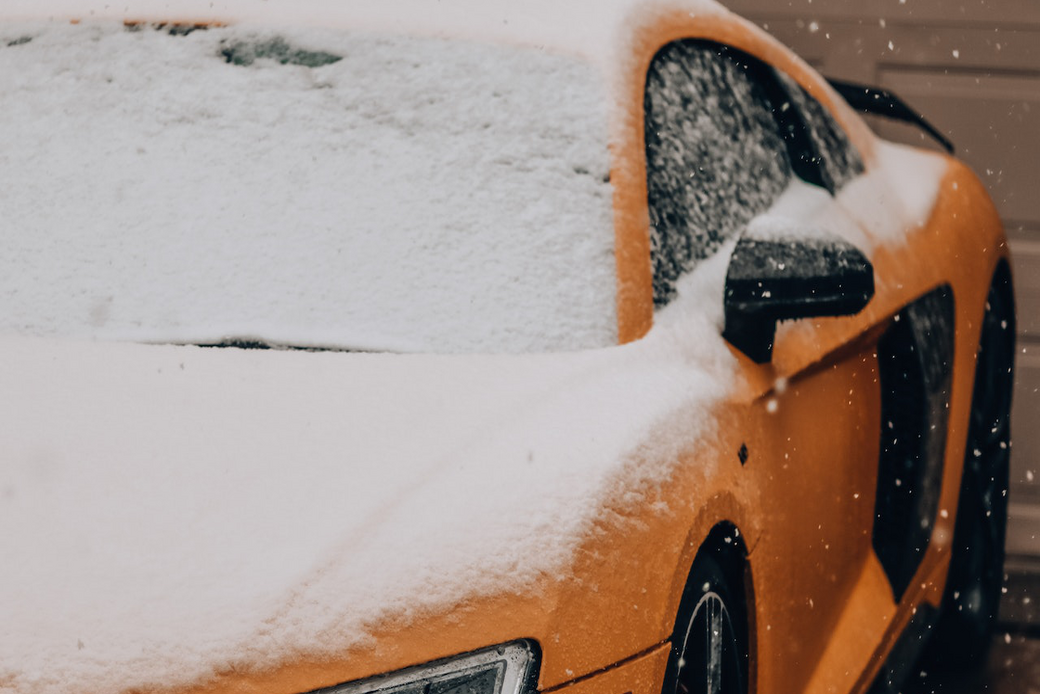
Image Source: blocardryer.com
Preparing Your Car for Winter Weather
Getting your car ready for winter is key to preventing damage and ensuring safe winter driving safety. This proactive approach will save you time and money in the long run.
Essential Winter Car Care Checks
Before the first snowflake falls, it’s crucial to perform some checks.
Tire Readiness
- Winter Tires: If you live in an area with heavy snow, consider investing in winter tires. They have a special rubber compound that stays flexible in cold temperatures and a tread pattern designed for better grip on snow and ice.
- Tire Pressure: Cold weather causes tire pressure to drop. Check your tire pressure regularly and inflate them to the recommended PSI found on the sticker inside your driver’s side door jamb. Underinflated tires are less safe and wear out faster.
- Tread Depth: Ensure your tires have adequate tread depth for grip. The legal minimum is usually 2/32 of an inch, but more is better for winter driving.
Fluid Levels
- Antifreeze: Make sure your antifreeze is at the correct level and concentration. This prevents your engine from overheating or freezing. Check your owner’s manual for the recommended type.
- Windshield Washer Fluid: Use a fluid designed for cold weather that won’t freeze. You’ll be using it a lot to clear away road spray and grime.
- Brake Fluid and Power Steering Fluid: Check these levels as well. Low fluid can affect your car’s performance and safety.
Battery Health
- Cold Weather Impact: Cold temperatures significantly reduce a car battery’s cranking power. A weak battery is much more likely to fail in the cold.
- Testing: Have your battery tested at an auto shop to ensure it’s in good condition.
- Cleaning Terminals: Clean any corrosion from the battery terminals. This ensures a good connection for optimal power flow.
Wiper Blades and Washer System
- Wiper Blade Condition: Replace worn-out wiper blades. You need clear visibility to drive safely in snow and rain. Consider winter-specific wiper blades with rubber coating to prevent ice buildup.
- Washer Fluid Nozzles: Ensure the nozzles for your windshield washer fluid are clear and properly aimed.
Other Key Checks
- Brakes: Ensure your brakes are in good working order. Winter conditions require your brakes to perform at their best.
- Lights: Check all your lights – headlights, taillights, brake lights, and turn signals. Visibility is reduced in winter, so it’s vital your car is seen.
- Belts and Hoses: Inspect belts and hoses for cracks or wear. Extreme temperatures can make them brittle and prone to breaking.
Protecting Your Car’s Exterior in Winter
The elements can be harsh on your car’s paint and body during winter. Snow protection for vehicles extends to keeping the exterior looking good and preventing rust.
Using Car Covers for Snow
One of the best ways to protect your car from snow and ice is by using a car cover for snow.
Types of Car Covers
- All-Weather Covers: These are typically made from durable, waterproof, and breathable materials that offer protection against snow, ice, rain, and UV rays.
- Snow Covers: Some covers are specifically designed to repel water and prevent ice from forming on the windshield, roof, and windows.
Benefits of Car Covers
- Prevents Ice Buildup: Reduces the time and effort needed to clear ice and snow.
- Protects Paint: Shields the paint from salt, sand, and grime used on roads.
- Keeps it Clean: Prevents dirt and debris from accumulating on the car.
Protecting Car Paint in Winter
Salt and chemicals used on roads can wreak havoc on your car’s paint, leading to corrosion and rust.
Washing Your Car Regularly
- Frequency: Wash your car frequently, ideally every couple of weeks, especially after driving on treated roads.
- Underbody Wash: Pay special attention to washing the undercarriage, where salt and grime tend to build up.
- Drying: Dry your car thoroughly after washing to prevent water spots and freezing.
Waxing and Sealants
- Protective Layer: Applying a good quality wax or paint sealant before winter creates a protective barrier that helps repel water and corrosive substances.
- Reapplication: You may need to reapply wax or sealant during the winter if you wash your car frequently.
Addressing Minor Damage
- Chips and Scratches: Repair any chips or scratches in the paintwork before winter. These can be entry points for moisture and salt, leading to rust.
Keeping Your Car’s Interior Comfortable and Functional
Winter can also affect your car’s interior. Keeping it clean and functional will make your drives more pleasant.
Interior Cleaning and Protection
- Floor Mats: Use all-weather rubber floor mats. They are easier to clean than carpet mats and will protect your car’s original carpeting from snow, salt, and mud tracked in from your shoes.
- Wipe Down Surfaces: Regularly wipe down your dashboard and interior surfaces. This removes any dust or grime that can become more noticeable in winter.
- Deodorizing: Moisture can lead to musty smells. Consider using car deodorizers or silica gel packets to absorb excess moisture.
Ensuring Proper Ventilation
- Preventing Fogging: Keep your defroster and air conditioning system in good working order. The AC can help dehumidify the air, which is useful for preventing car damage in winter related to moisture inside the cabin.
- Clearing Vents: Ensure all air vents are clear of debris to allow for proper airflow.
Driving and Parking Strategies for Snow and Ice
How you drive and where you park your car can make a big difference in protecting it during winter.
Smart Parking Choices
- Garage Storage for Winter: If you have access to a garage, garage storage for winter is the best option. It protects your car from the elements entirely.
- Carports: A carport offers a good alternative, shielding your car from direct snow and ice accumulation.
- Sunny Spots: If parking outdoors, try to park in a spot that receives sunlight during the day. This can help melt away some of the snow and ice.
- Avoid Trees: Parking under trees can lead to snow and ice falling onto your car, especially if branches become heavy with snow.
Winter Driving Safety Tips
- Slow and Steady: Drive slower than you normally would. Allow extra time for braking and turning.
- Gentle Acceleration and Braking: Avoid sudden starts or stops. Accelerate and brake smoothly to maintain traction.
- Increase Following Distance: Leave more space between your car and the vehicle in front of you. It takes longer to stop on slippery surfaces.
- Know Your Brakes: If your car has anti-lock brakes (ABS), press the brake pedal firmly and hold it. Don’t pump the brakes. If your car doesn’t have ABS, brake gently.
- Steering: Keep your hands at the “9 and 3” or “10 and 2” positions on the steering wheel for better control.
- Visibility: Always ensure your windows and mirrors are clear before you start driving. Turn on your headlights, even during the day, to be more visible to others.
Snow and Ice Removal from Car Procedures
Proper snow and ice removal from car is vital for both safety and protecting your vehicle.
Safe Removal Techniques
- Use the Right Tools:
- Snow Brush: A good quality snow brush with a sturdy handle and soft bristles is essential for clearing snow without scratching paint.
- Ice Scraper: A durable ice scraper is needed for removing ice from windows.
- Snow Brush/Scraper Combo: Many tools combine both functions.
- Start at the Top: Begin clearing snow from the roof of your car first. This prevents snow from sliding onto cleared windows as you work.
- Clear All Windows: Ensure all windows, mirrors, and lights are completely clear of snow and ice. Don’t forget the rear window and side mirrors.
- Avoid Hot Water: Never pour hot water on your windshield to melt ice. The rapid temperature change can cause the glass to crack.
- Engine Heat: Running your engine to warm the car is helpful, but don’t let it idle for too long without moving, as it wastes fuel and can contribute to emissions. Use the defroster to clear the windows.
- Gentle Scraping: Scrape ice gently. Pressing too hard can scratch or damage the glass.
- Clear Snow from Underneath: If heavy snow has accumulated underneath your car, try to clear some of it away if possible, especially if it’s blocking any components.
What to Do If Your Car is Stuck
- Don’t Spin Your Wheels: If your car is stuck in snow, resist the urge to spin your wheels. This will only dig you in deeper.
- Rocking Motion: Try rocking the car gently by shifting between drive and reverse.
- Clear Snow: Clear away snow from around the tires.
- Traction Aids: Use sand, salt, or traction mats under the drive wheels to get better grip.
Preventing Car Damage in Winter Beyond the Basics
There are always extra steps you can take for comprehensive preventing car damage in winter.
Protecting Mechanical Components
- Check Belts and Hoses: As mentioned earlier, cold can make rubber brittle. Inspect for cracks and replace if necessary.
- Fluid Freezing: Ensure all fluids are rated for the temperatures you expect. This includes brake fluid, power steering fluid, and transmission fluid.
Dealing with Salt and Corrosive Materials
- Undercoating: Consider an automotive undercoating treatment before winter. This adds an extra layer of protection to the car’s undercarriage against salt and moisture.
- Rust Proofing: If your car isn’t rust-proofed, explore options. While effectiveness can vary, it’s an investment some owners consider.
Specific Components to Watch
- Door Seals: Apply a silicone lubricant or rubber protectant to door seals. This prevents them from freezing shut and tearing when you try to open the doors.
- Locks: Use a de-icer spray specifically for car locks if they tend to freeze. Avoid using hot water on frozen locks as it can make the problem worse by re-freezing.
Cold Weather Car Tips for a Smooth Winter
Here are some additional cold weather car tips to make your winter smoother.
Emergency Kit
Always have an emergency kit in your car during winter.
- Contents:
- Jumper cables
- First-aid kit
- Warm blankets and extra clothing (gloves, hat, scarf)
- Flashlight with extra batteries
- Non-perishable snacks and water
- Shovel (collapsible type is good)
- Sand or cat litter for traction
- Basic tool kit
- Phone charger or power bank
- Reflective triangles or flares
Fuel Management
- Keep Tank Full: Try to keep your gas tank at least half full. This prevents condensation from forming in the fuel lines, which could freeze and block fuel flow.
Tire Chains and Cables
- When to Use: If you live in an area with very heavy snow or steep inclines, tire chains or cables might be necessary for maximum traction. Check local regulations regarding their use.
- Proper Installation: Familiarize yourself with how to install them before you need them.
Car Battery Care in Cold
Car battery care in cold is paramount as it’s one of the most common failure points in winter.
Factors Affecting Battery Life in Cold
- Reduced Efficiency: As mentioned, cold reduces a battery’s ability to deliver power.
- Increased Demand: Starting an engine in cold weather requires more power than in warm weather.
- Short Trips: Frequent short trips don’t allow the alternator enough time to fully recharge the battery.
Maintaining Your Car Battery
- Regular Testing: Get your battery tested annually.
- Keep Terminals Clean: Clean any corrosion from the battery terminals.
- Secure Connections: Ensure battery cables are tightly secured.
- Consider a Battery Tender: If your car is stored for extended periods during winter, a battery tender can maintain a healthy charge.
Frequently Asked Questions (FAQ)
Q1: How often should I wash my car in winter?
A: It’s recommended to wash your car every two weeks, or more often if you drive on roads treated with salt or chemicals. Focus on the undercarriage to remove corrosive residue.
Q2: Can I use hot water to melt ice off my windshield?
A: No, never use hot water. The sudden temperature change can cause the glass to crack. Use an ice scraper or a de-icing spray.
Q3: What is the best way to protect my car’s paint in winter?
A: A good quality wax or paint sealant applied before winter offers the best protection. Regular washing is also crucial.
Q4: My car battery seems weak in the cold. What should I do?
A: Have your battery tested. Clean the terminals and ensure connections are secure. If it’s old, consider replacing it before winter sets in.
Q5: Is a car cover effective against snow and ice?
A: Yes, a high-quality car cover designed for all-weather use can significantly protect your car from snow, ice, and the corrosive materials used on roads.
By following these comprehensive guidelines for winter car care, you can effectively protect your car from the harsh conditions of winter, ensuring its longevity and your safety on the road.