Finding a bad smell in your car can be really unpleasant. Often, this terrible odor means something is wrong, and one common cause of a very bad smell, sometimes described as a rotten smell in car or even that your car smells like death, is a dead animal. A dead mouse is a frequent culprit. This guide will help you figure out how to find a dead mouse in your car and get rid of that awful smell.
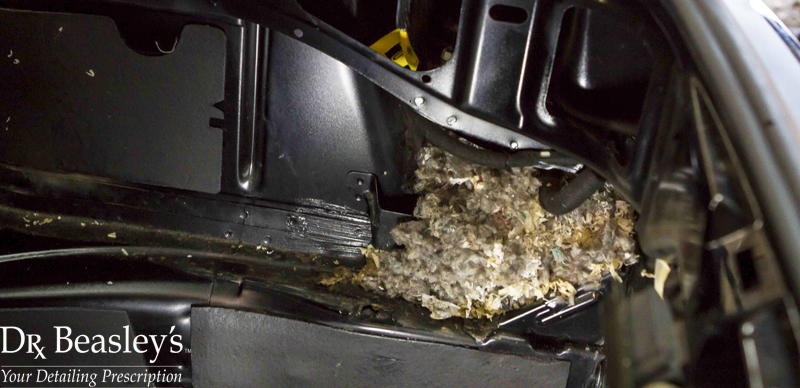
Image Source: www.drbeasleys.com
Why Mice Come Into Cars
Mice are small animals. They look for safe, warm places to live. Cars can be good homes for them, especially when the weather gets cold.
Cars offer mice shelter. They are protected from rain and snow. They are also safe from animals that hunt them.
Mice also look for food. They might find food bits left in the car. Seeds or other food could be in the engine area if the car sits near plants.
Sometimes, mice just want nesting material. They might bring leaves or other soft things inside the car.
Seeking Shelter
- Cold weather pushes mice inside.
- Cars offer a warm spot, especially the engine after driving.
- They look for dry places away from predators.
Searching for Food
- Food crumbs inside the car cabin.
- Bird seed or pet food stored near the car.
- Natural food sources shrinking outside.
Building Nests
- They like soft materials for nests.
- Car insulation can be used for nesting.
- Leaves, paper, or fabric might be carried in.
When a mouse gets into a car, it might make a nest. It might store food. It might even die there. If it dies in a hidden spot, it starts to rot. This causes a terrible smell.
Pinpointing Possible Mouse Hiding Spots
Mice can hide in many parts of a car. They are small and can squeeze into tight spaces. Knowing where they like to go helps you search.
They often go for places that are dark and protected. The engine area is a favorite spot. The car’s inside cabin is another place.
Here are common places mice hide:
Under the Car Hood
This is a very common place to find a mouse. The engine area is warm. It has many parts to hide behind. Wires and hoses offer cover. Air filter boxes are often used for nests.
- Near the battery.
- In the air filter box.
- Around the engine block.
- Under plastic covers.
- Near the car’s firewall (the wall between the engine and the inside).
- Checking under the hood is key for a smell under car hood. This area is likely where a dead animal car engine might be.
Inside the Car Cabin
Mice can get inside the car where people sit. They might come in through small openings. Once inside, they hide under seats or in storage areas.
- Under the front seats.
- Under the back seats.
- In the glove box.
- In the center console.
- Inside door panels.
- In the trunk area.
- Finding a rodent in car cabin can be hard as they hide well.
In the Ventilation System
The car’s air system has tubes and boxes. Mice can get into these parts. They might build nests there. A mouse dying in the air vents causes a very bad car ventilation smell or car AC bad odor.
- Inside the blower motor fan.
- In the air ducts.
- In the cabin air filter area.
- Near vents on the dashboard.
Knowing these spots helps you focus your search. The smell will likely be strongest near the mouse carcass vehicle.
Spotting Other Warning Signs
The bad smell is the main sign. But other things can show a mouse is or was in your car. Looking for these signs helps confirm you have a mouse problem.
Seeing Mouse Droppings
Mouse poop looks like small, dark pellets. It’s often found near where the mouse is nesting or traveling. Check flat surfaces in the engine bay or inside the car.
Finding Nesting Materials
Mice bring things into the car to build nests. This could be shredded paper, bits of fabric, leaves, or insulation material. You might find this stuff under the hood or inside the car.
Chewed Wires or Materials
Mice chew on things to keep their teeth sharp. They might chew on wires, hoses, or plastic parts. Chewed wires are a big problem. They can stop parts of the car from working. They can even cause fires.
Hearing Scratching Sounds
If the mouse is still alive, you might hear it. You could hear scratching or scurrying sounds. This is more likely at night when things are quiet.
Finding Tracks or Smudges
Mice are dusty. They might leave tiny footprints or smudges on dirty surfaces. Look in dusty spots under the hood or inside the car.
The Smell Gets Stronger
The rotten smell in car will likely get worse over time. It might also seem stronger when the car is warm or the air system is running. This helps you confirm it’s an animal and not something else.
If you see any of these signs, along with the bad smell, it’s very likely you have a mouse issue.
Staying Safe While Searching
Searching for a dead mouse means taking steps to stay safe. Mice and their droppings can carry germs. Also, cars have parts that can be hot or have sharp edges.
Always protect yourself.
Wear Gloves
Use strong gloves, like rubber or nitrile gloves. This protects your hands from dirt, grease, and germs.
Use a Mask
Wear a dust mask or a respirator. This stops you from breathing in dust or tiny particles that might have germs from mouse droppings or urine. Hantavirus is a serious illness linked to mouse waste.
Protect Your Eyes
Safety glasses or goggles keep dust and debris out of your eyes.
Work in a Well-Ventilated Area
Open the car doors and windows. Work outside if you can. Fresh air helps get rid of fumes and reduces the risk of breathing bad air.
Let the Car Cool Down
If you drove the car recently, let the engine cool completely before searching under the hood. Engine parts can be very hot and cause burns.
Be Careful of Sharp Parts
Cars have sharp edges and metal parts. Move slowly and carefully to avoid cuts.
Taking these safety steps helps you search without getting sick or hurt.
How To Find the Bad Smell In Your Car: A Step-By-Step Guide
Now comes the main task: finding the mouse. This needs time and patience. You will need a few tools.
Tools You Will Need
- Strong flashlight: To see in dark places.
- Gloves: For safety.
- Mask or respirator: For safety.
- Safety glasses: For safety.
- Small mirror (optional): To see around corners or tight spots.
- Coat hanger or flexible wire (optional): To gently probe hard-to-reach areas.
- Trash bag: To put the mouse carcass vehicle in.
- Paper towels or rags: For cleaning.
- Cleaning spray (with enzyme cleaner if possible): To clean the spot.
Here is a step-by-step process to find the mouse carcass vehicle:
Step 1: Confirm the Smell
First, be sure the smell is from a dead animal. It’s a strong, sweet, yet rotten smell. It’s very different from gas, oil, or burned rubber. If you’re unsure, ask someone else to smell it too.
Step 2: Try to Pinpoint the Area
Get in the car. Close the doors. Smell the air inside. Is the smell stronger near the dashboard? Under the seats? In the trunk? This helps you know if the mouse is inside the cabin or possibly in the air system.
Next, open the hood. Smell near the engine. Is the smell strong here? Check different parts under the hood. Does it seem to come from one side more than another? This helps narrow down the search area for the smell under car hood or dead animal car engine.
Step 3: Search Under the Hood First
This is a likely place for a mouse. Make sure the engine is cool. Put on your gloves, mask, and safety glasses.
- Use your flashlight. Look closely at everything.
- Check near the battery. Mice like this warm spot.
- Look inside the air filter box. Open it up if you can. Mice often nest here. This is a very common spot for a mouse carcass vehicle.
- Shine your light into all the little spaces. Look around the engine block, near hoses, belts, and wires. Look under plastic covers.
- Check near the firewall, where the engine area meets the car’s inside.
- Use the small mirror if you need to see into tight spots you can’t reach.
- Look for nesting materials like leaves or paper. This can show you where the mouse was staying.
- Follow your nose. The rotten smell in car will be strongest closest to the dead mouse.
Move parts carefully if you need to look underneath or behind them. Be gentle so you don’t break anything.
If you find nesting material but no mouse, search the area very closely. The mouse might be hidden under the nest.
Step 4: Search the Car Cabin
If the smell doesn’t seem to come from under the hood, search inside the car. Put on your safety gear.
- Start by smelling again inside the closed car to confirm the area.
- Look under the front seats. Move the seats all the way forward and all the way back. Shine your light under them.
- Check under the back seats. Many back seats can be tilted or removed. Look under them.
- Open the glove box and center console. Look inside.
- Check the trunk area. Lift the floor mat or carpet. Look in the spare tire well. Look behind side panels if you can easily access them.
- Look in the pockets on the back of the seats.
- Check around the pedals.
- Look in door pockets.
Again, follow the smell. Look for droppings or nesting materials. Finding these signs helps you know you are close to where the rodent in car cabin might be.
Step 5: Check the Air Ventilation System
If the smell seems strongest when the fan is on, the mouse might be in the air system. This causes the car AC bad odor or car ventilation smell. This can be harder to check yourself.
- Find where your car’s cabin air filter is located. This is often behind the glove box or under the dashboard. Check your car’s manual if you don’t know where it is.
- Access the cabin air filter. This is a common place for mice to nest or get stuck. Look carefully in the filter box.
- Shine your light into the air intake vent, usually located at the base of the windshield outside the car.
- Try running the fan on low with the doors open. Does the smell get stronger from certain vents? Try smelling each vent opening.
- Checking the blower motor fan area might need taking apart parts of the dashboard. This might be a job for a mechanic if you are not comfortable doing it.
Be very careful if you try to check inside the air ducts yourself. Do not stick anything far inside that could get stuck or break something.
Step 6: Remove the Mouse
When you find the dead mouse:
- Make sure you are wearing gloves and a mask.
- Carefully pick up the mouse carcass vehicle. Use paper towels or a small shovel if you don’t want to touch it directly through the glove.
- Put the dead mouse into a strong plastic trash bag. Tie the bag shut tightly. Put this bag into another bag and tie that one too. This double bagging helps stop the smell and germs from spreading.
- Look around the area where you found the mouse. There might be nesting material, droppings, or stored food. Remove all of this and put it in the double-bagged trash bag.
- Carefully check the immediate area again with your light to make sure you got everything.
Dispose of the trash bag right away in an outside garbage can.
Removing the Dead Mouse Carcass Vehicle
Finding the mouse is only the first part of removing dead mouse car. You also need to clean the area thoroughly. The mouse likely left behind fluids, fur, and droppings that carry germs and the strong smell.
Cleaning the Area
- After removing the carcass and nest material, the area needs cleaning.
- Use paper towels to wipe up any visible mess. Put the used towels in the sealed trash bag.
- Spray the area with a cleaning solution. An enzyme cleaner is best. These cleaners break down the organic matter that causes the smell and harbors bacteria. You can find enzyme cleaners for pet messes; they work well for mouse messes too.
- Follow the directions on the cleaner. You might need to let it soak for a few minutes.
- Scrub the area gently with a brush if needed.
- Wipe the area clean with more paper towels or rags.
For areas that are hard to reach or clean, like inside air ducts, you might need a different method. Sometimes, just letting the cleaner spray get into the area helps.
Dealing with Lingering Smells
Even after removing the mouse and cleaning, the rotten smell in car might linger for a while. The smell can get into the car’s fabric, carpet, and insulation.
- Ventilate the car: Leave doors and windows open for a few hours (or safely overnight in a garage). Fresh air helps a lot.
- Use a car deodorizer: Spray a car-specific deodorizer in the cabin and target the area where the mouse was found.
- Use baking soda: Sprinkle baking soda on carpets or fabric in the affected area. Let it sit for several hours or overnight. Baking soda absorbs smells. Vacuum it up afterward.
- Activated charcoal: Place bags of activated charcoal in the car. Charcoal is very good at absorbing odors from the air.
- Coffee grounds: Some people use bowls of dry coffee grounds to absorb smells, though this will leave a coffee smell instead.
- Ozone generator: For very bad smells, a professional cleaning service might use an ozone generator. This machine produces ozone gas that kills bacteria and removes odors. However, you cannot be in the car while it’s running, and the car needs to be aired out completely afterward.
Be patient. It might take a few days for the smell to completely go away, especially if the mouse was in the car for a long time or in a hard-to-clean spot.
Preventing Future Rodent Visitors
Once you’ve gone through the trouble of finding and removing dead mouse car, you don’t want it to happen again. Taking steps to keep mice out is important.
Seal Entry Points
Mice can get into cars through very small holes. Look for gaps or openings in the car’s body, especially near the bottom or in the engine bay.
- Check around wires or hoses that pass through the firewall.
- Look at rubber seals around doors or the trunk for damage.
- Use steel wool or wire mesh to plug small holes. Mice cannot chew through steel wool.
Make Your Car Less Inviting
Mice come to cars looking for food and shelter. Remove things that attract them.
- Clean the inside of your car regularly. Remove all food crumbs, wrappers, and drinks.
- Avoid eating in your car.
- Do not store pet food or bird seed in or near your car.
- Keep the area where you park clean. Clear away leaves, brush, or trash piles that mice could live in near your car.
- Trim bushes or trees that are close to where you park.
Use Repellents
Some smells repel mice. You can try placing these things in your car or around where you park.
- Peppermint oil: Soak cotton balls in peppermint oil and place them in areas mice might enter (engine bay corners, under seats). Replace them often as the smell fades.
- Mothballs: Some people use mothballs, but their smell is strong and can be toxic. Use with caution and avoid putting them inside the cabin where you breathe the air.
- Electronic repellents: These devices make sounds that are supposed to bother rodents. Their effectiveness can vary.
Drive Your Car Regularly
Cars that sit for a long time are more likely to get mice. Driving the car shakes things up and makes it a less stable home. The heat from the engine can also make it less comfortable for them over time.
Use Mouse Traps (Caution Advised)
If you have a big mouse problem where you park, you might use traps nearby. Do not place poison baits where pets or children can get them. Be careful using traps directly inside the car as they could trigger while you are driving or be hard to retrieve.
Preventing them from getting in is the best way to avoid a mouse carcass vehicle problem in the future.
When To Call a Professional
Sometimes, the job of finding and removing dead mouse car is too difficult or unpleasant to do yourself. You might need help from a professional.
Hard-to-Reach Locations
If the smell is clearly coming from a spot you cannot access, like deep inside the dashboard or air vents, a mechanic or a car detailer might be needed. They have tools and knowledge to safely take apart car panels to find the source of the car ventilation smell or car AC bad odor.
Allergy or Health Concerns
If you have allergies or health conditions that make it risky to deal with dust, animal waste, or strong smells, it’s better to let a professional handle it.
Fear or Discomfort
It is okay if you are not comfortable handling a dead animal. Professional cleaning or pest control services can do it for you.
If You Suspect a Bigger Problem
If you find many mice or signs of serious damage (like lots of chewed wires), you might have a larger infestation problem. A pest control expert can help deal with the source of the mice problem where you live or park.
Lingering Strong Smell
If you have removed what you think is the mouse and cleaned, but the car smells like death days or weeks later, there might be another mouse, or the smell is deeply set in the car’s materials. A professional detailer specializing in odor removal might be able to help.
Using a professional service can save you time and hassle and ensure the job is done safely and completely.
Frequently Asked Questions (FAQ)
Here are answers to common questions about bad car smells from dead mice.
H3: How long does the smell of a dead mouse last in a car?
The smell can last for several days to several weeks. It depends on the size of the mouse, the temperature (warmer makes it worse), and how well you can clean the area after removing it. Airing out the car and using odor absorbers helps shorten the time.
H3: Can a dead mouse damage my car?
Yes. Mice can damage your car before they die by chewing on wires, insulation, or hoses. This can cause electrical problems, engine issues, or damage the air conditioning system.
H3: Is the smell of a dead mouse dangerous?
The smell itself isn’t usually dangerous. However, mouse droppings and urine can carry diseases like Hantavirus. This is why it’s important to wear gloves and a mask when searching and cleaning and to ventilate the area well.
H3: What is the fastest way to get rid of dead mouse smell in a car?
The fastest way is to find and remove the mouse carcass vehicle and all nesting material immediately. Then, thoroughly clean the spot with an enzyme cleaner. After that, use methods like airing out the car, baking soda, or activated charcoal to absorb remaining smells.
H3: Can I use air fresheners to cover the smell?
Air fresheners might hide the smell for a short time, but they don’t get rid of the source. The bad smell will likely come back. It’s best to find and remove the mouse and clean the area first.
H3: What does a mouse nest in a car look like?
A mouse nest is usually a ball of soft materials like shredded paper, fabric bits, leaves, insulation, or cotton. It’s often hidden in a protected spot like an air filter box, under seats, or in a dashboard cavity.
H3: Could the smell be something other than a dead mouse?
Yes, other things can cause bad smells in a car. These include mold, mildew, spilled food or drinks, gas leaks, or other mechanical issues. However, a strong car smells like death or rotten smell in car is very often a sign of a dead animal. If you cannot find a mouse, consider having a mechanic check for other problems.
Finding a dead mouse in your car is not fun. But by carefully searching the likely spots and taking steps to clean and prevent future visits, you can get your car smelling fresh again.