Can you still drive a totaled car? Most times, no, you cannot drive it right away. What happens when a car is totaled? This means your insurance company thinks fixing it costs too much compared to what it was worth before something happened, like a crash. They usually pay you its value before the damage. Then, they own the car. Driving it like it is usually against the law and very unsafe. You must know the rules and steps if you want to use it again.
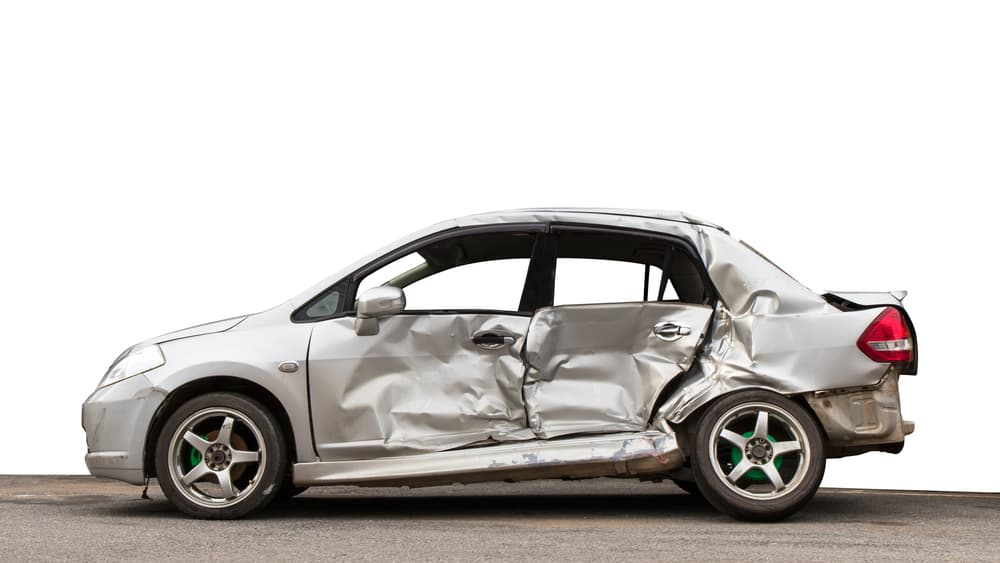
Image Source: 23b2c574.rocketcdn.me
What It Means When a Car is Totaled
Let’s first look at what ‘totaled’ really means for a car.
Decoding the Total Loss Status
When an insurance company says your car is “totaled,” it does not always mean it is smashed into tiny pieces. It means the cost to repair the damage is more than a certain amount compared to the car’s value before the damage. This is often called a “total loss” or a “write-off.” The car write-off definition is when the repair cost hits a certain point. This point is set by your state’s rules or your insurance company’s own policy.
How They Figure Out If a Car is Totaled
Insurance companies look at a few things to decide if a car is totaled:
- The car’s value before the damage: They check market prices for similar cars.
- The estimated cost to fix the car: They get quotes from repair shops.
- Salvage value: This is how much they can sell the damaged car for, maybe for parts or scrap metal.
They use a simple idea: If the cost to fix it, plus its leftover value, is more than its value before the damage, they might call it a total loss. Some states have a set rule, like if repairs cost 70% of the car’s value, it’s totaled. Other states let the insurance company decide based on if fixing it makes money sense.
The Immediate Steps After Your Car is Totaled
When your car is declared a total loss, your insurance company starts a process.
The Insurance Company’s Role
Your insurance company will tell you the car is totaled. They will offer you a payout. This money is supposed to be the car’s actual value right before the damage happened. This is part of your insurance coverage on a totaled car. Once you take the money, the insurance company usually takes ownership of the damaged car.
Your Choices After Total Loss
You have a few options when your insurance company totals your car:
- Take the payout and let the insurance company have the car: This is the most common choice. They handle selling the car for salvage.
- Take a smaller payout and keep the damaged car: This is possible. The insurance company will subtract the car’s salvage value from your payout amount. Can you keep your car after it’s totaled? Yes, you often can, but the insurance company adjusts the money they give you.
What Happens to the Car’s Title
If you choose to keep the totaled car, its title changes. This is a big step with important effects.
Figuring out Salvage Title Implications
When you keep a totaled car, the state issues it a salvage title. This title is different from a regular clear title. It shows everyone that the car was damaged so badly that the insurance company decided not to fix it. A salvage title means the car is not legal to drive on the road yet.
What a Salvage Title Shows
A salvage title is like a warning label for a car. It tells future buyers or mechanics that the car had major damage. This could be from an accident, flood, fire, or other bad event. It makes the car’s value much, much lower.
Driving a Totaled Car Legality
Here is where the question of driving gets a direct answer. Is driving a totaled car legal?
The Rules About Driving a Totaled Car
In almost every state, it is illegal to drive a car with a salvage title on public roads. This is because the car is seen as unsafe until it is properly fixed and checked. Driving a totaled car legality is very strict. You cannot just fix it up yourself and start driving. It needs official approval.
Why It Is Against the Law
The main reasons driving a totaled car is illegal are:
- Safety: The damage that caused it to be totaled might have hurt important safety parts of the car, like the frame, airbags, or brakes. These might not be fixed yet. Is a totaled car safe to drive? Probably not, until it is fixed by experts and checked.
- Registration Issues: A car with a salvage title cannot be registered like a normal car. No registration means you cannot legally drive it.
- Insurance Problems: You usually cannot get standard car insurance for a car with a salvage title. No insurance also means you cannot drive it legally.
Making a Totaled Car Road Legal Again
If you kept your totaled car and want to drive it, you must follow a specific path to make it road legal after total loss. This path takes time, effort, and money.
The Path to a Rebuilt Title
Turning a salvage title car into one you can drive legally involves these general steps:
- Repair the Damage: You must fix the car completely. This means fixing all the damage that caused it to be totaled. Repairing a totaled vehicle costs can be very high. Even if you do the work yourself, the parts alone can add up fast. It is often more expensive than the car was worth before the damage.
- Keep Records: You need to keep every receipt for every part you buy and every repair you do. This is very important.
- Get an Inspection: The state requires a special inspection. They check that the car has been fixed the right way and is safe. They also check that the parts used were not stolen. They will look at your repair receipts.
- Apply for a Rebuilt Title: If the car passes the inspection, you can apply for a rebuilt title (sometimes called “salvage rebuilt” or similar). This new title shows that the car was once totaled but has been fixed and passed inspection.
The Inspection Process
The inspection for a rebuilt title is serious. It is not just a quick look. Inspectors check things like:
- The main structure and frame of the car.
- Safety features like airbags, seat belts, and brakes.
- Lights, turn signals, and horn.
- That the Vehicle Identification Number (VIN) and part numbers match your receipts.
- That all repairs meet safety standards.
Passing this inspection is key to getting the rebuilt title and making the car road legal after total loss.
Is a Totaled Car Safe to Drive?
This is a crucial question beyond just the legal rules.
Safety Concerns with Totaled Cars
The damage that leads to a car being totaled is often major. It can affect the car’s core safety systems. Is a totaled car safe to drive before proper, certified repairs and inspection? Almost certainly not.
Damage might include:
- Frame damage: The car’s basic structure can be bent or weakened. This makes it less able to protect you in a future crash.
- Airbag systems: Sensors or airbags might be damaged or not working right.
- Brake or steering issues: Damage could affect how the car stops or steers.
- Electrical problems: Modern cars have complex wiring. Damage can cause hidden electrical faults.
Even if a totaled car looks okay on the outside after a quick fix, hidden damage could make it very unsafe. This is why the state wants it checked thoroughly.
The Value of a Totaled Car
A car’s value drops hugely once it is declared a total loss.
How Total Loss Affects Worth
The value of a totaled car is much lower than its market value before the damage. Even after it is fixed and gets a rebuilt title, its value is still much less than a similar car with a clear title. This is one of the big salvage title implications.
Value with Different Titles
- Totaled Car (with Salvage Title): This car is worth only its salvage value. This is usually just a small part of its pre-damage value. It is worth something mainly for its parts or as scrap metal.
- Car with a Rebuilt Title: This car is worth more than one with just a salvage title. But it is still worth maybe 20% to 50% less than a car with a clean history and a clear title. The rebuilt title forever marks its history of major damage. The value of a totaled car changes greatly depending on its title status.
Getting Insurance After Total Loss
Getting insurance for a car that was totaled is hard and often costly.
Challenges with Rebuilt Title Cars
Most major insurance companies do not want to fully insure cars with rebuilt titles. They see them as higher risk because of the past damage.
- Limited Coverage: You might only be able to get liability insurance. This coverage pays for damage you cause to other people or cars, but not for damage to your car. Getting full coverage (collision and comprehensive), which pays for damage to your car, is very difficult or impossible for a rebuilt title car.
- Higher Costs: If you do find a company that offers coverage, the price will likely be higher.
This is a key point about insurance coverage on a totaled car after you decide to keep it and rebuild it. Your old policy ends when the car is totaled.
State Rules Vary
It is important to know that the exact rules for total loss, salvage titles, repairs, and inspections are different in every state.
Why State Laws Matter
Each state sets its own rules for:
- What percentage of damage makes a car totaled (total loss threshold).
- The process for getting a salvage title.
- The steps and requirements for getting a rebuilt title.
- The type of inspection needed.
Before you decide to keep and fix a totaled car, you must check the specific laws in your state. What is road legal after total loss in one state might be different in another.
Thinking About Repairing a Totaled Vehicle Costs
Let’s talk more about the cost of fixing a totaled car.
The Real Price Tag
Repairing a totaled vehicle costs are often why the insurance company called it a total loss in the first place. The estimate was high. Fixing it correctly to pass a state inspection can be even more expensive than the estimate.
Think about these costs:
- Parts: You might need major parts like frame sections, suspension parts, airbags, or engine components. These can be expensive, especially new ones. You need receipts for everything for the inspection.
- Labor: If you do not fix it yourself, labor costs at a repair shop add up fast. Fixing structural damage needs special tools and skills.
- Hidden Damage: Often, after you start fixing the obvious damage, you find more problems you did not see at first. This adds to the cost and time.
- Inspection Fees: The state charges money for the inspection to get a rebuilt title.
Often, the total cost of buying the car back from the insurance company (they subtract its salvage value from your payout) plus the repair costs plus the inspection fees add up to more than buying a similar car that was never totaled and has a clean title.
Other Things to Consider
Beyond the legal and cost issues, there are other points about having a totaled car.
Time and Effort
Fixing a totaled car takes a lot of time and work. Finding parts, doing the repairs, getting ready for the inspection, and dealing with the state rules is a long process.
Selling Issues
If you fix a totaled car and get a rebuilt title, selling it later can be hard. Many buyers avoid cars with rebuilt titles because they worry about hidden problems or safety. The value is much lower, and it limits your pool of potential buyers.
Summing It Up: Can You Drive A Totaled Car?
To bring it all together:
- A totaled car is one the insurance company thinks costs too much to fix compared to its worth. This is the car write-off definition.
- What happens when a car is totaled is that the insurance company usually pays you the value and takes the car.
- Can you keep your car after it’s totaled? Yes, but you get a smaller payout.
- If you keep it, it gets a salvage title.
- Driving a totaled car legality means you cannot drive it on public roads with a salvage title. It’s illegal and unsafe. Is a totaled car safe to drive in this state? No.
- To make it road legal after total loss, you must fix it completely (consider the repairing a totaled vehicle costs), keep all receipts, and pass a strict state inspection.
- If it passes, you get a rebuilt title.
- Salvage title implications and rebuilt title implications include much lower value (the value of a totaled car drops sharply) and difficulty getting full insurance coverage on a totaled car (or rather, on a car after it was totaled).
In short, you generally cannot drive a totaled car until it has been properly fixed, inspected by the state, and given a rebuilt title. This is a big project with costs, legal steps, and lasting effects on the car’s worth and insurance.
Frequently Asked Questions
h4 What does “total loss threshold” mean?
This is the point where an insurance company decides fixing a car costs too much. It is often a percentage of the car’s value before the damage. If the repair cost goes over this limit, the car is totaled.
h4 Is a car with a rebuilt title as good as one with a clean title?
Usually, no. Even after being fixed and inspected, a car with a rebuilt title has a history of major damage. This can affect its safety, how long it lasts, and definitely its market value.
h4 Can I get full coverage insurance on a car with a rebuilt title?
It is very hard. Most big insurance companies will only offer liability coverage for cars with rebuilt titles. Full coverage (for damage to your car) is often not available because of the risk.
h4 How much does repairing a totaled car usually cost?
It varies a lot based on the damage, the car type, and who does the work. But because the insurance company already thought the repair cost was high enough to total the car, fixing it correctly to pass inspection often costs thousands of dollars, sometimes more than the car would be worth with a clean title.
h4 Can I sell a car with a salvage title?
Yes, you can sell it, but not usually to drive on the road. You would sell it “as-is” to someone who wants it for parts, scrap metal, or possibly to fix and get a rebuilt title themselves. The value of a totaled car with a salvage title is very low.