Can you get a car wash after tinting windows? No, not right away. You must wait for a set period after your window tint installation before washing your car. This waiting time lets the film dry and stick correctly to the glass. This drying and sticking is called the curing process for window tint. Skipping this wait can harm your new tint. You need to give the film time to bond well to the window.
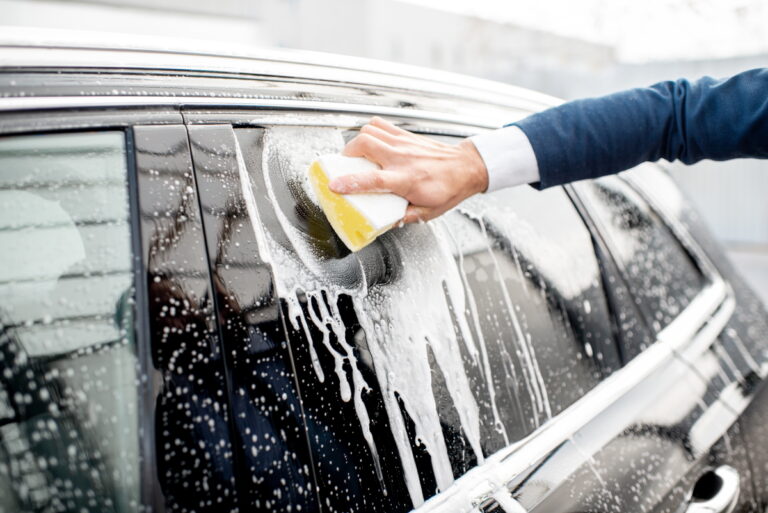
Image Source: qualityautoglasstint.com
Why You Need to Wait
When tint is put on car windows, the installer uses a liquid solution. This helps them move the film and get it just right on the glass. After the film is in place, they squeeze out as much of this liquid as possible. But some water always stays trapped between the film and the glass. This water needs time to dry out. This is the most important part of the window tint drying time. Until this water is gone and the glue is fully stuck, the film is not stable. It can easily be moved or damaged.
The Science Behind It: Proper Window Film Curing
Tint film has a strong glue on one side. This glue sticks the film to the glass. When the film is put on, water is used. This water lets the installer slide the film around. Think of it like a sticker you can move before it gets really sticky. Once the film is in the right spot, the water is pushed out. But some water is left. The glue starts to work as this water goes away. The glue forms a strong bond with the glass. This bonding is called curing.
The curing process for window tint isn’t just about drying. It’s about the glue changing from a soft state to a hard, strong state. This takes time. It needs the water to leave completely. Heat helps this process. Cold slows it down. Sunlight helps make the water disappear faster. When the tint is fully cured, the glue is fully bonded. The film is then very hard to move or lift from the edge.
Window Tint Drying Time Explained
The window tint drying time starts the moment the installer finishes the job. For the first few hours, the film is very fragile. You might see cloudy spots or small bubbles. This is just leftover water. It is normal. Do not poke them. These spots and bubbles should shrink and go away as the water dries. The drying time depends on a few things. Weather is a big one.
In warm, sunny weather, the water dries faster. In cold, cloudy weather, it dries much slower. The type of tint film used can also matter a little. High-quality films often cure well, but they still need the necessary time. How much water was left under the film also plays a role. A good installer removes most of the water. But some will always remain. You must let nature take its course for the rest of the window tint drying time.
How Long Should You Really Wait?
This is the most common question people ask. How long to wait after tinting windows before doing certain things, like washing the car? The answer is not an exact number of hours or even always days. It’s about letting the film get strong enough. Most tint shops will give you a specific time frame. This is their advice based on their experience and the film they use.
Minimum Waiting Period
Most experts agree you need to wait at least three full days. This is often the very minimum. In some cases, especially with certain films or in perfect warm, sunny weather, three days might be enough for basic care. However, many installers recommend waiting longer. Waiting a full week is often better. This gives the film more time to stick well. So, a safe answer for how long to wait after tinting windows is usually 3 to 7 days. When can I wash car after tint? Wait at least three days, but waiting a week is safer. This is critical for proper window film curing.
Factors Affecting the Wait Time
Several things change how long you need to wait.
* Weather: This is the biggest factor.
* Hot and Sunny: Curing is faster. Three days might be enough.
* Cold or Cloudy: Curing is much slower. You might need to wait a week or even longer, maybe 10 days. If it is cold, try to park your car in the sun during the day. This helps a lot.
* Humidity: High humidity can also slow down drying.
* Type of Film: Different films can have slight differences in how their glue cures. Follow the tint shop’s advice for the film they used.
* Amount of Water Left: A really good installation job removes most of the water. Less water means faster drying. But you can’t really know how much water is left. So, follow the standard waiting times.
* Your Patience Level: Waiting is key. Rushing it is the easiest way to cause problems.
Always ask your installer for their specific recommendation. They know the film they used and the local weather. Their advice on how long to wait after tinting windows is your best guide. This is crucial for successful window tint drying time and proper window film curing.
What Happens If You Wash Too Soon?
Washing your car before the tint is fully dry and cured is risky. The film is still soft and the glue is not fully set. Water pressure, brushes, or even just wiping can easily damage the film.
Risks to the Film
Putting any kind of force on the tint too soon can cause problems.
* Lifting Edges: The edges of the tint are the most fragile part during curing. If water pressure gets under an edge, or if a brush catches it, the film can lift away from the glass. Once an edge lifts, it’s very hard to get it to stick back down smoothly. This often means the tint needs to be redone on that window.
* Moving the Film: If the glue isn’t set, strong water or wiping can shift the film slightly. This can lead to wrinkles or areas where the film doesn’t cover the glass perfectly.
* Scratches: The surface of new tint film is softer than glass. Automatic car washes with brushes can easily scratch the film before it’s fully cured and tough. Even hand washing with a dirty cloth can cause scratches.
* Glue Problems: If the film is disturbed while the glue is trying to bond, the glue might not stick correctly in certain spots. This can lead to permanent issues.
What Causes Bubbles After Washing Tinted Windows?
Seeing small bubbles or a cloudy look right after tinting is normal. This is just water drying out. These should go away over the curing process for window tint. However, bubbles after washing tinted windows too soon are a different issue. If you wash your car and then see new bubbles appear, or if existing small bubbles get bigger, it means you likely washed too early.
Washing too soon can force water back under the edges of the film. Or the pressure can disturb the film causing air pockets. Once water or air gets trapped under the film because the glue wasn’t fully bonded, these areas often don’t cure properly. The film lifts in those spots. These kinds of bubbles usually do not go away on their own. They are a sign of damage. This is why proper window film curing is so important before any washing. Waiting the recommended how long to wait after tinting windows helps avoid this problem.
Picking the Right Car Wash Method
Once the waiting period is over and your tint is fully cured, you can wash your car. But not all car washes are equal when you have tinted windows. Some methods are much safer than others.
Automatic Car Wash Safety After Tint (Generally Avoid)
Even after your tint has fully cured (which takes days, maybe a week or more depending on conditions), automatic car washes are often not the best choice. This is especially true for brush-style automatic car washes.
* Brush Washes: The large spinning brushes can be rough. They can scratch the tint film’s surface over time. They can also catch on the edges of the tint, especially if the installation wasn’t perfect. This can lead to peeling or lifting. Even after the window tint drying time is long past, the friction from brushes can be harmful.
* Touchless Washes: These use high-pressure water and strong chemicals instead of brushes. They might seem safer because nothing touches your car. However, the high-pressure water sprays can still be a problem. They can potentially lift the edges of the film, especially around the borders of the windows. If you use a touchless wash, make sure the tint is fully cured (wait the full 7 days or more). But even then, it’s riskier than hand washing.
* Strong Chemicals: Automatic washes, both brush and touchless, often use harsh chemicals. These chemicals can be bad for the tint film over time. They can make the film fade or change color. They can also dry out the top layer of the film, making it brittle.
So, while you might get away with a touchless wash after the full curing process for window tint is complete (like 7+ days), most experts advise against automatic car washes altogether if you want your tint to last and look good. Automatic car wash safety after tint is low compared to hand washing.
Hand Washing Tinted Windows (The Better Choice)
Hand washing is the safest way to clean your car after tinting windows. It gives you control over what touches your car and how much pressure is used. This is true both right after the waiting period and for long-term window tint care tips.
Gentle Techniques
- Wait Long Enough: First and foremost, make sure the window tint drying time is over and proper window film curing has happened. Wait at least 3-7 days, preferably the full 7 days or more, before hand washing. This answers when can I wash car after tint using the hand method.
- Use Plenty of Water: Rinse the car well first to remove loose dirt and grit. This helps prevent scratches while washing.
- Wash From Top Down: This lets dirty water run off areas you haven’t washed yet.
- Use a Soft Wash Mitt: Microfiber or lambswool wash mitts are gentle. Avoid sponges which can trap dirt.
- Gentle Pressure: Do not scrub the windows hard. Use light, smooth strokes.
- Pay Attention to Edges: Be extra careful around the edges of the tint. Do not use strong pressure near the edges. Do not try to lift or pick at the edges with your fingernail or cloth.
- Rinse Well: Make sure all soap is rinsed off the windows and film.
Right Cleaning Supplies
Using the right cleaning products is part of good window tint care tips.
* Car Wash Soap: Use a car wash soap that is made for cars. Mild soaps are best.
* Avoid Harsh Chemicals: Do NOT use cleaners with ammonia. Ammonia is very bad for window tint. It can break down the film’s glue and even damage the film itself, making it turn purple, bubble, or peel. Many common glass cleaners have ammonia. Read labels carefully.
* Tint-Safe Cleaners: There are glass cleaners made specifically for tinted windows. These are the safest choice. They are ammonia-free.
* Soft Drying Cloths: Use clean, soft microfiber towels to dry the windows. Do not use paper towels, as they can scratch the film. Use gentle wiping motions.
Hand washing tinted windows with the right tools and techniques protects your investment. It helps ensure your tint stays looking great for many years.
Proper Window Film Curing: What to Expect
Knowing what to expect during the curing process for window tint can ease your mind. It also helps you know when it’s safe to wash your car.
Signs of Proper Curing
As the window tint drying time passes, you should see changes.
* Cloudiness Disappears: The hazy or cloudy look will start to fade. This shows the water is evaporating.
* Bubbles Shrink: Small water bubbles should get smaller and smaller. They should disappear completely when the curing is done.
* Film Looks Clear: When fully cured, the film should look smooth and clear, like it’s part of the glass.
* Edges Feel Firm: The edges of the film should feel stuck down tightly to the glass. You should not be able to easily lift them.
The speed at which these things happen depends heavily on the weather. In hot sun, you might see big changes quickly. In cold shade, it will be very slow. Be patient. This is a natural process that cannot be rushed without risk. This is why waiting the full recommended time for how long to wait after tinting windows is necessary before car wash after window tint installation.
Normal vs. Problematic Bubbles
It’s important to know the difference between normal bubbles during curing and problematic bubbles.
* Normal Bubbles: These are small, often many of them, and look like tiny water droplets under the film. They will shrink and vanish completely during the window tint drying time as the water evaporates.
* Problematic Bubbles: These are often larger, or appear after the initial few days of drying. Bubbles after washing tinted windows are often problematic bubbles. They look like air pockets where the film is not stuck to the glass. If these don’t shrink or go away after the recommended curing time (like a week or more), or if they appear after you’ve waited and washed, they are likely a defect or damage. This could be from washing too soon, poor installation, or a problem with the film itself. If you see problematic bubbles, contact your tint installer.
Window Tint Care Tips for Long Life
Beyond waiting to wash the first time, proper window tint care tips help keep your tint looking new for years. Following these tips extends the life and look of your investment.
Cleaning the Inside
You’ll need to clean the inside of your windows too. This is where you mostly interact with the tint film itself.
* Wait Even Longer for Inside: Some installers recommend waiting even longer to clean the inside of the tinted windows compared to the outside wash. Maybe wait 10-14 days for the inside. This ensures the film is really well stuck before you touch it directly.
* Use a Soft Cloth: A clean microfiber cloth is best.
* Use Tint-Safe Cleaner: Never use ammonia-based glass cleaners on the inside. Use a cleaner made specifically for tinted windows, or simply use water with a tiny bit of very mild soap. Spray the cleaner onto the cloth, not directly onto the window. This stops liquid from getting under the film’s edges.
* Gentle Wiping: Wipe the window gently. Do not press hard. Use smooth, even strokes. Clean in the direction of the film edges (usually side-to-side for side windows, up-and-down for back windows).
Cleaning the Outside
For the outside of the tinted windows, follow the general hand washing tinted windows advice.
* Use Car Wash Soap: A standard car wash soap is fine for the outside when washing the whole car.
* Avoid Harsh Scrubbing: Be gentle on the windows.
* Rinse Well: Ensure all soap is removed.
* Dry with Microfiber: Gently dry the windows with a clean, soft microfiber towel.
What NOT to Use
To practice good window tint care tips, avoid certain things.
* Ammonia Cleaners: We’ve said it before, but it’s worth repeating. Ammonia is the enemy of window tint. Check labels on all glass cleaners, all-purpose cleaners, and even some interior detailers.
* Rough Cloths or Paper Towels: These can scratch the tint.
* Scrapers or Blades: Never use anything sharp on your tinted windows. This includes scraping off stickers or ice. Be very careful if you use an ice scraper on the outside of the glass; do not let it touch the tint edge.
* Abrasive Cleaners: Do not use scrubbing pads or cleaners with grit.
* Products with Solvents: Avoid cleaners with strong solvents like acetone or paint thinner.
* Automatic Car Washes with Brushes: As discussed, automatic car wash safety after tint is poor for brush washes.
By being mindful of what you use and how you clean, you can keep your tint looking clear, vibrant, and bubble-free for its expected lifespan. This attention to detail is key to proper window film curing and ongoing care.
Summarizing When Can I Wash Car After Tint
Let’s quickly review the main points about car wash after window tint installation.
* Direct Answer: You cannot wash your car right away after getting window tint.
* The Reason: Water is trapped under the film. The glue needs to dry and stick (curing process for window tint). This is the window tint drying time.
* Minimum Wait: Wait at least 3 days.
* Recommended Wait: Wait 7 days for best results and proper window film curing.
* Factors: Cold/cloudy weather needs longer waiting time. Hot/sunny weather may allow for a shorter wait, but 7 days is still safest.
* Risks of Washing Too Soon: Lifting edges, film moving, scratches, problematic bubbles after washing tinted windows.
* Safest Method: Hand washing tinted windows is best. Use mild soap and soft cloths. Avoid edges.
* Riskiest Method: Automatic car wash safety after tint is low. Avoid brush washes always. Be cautious even with touchless washes.
* Inside Cleaning: Wait even longer, perhaps 10-14 days, before cleaning the inside of the tinted window. Use ammonia-free cleaner on a cloth.
* Long-Term Care: Always use ammonia-free cleaners and soft cloths for cleaning the tint.
| Task | Time After Tinting | Notes |
|---|---|---|
| Roll Down Windows | Usually 24-72 hours (Ask Installer) | Varies greatly, follow shop’s advice |
| First Outer Car Wash | Minimum 3 days, Safest 7+ days | Hand wash recommended |
| Use Automatic Car Wash | Avoid, even after curing | High pressure & brushes can cause damage |
| First Inner Tint Clean | 10-14 days recommended | Use ammonia-free cleaner & soft cloth |
| Address Normal Bubbles | Wait for curing (days to a week) | They should disappear on their own |
| Address Problem Bubbles | Contact Installer | If large, persistent, or appear after wash |
Following these guidelines ensures the window tint drying time is complete and the curing process for window tint finishes correctly. This helps prevent bubbles after washing tinted windows and protects your film. Knowing how long to wait after tinting windows and when can I wash car after tint properly saves you headaches and extra costs down the road.
Common Questions (FAQ)
Here are answers to questions people often have about car wash after window tint installation.
Q: My tint installer said I only need to wait 3 days. Is that okay?
A: Yes, follow your installer’s advice. Three days is often the minimum for the window tint drying time. But if you can wait longer, like a full week, it provides an extra layer of safety for proper window film curing before the car wash after window tint installation. If the weather is cold or cloudy, waiting longer than 3 days is strongly recommended.
Q: I see small bubbles under my new tint. Is this bad?
A: Small, cloudy spots or tiny water bubbles are normal right after installation. This is the water used during fitting. They should disappear as the film dries and cures over the recommended how long to wait after tinting windows. If they are large, or don’t go away after a week or two, contact your installer. Bubbles after washing tinted windows that appear after the waiting period can be a problem.
Q: Can I use Windex to clean the inside of my tinted windows?
A: No! Most Windex products contain ammonia. Ammonia is very harmful to window tint film. It can cause it to bubble, peel, fade, and turn purple. Always use an ammonia-free glass cleaner, ideally one made specifically for tinted windows, or just water and a mild soap.
Q: How soon can I roll my windows down after tinting?
A: This is also something you cannot do right away. The top edge of the tint is exposed where the window goes into the seal. Rolling it down before the tint is stuck can cause the film to peel right off. Most installers say wait at least 24-72 hours, but it depends on the film and weather. Always ask your installer for their specific rule on this. Just like with washing, waiting longer is safer.
Q: I accidentally got my new tint wet during the waiting period. What should I do?
A: A light splash or a tiny bit of rain might not be a disaster, but if the windows got soaked or were exposed to pressure (like from a hose), you might have problems. Check the tint after it dries naturally. If you see lifting edges or new, large bubbles that don’t disappear, contact your installer. Do not try to fix it yourself.
Q: Is car wash after window tint installation ever safe in an automatic wash?
A: As discussed, automatic car wash safety after tint is questionable even after curing. Brush washes are generally a bad idea due to scratching and catching edges. Touchless washes are less risky but the high pressure can still potentially lift edges. Hand washing tinted windows is the safest way to go for the long life of your tint.
Q: How long does the curing process for window tint actually take until it’s fully hardened?
A: While the film may look dry and the water bubbles gone after about a week, the full chemical bonding process can take longer. However, for practical purposes like washing, waiting the 7 days is usually enough for the film to be stable. Full hardness might take a few weeks, but the main bond is set within that first week if conditions are right. Proper window film curing is key before testing its strength.
Q: Can I clean my car’s paint while the tint is still curing?
A: Yes, you can wash the body of your car. Just be extremely careful not to get the newly tinted windows wet or spray them with any cleaners or high-pressure water during the crucial window tint drying time. Focus only on the paint and wheels. This way, you can still have a clean car while waiting for the tint to be ready for its first wash.
By following these window tint care tips and respecting the necessary waiting period, your car wash after window tint installation will be safe and your tint will look great for years to come. Knowing how long to wait after tinting windows and allowing for proper window film curing prevents common issues like bubbles after washing tinted windows and peeling.