No, you generally should not drive your car with a check engine light on, especially if it is flashing, as it indicates a potential problem that could worsen and cause more significant damage if ignored. If the check engine light is on but your car runs fine, it’s a less urgent situation, but still warrants immediate attention.
The check engine light is your car’s way of telling you something is wrong. It’s a signal from the onboard diagnostic system (OBD-II) that monitors various engine and emission control systems. While the impulse might be to ignore it, especially if your car seems to be running okay, driving with a check engine light on for a long time can lead to serious, costly repairs.
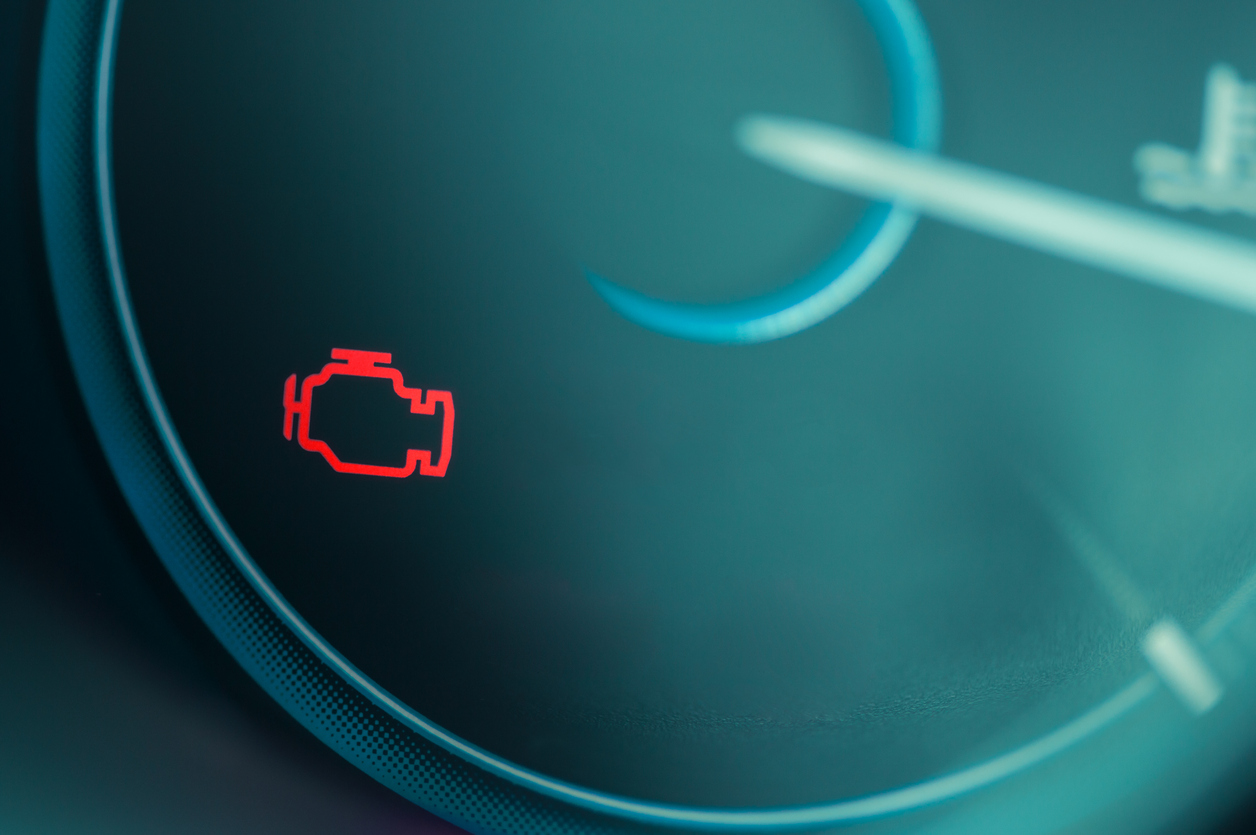
Image Source: vatire.com
Deciphering the Check Engine Light
The check engine light meaning can range from a minor issue, like a loose gas cap, to a more severe problem affecting your engine or emissions system. It’s designed to alert you to a malfunction before it becomes a major catastrophe. Ignoring it is like ignoring a doctor’s warning about your health – it rarely ends well.
When the Check Engine Light Comes On but the Car Runs Fine
It’s common for drivers to see the check engine light on but car runs fine. This often means the issue is not immediately impacting the car’s drivability. However, this doesn’t mean there isn’t a problem.
- Minor Emission Issues: Many times, a loose gas cap is the culprit. When the cap isn’t tightened properly, it allows fuel vapors to escape, triggering the check engine light. This is a simple fix: just ensure your gas cap is screwed on until it clicks.
- O2 Sensor Malfunction: Oxygen sensors measure the amount of oxygen in your exhaust. If one fails, it can lead to poor fuel economy and increased emissions, but your car might still drive normally.
- Catalytic Converter Problems: While a failing catalytic converter can cause significant performance issues, sometimes it starts to fail gradually, and you might not notice a difference in driving.
Even if your car feels normal, these issues can affect your car’s efficiency and contribute to pollution.
Driving With Check Engine Light Flashing: A Critical Warning
If your check engine light flashing, this is a much more serious situation. A flashing light usually indicates a severe misfire in the engine.
- Misfiring Cylinders: When an engine cylinder misfires, it means it’s not burning fuel correctly. This can send unburned fuel into the exhaust system.
- Catalytic Converter Damage: Unburned fuel can overheat and damage your catalytic converter, a very expensive part to replace.
- Engine Damage: Continued driving with a flashing check engine light can lead to significant internal engine damage, potentially costing thousands to repair.
If your check engine light is flashing, pull over as soon as it is safe to do so and turn off the engine. Continuing to drive could cause irreparable harm.
What to Do When Check Engine Light Comes On
The first step when the check engine light comes on is not to panic, but to take action.
Initial Steps: The Quick Checks
- Check the Gas Cap: This is the easiest and most common fix. Pull over safely, turn off the engine, and make sure your gas cap is tightened properly. Drive for a bit, and the light might turn off on its own.
- Note Any Changes: Pay attention to how your car is driving. Are there any unusual noises? Is the engine sputtering? Is there a loss of power? Any changes in fuel economy? This information will be helpful for diagnosis.
Diagnostic Procedures: Getting to the Root of the Problem
If tightening the gas cap doesn’t resolve the issue, it’s time for a check engine light diagnostic.
- OBD-II Scanner: You can purchase an OBD-II scanner (they are relatively inexpensive online and at auto parts stores) or visit an auto parts store that offers free code reading. This scanner plugs into a port typically located under the dashboard. It reads diagnostic trouble codes (DTCs) that the car’s computer has stored, indicating the nature of the problem.
- Professional Diagnosis: For more complex issues or if you’re not comfortable with DIY diagnostics, take your car to a qualified mechanic. They have advanced diagnostic tools and expertise to accurately pinpoint the problem.
Common Check Engine Light Causes
The check engine light causes are numerous and varied. Here are some of the most frequent culprits:
- Loose or Faulty Gas Cap: As mentioned, this is an easy fix.
- Faulty Oxygen Sensor (O2 Sensor): These sensors monitor exhaust gases and help control fuel injection. A bad sensor can lead to poor fuel economy and increased emissions.
- Bad Catalytic Converter: This is a crucial part of the exhaust system that converts harmful gases into less harmful ones. Failure often results from other underlying issues.
- Worn Spark Plugs or Wires: Spark plugs ignite the fuel-air mixture. Worn plugs can cause misfires, leading to reduced power and increased emissions.
- Mass Airflow Sensor (MAF) Failure: This sensor measures the amount of air entering the engine, which is critical for the engine computer to determine how much fuel to inject. A faulty MAF sensor can cause stalling, rough idling, and poor acceleration.
- Vacuum Leaks: Leaks in the vacuum hoses can disrupt the air-fuel mixture, affecting engine performance.
- EGR Valve Issues: The Exhaust Gas Recirculation (EGR) valve helps reduce emissions. If it gets clogged or fails, it can cause rough idling and power loss.
- Ignition Coil Problems: Ignition coils provide the spark to the spark plugs. A failing coil can cause misfires and rough running.
Check Engine Light Repair: Addressing the Issue
Once the problem is diagnosed, check engine light repair can proceed. The cost and complexity of the repair depend heavily on the identified cause.
- Minor Repairs: Replacing a gas cap or spark plugs are relatively inexpensive and can often be done by a DIY enthusiast.
- Moderate Repairs: Replacing an O2 sensor or MAF sensor might cost a few hundred dollars, including parts and labor.
- Major Repairs: Issues like a failing catalytic converter or significant engine problems can cost upwards of a thousand dollars, or even several thousand, depending on the extent of the damage.
Can I Ignore Check Engine Light?
No, you cannot ignore the check engine light. While it might be tempting, especially if your car seems to be running fine, ignoring the check engine light can lead to:
- Decreased Fuel Efficiency: Even minor issues can cause your car to consume more fuel.
- Increased Emissions: Your car might be releasing harmful pollutants into the atmosphere.
- Catalytic Converter Damage: This is one of the most expensive components to replace, and ignoring other issues that lead to its failure is a costly mistake.
- Engine Damage: Persistent misfires or improper fuel mixtures can cause significant internal engine wear and tear, leading to catastrophic failure.
- Failed Emissions Tests: If your area requires emissions testing, your car will likely fail with the check engine light on.
Driving with Check Engine Light on for a Long Time: Consequences
The consequences of driving with check engine light on for a long time are almost always negative. It’s like ignoring a persistent cough; it might not be serious initially, but it can be a symptom of a larger problem that gets worse with time.
- Accumulated Damage: Small problems can snowball into larger, more expensive ones.
- Reduced Performance: Over time, the underlying issue will likely manifest as noticeable problems like rough idling, poor acceleration, or stalling.
- Environmental Impact: Increased emissions harm air quality.
Table: Common Check Engine Light Causes and Potential Fixes
| Cause of Check Engine Light | Symptoms | Potential Fixes | Estimated Repair Cost (Parts & Labor) |
|---|---|---|---|
| Loose Gas Cap | No noticeable driving issues | Tighten gas cap. If persists, replace cap. | $10 – $30 (for cap) |
| Faulty Oxygen Sensor (O2) | Poor fuel economy, increased emissions | Replace O2 sensor. | $150 – $350 |
| Bad Catalytic Converter | Reduced power, poor acceleration, foul smell | Diagnose and repair underlying cause (e.g., misfires), replace catalytic converter. | $500 – $2000+ |
| Worn Spark Plugs/Wires | Rough idling, misfires, poor acceleration | Replace spark plugs and/or wires. | $100 – $300 |
| Faulty Mass Airflow Sensor (MAF) | Stalling, rough idle, poor acceleration | Clean or replace MAF sensor. | $100 – $300 |
| Vacuum Leaks | Rough idle, poor acceleration, stalling | Inspect and repair or replace leaking vacuum hoses. | $50 – $200 |
| EGR Valve Issues | Rough idle, stalling, knocking noise | Clean or replace EGR valve. | $100 – $300 |
| Ignition Coil Problems | Misfires, rough running, reduced power | Test and replace faulty ignition coil(s). | $150 – $400 |
Note: Costs are estimates and can vary significantly based on vehicle make, model, year, and your location.
Frequently Asked Questions (FAQ)
Q1: If my check engine light is on but the car drives fine, can I still drive it?
A1: Yes, you can typically still drive your car if the check engine light is on but not flashing, and there are no other apparent issues. However, it’s important to get it checked as soon as possible to prevent potential damage or decreased fuel efficiency.
Q2: How soon should I get my car checked if the check engine light comes on?
A2: It’s best to have your car diagnosed and repaired within a few days. If you notice any changes in your car’s performance or the light starts flashing, you should stop driving it immediately until it can be inspected.
Q3: Can a loose gas cap really cause the check engine light to come on?
A3: Yes, absolutely. A loose or damaged gas cap allows fuel vapors to escape, which is detected by the vehicle’s evaporative emission control system, triggering the check engine light. Ensure your cap is tightened until it clicks.
Q4: Is it expensive to fix the cause of a check engine light?
A4: The cost varies greatly depending on the problem. Some issues, like a loose gas cap or worn spark plugs, are inexpensive to fix. Others, such as a faulty catalytic converter or internal engine problems, can be quite costly. A diagnostic scan is the first step to determining the repair cost.
Q5: If I reset the check engine light, will the problem go away?
A5: Resetting the check engine light without addressing the underlying issue will not fix the problem. The light will likely come back on soon. It’s crucial to perform a diagnostic scan to identify and repair the fault code causing the light to illuminate.
Q6: What is the difference between a steady and a flashing check engine light?
A6: A steady check engine light typically indicates a less urgent issue, often related to emissions. A flashing check engine light signifies a more serious problem, usually a severe engine misfire, which can quickly lead to catalytic converter damage. If the light flashes, you should stop driving the vehicle.
Q7: Can I pass an emissions test with the check engine light on?
A7: No, generally you cannot pass an emissions test if your check engine light is on. Most jurisdictions will automatically fail a vehicle with an illuminated check engine light.
By taking the check engine light seriously and addressing it promptly, you can save yourself from more expensive repairs down the line and ensure your car runs efficiently and safely.