Can you get pollen off your car without a full wash? Yes, you can effectively remove pollen from your car without a complete wash using a few simple methods and the right supplies. This guide will walk you through the easiest and safest ways to tackle that yellow dust.
Spring and summer bring beautiful blooms, but they also bring a common nuisance for car owners: pollen. This fine yellow powder coats everything, especially our vehicles, making them look dusty and unkempt. While a full car wash is an option, sometimes you need a quicker solution, or you might not have access to a hose or washing facilities. Dealing with car pollen removal can feel like a never-ending battle, but thankfully, there are efficient methods to achieve a pollen free car exterior without the hassle of a complete wash. We’ll explore the best ways to achieve a quick car pollen clean and maintain a spotless vehicle.
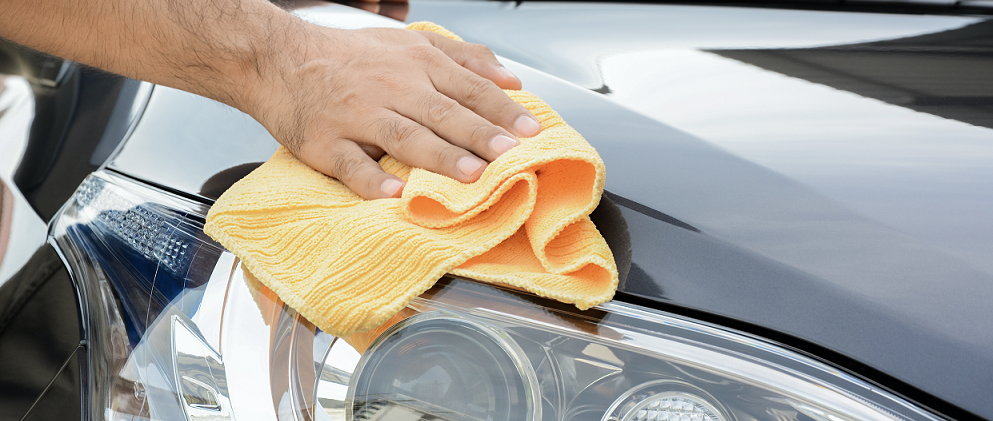
Image Source: static.foxdealer.com
The Science of Pollen on Your Car
Before we dive into the removal techniques, it’s helpful to understand why pollen sticks and why it’s important to remove it. Pollen grains are tiny, often sticky, and can adhere to surfaces due to static electricity and natural oils present on your car’s paint. When pollen mixes with moisture, like dew or light rain, it can create a sticky film. Over time, this film can become more stubborn and, if left unchecked, could potentially damage your car’s finish, especially in direct sunlight where it can bake onto the paint. Therefore, regular car care pollen management is crucial for preserving your car’s shine and protective coatings.
Why a Full Wash Isn’t Always Necessary
A full car wash is fantastic for deep cleaning, but for everyday pollen buildup, it can be overkill. It takes time, water, and specific products. If your car is otherwise clean and just covered in a light layer of pollen, a more targeted approach is often faster and more efficient. These methods are perfect for situations where you need a pollen off car detail on the go or when you want to maintain a clean look between washes.
Gentle Methods for Pollen Off Car Removal
The key to removing pollen without washing is using gentle, effective techniques that lift the pollen without scratching the paint. Scratching is the biggest risk when dealing with dry dust and pollen.
Method 1: The Quick Detailing Spray Approach
A high-quality pollen off car spray, also known as a quick detailer, is your best friend for this task. These sprays are designed to encapsulate dirt and dust particles, allowing them to be wiped away safely.
What You’ll Need:
- A high-quality quick detailer spray: Look for formulas that offer lubrication and protection. Brands like Chemical Guys, Meguiar’s, and Griot’s Garage offer excellent options.
- Multiple plush microfiber towels: This is non-negotiable. You need clean, soft towels to avoid scratching.
- A dedicated detail brush (optional): For intricate areas like grilles and emblems.
Step-by-Step Guide:
- Work in Sections: Never try to spray and wipe down the entire car at once. Work on one panel or a section of the car at a time. This prevents the spray from drying too quickly.
- Mist Liberally: Generously spray the quick detailer onto the pollen-covered surface. You want enough product to lubricate the paint.
- Gentle Wipe: Take a clean, plush microfiber towel, fold it into quarters, and gently wipe in one direction across the sprayed area. Use light pressure.
- Flip and Refold: As the towel picks up pollen, flip it to a clean side or refold it into quarters to expose a fresh surface. This prevents you from dragging the pollen back onto the paint.
- Buff to a Shine: Use a second, clean and dry microfiber towel to gently buff the area to a streak-free shine.
- Repeat: Move to the next section and repeat the process until your entire car is pollen-free.
Tips for Success:
- Avoid direct sunlight: If possible, perform this task in the shade. The sun can cause the spray to dry too quickly, leading to streaks.
- Don’t scrub: Let the spray and the microfiber towel do the work. Aggressive scrubbing will cause scratches.
- Use a separate towel for wheels: If your wheels are also covered in pollen, use separate towels to avoid transferring brake dust and grime to your paint.
Method 2: The Waterless Wash Solution
A waterless wash is similar to using a quick detailer but often involves slightly more product and a specific technique designed for heavier dirt. This is excellent for dust and pollen removal.
What You’ll Need:
- A dedicated waterless wash product: These are typically sprayed on and then wiped off with microfiber towels.
- Plenty of high-quality microfiber towels: More is better here to ensure you always have a clean surface.
- A soft-bristle wash mitt or detailing brush (optional): For gently agitating stubborn spots.
Step-by-Step Guide:
- Choose a Shaded Spot: As with quick detailing, shade is ideal.
- Spray Generously: Apply the waterless wash product liberally to a section of the car. Ensure the surface is well-covered.
- Gentle Agitation (If Needed): For slightly more embedded pollen, you can use a soft wash mitt or a dedicated detailing brush to gently lift the pollen before wiping. However, for light pollen, this step might not be necessary.
- The “Wipe and Fold” Technique: Use a clean microfiber towel, folded into quarters. Gently wipe in one direction to lift the pollen and product.
- Flip and Refold Regularly: Crucially, as soon as a section of the towel becomes soiled, flip to a clean side or refold. This is the most important step to prevent scratching.
- Follow Up with a Clean Towel: Once the pollen is lifted from the sprayed area, use a separate, clean, dry microfiber towel to gently buff the surface to a shine.
- Progress Panel by Panel: Continue this process across your entire vehicle.
When to Use Waterless Wash: This method is suitable for moderate pollen accumulation. If your car has significant mud or heavy grime, a waterless wash might not be the safest option, and a rinse-free wash or a traditional wash would be more appropriate.
Method 3: The Rinseless Wash – A Hybrid Approach
A rinseless wash uses a special polymer-based solution mixed with water in a bucket. It allows you to wash the car without the need for a final rinse with a hose. This is a great pollen remover for cars when you have a bit more flexibility but still want to conserve water or avoid a full wash.
What You’ll Need:
- Rinseless wash product: (e.g., Optimum No Rinse Wash & Shine – ONR)
- Two buckets: One for the cleaning solution, one for rinsing your wash mitt (optional but recommended).
- A high-quality wash mitt: A plush microfiber or chenille mitt.
- Several plush microfiber drying towels.
- Water source: Even a few gallons of water are enough for a rinseless wash.
Step-by-Step Guide:
- Prepare the Buckets: Fill one bucket with water and add the recommended amount of rinseless wash solution according to the product instructions. If using two buckets, fill the second bucket with plain water for rinsing your mitt.
- Soak the Mitt: Immerse your wash mitt into the solution bucket.
- Wash One Section at a Time: Gently wash one panel of the car, using straight-line motions. The polymer in the solution will encapsulate the pollen and dirt.
- Rinse Mitt (If Using Two Buckets): If you have a second bucket, rinse your mitt in the plain water bucket to remove the dirt and pollen before returning it to the solution bucket. If using only one bucket, gently wring out the mitt to remove excess dirt before re-submerging.
- Dry Immediately: Use a clean, plush microfiber drying towel to dry the washed section immediately. This prevents water spots and ensures the encapsulated pollen is lifted away.
- Flip and Refold Towels: As with other methods, flip and refold your drying towels to ensure you’re always using a clean surface.
- Continue Section by Section: Work your way around the entire vehicle.
Why Rinseless Wash is Effective: The polymers in the rinseless wash solution lift dirt and pollen from the surface, suspending them in the water and preventing them from being dragged across the paint. This greatly reduces the risk of scratching, making it a safe and effective car pollen removal method.
Tackling Stubborn Pollen Stains
Sometimes, pollen can leave behind a slight yellow residue or pollen stain removal might be required if it’s been baked on by the sun.
Using Clay Bars or Clay Mitts
If quick detailers and waterless washes aren’t quite enough, a clay bar or clay mitt can be used with a suitable lubricant (often a quick detailer spray) to gently lift embedded pollen particles.
What You’ll Need:
- Clay bar or clay mitt.
- Quick detailer spray (as lubricant).
- Plenty of microfiber towels.
Step-by-Step:
- Spray the Surface: Liberally spray the area with quick detailer to lubricate.
- Gently Glide the Clay: Gently glide the clay bar or mitt over the lubricated surface in straight-line motions.
- Check and Fold/Clean: If using a clay bar, fold it to expose a clean surface frequently. If using a clay mitt, rinse it in your bucket (if using the rinseless method) or wipe it clean with a towel.
- Wipe Away Residue: Immediately follow with a clean microfiber towel to wipe away the residue and dry the surface.
Important Note: Claying is a slightly more aggressive process. Ensure you have ample lubrication and are working on a cool surface. It’s best reserved for when pollen has bonded more strongly to the paint.
Specialized Pollen Remover Sprays
Some products are specifically formulated as pollen remover for cars. These can be very effective as they often contain mild cleaning agents that help break down the sticky components of pollen. Always follow the manufacturer’s instructions carefully.
What to Avoid When Removing Pollen Without Washing
- Dry Wiping: Never wipe dry pollen off your car with a dry cloth or paper towel. This is the quickest way to cause scratches.
- Using Household Cleaners: Avoid Windex, dish soap, or other household cleaners not designed for automotive use. They can strip protective waxes and damage paint.
- Using Dirty Towels: Always use clean, high-quality microfiber towels. Even a small amount of grit on a towel can cause scratches.
- Aggressive Scrubbing: Gentle pressure is key. Let the cleaning products and the microfiber do the work.
- Washing in Direct Sunlight (for these methods): As mentioned, this can cause products to dry too quickly, leading to streaks and potentially etching.
Maintaining a Pollen-Free Car Exterior
- Regular Gentle Cleaning: The best defense is a good offense. Regularly addressing light pollen buildup prevents it from becoming a stubborn problem.
- Wax or Sealant Protection: A good layer of wax or a paint sealant creates a slick surface that makes it harder for pollen to adhere and easier to remove.
- Car Covers: If your car sits outside for extended periods, a breathable car cover can offer significant protection from pollen and other environmental contaminants.
Tools for Efficient Pollen Removal
Here’s a quick look at the essential tools and their roles:
| Tool | Purpose | Why it’s Important for Pollen Removal |
|---|---|---|
| Microfiber Towels | Wiping, drying, buffing | Their soft fibers trap pollen and dirt without scratching the paint. |
| Quick Detailer Spray | Lubricant and cleaner | Encapsulates pollen, allowing it to be wiped away safely. |
| Waterless Wash Product | Specialized cleaner for dry washing | Designed to lift and encapsulate heavier dirt and pollen than a quick detailer. |
| Rinseless Wash Product | Cleaner that requires no final rinse | Creates a protective barrier, suspending dirt and pollen for safe removal. |
| Detailing Brushes | Cleaning intricate areas (grilles, emblems) | Gently loosens pollen from tight spots before wiping. |
| Wash Mitt (for Rinseless) | Applying cleaning solution | Distributes the cleaning solution evenly and gently lifts pollen. |
| Clay Bar/Mitt | Deeper cleaning for bonded contaminants | Removes deeply embedded pollen particles that other methods might miss. |
Frequently Asked Questions About Car Pollen Removal
Q1: How often should I remove pollen from my car?
A1: If your car is visibly covered in pollen, it’s a good idea to remove it. Daily or every few days during peak pollen season is ideal to prevent it from building up and potentially causing issues.
Q2: Can I use a leaf blower to remove pollen?
A2: A leaf blower can be used for very light, dry pollen on a completely dry car. However, be cautious, as a powerful blower can sometimes push pollen deeper into crevices or even cause light scratching if it’s too aggressive or if there’s any underlying grime. It’s generally safer to use microfiber towels.
Q3: Will pollen damage my car’s paint?
A3: While pollen itself isn’t inherently corrosive, when it mixes with moisture and is baked on by the sun, it can create a film that might etch or damage the clear coat over time if left for extended periods. Regular cleaning is the best way to prevent this.
Q4: Is a quick detailer safe for all car finishes?
A4: Yes, high-quality quick detailers are formulated to be safe for clear coats, paint protection films (PPF), and vinyl wraps when used as directed with clean microfiber towels.
Q5: What’s the difference between a quick detailer and a waterless wash?
A5: Quick detailers are generally for lighter dust and grime, offering shine and protection. Waterless washes are designed for slightly heavier dirt and pollen accumulation and have stronger cleaning agents and more lubrication to safely lift and remove contaminants without rinsing.
Q6: Can I use a damp cloth to wipe pollen off?
A6: A slightly damp, clean microfiber cloth can work for very light pollen. However, it’s crucial that the cloth is clean and that you don’t press hard. Using a dedicated spray product (quick detailer or waterless wash) provides better lubrication and lifts the pollen more effectively without the risk of smearing or scratching.
By employing these simple, safe, and effective techniques, you can keep your car looking its best throughout pollen season without needing to break out the hose and bucket every time. A little effort with the right tools can go a long way in maintaining that sparkling finish.