Can you sell a car in NJ without a title? No, you cannot sell a car in NJ without a properly assigned title. The title is the legal proof of ownership, and it’s essential for a lawful transfer of the vehicle.
Selling a car in New Jersey can feel like navigating a maze. But with the right information, you can get it done quickly and smoothly. This guide will walk you through every step, from preparing your vehicle to finalizing the sale. We’ll cover everything you need to know about NJ car sale regulations, how to sell car privately NJ, and what the NJ DMV car sale process entails.
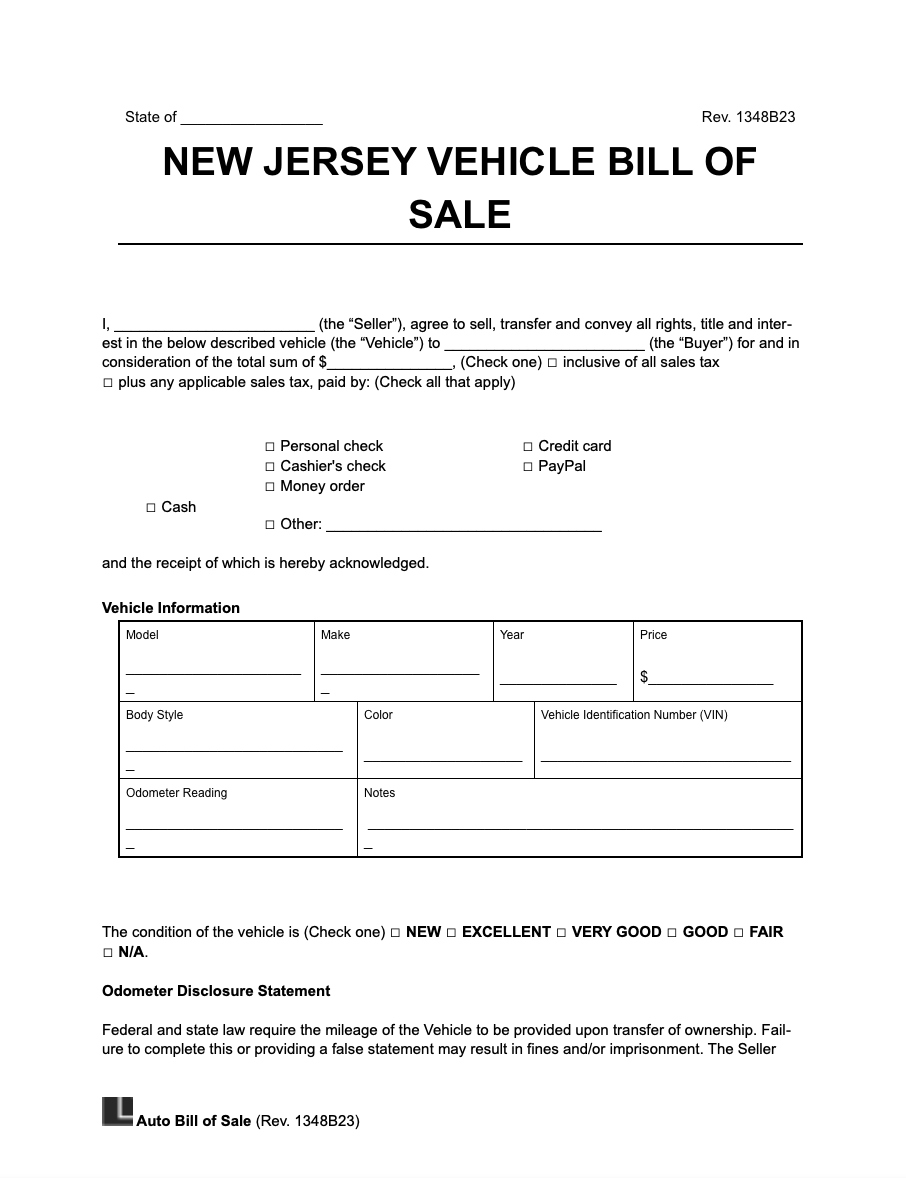
Image Source: legaltemplates.net
Getting Your Car Ready for Sale
Before you even think about listing your vehicle, a little preparation goes a long way. Making your car presentable can significantly impact its selling price and how fast it sells.
Deep Cleaning and Detailing
A clean car looks better and signals to buyers that it’s been well-maintained. This includes both the interior and exterior.
- Exterior Wash and Wax: Wash away dirt, grime, and road salt. A good wax will make the paint shine.
- Interior Vacuuming: Vacuum carpets, seats, and floor mats thoroughly.
- Wipe Down Surfaces: Clean the dashboard, door panels, and center console.
- Clean Windows: Ensure all windows are streak-free for maximum visibility.
- Tire Shine: A little tire dressing can make your tires look like new.
Minor Repairs and Maintenance
Address any small issues that might deter a buyer.
- Fix Scratches and Dents: Small cosmetic fixes can make a big difference.
- Replace Worn Bulbs: Ensure all lights are working, including headlights, taillights, and turn signals.
- Check Tire Pressure: Properly inflated tires are safer and look better.
- Top Off Fluids: Ensure all fluid levels (oil, coolant, windshield wiper fluid) are at their proper marks.
- Consider a Tune-Up: If your car needs minor maintenance, getting it done can reassure buyers about its condition.
Pricing Your Vehicle for a Quick Sale
Setting the right price is crucial for a fast sale. Too high, and you won’t get any interest; too low, and you leave money on the table.
Researching Market Value
Use online resources to determine your car’s worth.
- Kelley Blue Book (KBB): A widely recognized source for car valuations.
- Edmunds: Another popular site for car pricing and reviews.
- NADA Guides: Provides vehicle valuation data.
When researching, be honest about your car’s condition, mileage, and features. Look at similar vehicles for sale in your area to get a realistic idea of the market. Remember to consider whether you’re pricing for a quick sale or aiming for top dollar. For a fast sale, price it competitively.
Factors Affecting Price
Several things influence how much your car is worth:
- Mileage: Lower mileage generally means a higher price.
- Condition: Both mechanical and cosmetic condition are key.
- Features and Options: Leather seats, sunroofs, and advanced tech can increase value.
- Vehicle History: Accidents or major repairs can lower the price.
- Demand: Popular makes and models tend to sell faster and for more.
Gathering the Necessary Paperwork for a NJ Car Sale
Having all your paperwork to sell car NJ in order is vital. This ensures a smooth and legal transaction.
The New Jersey Title
The most important document is the vehicle’s title.
- Ensure it’s in Your Name: The title must be in your name, and there should be no liens on it. If there’s a lien, you’ll need to get it released by the lienholder.
- Completing the Title: You’ll need to fill out the seller’s section on the title, including your signature, the buyer’s information, and the odometer reading. New Jersey title transfer procedures are strict.
Bill of Sale NJ
A bill of sale NJ is a crucial document for any private car sale laws New Jersey. It serves as proof of the transaction.
- What to Include:
- Your name and address.
- The buyer’s name and address.
- Vehicle information (Year, Make, Model, VIN).
- Sale price.
- Date of sale.
- Odometer reading at the time of sale.
- Signatures of both buyer and seller.
- A statement confirming the sale is “as-is” if applicable.
You can find templates online or create your own. It’s recommended to have two copies, one for you and one for the buyer.
Vehicle History Report
While not legally required for a private sale, providing a vehicle history report (like CarFax or AutoCheck) can build trust with potential buyers.
Maintenance Records
Gathering any service and maintenance records you have can also be a selling point, showing the car has been cared for.
Advertising Your Car for Sale in New Jersey
Effective advertising is key to attracting buyers and selling your car fast.
Online Platforms
The internet is your best friend for advertising a car for sale NJ.
- Craigslist: Still a popular choice for local private sales.
- Facebook Marketplace: Offers a wide reach and local targeting.
- eBay Motors: Good for reaching a broader audience, especially for unique or collector cars.
- Specialty Car Sites: If you have a classic or unique car, consider sites dedicated to those vehicles.
When creating your ad:
- High-Quality Photos: Take clear, well-lit photos from multiple angles (exterior, interior, engine, tires).
- Detailed Description: Be honest and thorough. Include all key information: year, make, model, mileage, condition, features, maintenance history, and any known issues.
- Clear Pricing: State your asking price and whether it’s firm or negotiable.
- Contact Information: Provide a phone number or email for interested buyers.
For Sale Sign
A simple “For Sale” sign in your car’s window, parked in a visible location (if permitted), can also attract local attention.
Dealing with Potential Buyers
Once your car is listed, you’ll start receiving inquiries. How you handle these interactions can speed up the sale.
Responding to Inquiries
Be prompt and polite when responding to potential buyers. Answer their questions honestly and provide additional information or photos if requested.
Scheduling Test Drives
- Meet in a Safe Location: For test drives, choose a well-lit, public place. Consider meeting at a police station parking lot or a busy shopping center.
- Verify Driver’s License: Before letting someone test drive your car, ask to see their driver’s license and perhaps a copy of their insurance.
- Accompany the Buyer: Always accompany the potential buyer during the test drive.
Negotiating the Price
Be prepared to negotiate. Know your bottom line and be willing to compromise slightly if it means closing the deal.
Understanding NJ Car Sale Regulations and Procedures
Navigating the official steps ensures your sale is legal and hassle-free.
The Role of the NJ MVC (Motor Vehicle Commission)
The New Jersey Motor Vehicle Commission (NJ MVC) oversees all vehicle transactions. You’ll interact with them for title and registration transfers.
Emissions Testing NJ Car Sale
New Jersey has specific emissions testing NJ car sale requirements.
- Who Needs Emissions Testing? Most gasoline-powered passenger vehicles and trucks require emissions testing every two years. However, there are exemptions.
- Exemptions:
- Vehicles that are less than four model years old.
- Vehicles that are 25 years or older (as of the current calendar year).
- Diesel-powered vehicles.
- Electric vehicles.
- New vehicles purchased from a dealer.
- Seller’s Responsibility: Generally, the seller is responsible for ensuring the vehicle has a valid inspection sticker at the time of sale. If the vehicle is due for inspection and you’re selling used car NJ, you might need to get it inspected before the sale, or it becomes the buyer’s responsibility after the sale, depending on the agreement and how the sale is processed. It’s best to clarify this with the buyer. If the buyer is a NJ resident, they will need to get it inspected within a certain timeframe after registration.
Transferring Ownership
This is a critical step.
- Seller’s Actions:
- Assign the Title: Fill in the seller section of the title.
- Provide a Bill of Sale: Give the buyer a completed bill of sale.
- Complete the Notice of Vehicle Sale (OSA-1): This is a critical form that protects you from liability after the sale. You can download it from the NJ MVC website. You must provide a copy to the buyer and keep one for your records.
- Remove License Plates: In New Jersey, license plates stay with the seller, not the car. You can transfer them to another vehicle you own or return them to the NJ MVC.
- Buyer’s Actions:
- Get Temporary Tag: The buyer will need to obtain a temporary registration/tag from an agent at an MVC licensing center or authorized agency.
- Get the Vehicle Inspected: If required, the buyer must get the vehicle inspected within a specific timeframe.
- Register the Vehicle: The buyer needs to register the vehicle and pay sales tax and registration fees at the MVC.
What if the Buyer is Out of State?
Private car sale laws New Jersey have slightly different procedures for out-of-state buyers.
- Title Transfer: You’ll still need to properly assign the New Jersey title.
- Bill of Sale: A bill of sale is essential.
- Notice of Vehicle Sale (OSA-1): Still important to complete and keep a copy.
- License Plates: As mentioned, New Jersey plates stay with the seller. The buyer will need to arrange for their own state’s temporary tags or transport.
For out-of-state buyers, the process of them registering the vehicle will be governed by their home state’s DMV.
Completing the Sale and Post-Sale Responsibilities
Once you’ve agreed on a price and the buyer is ready, it’s time to finalize the transaction.
Payment
- Acceptable Forms of Payment: Cash is king for private sales, but it carries risks. Consider a cashier’s check from a reputable bank or an instant bank transfer if you have the means to verify it immediately. Avoid personal checks, as they can bounce.
- When to Accept Payment: Only hand over the signed title and keys once you have confirmed the payment is legitimate and in your possession.
Finalizing the Transaction
- Sign the Title: Ensure the buyer signs the title in the appropriate sections.
- Give the Buyer the Bill of Sale: Provide the buyer with their copy of the bill of sale and your copy of the OSA-1.
- Remove Your License Plates: Remember to take your plates off the vehicle.
- Provide Keys and Documents: Hand over all keys (including spares) and any maintenance records you have.
Notifying the NJ MVC
Submitting the Notice of Vehicle Sale (OSA-1) is your final step as the seller. This officially informs the NJ MVC that you no longer own the vehicle, protecting you from future liability, parking tickets, or tolls.
Frequently Asked Questions (FAQ) about Selling a Car in NJ
Here are some common questions people have when selling a car in New Jersey.
Q1: Do I need an inspection sticker to sell my car in NJ?
A: While a buyer will need to get an inspection within a certain period after registering the vehicle, it is generally recommended that the seller has a current inspection sticker. If the vehicle is due for inspection, you may need to get it done, or it should be clearly stated in the sale agreement that the buyer is responsible for the inspection and any associated costs.
Q2: What do I do with my old license plates?
A: In New Jersey, license plates are issued to the owner, not the vehicle. You must remove your license plates from the car before the buyer takes possession. You can then transfer them to a new vehicle you purchase or return them to the NJ MVC to be destroyed.
Q3: Can I sell a car that is not currently registered in NJ?
A: Yes, you can sell a car that is not currently registered in NJ, as long as you have the proper title. The buyer will then be responsible for registering and insuring the vehicle in their name, following NJ MVC regulations.
Q4: What is the difference between a title and registration?
A: The title is proof of ownership, while registration is the permission granted by the state to operate the vehicle on public roads. You need the title to transfer ownership, and the buyer needs registration to legally drive the car.
Q5: How long does the buyer have to register the car in NJ?
A: A buyer typically has 10 days to register a vehicle in New Jersey after purchasing it. They will also need to get it inspected within the prescribed timeframe if it’s required.
Q6: What if my car is a total loss or salvaged?
A: If your car has a salvage title, you must disclose this to potential buyers. Selling a salvaged vehicle requires specific procedures and clear disclosure to comply with private car sale laws New Jersey.
Q7: What is the “as-is” clause in a bill of sale?
A: The “as-is” clause means the buyer is purchasing the vehicle in its current condition, with all its faults and without any warranties from the seller. It’s important to include this in your bill of sale to protect yourself from future claims.
By following these steps and being diligent with your paperwork to sell car NJ, you can successfully and quickly sell your car in the Garden State. Remember that honesty and clarity with buyers are always the best policies.