Can you use a black leather cleaner on sunscreen stains? Yes, you absolutely can, and it’s often the best approach for safe and effective sunscreen stain removal from your black leather car seats. This guide will walk you through the process of tackling those pesky sunscreen marks, ensuring your automotive leather care remains top-notch.
Sunscreen, while a vital shield against the sun’s harmful rays, can be a nemesis to pristine black leather car seats. The oils and chemicals within sunscreen formulations can leave stubborn marks and a greasy residue if not handled correctly. Fortunately, with the right techniques and products, you can restore your leather to its former glory without causing damage. This comprehensive guide will cover everything you need to know about leather upholstery cleaning specifically for sunscreen mishaps, offering practical cleaning tips and advice on maintaining your black leather.
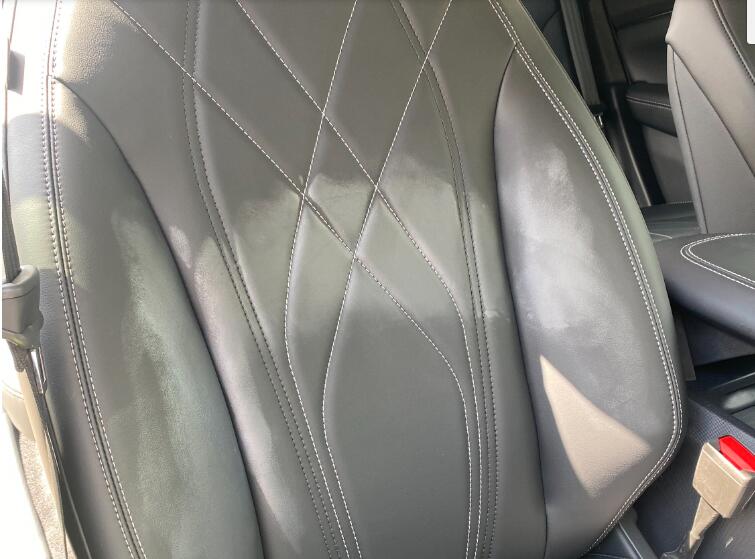
Image Source: www.leatherneo.com
Why Sunscreen is Tricky for Leather
Sunscreen is designed to adhere to skin and resist water, which means it contains ingredients that can also bond to porous surfaces like leather. These ingredients often include oils, waxes, and chemical absorbers that, when left on leather, can penetrate the material. This penetration can lead to discoloration, a sticky feel, and even long-term damage if left untreated. The dark color of black leather can sometimes mask minor stains, but sunscreen residue can still attract dirt and wear down the protective finish of your seats.
The Components of Sunscreen and Leather
- Oils and Emollients: These provide a smooth application but can soak into leather, leaving greasy spots.
- UV Filters (Chemical and Mineral): While great for skin protection, some chemical filters can react with leather dyes. Mineral filters, like zinc oxide and titanium dioxide, can create a physical barrier that might stain if not removed promptly.
- Fragrances and Preservatives: These can sometimes cause discoloration or drying of the leather.
The Gentle Approach: Essential Supplies
Before you begin the cleaning process, gather the necessary supplies. Using the wrong products can do more harm than good. For gentle leather cleaning, opt for products specifically designed for automotive leather care.
What You’ll Need
- Microfiber Cloths: You’ll need several clean, soft microfiber cloths. These are essential for applying cleaners, wiping away residue, and buffing.
- pH-Neutral Leather Cleaner: This is crucial. Look for a cleaner formulated for automotive leather. Avoid harsh detergents or all-purpose cleaners, as they can strip the natural oils from the leather.
- Distilled Water: For diluting some cleaners if recommended by the product instructions, or for rinsing.
- Leather Conditioner/Protectant: After cleaning, conditioning helps restore moisture and protect the leather.
- Cotton Swabs or Soft-Bristled Brush (Optional): For working the cleaner into textured areas or stitching.
- Mild Dish Soap (Very Diluted, as a last resort): Only use a tiny amount of a mild, dye-free dish soap mixed with water if other leather cleaners aren’t working, and rinse thoroughly.
Step-by-Step Sunscreen Stain Removal
The key to successful sunscreen stain removal is to act quickly and use gentle methods. Rushing or using abrasive materials can lead to permanent damage.
Step 1: Initial Wipe-Down
- Take a clean, dry microfiber cloth and gently wipe the affected area. The goal here is to remove any loose sunscreen residue without spreading it.
- If the sunscreen is still wet or sticky, blot it rather than rubbing. Rubbing can push the product deeper into the leather pores.
Step 2: Applying the Black Leather Cleaner
- Test First: Always test your chosen black leather cleaner on an inconspicuous area of the seat (like the underside of a seat or a hidden seam) to ensure it doesn’t cause discoloration or damage. Wait for it to dry completely before proceeding.
- Application: Apply a small amount of the pH-neutral leather cleaner directly onto a clean microfiber cloth, not directly onto the leather.
- Gentle Wiping: Gently wipe the sunscreen stain in a circular motion. Work from the outside of the stain inwards to avoid spreading it further.
- Repeat if Necessary: For stubborn stains, you might need to repeat this process several times. Allow the cleaner to lift the stain. Avoid excessive scrubbing.
Step 3: Removing the Residue
- Once the sunscreen stain appears to be gone, take a separate, clean, damp microfiber cloth (dampened with distilled water, then wrung out well) and gently wipe the area. This will help remove any remaining cleaner or loosened sunscreen.
- Follow up with another clean, dry microfiber cloth to buff the area dry.
Step 4: Assessing the Results
- Inspect the treated area carefully. If the stain is gone and the leather looks good, you can proceed to the next step.
- If a faint mark remains, you can try applying the leather cleaner again. If the stain persists after multiple gentle attempts, it might be time to consider a specialized stain remover designed for leather or consult a professional automotive detailing service.
Step 5: Conditioning the Leather
- Importance of Conditioning: Sunscreen can be drying to leather. After cleaning, it’s essential to rehydrate and protect the leather with a quality leather conditioner or protectant.
- Application: Apply a small amount of leather conditioner to a clean microfiber cloth.
- Massage In: Gently massage the conditioner into the leather in a circular motion, covering the entire seat or panel if necessary to ensure an even finish.
- Buffing: Allow the conditioner to penetrate for a few minutes, then buff off any excess with another clean, dry microfiber cloth. This step helps restore the leather’s natural oils, flexibility, and protective barrier, contributing to excellent automotive leather care.
Dealing with Stubborn or Old Sunscreen Stains
Sometimes, sunscreen can set into the leather, making removal more challenging. Here’s how to approach these tougher situations.
Advanced Cleaning Techniques
- Concentrated Cleaner Application (with caution): If a diluted cleaner isn’t cutting it, you might consider a slightly more concentrated application of your leather cleaner, always following product instructions and performing a patch test.
- Leather Cleaning Wipes: Some automotive leather care brands offer specialized leather cleaning wipes that can be effective for spot cleaning. Ensure they are pH-neutral and suitable for your type of leather.
- Mild Soap Solution (Last Resort): If all else fails, a very diluted solution of mild, dye-free dish soap (like a drop or two in a cup of distilled water) can be used. Apply sparingly with a microfiber cloth, work gently, and immediately follow with a clean, damp cloth to remove all soap residue. Then, dry and condition thoroughly. This method carries a higher risk of drying or affecting the leather’s finish, so use it with extreme caution.
Preventing Future Stains
The best way to deal with sunscreen stains is to prevent them.
- Apply Sunscreen Before Getting In: Make it a habit to apply sunscreen before you get into your car.
- Use Seat Covers: For extended periods in the sun or if you frequently apply sunscreen, consider using temporary seat covers made of breathable fabric.
- Wipe Down After Application: If you must apply sunscreen in the car, use a microfiber cloth to wipe down any surfaces you might have touched immediately after.
Types of Leather and How They Affect Cleaning
Not all black leather car seats are the same. The type of leather can influence how you approach cleaning.
Common Leather Types in Cars
- Aniline Leather: This is the most natural form of leather, dyed with soluble dyes that do not hide the grain or texture. It’s very soft and breathable but also the most susceptible to staining and damage from UV rays and chemicals. For aniline leather, extremely gentle cleaning methods are paramount.
- Semi-Aniline Leather: This type has a light protective coating. It’s more durable than aniline leather and offers some protection against stains, but it still requires careful cleaning.
- Pigmented Leather (or Protected Leather): This is the most common type in cars. It has a thicker, more durable polymer coating that is pigmented. This coating provides excellent protection against stains and UV damage, making it more forgiving to clean. However, harsh chemicals can still damage this coating.
How to Identify Your Leather Type
- Look at the Grain: Aniline leather will show natural variations in the grain. Pigmented leather often has a more uniform, consistent grain pattern due to the coating.
- Perform a Water Test: Place a tiny drop of water on an inconspicuous area. If the water is quickly absorbed, it’s likely aniline or semi-aniline. If it beads up and stays on the surface, it’s likely pigmented leather.
Regardless of the type, always start with the least aggressive cleaning method.
When to Call the Professionals
If the sunscreen stain is old, very large, or if you’ve tried gentle methods without success, it might be time to seek professional help.
Situations Requiring Professional Help
- Deeply Ingrained Stains: Some stains have penetrated too deeply for DIY removal.
- Discoloration: If the sunscreen has caused noticeable discoloration of the leather.
- Damage to the Finish: If you’ve accidentally damaged the leather’s protective coating during a cleaning attempt.
- Aniline Leather Stains: Especially for aniline leather, professional automotive detailing services have specialized products and expertise.
Maintaining Your Black Leather Interior
Consistent automotive leather care is key to longevity and appearance.
Regular Cleaning and Protection
- Wipe Down Regularly: Use a dry or slightly damp microfiber cloth to wipe down your leather seats regularly to remove dust and light debris.
- Use a Leather Protectant: Apply a quality leather protectant every 3-6 months (or as recommended by the product manufacturer). This helps shield the leather from UV rays, spills, and general wear and tear.
- Avoid Harsh Chemicals: Never use household cleaners, ammonia-based products, or abrasive cleaners on your leather seats.
Best Practices for Black Leather Maintenance
- Consistent Conditioning: This is vital for preventing the leather from drying out and cracking, especially in hot climates.
- Protect from Direct Sunlight: While leather protectants offer UV resistance, prolonged, intense exposure can still cause fading and drying. Consider using a sunshade when parked.
- Address Spills Immediately: Any spills, not just sunscreen, should be cleaned up as quickly as possible.
Summary of Sunscreen Stain Removal Process
Here’s a quick recap of the recommended process for tackling sunscreen stains on your black leather car seats.
| Step | Action | Key Consideration |
|---|---|---|
| 1. Initial Wipe | Blot or gently wipe away excess sunscreen with a dry microfiber cloth. | Avoid spreading the stain; work from outside in. |
| 2. Apply Cleaner | Use a pH-neutral black leather cleaner on a microfiber cloth. Test first! | Gentle circular motions, avoid overwetting. |
| 3. Remove Residue | Wipe with a clean, damp (distilled water) microfiber cloth, then dry. | Ensure all cleaning product is removed. |
| 4. Assess & Repeat | Check for stain removal. Repeat cleaning if necessary, gently. | Patience is key; avoid excessive force. |
| 5. Condition Leather | Apply a quality leather conditioner to restore moisture and protect. | Buff off excess for a smooth finish. |
| 6. Professional Help | If stains persist or damage occurs, consult a professional automotive detailer. | Don’t risk permanent damage with aggressive methods. |
By following these steps and using the right automotive leather care products, you can effectively tackle sunscreen stains and maintain the beauty and durability of your black leather car seats. Remember, gentle leather cleaning and prompt action are your best allies in keeping your car’s interior looking its best.
Frequently Asked Questions (FAQ)
Q1: What is the best way to get sunscreen off black leather car seats?
The best way is to use a pH-neutral black leather cleaner applied with a microfiber cloth. Always test the cleaner on an inconspicuous area first. Blot any excess sunscreen before cleaning and follow up with a leather conditioner.
Q2: Can I use baby wipes to clean sunscreen off leather seats?
It’s generally not recommended. Baby wipes often contain chemicals, alcohol, or fragrances that can dry out or damage leather. Stick to products specifically designed for automotive leather care.
Q3: Will rubbing alcohol remove sunscreen stains from leather?
No, rubbing alcohol is too harsh for leather. It can strip the natural oils, cause drying, and potentially lead to discoloration or cracking. Avoid using alcohol on your leather upholstery.
Q4: How often should I condition my leather car seats?
You should condition your leather car seats every 3-6 months, or more frequently if the car is exposed to harsh elements like prolonged sunlight or extreme temperatures. This is a key part of good automotive leather care.
Q5: My black leather seats have a greasy residue after cleaning. What should I do?
This likely means not all the sunscreen or cleaner residue was removed. Use a clean, slightly damp microfiber cloth to gently wipe the greasy areas, then dry with a clean cloth. Ensure you are using a dedicated black leather cleaner and not over-applying it. A final light application of leather protectant can also help even out the finish.
Q6: Is it safe to use saddle soap on car leather?
While saddle soap is a leather cleaner, it can sometimes be too harsh for the delicate finishes found in automotive leather. It’s best to stick with cleaners specifically formulated for automotive leather care to avoid potential damage or discoloration.
Q7: How do I prevent sunscreen from staining my leather seats in the future?
Apply sunscreen before getting into your car. If you must apply it in the car, use a towel or cloth to protect the seats from contact and wipe down any surfaces you might have touched immediately after application.
Q8: Can I use a leather repair kit for sunscreen damage?
Leather repair kits are typically for physical damage like scuffs or tears, not for chemical stains. For sunscreen stains, focus on cleaning and conditioning. If the stain has caused significant discoloration, a professional may be able to recolor the area.
Q9: What’s the difference between cleaning and conditioning leather?
Cleaning removes dirt, grime, and stains, while conditioning replenishes the leather’s natural oils, keeping it soft, supple, and preventing it from drying out and cracking. Both are crucial parts of comprehensive leather upholstery cleaning and black leather maintenance.
Q10: Can I use a magic eraser on my leather seats?
No, magic erasers are abrasive and can remove the protective coating and even the dye from your leather seats. They should never be used on leather upholstery. Stick to soft microfiber cloths for cleaning.