Yes, you can wash a car after tint, but there are specific guidelines to follow to ensure the longevity and appearance of your newly tinted windows. The most crucial aspect is waiting for the tint to fully cure, which typically takes a few days to a couple of weeks, depending on the tint film and environmental conditions. Rushing the process can lead to premature bubbling, peeling, or damage to the tint. This comprehensive guide will walk you through everything you need to know about a post tint car wash and caring for tinted windows.
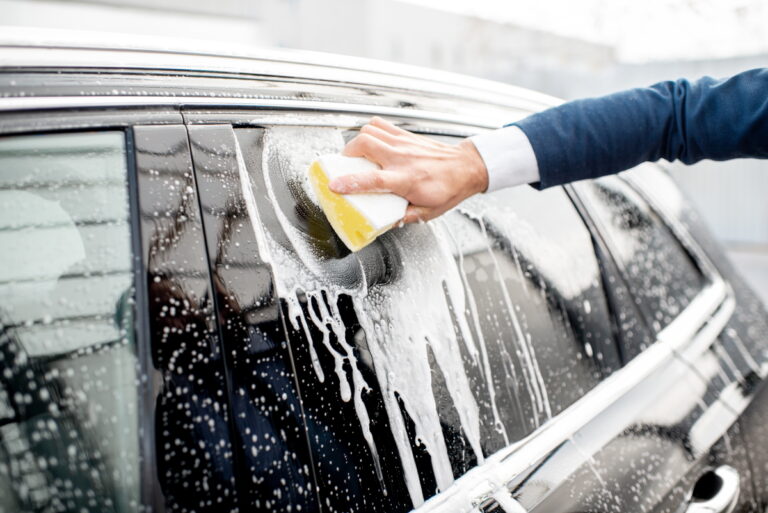
Image Source: qualityautoglasstint.com
The Crucial Waiting Period: Why Patience is Key
When you get your car windows tinted, a soapy water solution is used to apply the film. While the majority of this solution evaporates quickly, tiny moisture pockets can remain trapped between the tint film and the glass. These pockets need time to fully dissipate. If you wash your car too soon, the high-pressure water or harsh cleaning chemicals can force these pockets to expand, creating bubbles or causing the tint to lift from the edges.
How Long Should You Wait?
The exact waiting period for a car wash after tint can vary. Always consult with your tint installer for their specific recommendations, as they know the products and techniques they used. However, a general guideline is:
- Minimum Wait: 24-48 hours. This is the absolute minimum before light rinsing, but still risky.
- Recommended Wait: 7-14 days. This allows ample time for the adhesive to fully set and for most moisture to evaporate. Some high-quality films might be ready sooner, while others in cooler or humid climates may need even longer.
During this waiting period, avoid:
- Washing your car at all, if possible.
- Rolling down your windows, as this can dislodge the tint before it’s bonded.
- Using any harsh chemicals or abrasive materials on the windows.
Washing Your Car Safely After the Waiting Period
Once the recommended waiting period has passed, you can confidently perform a tint safe car wash. The key is to be gentle and use the right products. Here’s a step-by-step approach to safely washing tinted windows:
Step 1: The Gentle Rinse
Start with a thorough rinse of your car, paying special attention to the tinted windows. Use a hose with a gentle stream of water – avoid high-pressure washers, especially directly on the edges of the tint. This initial rinse helps remove loose dirt and debris, minimizing the risk of scratching the tint during the washing process.
Step 2: Choose Your Washing Method
You have a few options for cleaning car after tinting, ranging from at-home washing to professional services.
At-Home Washing: The DIY Approach
If you prefer to wash your car yourself, follow these steps for a tint safe car wash:
-
Gather Your Supplies:
- Two-bucket system (one for soapy water, one for clean rinse water)
- High-quality car wash soap (pH-neutral, specifically designed for cars)
- Microfiber wash mitts
- Clean microfiber drying towels
- Ammonia-free glass cleaner (specifically for tinted windows)
- Clean, lint-free cloths or squeegee (optional, for glass cleaning)
-
Pre-Rinse: As mentioned, start with a good rinse to remove loose dirt.
-
Wash Panels Section by Section:
- Fill one bucket with water and the recommended amount of car wash soap.
- Fill the second bucket with clean water for rinsing your wash mitt.
- Dip your microfiber wash mitt into the soapy water.
- Wash one section of the car at a time (e.g., a door, a fender).
- After washing a section, rinse your wash mitt thoroughly in the clean water bucket before dipping it back into the soapy water. This prevents transferring dirt and grit back onto the paint and tint, which can cause scratches.
- Work from top to bottom, so dirt and soap run down the car naturally.
-
Address the Tinted Windows:
- When you reach the tinted windows, use the same gentle washing technique with your microfiber wash mitt and soapy water.
- Be extra careful around the edges of the tint to avoid snagging or peeling.
- For stubborn spots on the tint, avoid scrubbing aggressively. Instead, let the soapy water soak for a moment, then gently wipe with the wash mitt.
-
Rinse Thoroughly: Rinse all soap residue off the car, again using a gentle water stream. Ensure no soap is left in the window channels or on the tint edges.
-
Drying:
- Use clean, high-quality microfiber drying towels.
- Gently pat or blot the water away. Avoid rubbing vigorously, as this can still cause micro-scratches.
- For the tinted windows, use a separate, dedicated microfiber towel to carefully dry the film. You can also use a squeegee designed for car windows (ensure it’s clean and has a soft rubber blade) by working from top to bottom. Again, be cautious around the edges.
Professional Car Wash: The Hands-Off Approach
Many car washes offer services for washing tinted windows. However, it’s crucial to ensure they are tint-aware.
- Ask About Their Policies: Before booking a wash, ask if they use tint-safe cleaning methods and products. Inquire if they avoid high-pressure sprayers directly on window edges.
- Look for “Touchless” Washes: These are generally safer as they rely on chemicals and water jets rather than physical contact to clean your car. However, even these can sometimes have high-pressure jets.
- Manual Detailing Services: Opting for a professional detailer who specializes in tint maintenance wash is often the safest bet. They will be well-versed in the best practices for caring for tinted windows.
Cleaning the Tinted Windows Specifically
After the main wash, you might need to clean the tinted windows themselves. This is where specialized products and techniques come into play.
What to Use for Tinted Windows
- Ammonia-Free Glass Cleaner: Ammonia is a harsh chemical that can break down the adhesive used in window tint, leading to clouding or peeling. Always opt for a glass cleaner that explicitly states it is safe for tinted windows or is ammonia-free.
- Microfiber Cloths: Use two clean, soft microfiber cloths. One for applying the cleaner, and one for drying and buffing.
- Squeegee (Optional): A good quality squeegee with a clean, soft rubber blade can be effective, but practice makes perfect to avoid leaving streaks or damaging the tint.
How to Clean Tinted Windows
- Spray Sparingly: Lightly spray the ammonia-free glass cleaner onto one microfiber cloth, not directly onto the window. This prevents overspray onto other surfaces and controls the amount of liquid used.
- Wipe Gently: Wipe the tinted window in a consistent pattern (e.g., horizontal strokes, then vertical strokes). Avoid scrubbing or applying excessive pressure.
- Buff to a Streak-Free Shine: Use the second dry microfiber cloth to buff the window until it’s clean and free of streaks.
What to AVOID When Washing Tinted Windows
To maintain the pristine look of your tinted windows and ensure their longevity, steer clear of these common mistakes:
- Ammonia-Based Cleaners: As stressed before, these are the enemy of window tint.
- Abrasive Materials: Never use paper towels, rough cloths, scouring pads, or steel wool on tinted windows. These will scratch the film.
- High-Pressure Washers: Directing high-pressure water jets at the edges of the tint can lift or peel the film.
- Scraping: Do not use razor blades or scrapers on the inside of your tinted windows, even for stubborn debris.
- Ignoring the Wait Time: This is the most common and detrimental mistake.
- Dirty Water/Mittens: Using dirty wash mitts or water can transfer grit and cause scratches.
- Aggressive Scrubbing: Gentle is always best when washing after window tint.
Specific Scenarios: How to Wash Tinted Car
Washing a Car with Fresh Tint (The First Few Weeks)
If you absolutely must do a light clean within the first few days or weeks before the full cure, err on the side of extreme caution.
- Rinse Only: The safest approach is a very light rinse with plain water from a hose on a gentle setting. Avoid any contact with cloths or soaps.
- Spot Cleaning: If there’s a specific stubborn spot, use a slightly damp microfiber cloth with a tiny amount of ammonia-free cleaner and very gentle blotting. Avoid wiping.
Tint Maintenance Wash
A tint maintenance wash is a regular, gentle cleaning routine to keep your car looking its best without harming the tint. This involves using the methods described above for at-home washing, with a focus on ammonia-free cleaners for the glass and always using clean microfiber materials.
Products and Tools for Tint-Safe Car Washing
When it comes to tint safe car wash practices, having the right gear is essential.
Recommended Products
| Product Category | Recommended Type | Why it’s Important for Tint |
|---|---|---|
| Car Wash Soap | pH-neutral, biodegradable, dedicated car wash | Avoids harsh chemicals that can damage tint |
| Glass Cleaner | Ammonia-free, specifically for tinted windows | Prevents tint breakdown and clouding |
| Wash Mitts | High-quality microfiber or lambswool | Safely lifts dirt without scratching |
| Drying Towels | Plush, high-GSM microfiber drying towels | Absorbs water efficiently with minimal friction |
| Detailing Brushes | Soft-bristle detailing brushes (for wheels/lower areas) | Keeps harsh dirt away from paint and tint |
| Bucket System | Two buckets with grit guards | Prevents dirt from re-contaminating the wash |
Recommended Tools
- Hose with Adjustable Nozzle: Allows for controlled water flow.
- Squeegee: For window drying (ensure soft rubber and clean blade).
- Microfiber Applicator Pads: For applying interior protectants or dressings, if needed.
Frequently Asked Questions About Washing Tinted Cars
Q1: Can I go through an automatic car wash after tinting?
A1: It’s generally not recommended, especially within the first few weeks. Automatic car washes often use harsh brushes and high-pressure water jets that can damage or peel your tint. If you must use one, choose a “touchless” wash and ensure your tint is fully cured.
Q2: What if I see small bubbles under the tint after washing?
A2: If you see small bubbles after washing and the tint has been properly cured, it might be a sign of improper installation or a defect in the tint film. It’s best to contact your installer to have it inspected.
Q3: How do I clean bird droppings or stubborn sap off tinted windows?
A3: Gently mist the area with an ammonia-free glass cleaner and let it sit for a minute to soften the debris. Then, carefully wipe with a soft microfiber cloth. For very stubborn spots, a dedicated bug and tar remover that is safe for window tint might be necessary, but always test in an inconspicuous area first and rinse thoroughly.
Q4: Can I clean the inside of the tinted windows?
A4: Yes, but with the same precautions. Always use ammonia-free glass cleaner and soft microfiber cloths. Never use paper towels or abrasive materials on the inside of the tinted windows, as the tint film is applied to the interior of the glass.
Q5: How often should I wash my car after tinting?
A5: There’s no set schedule. Wash your car as needed to keep it clean, but always ensure you are using tint-safe methods and products. Regular gentle cleaning is better than infrequent, aggressive cleaning.
Conclusion: Maintaining Your Tinted Investment
Getting your car windows tinted is an investment that enhances comfort, privacy, and the overall look of your vehicle. Proper care, especially when it comes to washing tinted windows, is crucial for maximizing the lifespan and beauty of your tint. By respecting the curing period and adopting gentle washing techniques with the right products, you can enjoy the benefits of your tint for years to come. Remember, a tint safe car wash is not just about cleaning your car; it’s about preserving the quality of your tint. When in doubt, always consult your professional tint installer for specific advice on caring for tinted windows and washing after window tint.