So, you just got your car windows tinted, and they look fantastic! Now you are probably wondering, “When can I wash my car after window tint?” The quick answer is, you must wait. You should wait at least 3 to 7 days before washing your car after window tinting. This waiting time is super important. It lets the window film properly stick to the glass. How long you have to wait before you wash your car after tinting depends on a few things. These include the type of tint film used and how warm or cool the weather is outside. This waiting period is part of the tint curing process. Washing too soon can cause problems.
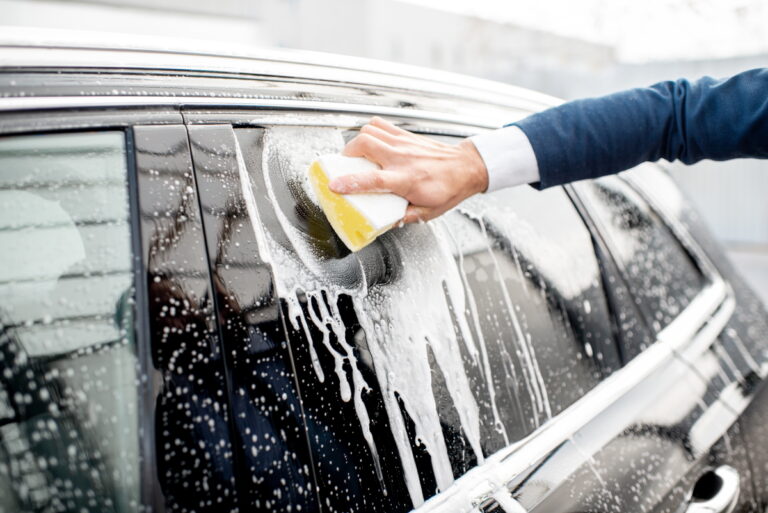
Image Source: qualityautoglasstint.com
Grasping the Tint Curing Process Washing Car
When new window tint is put on your car, it is not just stuck on with instant glue. Installers use a special solution. This solution helps them move the film around to get it in the perfect spot. It also helps them push out air bubbles. A bit of this solution gets trapped between the film and the glass. The tint needs time to dry out and let the adhesive bond firmly to the window. This drying and bonding time is called the curing process.
Imagine gluing two things together. You use glue. Then you usually need to wait for the glue to dry and become strong, right? It is the same idea with window tint. The ‘glue,’ or adhesive, on the tint film needs to stick really well to the glass. The water and solution trapped under the film must evaporate. This makes the adhesive bond completely.
This curing process takes time. It is not instant. It can take a few days. During this time, the tint is delicate. The adhesive is still becoming strong. Water is still drying out.
You might see some small bubbles or hazy spots under the tint right after it is put on. This is normal. It is often just the trapped solution drying out. These usually go away as the tint cures. Do not poke them!
Trying to clean or wash your car during this curing time is risky. Water and cleaning products can mess up the drying process. They can get under the edges of the film. This stops the adhesive from sticking right. It is like getting your glued project wet before the glue is dry. It weakens the bond.
The full curing process takes several days. This is why the waiting time for washing your car after tint is needed. Giving it enough time ensures the tint stays looking good and lasts a long time.
Establishing the Wash Car After Window Tint Timeline
Okay, so you know you have to wait. But what is the exact wash car after window tint timeline? Most tint professionals suggest waiting at least 3 days. Many recommend waiting a full 7 days. Think of 7 days as the safest bet.
Why the range? Well, several things change how fast the tint dries and cures.
- Weather: This is a big one. Warm, sunny weather helps the water dry faster. Cold or cloudy weather makes it dry slower. If it is warm and sunny, 3 days might be enough. If it is cool or damp, waiting the full 7 days (or maybe even a bit longer) is a better plan.
- Type of Tint Film: Different tint films have different thicknesses and adhesives. Some might cure slightly faster or slower than others.
- Amount of Slip Solution Used: The installer uses a ‘slip solution’ to help apply the film. If a lot was used, it might take longer to dry out.
- Car Storage: Where you park your car matters. Parking it in direct sunlight can speed up curing. Parking it in a cool garage might slow it down.
Most people should plan for a 7-day wait. This gives the tint the best chance to cure fully. It avoids most of the risks. Waiting longer than 7 days is always okay. Waiting less than 3 days is usually not a good idea.
Here is a simple timeline idea:
- Day 1 (Tint Day): No washing. Do not even roll down windows.
- Days 2-6: No washing. Let the tint dry. Avoid rolling down windows if possible, though many modern tints allow it after 24-48 hours. Check with your installer.
- Day 7 (Or later): You can usually wash your car now. Be gentle, especially around the windows.
Always listen to what your tint installer tells you. They know the specific film they used. They know the local weather. Their advice is the most important. If they say wait 5 days, wait 5 days. If they say wait 10 days because it is cold, wait 10 days.
Following this simple timeline helps protect your investment. It keeps your tint looking perfect for years.
Risks Washing Car Too Soon After Tint
Washing your car too soon after getting the windows tinted is like testing how strong glue is before it is dry. It usually ends badly. There are specific risks if you wash your car before the tint is fully cured.
The main problems happen because the adhesive is not fully bonded yet. Water or force from washing can disturb the film.
Here are the main risks:
- Peeling: This is a big one. Water or cleaning solution can get under the edges of the film. This lifts the film away from the glass. Once an edge starts peeling, it usually gets worse over time.
- Bubbling: While some small bubbles initially are normal and often dry out, washing too soon can create new, larger bubbles. These bubbles are filled with water or cleaning solution that got trapped because the edges lifted slightly. These bubbles might not go away on their own. They can ruin the look of the tint.
- Creasing or Wrinkling: If the film is still soft and not fully stuck, scrubbing or even wiping too hard can cause it to crease or wrinkle. This damage is usually permanent.
- Film Moving: In the very early stages, the film can actually shift slightly on the glass if disturbed. This can lead to gaps or uneven edges.
- Adhesive Failure: The goal of the curing process is a strong bond. Washing too early, especially with harsh chemicals or high pressure, can prevent the adhesive from reaching its full strength. This can lead to problems later on, like the tint not lasting as long.
These risks are why tint installers give you that waiting period. They want your tint to look great and last. Washing too soon can undo their careful work. It can mean paying to have the tint fixed or even replaced.
Think of the waiting period as a necessary pause. It protects your new tint job from early failure. Be patient! Waiting a few extra days is much better than dealing with peeled or bubbled tint.
How Long Wait Wash Car After Tint: Key Factors
We touched on this already, but let’s look closer at what changes the answer to “How long wait wash car after tint?” It’s not just one simple rule for everyone.
The ideal waiting time can range from 3 to 10 days, or even more in some cases. Here is a deeper look at the things that affect it:
H4 Impact of Climate and Weather
This is often the biggest factor.
- Warm and Sunny: High temperatures and direct sunlight speed up evaporation. The water under the tint dries faster. Curing happens quicker. In hot climates, 3-5 days might be enough.
- Cold and Cloudy: Low temperatures and no direct sun slow down evaporation significantly. The water stays trapped longer. Curing takes more time. In cold or damp climates, you might need to wait 7-10 days, or even longer if it is very cold.
- Humidity: High humidity can also slow down the drying process, even if it is warm. Dry air helps water evaporate faster.
If you get your tint done in the summer in a warm place, you are on the shorter end of the timeline. If you get it done in the winter in a cold place, expect to wait longer.
H4 Influence of Tint Film Type
Not all tint films are the same.
- Standard Dyed Films: These are common and usually follow the typical 3-7 day rule.
- Metalized or Ceramic Films: These are often thicker and use different adhesive technologies. They might have slightly different curing times. Your installer will know the specifics for the film they used.
- Thickness of Film: Thicker films might hold onto the slip solution a bit longer.
Your installer’s experience with the specific film is key here.
H4 Amount of Slip Solution Used
Installers use a soap and water solution (the ‘slip solution’) to apply the film smoothly. Pushing this solution out from under the film is part of the installation skill. Some installers might use slightly more or less depending on the film and the window shape. More solution means more water to evaporate.
H4 Vehicle Storage Conditions
Where your car sits during the curing period matters.
- Outdoor in Sun: Helps speed up curing.
- Outdoor in Shade/Cloudy: Curing will be slower.
- Garage (Heated): Can help maintain a consistent, warmer temperature, aiding curing.
- Garage (Unheated/Cold): Will slow down curing, especially in winter.
If you can park your car outside in the sun for a few hours each day, it will help the tint cure faster.
Considering these factors helps you understand why there isn’t one single answer. Always check with your installer for their specific recommendation based on the film and the conditions. Waiting the recommended time, even if it feels long, is always the best approach for a lasting tint job.
Hand Wash Car After Window Tint: The Safest Method
Once the waiting period is over (that crucial 3 to 7+ days!), the safest way to wash your car is by hand. Hand washing gives you control. You can be gentle, especially around your newly tinted windows.
Here is how to approach a hand wash car after window tint:
H5 General Car Washing
Wash the main body of your car as you normally would, using car wash soap and a soft wash mitt. Rinse thoroughly. The main thing is to avoid spraying high-pressure water directly at the window edges. Normal hose pressure is fine.
H5 Washing Car Windows After Tint
This part needs a little extra care.
- Use the Right Cleaner: This is very important. Do NOT use cleaners with ammonia. Ammonia can damage tint film over time. It can break down the adhesive or even change the color of the film. Look for cleaners specifically labeled ‘tint-safe’ or ‘ammonia-free’. Windex and many common glass cleaners contain ammonia. Simple solutions like water with a tiny bit of mild soap (like baby shampoo) or a dedicated tint cleaner are best. Isopropyl alcohol diluted with water (about 50/50 mix) is also generally safe for cleaning glass with tint.
- Use Soft Cloths: Use clean, soft microfiber cloths. Avoid paper towels, which can be too abrasive and leave lint. Have two cloths: one for cleaning, one for drying.
- Clean Gently: Spray the cleaner directly onto the cloth, not onto the window. This prevents the cleaner from getting behind the edges of the tint. Gently wipe the inside and outside of the windows. Do not press too hard. Do not scrub vigorously.
- Pay Attention to Edges: Be extra careful near the edges of the film, especially on the inside. Do not pick or scratch at the edges. If you need to clean right up to the edge, use a corner of your cloth and wipe gently inwards from the edge.
- Dry Immediately: Use your second clean, dry microfiber cloth to dry the windows right away. This prevents water spots and streaks. Drying also helps ensure no water sits on the film edges for too long.
Cleaning car windows after tint installation needs a gentle touch and the right products. Hand washing allows you to control the pressure and where the water and cleaner go. It is the best way to keep your tint looking new and prevent damage.
Automatic Car Wash After Tinting: Proceed with Caution
Can you take your car through an automatic car wash after tinting? This is a common question. The answer is yes, eventually, but you need to be very careful, and it is generally not recommended as the primary way to wash a car with tint.
Here is the breakdown of automatic car wash after tinting:
H5 Brush-Style Washes
These are the ones with the big spinning brushes, cloths, or foam fingers that touch your car. These are the most risky for tinted windows, even after the tint is fully cured.
- Risk of Peeling/Damage: The force and motion of the brushes or cloths can catch the edges of the tint film, especially on the inside where the film does not go all the way down into the window seal. This can cause the film to lift, peel, or get scratched.
- Harsh Chemicals: Automatic car washes often use strong chemicals that might not be tint-safe. These chemicals, combined with the scrubbing action, can damage the film over time.
Avoid brush-style automatic car washes altogether if possible. They pose a continuous risk to the tint, even months or years after it was installed.
H5 Touchless Washes
These washes use high-pressure water sprays and chemicals, but nothing physically touches your car other than the water and soap. Are these safe?
- High-Pressure Risk: While nothing touches the film directly, the high pressure water can still be an issue. If there is even a tiny spot where the tint edge is not perfectly sealed, high-pressure water can get underneath and cause bubbling or peeling. This risk is lower than with brush washes, but it is still there.
- Chemicals: Again, check if the chemicals used are ammonia-free and safe for tint. This info is often hard to find for an automatic wash.
Touchless washes are less risky than brush washes after the tint is fully cured (at least 7-10 days or more). However, they are still not as safe as a gentle hand wash. If you must use an automatic wash, a touchless one is the better choice, but wait longer than the minimum curing period (maybe 2-3 weeks) just to be extra safe with the high pressure.
H5 Car Wash Add-ons
Be careful with things like wax or sealant applications in automatic washes. Make sure any products used are compatible with window tint.
In summary, automatic car washes, especially brush ones, should be avoided if you have tinted windows. Hand washing is the safest method. If you use a touchless wash, wait longer than the minimum curing time and accept there is still a small risk compared to hand washing.
Pressure Washing Car After Tint: A Clear Danger
Using a pressure washer on your car after tinting requires extreme caution, to the point where it’s generally best to avoid using it directly on or near the tinted windows at all.
Pressure washing car after tint poses significant risks, much like automatic car washes, but often with even more force.
H5 Why Pressure Washing is Dangerous
- High Force: Pressure washers blast water out with intense force. This force is designed to strip away dirt and grime. It can easily strip away or lift window tint film if the stream hits the edges.
- Targeting Edges: The edges of the tint film are the most vulnerable points. If the high-pressure spray gets under an edge, even a tiny bit, it can peel the film right off the glass. This damage happens very quickly.
- Damage to Film: Even if the edges hold, extremely high pressure directed at the flat surface of the tint might potentially damage the film itself, although lifting edges is the more common problem.
H5 How to Safely Pressure Wash (If You Must)
If you are pressure washing the rest of your car (body panels, wheels), keep the pressure washer spray far away from the windows.
- Maintain Distance: If you must spray near a window, stand back several feet. The further away you are, the less force the water has.
- Low Pressure Setting: If your pressure washer has adjustable settings, use the lowest pressure setting when anywhere near glass.
- Avoid Edges: Do not direct the spray directly at the edges of the windows or seals. Aim the spray towards the center of the glass or body panel, keeping it angled away from the tint edges.
- Consider Alternatives: For cleaning glass, a standard garden hose with a spray nozzle or simply hand washing is much safer than a pressure washer.
For cleaning car after window tint installation, especially the windows themselves, pressure washing is not the right tool. Stick to gentle hand cleaning for the windows. Reserve the pressure washer for areas away from the glass.
Cleaning Car After Window Tint Installation: Best Practices
After the initial waiting period, keeping your car clean is important. But cleaning car after window tint installation, especially the windows, needs the right approach for long-term care.
Here are the best practices for cleaning your car, focusing on the tinted windows:
H5 Wait for Curing (Again!)
Seriously, do not wash during the first 3-7+ days. This is the most crucial step.
H5 Choose Your Washing Method Wisely
- Hand Wash: This is the top choice for cars with tint. It gives you control and allows you to be gentle around the windows.
- Touchless Automatic Wash: A second choice, but wait longer than the minimum cure time and be aware of the small pressure risk.
- Brush Automatic Wash / Pressure Wash: Generally avoid these directly on the windows.
H5 Inside Window Cleaning
The inside of the windows is where the tint film is applied. This needs the most care.
- Use Ammonia-Free Cleaner: This is non-negotiable. Check the label. Ammonia will damage tint. Use dedicated tint cleaner, diluted gentle soap, or diluted isopropyl alcohol.
- Soft Microfiber Cloths: Use clean cloths. Dirty cloths can scratch the film.
- Spray Cloth, Not Glass: Apply cleaner to your cloth first. This stops liquid from getting behind the film edges.
- Wipe Gently: Do not press hard. Use smooth, gentle strokes.
- Clean Edges Carefully: Do not pick or scratch at the edges. Wipe inwards from the edge if needed.
- Dry Thoroughly: Use a separate dry cloth to prevent streaks.
H5 Outside Window Cleaning
The outside of the glass does not have the tint film. You can use your regular ammonia-free glass cleaner here. However, still use soft cloths and avoid aggressive scrubbing. When rinsing, be careful not to direct high-pressure water at the seal around the window, as it could still potentially force water under the edge of the film from the outside (less likely, but possible).
H5 Avoid Harsh Tools
Do not use razor blades, abrasive pads, or hard brushes on tinted windows, especially on the inside. These will scratch the film.
H5 Watch for Problems
After cleaning, look closely at your tint. Do you see any new bubbles, peeling, or scratches? Catching problems early can sometimes make them easier to fix.
By following these best practices for cleaning car after window tint installation, you help ensure your tint stays looking its best for years. It is mostly about being patient initially and then being gentle and using the right products for ongoing care.
Fathoming When Can I Wash My Car After Window Tint
So, to fully answer the question, when can I wash my car after window tint? It’s not a single date for everyone. It’s a period of time, usually 3-7 days or more, that depends on crucial factors.
The absolute minimum wait time most installers recommend is 3 days. However, waiting a full 7 days is the widely accepted safe standard. In colder or wetter climates, or with certain types of film, waiting 10 days or even longer might be necessary.
Think of the waiting time as letting the tint film become one with your window. The adhesive needs to bond fully. Any water or pressure before that bond is strong can break it.
H5 Why Patience Pays Off
- Prevents Peeling: The most common and visible issue from washing too soon.
- Avoids Bubbles: Stops cleaning solutions or water from getting trapped under the film.
- Ensures Proper Adhesion: Guarantees the tint sticks properly for long-term durability.
- Maintains Appearance: Protects against wrinkles, creases, and scratches.
H5 How to Confirm It’s Safe
The best confirmation is your installer’s advice. If you can’t ask them, observe the tint. Have the initial hazy spots or small bubbles disappeared? That’s a good sign the water has evaporated, and the curing is well underway. However, even if the haze is gone, the adhesive might not be at full strength, so waiting the full recommended period (at least 7 days) is still wise.
H5 After the Wait: Gentle is Key
Remember, even after waiting, the way you wash matters. Hand washing is safest. Use ammonia-free cleaners on the inside. Be gentle around the edges. Avoid brush automatic washes and pressure washers near the windows.
By understanding the curing process and respecting the recommended wash car after window tint timeline, you can protect your investment and enjoy your tinted windows for many years without problems like peeling or bubbling. It’s a small wait for a long-lasting benefit.
Frequently Asked Questions About Washing After Tint
Here are some common questions people ask about washing their car after getting the windows tinted:
H4 Can I roll down my windows after getting tint?
This is another thing you need to wait for. Most installers say wait at least 24-48 hours before rolling down your windows. The top edge of the tint film is very vulnerable during the first day or two. Rolling the window down can catch this edge and cause it to peel or lift. Check with your installer for their specific recommendation for the film they used.
H4 What if it rains right after I get tint?
Rain is usually okay. Getting the outside of the windows wet does not hurt the tint on the inside unless water somehow forces its way under the seals, which is unlikely with normal rain. The main thing is to avoid washing the car with soap and pressure during the curing time. Also, avoid rolling down the windows in the rain during the first few days.
H4 I accidentally got the windows wet while washing too soon. What should I do?
If it was just a little water on the outside, it might be okay. If you used soap or pressure, or got the inside wet, check the tint carefully. Look for lifted edges or new bubbles. If you see problems developing, contact your tint installer. They might be able to fix it if caught early, but often damage from washing too soon is permanent and requires replacing the film.
H4 Can I clean the inside of the windows before the outside after the wait time?
Yes. Once the curing time is over, you can clean the inside and outside windows. Remember to use tint-safe cleaner and soft cloths on the inside.
H4 My tint has some small bubbles or haze after the wait time. Is this normal?
A little bit of haze or very tiny bubbles might still be drying out even after 7 days, especially in cooler conditions. However, large bubbles, lifted edges, or widespread haziness after the recommended curing time (usually 7-10 days) could be a sign of a problem with the installation or that it didn’t cure correctly. Contact your installer if you are concerned. Do not try to push large bubbles out yourself.
H4 Can I use Windex or other ammonia glass cleaners on the outside of my tinted windows?
Yes, you can use regular ammonia-based glass cleaner on the outside of your windows because the tint film is on the inside. However, it is generally easier and safer just to use your ammonia-free tint cleaner for both sides to avoid mix-ups.
H4 How long does tint usually last?
With proper care, including waiting the right amount of time before washing and using proper cleaning methods, quality window tint film can last for 5 to 10 years or even longer, depending on the film type and climate. Washing correctly plays a big part in its lifespan.
These answers cover common worries. The main takeaway remains: patience and proper cleaning methods after the initial wait are key to happy tinting.