So, how much water do car washes use? The amount of water a car wash uses changes a lot based on the type of wash and its equipment. A modern automatic car wash can use as little as 15-40 gallons of fresh water for each car, especially if it has water recycling systems. Older automatic washes or self-serve bays might use more, sometimes from 50 to over 100 gallons. Washing a car at home with a garden hose often uses even more water, sometimes hundreds of gallons.
Car wash water consumption is a topic many people think about. We want clean cars. But we also want to use water wisely. This is important for the planet. Car washes use water, but how much? Does washing at home use less water? Let’s look closely at the facts.
There are different ways to wash cars. Each way uses different amounts of water. Knowing the differences helps us see which methods are best for saving water.
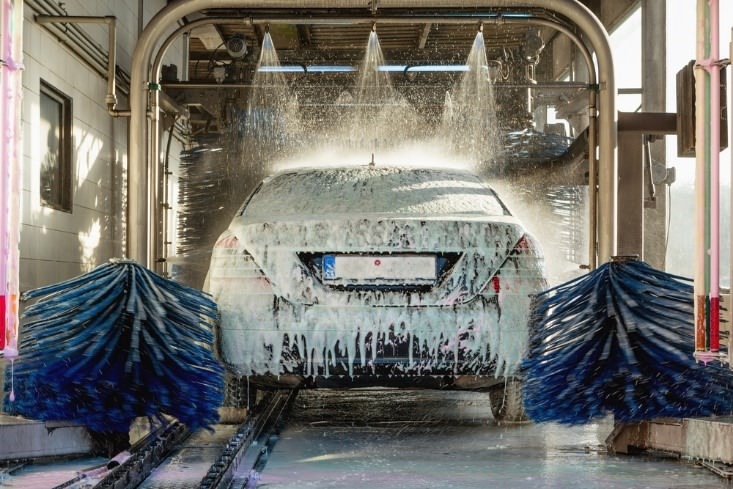
Image Source: earth911.com
Different Ways to Wash Cars
People wash cars in a few main ways. You can wash it yourself at home. You can go to a place where you wash it yourself in a bay. Or you can go to a place where machines wash the car for you.
Automatic Car Wash Water Usage
Automatic car washes are places where you drive your car in, and machines do the washing. There are two main kinds:
- In-Bay Automatic: You park your car inside a bay. A machine moves back and forth around your car. It sprays water and soap. It rinses the car.
- Tunnel Wash: You drive your car onto a conveyor belt. The belt pulls your car through a long tunnel. Different machines along the tunnel clean the car. They presoak it, wash it with brushes or cloths, rinse it, and dry it.
Automatic car wash water usage can be quite low per car. This is because they use special systems. They spray water with high pressure. This cleans the car well using less water than a low-pressure hose.
For an in-bay automatic wash, the gallons per car wash can be about 40-60 gallons of fresh water. This is if they don’t have good water recycling. If they have good recycling, they might use much less fresh water.
For a tunnel wash, the fresh gallons per car wash can be even lower. They might use only 15-30 gallons of fresh water per car. This is because they can reuse a lot of the water. The water goes through cleaning systems. Then it is used again for the first rinse or presoak.
Water Use in Automatic Washes
Let’s look at typical amounts for automatic washes. These numbers can change based on the specific place and its machines.
| Type of Automatic Wash | Typical Fresh Water Use (Gallons per Car) | Notes |
|---|---|---|
| Older In-Bay Automatic | 50 – 70 | Less likely to have recycling |
| Modern In-Bay Automatic | 30 – 50 | Often have some recycling |
| Older Tunnel Wash | 40 – 60 | May recycle some water |
| Modern Tunnel Wash | 15 – 30 | Use good recycling systems |
These numbers show that modern automatic washes use less fresh water. This is good for saving water.
Self Serve Car Wash Water Use
Self serve car washes are bays where you park your car and use a spray wand yourself. You put money in a machine. You choose what you want to do, like spray soap or rinse. You control the spray wand.
Self serve car wash water use is harder to put an exact number on. It depends on the person washing the car. Some people use the spray for a short time. They might use 10-15 gallons for the main wash and rinse. Other people take a long time. They might use 20-30 gallons or more.
The machines in self-serve bays use water with some pressure. This helps clean the car faster than a simple garden hose. But because the person decides how long to spray, the water use changes a lot.
Water Use in Self-Serve Bays
Let’s look at a range for self serve car wash water use.
| Type of Wash | Typical Water Use (Gallons per Car) | Notes |
|---|---|---|
| Self Serve Bay | 10 – 30+ | Amount depends on the person |
So, self-serve can use less water than some automatic washes if you are quick. But it can also use more than the most modern automatic washes.
Home Car Wash vs Commercial Water Use
Many people wash their cars at home. They might use a bucket and a garden hose. This seems simple, but it often uses a lot of water.
When you wash a car at home with a hose running all the time, you can use a lot of water very quickly. A standard garden hose can use 5-10 gallons of water every minute. If you take 10-20 minutes to wash your car, you could use 50 to 200 gallons of water or even more. Using a bucket helps save water. You fill the bucket and use it to wash the car, only using the hose for rinsing. But even with a bucket, the final rinse can use many gallons.
Comparing home car wash vs commercial water use clearly shows a difference. Modern commercial car washes, especially tunnel washes with recycling, use much less fresh water per car than most people use washing at home with a hose. Even washing at home with a bucket and hose likely uses more water than a modern commercial wash.
Water Use Comparison: Home vs. Commercial
Here is a look at home washing versus commercial options.
| Place of Wash | Typical Water Use (Gallons per Car) | Notes |
|---|---|---|
| Washing at Home (Hose) | 50 – 200+ | Can use a huge amount of water |
| Washing at Home (Bucket + Hose Rinse) | 30 – 100+ | Better than hose only, still can be high |
| Self Serve Bay | 10 – 30+ | Varies by user speed and care |
| Modern In-Bay Auto | 30 – 50 | Efficient, uses some recycling |
| Modern Tunnel Wash | 15 – 30 | Very efficient, heavy recycling |
This table makes it clear. Commercial car wash water use is often lower per car than washing at home. Especially when the commercial wash uses modern technology and recycling.
What Changes Water Use
Many things can make the amount of water a car wash uses go up or down. It’s not just the type of wash.
Type of Wash System
As we saw, the basic system matters. Tunnel washes can be set up to reuse water more easily than simple in-bay or self-serve bays. The way the system sprays water and cleans affects how much is needed.
Age and Technology of Equipment
Newer car wash machines are often made to save water. They might use better spray patterns. They might have sensors to know where the car is. This stops spraying water where it’s not needed. Older machines might use more water just because they are not as smart or efficient.
Services Offered
A basic wash uses less water than a premium wash. A wash with extra rinses, special sprays for wheels, or other added steps will use more water. Each step needs water.
Water Pressure and Flow Rate
High water pressure helps clean the car quickly. It uses less water volume compared to low pressure spraying a lot of water over a longer time. The rate at which water comes out of the sprayers (flow rate) also matters. Efficient systems control flow rate to use just enough water.
Presence of Water Recycling Systems
This is one of the biggest factors. If a car wash has a good system to clean and reuse water, it will use much less fresh water. This is a major point for water conservation car washing.
How Water Recycling Helps
Water recycling is a key technology for saving water in car washes. It lets car washes use the same water many times.
Car Wash Water Recycling Systems Explained
Car wash water recycling systems collect the water that runs off the cars. This water has soap, dirt, and oil in it. The system cleans this water. It uses filters and sometimes chemicals or microbes to make the water clean enough to use again.
The used water goes into special tanks. It passes through filters to remove dirt and grit. It might go through more steps to remove soap or oil. Then, this cleaned water is stored. It is often used for the first steps of the wash, like the presoak or the undercarriage spray. Fresh water is typically used for the final rinse to make sure the car is spotlessly clean.
A good recycling system can reuse 70% to 90% or even more of the water. This means a car wash that uses 100 gallons of water in total for a wash might only need to add 10-30 gallons of fresh water. The rest is recycled water.
Steps in a Simple Recycling System
- Collection: Used water goes down drains into tanks.
- Settling: Heavy dirt sinks to the bottom of tanks.
- Filtering: Water passes through filters to remove smaller particles.
- Treatment: Might involve more cleaning steps (like ozone or chemicals).
- Storage: Cleaned, recycled water is stored in a tank.
- Reuse: Recycled water is pumped back into the wash system for early steps.
These systems are vital for modern commercial car wash water use efficiency.
Water Conservation Car Washing Practices
Water recycling is the main way commercial washes practice water conservation car washing. But they also use other methods:
- Low-Flow Nozzles: Sprayers designed to use less water while still providing good pressure.
- Sensors: Detect when a car is present so water only sprays when needed.
- Timers: Control how long water sprays for each step, preventing waste.
- Efficient Soaps: Soaps that work well with less water or in hard water conditions, sometimes designed to work with recycled water.
- Regular Maintenance: Keeping equipment working well stops leaks and ensures systems run efficiently.
These practices, especially car wash water recycling systems, greatly reduce the average car wash water usage for fresh water.
Typical Water Amounts Used
Let’s pull together the typical amounts of water used. Remember, these are averages or ranges. The exact amount depends on the specific wash place and its technology.
Average Gallons Per Car Wash Across Types
Here is a summary table showing the average gallons per car wash for different methods, focusing on fresh water use for commercial washes with recycling.
| Washing Method | Average Fresh Water Use (Gallons per Car) | Key Factor for Use Amount |
|---|---|---|
| Washing at Home (Hose Running) | 100 – 200+ | Uncontrolled flow, long spray times |
| Washing at Home (Bucket + Hose Rinse) | 50 – 100+ | Rinse still uses a lot of water |
| Self Serve Car Wash | 10 – 30+ | How fast the user is |
| Commercial Automatic (In-Bay, without recycling) | 50 – 70 | Older technology |
| Commercial Automatic (In-Bay, with recycling) | 30 – 50 | Recycling helps, but less complex than tunnels |
| Commercial Automatic (Tunnel, with recycling) | 15 – 30 | High efficiency, advanced recycling systems |
This table clearly shows that commercial car washes, especially modern ones with recycling, use much less fresh water than washing at home. The average car wash water usage for these places is quite low compared to home washing.
Water Use in Businesses
Commercial car wash operations are businesses. They need to be efficient for many reasons. Water use is a big part of this.
Deciphering Commercial Car Wash Water Use
Commercial car wash water use is carefully managed. Water costs money. Using less water lowers bills. Also, many places have rules about water use and wastewater. Being water efficient helps businesses follow these rules and be good neighbors.
Modern commercial washes are designed with water saving in mind. They invest in good equipment and recycling systems. This is part of their business plan. It helps them save money over time and market themselves as environmentally friendly. The technology they use for spraying, cleaning, and recycling is key to their low water use per car.
Water Conservation in Commercial Settings
Commercial washes use several methods for water conservation car washing:
- Automated Controls: Computers control sprays and water flow. This stops waste. Water is only used when the car is in the right spot.
- Optimized Sprays: Nozzles are designed to clean well with less water volume. High pressure means less water is needed.
- Rainwater Harvesting: Some locations collect rainwater to use in the wash, further reducing fresh water use.
- Employee Training: If staff are involved (like in tunnel washes), they are trained on efficient practices.
- Regular System Checks: Finding and fixing leaks quickly saves a lot of water.
These steps are part of the daily work in commercial car washes to keep water use low.
How Car Washes Affect Nature
Looking at how much water car washes use is important. But we also need to think about the bigger picture. This is the environmental impact car washes have.
Environmental Impact Car Washes Have
The main environmental impact car washes have is related to water.
- Water Use: As we discussed, commercial washes use less fresh water per car than home washing if they recycle. This helps save a valuable resource. However, even with recycling, they still use some fresh water.
- Wastewater Runoff: The water used to wash cars gets dirty. It has soap, chemicals, dirt, oil, and grease from the cars.
- Home Washing Runoff: When you wash a car at home, the dirty water often runs down the driveway and into the street. From there, it can flow into storm drains. These storm drains usually lead directly to rivers, lakes, or the ocean. The dirty water with soap and chemicals can harm plants and animals in the water. The oil and grease are bad too.
- Commercial Car Wash Runoff: Commercial car washes are built to handle wastewater properly. They have special drains that collect all the used water. This water does not go into the storm drains. Instead, it goes into the recycling system, or it is sent to a wastewater treatment plant. Wastewater treatment plants clean the water before it is released back into the environment. This is a big difference in environmental impact car washes have compared to home washing.
So, while commercial washes use water, they manage the dirty water responsibly. This reduces the harm to local water bodies. Home washing, without proper drains, can cause more pollution.
Environmental Comparison: Home vs. Commercial
| Environmental Factor | Home Washing | Commercial Car Wash (Modern) |
|---|---|---|
| Fresh Water Use per Car | High (often 50-200+ gallons) | Low (often 15-50 gallons with recycling) |
| Wastewater Management | Water runs into storm drains (polluting waterways) | Water collected, recycled or sent to treatment |
| Chemical Use | Consumer soaps may not be eco-friendly | Often use specific chemicals designed for treatment/recycling |
| Overall Water Resource Impact | Can waste large amounts of fresh water | Uses less fresh water, protects waterways from pollution |
This shows that even though commercial washes use water, their process is often better for the environment overall because they use less fresh water per car and control wastewater pollution.
Washing at Home vs. at a Business
Let’s take a closer look at the choice between washing your car yourself at home and taking it to a commercial place. People choose home washing for many reasons, like cost or convenience. But from a water use and environmental view, commercial washes often have the advantage.
Home Car Wash vs Commercial Water Use: A Closer Look
We already saw the numbers for gallons per car wash. A commercial car wash, especially one with good car wash water recycling systems, uses much less fresh water for each car than washing at home with a hose. Even with a bucket, home washing can use more water than a modern tunnel wash.
The average car wash water usage in commercial places is lower because they use high-pressure, low-volume sprays. They also time everything. They use recycling systems. At home, it’s easy to let the hose run while you soap or scrub. This wastes a lot of water.
Beyond just the amount of water, the dirty water is a key difference. Environmental impact car washes have depends a lot on where the dirty water goes. At home, it pollutes local water. At a commercial wash, it is cleaned or treated.
So, while washing at home feels cheaper, the cost to the environment from wasted water and pollution can be higher. Commercial washes manage water and waste much better. This makes them the more responsible choice for water conservation car washing.
Detailed Comparison Table
Let’s put more detail into the comparison.
| Feature | Washing at Home | Commercial Car Wash (Modern with Recycling) |
|---|---|---|
| Fresh Water Use | High (50 – 200+ gallons) | Low (15 – 50 gallons) |
| Water Efficiency | Low (manual control, hose flow) | High (automated systems, pressure, recycling) |
| Water Recycling | None typically | High percentage (70-90%+) |
| Wastewater Management | Runs off into storm drains (untreated) | Collected, recycled, or sent to treatment plant |
| Environmental Pollution | High risk to local waterways (soap, dirt, oil) | Low risk (controlled and treated) |
| Equipment | Hose, buckets, sponges | High-pressure pumps, automated sprays, brushes, conveyors, filters, tanks |
| Regulation | Not regulated usually | Regulated for water use and wastewater disposal |
| Convenience | Can wash anytime at home | Need to drive there, specific hours |
| Cost | Lower upfront (water bill), but might use more water volume | Higher per wash, but includes labor, equipment, water treatment |
This table helps illustrate why commercial car wash water use is often more sustainable than home washing when looking at the full picture.
Common Questions
Here are some questions people often ask about car wash water use.
Is a Commercial Car Wash More Efficient Than Washing at Home?
Yes, generally, a commercial car wash is much more water efficient per car than washing a car at home with a garden hose. Even compared to using a bucket at home, modern commercial washes often use less fresh water because they use high-pressure sprays, timers, sensors, and most importantly, water recycling systems. They are designed for efficiency.
Do All Commercial Car Washes Use Water Recycling?
No, not all commercial car washes use water recycling systems. Older washes, especially some older in-bay automatics or basic self-serve bays, might not have recycling. However, water recycling systems are becoming more common, especially in newer and larger tunnel washes. It’s a key way they save water and reduce costs. You can often ask the car wash owner or look for signs that say they recycle water.
How Much Water Does a Typical Automatic Car Wash Use?
A typical modern automatic car wash that uses water recycling systems uses about 15 to 40 gallons of fresh water per car. This number can change based on the specific wash system, its age, and the services included in the wash package. Older automatic washes without good recycling might use 50 to 70 gallons or more.
How Can I Wash My Car at Home Using Less Water?
If you choose to wash your car at home, you can use much less water than just letting the hose run. Use buckets! Fill one bucket with soapy water and another with clean rinse water. Dip your wash mitt in the soap bucket, wash a section, then rinse the mitt in the clean water bucket before getting more soap. Use a spray nozzle with an on/off trigger on your hose for rinsing. Only turn the water on for rinsing, not letting it run constantly. Park on a permeable surface like grass or gravel if possible, so the water soaks into the ground instead of running into storm drains.
What Happens to the Water After a Car Wash?
In a commercial car wash, the used water is collected. It goes into drains that lead to holding tanks. From there, the water is either sent through a water recycling system to be cleaned and reused, or it is sent to a local wastewater treatment plant. Wastewater treatment plants clean the water to remove pollutants before safely releasing it back into rivers or other water sources. At home, without special drains, the dirty water usually flows untreated into the storm drain system, which leads directly to local waterways.
In conclusion, while car washes do use water, modern commercial operations, especially those with water recycling systems, are surprisingly water-efficient per car compared to traditional home washing methods. They also manage wastewater responsibly, reducing pollution. This makes them a more sustainable choice for keeping cars clean while protecting our valuable water resources.