Why Would The Heater In A Car Stop Working? This is a common question when cold weather hits and only cool air comes from your vents. A car heater not blowing hot air usually points to a problem in one of five main areas: issues with the cooling system’s fluid or flow, a blocked or faulty heater core, a thermostat that isn’t working right, problems with how air is directed, or a fan that isn’t pushing air into the cabin. These issues stop your car’s heating system from giving you the warm air you need to stay comfortable on chilly drives.
Let’s look closely at these five main reasons your car’s heater might not work. We will talk about what happens, what signs to look for, and how these problems stop heat from getting to you.
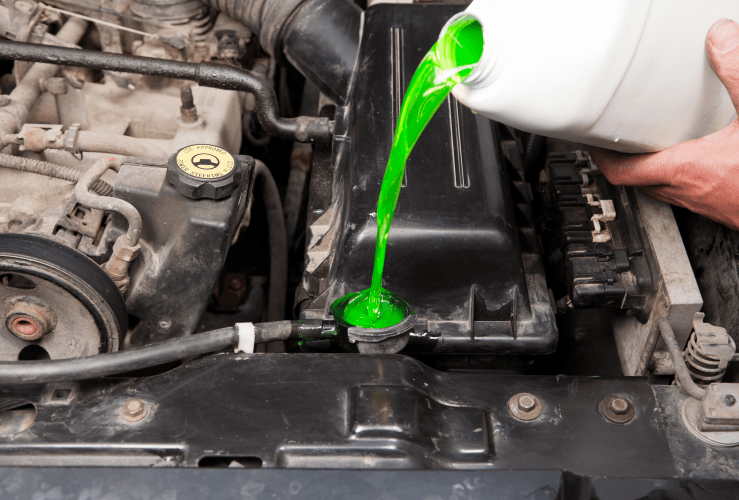
Image Source: www.startrescue.co.uk
Comprehending How Your Car Makes Heat
Before we talk about why the heater might fail, let’s quickly see how it works when everything is right. Your car’s engine makes a lot of heat when it runs. To stop the engine from getting too hot, a liquid called coolant moves through parts of the engine. This coolant picks up the engine’s heat.
The hot coolant then goes through a small radiator inside your car’s dashboard. This small radiator is called the heater core. It looks like a tiny version of the radiator in the front of your car.
A fan, known as the blower motor, pushes air from outside or inside the car through the fins of this hot heater core. As the air moves through, it gets warm from the hot coolant. This warm air is then sent through the vents and into the car’s cabin.
So, for your heater to work, three main things must happen:
* The engine must make heat.
* Hot coolant must flow to the heater core.
* Air must be blown over the heater core and into the car.
Problems with any of these steps can cause your car heater not blowing hot air. Now, let’s dive into the five main reasons this can happen.
Reason 1: Trouble with the Cooling System’s Flow
The cooling system does more than just keep the engine cool; it also provides the heat for your cabin. Hot coolant must travel from the engine to the heater core. If there is not enough coolant or if something stops the flow, the heater core won’t get hot, and you’ll have a car heater not blowing hot air.
Not Enough Coolant: The Core Problem
The most common reason for a car heater not blowing hot air is a low coolant level car heater system. Coolant is the fluid that moves heat. If the level is too low, the hot coolant might not reach the heater core, which is often one of the highest points in the cooling system. Think of it like trying to fill a tall glass with a small amount of water; the water might not reach the top.
Why does coolant get low? Usually, it leaks out. A coolant leak car heater system can happen from many places.
Common places for a coolant leak include:
* Radiator: The main part that cools the engine at the front of the car.
* Hoses: Rubber pipes that carry coolant. These can crack or get old. Heater hose problems are a common source of leaks near the firewall where the hoses go into the cabin.
* Water Pump: The part that pushes the coolant around. It can leak from its seal.
* Heater Core: Yes, the heater core itself can leak inside the car, often showing as wet carpets on the passenger side or a sweet smell.
* Engine Gaskets: Seals between engine parts can fail, letting coolant leak out or into the engine.
If the coolant level is too low because of a leak, the hot fluid simply cannot circulate correctly to the heater core. You might notice your engine temperature gauge is higher than normal because there isn’t enough coolant to cool the engine, and you’ll definitely have a car heater not blowing hot air.
Air Stuck in the System
Another problem linked to the cooling system’s flow is air in cooling system car heater lines. Air can get into the system if coolant runs low, after a repair where the system was opened, or if there’s a leak that pulls air in. Air pockets don’t carry heat like coolant does. If an air pocket gets stuck in the heater core or the hoses leading to it, it stops the hot coolant from flowing through.
This means the heater core stays cool, and the air blown over it will not get warm. You’ll have a car heater not blowing hot air, even if the engine itself is getting hot. Getting the air out, a process called ‘bleeding’ the cooling system, is often needed after fixing a leak or replacing a part.
Clogs in the System
Sometimes, the coolant level is fine, but the flow is blocked. Over time, dirt, rust, or old coolant can create build-up inside the cooling system’s pipes and parts. This build-up is like sludge. This sludge can clog narrow passages, especially in the heater core itself (which we’ll discuss more). But clogs can also happen in the hoses or pipes leading to the heater core. If hot coolant cannot flow freely to the heater core because of a blockage, you get no heat.
Symptoms of cooling system flow problems often include:
* Car heater not blowing hot air, or only blowing slightly warm air.
* Engine temperature gauge reads higher than normal.
* Finding puddles or drips under the car (coolant leak).
* A sweet smell (coolant).
* Feeling that the heater hoses going to the firewall are cold when the engine is warm.
* Hearing gurgling sounds from the dashboard (can be air in the system).
Fixing cooling system flow problems usually means finding and fixing the leak, refilling the system with the right coolant, and properly removing any air. If there’s a clog, the system might need to be flushed out.
Checking Your Coolant Level
Checking your coolant level is one of the easiest first steps if your heater is not working.
* Make sure the engine is cool. Never open the radiator cap or coolant reservoir cap when the engine is hot. Hot fluid and steam can cause serious burns.
* Find the coolant reservoir. It’s usually a plastic tank with ‘Min’ and ‘Max’ lines.
* See where the coolant level is compared to the lines.
* If it’s low, add the correct type of coolant recommended in your car’s manual. Don’t just add water, as this changes the coolant’s properties.
* Watch the level over the next few days. If it drops again, you have a leak.
This simple check can quickly tell you if a low coolant level car heater issue is causing your problem.
Reason 2: A Problem with the Heater Core
As we learned, the heater core is like a small radiator that heats the air. If the heater core itself has a problem, the hot coolant might get there, but the heat won’t transfer to the air correctly, or the coolant might not even be able to get through.
Heater Core Is Clogged
Just like other parts of the cooling system, the heater core can get clogged. Because its tubes are very small and packed closely together, it’s often one of the first places to get blocked by sediment, rust, or sludge from old or poorly maintained coolant.
When the heater core is clogged, hot coolant cannot flow through it freely, or in severe cases, at all. This means the heater core stays cool, and the blower motor pushes cold or slightly warm air into the cabin. Clogged heater core symptoms can include:
* Car heater not blowing hot air, especially at idle speed. Sometimes heat might work slightly better when the engine RPM is high (like when driving on the highway) because the water pump is pushing harder, forcing a little coolant through the clog.
* The dashboard vents blow different temperatures of air on the driver and passenger sides (in cars with dual climate control).
* Reduced airflow from the vents even if the blower motor is working fine.
* The engine might run hotter than usual.
* The heater hoses going to the heater core might feel very different in temperature – one hot (incoming coolant) and one cooler (outgoing coolant that couldn’t flow through).
A clogged heater core is a serious problem. It often requires flushing the cooling system thoroughly or, in many cases, replacing the heater core itself. Replacing a heater core can be a big job because it is located deep inside the dashboard on most cars.
Heater Core Is Leaking
Another heater core issue is a leak. A leaking heater core doesn’t stop the heat directly (at least not right away), but it causes the coolant level to drop. As we discussed in Reason 1, a low coolant level car heater system leads to no heat.
Signs of a leaking heater core include:
* A sweet, sometimes sickly, smell inside the car (this is the smell of hot coolant).
* Fogging of the windows that is hard to clear, especially when the defroster is on.
* Wetness on the floor mats or carpet on the passenger side.
* Seeing coolant drips under the car (though less common for a small internal leak).
* The coolant level in the reservoir drops over time.
If you suspect a clogged heater core symptoms or a leak, it’s important to address it quickly. A severe leak can cause a fast drop in coolant, leading the engine to overheat and suffer major damage. A clogged one means you’ll be cold and your cooling system isn’t working as well as it should, which can stress other parts.
How a Clog Stops Heat
Imagine a garden hose with dirt inside. If there’s a lot of dirt, water can’t flow through easily. The heater core is similar but with hot coolant instead of water. When sludge builds up in the core’s tiny tubes, the hot coolant can’t pass through the way it should. The heat cannot transfer from the coolant to the metal fins of the heater core. When the fan blows air over the cool fins, the air doesn’t get heated. This is why you experience car heater not blowing hot air. The heat is in the engine, the coolant is hot, but it can’t get through the heater core to warm the air entering the cabin.
Reason 3: Car Thermostat Failure No Heat
The thermostat is a small part that controls the flow of coolant through the radiator at the front of the car. Its job is to help the engine warm up quickly and then keep the engine temperature steady. When the engine is cold, the thermostat is closed. This stops coolant from flowing through the main radiator, allowing the engine to reach its working temperature faster. Once the engine reaches the right temperature, the thermostat opens, letting coolant flow through the main radiator to cool down.
When the Thermostat Stays Open
If the thermostat fails and gets stuck in the open position, coolant flows through the main radiator all the time, even when the engine is just starting or it’s very cold outside. This means the engine might never reach its normal working temperature, or it takes a very long time to get warm, especially in cold weather or stop-and-go traffic.
If the engine doesn’t get hot enough, the coolant circulating through the system won’t get hot enough either. Since the heater core relies on hot coolant to produce heat, a car thermostat failure no heat issue occurs because the coolant simply isn’t warm enough to heat the air effectively.
Symptoms of a thermostat stuck open include:
* Car heater not blowing hot air or only slightly warm air, especially when driving at speed where lots of air flows through the main radiator.
* The engine temperature gauge stays very low, maybe not even reaching the middle or normal operating range.
* The engine takes a very long time to warm up.
* Potentially worse fuel economy because the engine’s computer thinks it’s always cold and uses more fuel.
Even though the thermostat isn’t directly in the heater circuit, its failure to regulate the overall system temperature means the heat source for the heater core (the hot coolant) is missing or too cool. A car thermostat failure no heat problem is a common cause of a car heater not blowing hot air. Replacing a stuck-open thermostat is usually a straightforward repair.
When the Thermostat Stays Closed
While less common for no heat issues, a thermostat stuck closed is very serious. This prevents coolant from reaching the main radiator for cooling. The engine temperature will rise rapidly, leading to overheating. While the heater core might get very hot for a short time (as the coolant gets dangerously hot), severe engine damage will occur quickly if not addressed. This would likely cause other, more noticeable problems (like steam from under the hood) before you even focused on the heater. For a no heat issue, a thermostat stuck open is the relevant failure mode.
Reason 4: Air Distribution Problems
Even if you have hot coolant flowing through a good heater core, you won’t feel warm air if the system isn’t directing that hot air into the cabin correctly. This is often controlled by flaps or doors inside the dashboard that route air.
The Blend Door Actuator
Most modern cars use a system called an HVAC (Heating, Ventilation, and Air Conditioning) box behind the dashboard. Inside this box are various doors or flaps. One important door is the “blend door”. This door controls the mix of air that goes into the cabin. It can direct air only through the heater core (for maximum heat), only through the air conditioning evaporator (for maximum cold), or a mix of both (for temperature control).
The blend door is moved by a small electric motor called an actuator. If the blend door actuator fails, the blend door can get stuck in one position.
If the blend door actuator gets stuck:
* Stuck in the cold position (directing air only through the AC evaporator or bypassing the heater core): You will only get cold air, even if the heater core is hot. This is a classic case of car heater not blowing hot air, even though the heating system might be working up to the heater core.
* Stuck in the hot position: You will get hot air all the time, even when you want cold air or have the AC on.
* Stuck somewhere in the middle: You might get air that is not the temperature you selected, or the temperature might be inconsistent.
* Making clicking or buzzing noises: This is a common blend door actuator symptom as the motor tries to move the door but cannot.
Blend door actuator symptoms can vary depending on which door is stuck and where. For a no heat issue, the blend door being stuck on the cold side is the main culprit. Other actuators control which vents the air comes out of (floor, dash, defrost), but the blend door actuator is the one that controls the temperature of the air by mixing hot and cold sources.
Repairing a blend door actuator often involves replacing the small motor. Its location can vary greatly between car models, sometimes being easy to reach and sometimes requiring significant dashboard removal.
Airflow Path and Temperature Control
Visualize the airflow path. Air comes into the HVAC box. It can go through the AC evaporator (to be cooled and dried) and/or the heater core (to be heated). The blend door decides how much air goes through which part or bypasses them. If the blend door is stuck on the ‘cool’ path, the air doesn’t pass over the hot heater core, and you get cold air. This failure doesn’t mean the heating system (engine heat, coolant, heater core) is broken, just that the warm air can’t get to you.
Reason 5: Problems with the Blower System
Even if the heater core is hot and the blend door is directing air over it, you won’t feel any heat if the fan doesn’t work. The blower motor is simply the fan that pushes air through the system and out the vents.
The Blower Motor Itself
If you turn your heater or AC on and feel no air coming out of the vents at any fan speed, the blower motor not working car heater is a likely cause. The blower motor is typically located behind the dashboard on the passenger side, sometimes visible under the glove box.
Reasons a blower motor might stop working:
* Motor Failure: The electric motor can simply wear out or burn up over time.
* Blower Motor Resistor (or Control Module): This part controls the speed of the blower motor. If it fails, the motor might only work on high speed, only on certain speeds, or not at all. A common sign of a bad resistor is the fan only working on the highest setting. If it doesn’t work at all, the resistor could be the problem, or the motor itself.
* Wiring Problems: Damaged wires or loose connections to the blower motor or resistor can prevent it from getting power.
If the blower motor is not working car heater issues will definitely happen because no air is being pushed over the heater core (or AC evaporator). You might have hot coolant and a hot heater core, but without airflow, the heat stays behind the dashboard.
Electrical Issues: Fuse or Relay
Before replacing the blower motor or resistor, it’s always good to check the simpler electrical parts: the fuse and the relay.
* Car Heater Fuse Blown: The blower motor has a fuse in the car’s fuse box (or boxes – often under the hood and/or inside the cabin). If this fuse is blown, the motor won’t get any power. Fuses blow to protect the circuit from too much power draw, often caused by the motor starting to fail or a wiring issue. If you replace the fuse and it blows again right away, there’s a bigger electrical problem or the motor is drawing too much power. Checking the car heater fuse blown status is an easy first step.
* Relay Failure: A relay is an electrical switch. It sends power from the car’s electrical system to the blower motor when you turn the fan on. If the relay fails, the blower motor won’t receive power. Relays can fail without warning.
If the blower motor not working car heater is your main symptom (no air whatsoever from the vents), checking the car heater fuse blown condition and the relay is a good place to start before looking at the motor or resistor.
Symptoms of blower system issues:
* No air comes out of the vents at all, regardless of fan speed setting.
* Air only comes out on the highest fan speed setting (often a sign of a bad blower motor resistor).
* Hearing clicking or buzzing noises from the blower motor area.
* Finding a blown car heater fuse blown in the fuse box.
Replacing a blower motor or resistor is usually much easier and cheaper than replacing a heater core or tracking down a coolant leak, depending on where they are located in your car.
Table Summarizing Key Issues and Symptoms
Here is a quick look at the five main reasons and their common signs you might have a car heater not blowing hot air:
| Reason | How It Stops Heat | Common Symptoms | Related LSI Keywords |
|---|---|---|---|
| 1. Cooling System Flow Problems | Not enough hot coolant reaches the heater core. | Low coolant level, engine overheating, visible leaks, sweet smell, cold heater hoses. | low coolant level car heater, coolant leak car heater, air in cooling system car heater, heater hose problems |
| 2. Heater Core Issues | Hot coolant can’t flow through the core or it leaks. | No/little heat (especially at idle), different temp on driver/passenger side, sweet smell inside, wet carpet. | clogged heater core symptoms |
| 3. Thermostat Problems | Coolant doesn’t get hot enough. | Engine temp stays low, very slow warm-up, car heater not blowing hot air. | car thermostat failure no heat |
| 4. Air Distribution (Blend Door) | Hot air is not directed into the cabin. | Only cold air from vents, temperature won’t change, clicking noise from dashboard. | blend door actuator symptoms |
| 5. Blower System Problems | No air is blown over the heater core. | No air from vents at any speed, air only on high speed. | blower motor not working car heater, car heater fuse blown |
This table helps quickly identify the potential problem area based on what you are seeing or not seeing. All of these ultimately lead to the main symptom: car heater not blowing hot air.
Interpreting the Signs
When your car heater is not blowing hot air, paying close attention to the specific symptoms helps figure out the cause.
- Is there ANY heat? If you get some slightly warm air, but not hot, it might suggest the heater core is partially clogged, the thermostat is stuck slightly open, or the coolant level is just a little low.
- Does the heat work sometimes? If it works while driving but gets cold at idle, it could be a partial clog in the heater core or air in the system, as engine RPM affects coolant flow.
- Is the engine overheating? If your temperature gauge is high, the problem is definitely related to the cooling system (low coolant, clogs, failed water pump), which also stops heat.
- Is there ANY air coming from the vents? If yes, the blower motor works. If no air comes out at all, the problem is the blower motor, resistor, fuse, or relay (Reason 5).
- Can you change where the air comes from (floor, dash, defrost)? If not, other actuators might be failing, but the blend door is still the main one for temperature.
- Do you smell anything sweet inside the car? This strongly points to a coolant leak, likely from the heater core.
- Does the engine temperature gauge stay very low? This is a classic sign of a thermostat stuck open.
Gathering these details helps narrow down the possibilities significantly. While many people can check the coolant level and fuses, fixing most of these problems requires mechanical knowledge. A mechanic can properly diagnose the issue, whether it’s a coolant leak car heater system, clogged heater core symptoms, car thermostat failure no heat, blend door actuator symptoms, or blower motor not working car heater.
Keeping Your Heater Working
Preventing heater problems often comes down to taking care of your car’s cooling system.
- Change Coolant Regularly: Follow your car’s service schedule for changing the coolant. Old coolant loses its anti-corrosion properties and can become acidic, leading to rust and sediment that cause clogs, especially in the heater core. Flushing the system removes this build-up.
- Fix Leaks Quickly: If you notice a coolant leak car heater or anywhere else, get it fixed right away. Low coolant levels are a major cause of no heat and engine damage.
- Use the Correct Coolant: Not all coolants are the same. Using the wrong type can cause problems and damage seals or parts. Check your car’s manual.
- Inspect Hoses and Belts: Heater hose problems like cracks or swelling can lead to leaks. The belt that drives the water pump needs to be in good shape to ensure coolant circulates properly.
Regular maintenance helps avoid issues like a low coolant level car heater system, clogged heater core symptoms, and heater hose problems before they leave you shivering.
When to Get Help
While checking fuses and coolant levels are easy DIY steps, many heater problems require professional help.
* Dealing with hot coolant and pressure in the system can be dangerous.
* Diagnosing leaks accurately often needs pressure testing.
* Replacing a heater core or blend door actuator often involves taking apart the dashboard.
* Bleeding air from the system properly can be tricky in some cars.
* Electrical issues with the blower motor or resistor require testing with tools.
If you’re not comfortable working on your car’s cooling or electrical systems, or if simple checks don’t solve the car heater not blowing hot air problem, it’s best to take it to a qualified mechanic. They have the right tools and knowledge to find the exact reason for the heater failure and fix it safely and correctly.
Frequently Asked Questions About Car Heater Problems
Here are some common questions people ask when their car heater isn’t working.
Q: My car heater only blows cold air. What’s the most likely problem?
A: The most common reasons for a car heater not blowing hot air are a low coolant level, a stuck thermostat (open), a clogged heater core, or a blend door actuator stuck on cold. If there is no air coming out at all, then the blower motor or its fuse/relay is the issue. Checking the coolant level is a good first step.
Q: I smell something sweet inside my car when I turn on the heat. What does that mean?
A: A sweet smell usually means you have a coolant leak. If you smell it when the heater is on, the leak is likely from the heater core or the hoses connected to it inside or near the cabin. This is a serious issue that needs fixing.
Q: My car engine gets hot, but the heater blows cold. Why?
A: If the engine is hot but there’s no heat, it means the hot coolant isn’t reaching the heater core or the heat isn’t being transferred. This could be due to a clogged heater core, air in the cooling system car heater lines blocking flow to the heater core, or a blend door actuator stuck on the cold setting. Low coolant level can also cause this, especially if the level is below the heater core’s height.
Q: Can a low coolant level really stop the heater from working?
A: Yes, absolutely. The heater core is often high up in the cooling system. If the coolant level drops too low, the hot coolant might not be able to flow all the way up to the heater core, leaving it cold. This is a very frequent cause of a car heater not blowing hot air.
Q: The fan works fine, but the air is cold. What isn’t working?
A: If the blower motor not working car heater isn’t your issue (meaning air is coming out), but the air is cold, the problem is upstream from the fan. This points to issues with the heat source (hot coolant) or the air mixing. Possible causes include a low coolant level, a thermostat stuck open (car thermostat failure no heat), a clogged heater core (clogged heater core symptoms), air in the cooling system car heater, or a blend door actuator stuck on the cold setting (blend door actuator symptoms).
Q: How much does it cost to fix a car heater not blowing hot air?
A: The cost varies greatly depending on the cause. Checking/adding coolant or replacing a fuse might cost very little. Replacing a thermostat or blower motor resistor is often moderately priced. Fixing a coolant leak (like heater hose problems) or replacing a blend door actuator can be more expensive depending on access. Replacing a clogged heater core symptoms typically involves a lot of labor to remove the dashboard and is often the most expensive heater repair.
Q: Can I drive my car if the heater isn’t working?
A: If the only problem is the heater isn’t making heat (e.g., blend door actuator, blower motor fuse), and the engine is not overheating, it’s generally safe to drive, although uncomfortable in cold weather. However, if the heater problem is caused by a cooling system issue like a low coolant level car heater, a coolant leak car heater, or a thermostat stuck closed (causing the engine to overheat), driving can cause serious engine damage. Always monitor your engine temperature gauge. If it starts to climb above normal, stop driving as soon as it is safe.
Q: How do I check for a car heater fuse blown condition?
A: You need to find your car’s fuse box location (check your owner’s manual). Identify the fuse for the blower motor or HVAC system (the manual will show which one). Pull the fuse out (usually with a small plastic tool in the fuse box or pliers) and look at it. A blown fuse will have a broken wire inside. You can also test it with a fuse tester or a multimeter. If it’s blown, replace it with a new fuse of the exact same amperage.
This FAQ covers many common concerns and helps people understand the basics of their car’s heating system and what might be wrong.
In Summary
A car heater not blowing hot air is frustrating, but the cause is almost always one of a few common issues related to the cooling system, heater core, thermostat, air control, or the fan that pushes air. By understanding how the system works and recognizing the symptoms of problems like low coolant level car heater, clogged heater core symptoms, car thermostat failure no heat, blend door actuator symptoms, or blower motor not working car heater, you can get a good idea of what’s wrong. Regular maintenance is key to preventing many of these problems. If you can’t easily identify or fix the issue yourself (like a car heater fuse blown), seeking professional help is the safest and most effective way to get your heat back.