Hearing a clicking sound from your car can make you worry. What does it mean? A clicking noise usually means a part is worn out or something is loose. Can you still drive? Maybe, but sometimes a clicking sound warns of a big problem. It is best to find out what is causing the sound. Many things can click in a car. The sound might come from the engine, the wheels, the brakes, or even inside the car. Knowing when and where you hear the clicking helps find the problem. This guide will help you listen closely. It will help you figure out what might be wrong. You can then decide if you need a mechanic.
Image Source: s7d1.scene7.com
Finding the Source of the Sound
A car has many moving parts. Each part can make noise when it is not right. A clicking sound can be loud or soft. It can happen all the time or only sometimes. The first step is to listen carefully. Where does the sound seem to come from? When does it happen?
Think about these questions:
* Does the car click when you start it?
* Does it click when you are driving straight?
* Does it click when you turn the steering wheel?
* Does it click when you push the brake pedal?
* Does it click when the car is just sitting there?
* Does it click under the hood?
* Does it click near the wheels?
* Does it click inside the car near the dashboard?
Your answers help narrow down the possible reasons for the noise. Let’s look at different times you might hear a click.
Clicking When Starting Your Car
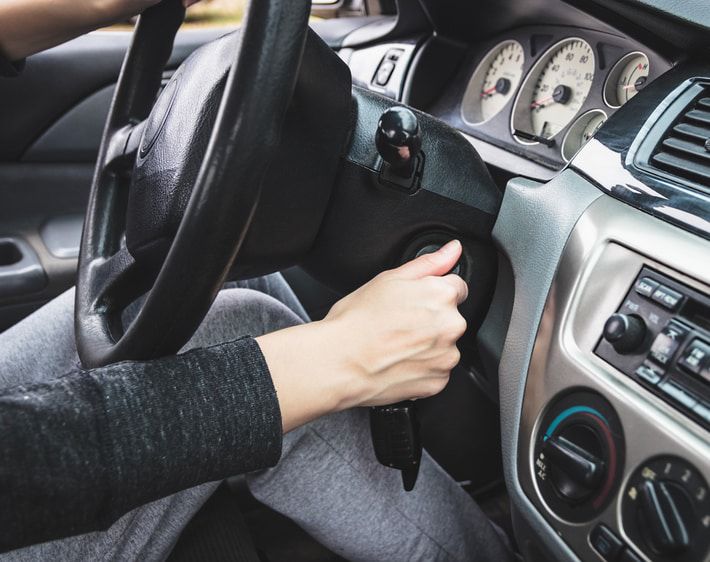
This is a common clicking sound. It happens when you try to start the engine. You turn the key. You hear a rapid clicking noise. But the engine does not turn over. Or it turns over very slowly.
What Makes a Car Click When Starting?
Most times, this means the car battery is weak. It does not have enough power. The starter motor needs a lot of power to turn the engine. If the battery is low, the starter cannot get enough power. Instead, you hear the starter relay clicking.
The starter relay is a small switch. It sends power from the battery to the starter. When the battery is low, the relay tries to connect. But there is not enough power flow. So, the relay clicks open and closed very fast. This rapid relay clicking car sound tells you the battery is likely dead or dying.
Reasons for clicking when starting:
* Low Battery Power: The battery does not have enough charge. Maybe you left the lights on. Or the battery is old.
* Bad Battery Connection: The cables on the battery posts are loose. Or they are dirty. This stops power from flowing well.
* Faulty Starter Motor: Sometimes the starter itself is broken. It might try to work but cannot turn the engine. This can also cause a click.
* Ignition Switch Problems: The part you put the key into can go bad. It might not send the signal correctly. This is less common but possible.
Checking the Starting Click
First, check the battery cables. Are they tight? Are they clean? There should be no white or green fuzzy stuff on them. Clean them if needed.
If the cables are fine, the battery might be dead. You can try to jump-start the car. If it starts with a jump, the battery is the problem. You might need a new battery. Or the alternator is not charging it.
If jumping does not work, the starter might be bad. Or there could be other electrical problems.
When to Get Help
If cleaning cables and jumping the car does not fix the car clicking sound when starting, you need a mechanic. They can test the battery, alternator, and starter motor. They have the right tools for this.
Clicking Noise While Driving
Hearing a click when you are driving is different. The sound might change with the car’s speed. Or it might only happen when you turn. A car clicking noise while driving needs attention. It could be a simple issue. Or it could be a safety problem.
Clicking When Turning the Steering Wheel
This is a very common clicking noise. You usually hear it from the front wheels. It happens when you turn a corner. The clicking might get faster as you turn sharper. Or as you go faster around the turn. This sound points strongly to a specific part.
The CV Joint Click
The most likely cause is a bad CV joint. CV stands for Constant Velocity. CV joints are part of your car’s drive axles. Drive axles connect the transmission to the wheels. They let the wheels turn and move up and down. This happens while power still goes from the engine to the wheels.
Each front wheel on most cars has two CV joints. There is one near the wheel. There is one near the transmission. These joints are covered by a rubber boot. The boot holds grease inside. It keeps dirt and water out.
If this boot gets torn, the grease leaks out. Dirt and water get in. This damages the CV joint. The joint starts to wear down. When it wears, it makes a clicking sound. This sound is loudest when the joint is bent the most. This happens when you turn the steering wheel.
A CV joint clicking sound usually means the joint is failing. It will get worse over time. The clicking will get louder and happen more often. It can start clicking even when you drive straight.
Other Turning Clicks
While a bad CV joint is most common for clicking noise when turning car, other things can make noise too.
- Loose Hub Cap or Wheel Cover: A plastic cover on the wheel might be loose. It can rub and click when the wheel turns. This is a simple fix.
- Something Stuck in the Wheel: A rock or stick could be caught near the brake parts or wheel. It hits something as the wheel spins.
- Wheel Bearing: Less common for clicking, a bad wheel bearing usually makes a humming or grinding noise. But sometimes a clicking can be heard.
Checking Turning Clicks
Listen closely. Which side of the car does the sound come from? Does it click more when turning left or right?
* Clicking when turning left often means the right CV joint is bad.
* Clicking when turning right often means the left CV joint is bad.
Look at the rubber boots behind the wheel. Are they torn? Is grease leaking out? This is a strong sign of a bad CV joint.
When to Get Help
A bad CV joint needs to be fixed. If it breaks completely, the car will not move. This can happen suddenly. It is a safety risk. Get a mechanic to check the CV joints if you hear this click. Ignoring a CV joint clicking sound is not wise.
Clicking Sound From the Engine
Hearing a clicking sound in engine is often more serious. The engine has many parts working together. A click here can mean trouble inside.
Possible Engine Clicks
Engine clicks can come from different places and mean different things.
- Lifters or Valves: Engines have parts called lifters and valves. They control how air and fuel go into the engine. They also control how exhaust gases leave. These parts use oil to work smoothly. If the engine is low on oil, or the oil is old, these parts might click. This often sounds like a tapping or clicking. It can be louder when the engine is cold. Or right after starting. Using the wrong type of oil can also cause this.
- Fuel Injectors: Fuel injectors spray fuel into the engine. They are small electrical parts. When they work, they make a rapid clicking noise. This
fuel injector clickingis often normal. You might hear it faintly. But if one injector is louder than the others, or the click is different, it could be failing. - Spark Plugs or Ignition Coils: Spark plugs make the spark that burns the fuel. Ignition coils give power to the spark plugs. If a spark plug is loose, or a coil is faulty, it can make a clicking or ticking noise. This can also cause the engine to run rough.
- Exhaust Leak: A small leak in the exhaust system, especially near the engine, can sometimes sound like a tick or click. This is the sound of hot gas escaping.
- Serpentine Belt or Pulleys: The belt that runs many parts (like the power steering, alternator, AC) can cause noise. If a pulley is bad, or the belt is worn, it might make noise. This can sometimes sound like a click, especially if something is hitting the belt.
- Internal Engine Damage: In rare, serious cases, a click can mean a part inside the engine is broken or loose. This is usually a loud, scary sound.
Checking Engine Clicks
Listen carefully to the engine. Where does the sound come from? Is it louder on one side? Does it change with engine speed? A click that gets faster as you press the gas pedal is usually engine related.
Check the engine oil level. Is it full? Is the oil clean? Low or dirty oil can cause clicking from lifters.
Look around the engine. Are there any loose parts? Check the serpentine belt for cracks or damage.
When to Get Help
Any loud or new clicking sound in engine should be checked by a mechanic. Especially if the car does not run right. Or if the check engine light comes on. Issues like worn lifters or internal damage need a professional. A bad fuel injector might also need replacing. It is better to find out what the click means early.
Clicking Sound From Brakes
When you press the brake pedal, you might hear a click. This is a brake clicking noise. This usually points to a problem with the brake system.
Reasons for Brake Clicking
- Brake Pads: New brake pads sometimes click into place the first few times you brake. This is usually normal and stops quickly. Worn brake pads can also cause noise, often a grinding or squealing, but sometimes a click if they are loose or rubbing wrong.
- Brake Caliper: The brake caliper holds the brake pads. It squeezes the pads onto the rotor to stop the car. If the caliper is loose, or a part inside is broken, it can click when you brake. This happens as the parts shift.
- Brake Rotor: The rotor is a metal disc the pads press against. If the rotor is damaged or has a lip on the edge, the pads might catch on it. This can cause a click or a thump when you first apply the brakes.
- Loose Hardware: Brakes have clips and bolts. If these parts are loose, they can move when you brake. This movement can make a clicking sound.
- Anti-Lock Braking System (ABS): When the ABS system works (like on slippery roads), it makes the brakes pulse. This can sound like a rapid clicking or buzzing. This is normal when ABS is active.
Checking Brake Clicks
Listen if the sound happens only when you press the brake pedal. Does it happen every time? Does it change based on how hard you brake?
Visually inspect the brakes if you can. Look at the brake pads. How thick are they? Look at the rotor. Does it look smooth?
When to Get Help
Brake issues are serious. Brakes are key for safety. If you hear a brake clicking noise that is new or loud, have a mechanic check your brake system. They can look at the pads, rotors, calipers, and hardware.
Clicking Sound From Wheels
A wheel clicking noise can come from different parts near the wheel. We already talked about CV joints and some brake issues. But other things can click near the wheel too.
More Causes of Wheel Clicks
- Loose Lug Nuts: Lug nuts hold the wheel onto the car. If they are loose, the wheel can shift slightly as it turns. This can cause a clicking or ticking noise. This is very dangerous! A loose wheel can come off.
- Wheel Bearing: As mentioned before, a bad wheel bearing usually hums. But sometimes early failure can cause a click.
- Dust Shield: There is a metal shield behind the brake rotor. It protects parts from dirt. If it is bent, it can rub against the rotor. This rubbing can sound like a click or scrape.
- Objects in Tire Tread: A nail or rock stuck in the tire tread can make a clicking sound every time the wheel goes around. The sound’s speed matches the car’s speed.
- Hub Cap / Wheel Cover: A loose cover on the outside of the wheel can click as it rotates.
Checking Wheel Clicks
Listen to which wheel the sound comes from. Check the lug nuts on all wheels. Are they tight? (Be careful if the car was just driven, parts can be hot). You may need a lug wrench to check tightness.
Look closely at the wheel and tire. Is anything stuck in the tire? Is the hub cap loose? Look behind the wheel for the dust shield. Is it bent close to the rotor?
When to Get Help
If you suspect loose lug nuts, stop driving safely and tighten them. If you cannot do it or are unsure, get help right away. A wheel clicking noise can be a sign of something coming loose. It is best to have a mechanic check it, especially if you cannot find a simple cause like a rock in the tire.
Clicking Sound From Dashboard or Inside Car
Sometimes the click comes from inside the car. It might be under the dashboard. Or near the radio. Or even from the back. A clicking sound from dashboard is less likely to be a major mechanical problem. But it can be annoying.
Internal Clicking Reasons
- Relays: Cars have many electrical relays. These are like switches for different systems (like the horn, turn signals, fuel pump, fan motor). When a relay turns on or off, it can make a clicking sound. This
relay clicking carsound is often normal. You might hear turn signal relays click. But if a relay is clicking constantly or making a strange noise, it could be failing. The fuel pump relay might click when you turn the key on. - HVAC System: The heating and air conditioning system has motors and flaps. These parts move to direct air flow. Small motors called actuators control these flaps. These actuators can make a clicking or tapping noise when they fail. This
clicking sound from dashboardis common from failed blend door actuators. - Loose Objects: Something might be rolling around under a seat. Or stuck in a vent. Or rattling in the glove box.
- Electronics: Sometimes electronic modules or the radio can make faint clicking or buzzing sounds if they are having an issue.
- Turn Signals: This is a normal, rhythmic click. You hear it only when the turn signal is on.
- Windshield Wipers: The wiper motor or linkage can click if there is an issue, especially on certain settings.
Checking Internal Clicks
Listen closely to find the exact spot of the sound. Does it happen only when you turn on the AC? Or when you hit a bump? Or all the time?
Try turning different systems on and off. Does the click stop when you turn off the AC? Does it start when you use the wipers?
Check under the seats and in storage areas for loose items.
When to Get Help
Internal clicks are usually not urgent safety issues. But they can be irritating. If it is a loud or constant clicking sound from dashboard, or if a system like the AC is not working right, a mechanic can help. They can find bad relays or HVAC parts.
Table of Common Clicking Sounds
Here is a simple table summarizing some common clicks and their likely causes:
| Sound Location / When It Happens | Possible Cause | Level of Concern |
|---|---|---|
| When starting the car (fast clicking) | Low battery, bad connection, starter | High (Car may not start) |
| When turning (from front wheel) | Bad CV joint (CV joint clicking) |
Medium to High (Safety) |
| While driving (from engine) | Low oil, worn parts, fuel injector | High (Engine damage) |
| When pressing brake pedal | Loose brake parts, worn pads | High (Brake failure) |
| While driving (from wheel area) | Loose lug nuts, object in tire, CV | High (Safety) |
| From dashboard or inside | Relays, HVAC actuator, loose item | Low to Medium (Annoying) |
What to Do When You Hear a Click
Do not ignore new or loud sounds from your car. A click is the car telling you something is wrong.
- Listen: Note exactly when and where the sound happens.
- Check Simple Things: Is the battery low? Are hub caps loose? Is something caught in a tire?
- Think About Symptoms: Does the car feel different? Does it steer funny? Do the brakes feel soft?
- Decide if Safe: If the click is related to steering, brakes, or a major engine issue, it might not be safe to drive.
- Get Help: For most mechanical clicks (CV joints, brakes, engine), have a trusted mechanic look at the car.
Fixing the Clicking Sound
The fix for a clicking sound depends on what is broken.
- Low Battery: Charge or replace the battery. Clean the cable ends.
- Bad CV Joint: The CV joint or the whole drive axle needs to be replaced. This is common repair.
- Engine Ticking (Lifters): Sometimes an oil change helps. If not, parts inside the engine might need repair.
- Fuel Injector Clicking: If it is too loud, the injector might need cleaning or replacing.
fuel injector clickingcan be normal if faint. - Brake Clicking: Loose parts need tightening. Worn pads or rotors need replacing. Calipers might need service.
- Loose Lug Nuts: Tighten them immediately.
- Objects in Tire: Remove the object carefully. Check for air leaks.
- Dust Shield: Bend it back into place.
- Relay Clicking Car: Replace the faulty relay.
- HVAC Actuator: The bad actuator needs to be replaced.
Some repairs are simple and low cost. Others, like a CV joint or engine repair, can cost more. It is important to fix the problem. Ignoring a click can lead to bigger, more expensive problems later. It can also be unsafe.
Preventing Future Clicks
Regular car care helps prevent many noises.
* Follow Service Schedule: Get oil changes on time. This helps engine parts stay smooth.
* Check Fluids: Make sure engine oil, transmission fluid, and brake fluid are at the right level.
* Inspect Regularly: Look at your tires, wheels, and brake pads. Check for anything loose or torn (like CV joint boots).
* Address Small Issues: Do not wait to fix a small problem. A torn CV boot is cheap to replace if caught early. A bad joint is much more costly.
Taking good care of your car means listening to it. A click might be a small warning. Or it could be a big one. Finding out what it is quickly is always the best idea.
Frequently Asked Questions About Car Clicks
Q: Is a clicking sound in my car always bad?
A: Not always. Some clicks are normal, like turn signals or faint fuel injector clicking. But new, loud, or changing clicks often mean something is wrong.
Q: Can I drive if my CV joint is clicking?
A: You can drive for a while, but it is not safe for long. A clicking CV joint is failing. It could break while you are driving. This would cause you to lose control of the wheel. Get it fixed soon.
Q: What does a clicking noise when turning usually mean?
A: Most often, a clicking noise when turning car means a bad CV joint. This is a common problem in front-wheel drive cars.
Q: Why does my car make a rapid clicking sound but won’t start?
A: This is almost always a dead or very low car battery. The sound is the starter relay clicking car very fast because it doesn’t get enough power.
Q: Could a clicking sound be from loose lug nuts?
A: Yes. A wheel clicking noise can be caused by loose lug nuts. This is very dangerous and must be checked right away.
Q: I hear a clicking from the engine that gets faster as I speed up. What is it?
A: This could be several things inside the engine. It might be valve train parts (like lifters) or fuel injectors. Check your oil level first. Then have a mechanic listen to it.
Q: Is a brake clicking noise normal?
A: Sometimes new brake pads might click slightly. But if the clicking is loud, happens often, or you feel something strange when braking, it is not normal. Have the brakes checked immediately.
Q: I hear a clicking sound from dashboard. Is this serious?
A: Usually, this is not a major safety issue like a wheel or engine click. It could be an electrical relay (relay clicking car) or a part of the heating/cooling system. It is annoying, but often you can drive until you get it checked.
By listening and paying attention to when the click happens, you can often get a good idea of what part is causing the noise. Then you can decide the best way to fix it. Safe driving starts with a healthy car!