If your car speakers sound muffled, it often means that high frequencies are being lost, making your music sound dull and lacking clarity. This can be caused by a variety of issues, from simple obstructions to more complex electrical problems, and it often results in unclear speaker sound or poor car speaker quality.
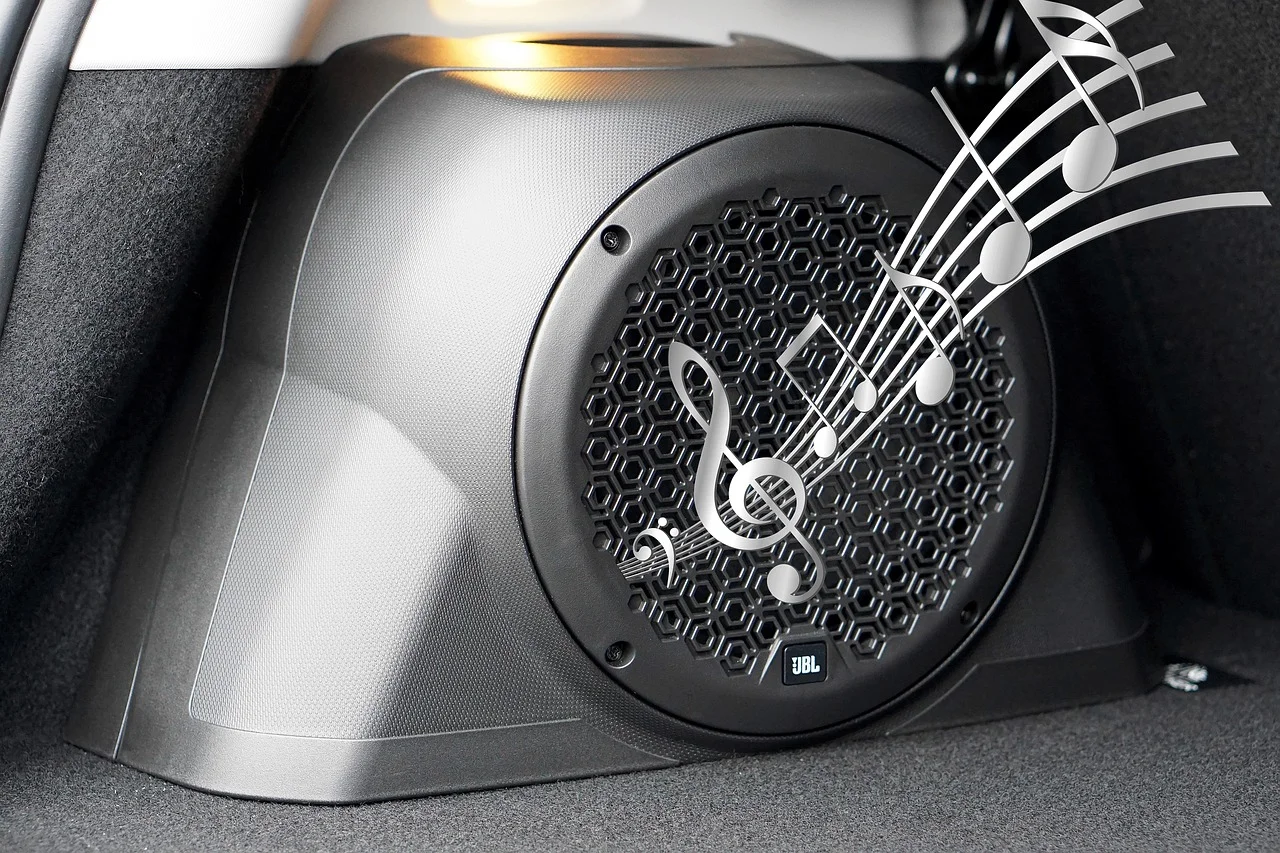
Image Source: caraudioradar.com
Deciphering the Cause of Muffled Car Speakers
Muffled sound in your car speakers can be frustrating. It’s like listening to your favorite songs through a thick blanket. This unpleasant audio experience can stem from numerous sources, ranging from simple physical blockages to more intricate electronic malfunctions. Let’s dive deep into the common culprits behind this audio anomaly and explore effective solutions to restore the crispness and vibrancy to your car’s sound system.
Physical Obstructions and Their Impact
The most straightforward reasons for muffled speakers are often physical. These are the easiest to identify and fix.
Blocked Speaker Grilles
The speaker grilles, designed to protect the speaker cone, can accumulate dust, dirt, and debris over time. If this buildup becomes significant, it can act as a barrier, absorbing and distorting the sound waves.
- How it happens:
- Accumulation of dust and dirt from everyday use.
- Spilled liquids or food particles.
- Small objects falling into the grilles.
- The effect: The sound waves have to push through this obstruction, which muffles the higher frequencies, leading to an unclear speaker sound.
Damaged Speaker Cones
The speaker cone is a flexible material that vibrates to produce sound. If the cone is torn, warped, or damaged in any way, its ability to vibrate correctly is compromised.
- Common causes of damage:
- Overpowering the speaker (leading to blown car speakers).
- Physical impact or punctures.
- Exposure to moisture.
- The outcome: A damaged cone can’t reproduce sound accurately, often resulting in a muffled or distorted output. This can also contribute to car audio distortion.
Improper Speaker Mounting
If the speakers are not securely mounted, they can vibrate against the door panel or mounting surface. This vibration can absorb sound energy and create unwanted resonances.
- Issues with mounting:
- Loose screws.
- Incorrect adapter rings.
- Lack of sealing between the speaker and the mounting surface.
- The result: This can lead to a loss of mid-bass and clarity, making the speakers sound muffled and contributing to bassless car speakers.
Electrical and System-Related Issues
Beyond physical problems, electrical and system-related factors can significantly impact your car audio.
Wiring Problems
Faulty wiring is a common cause of poor audio performance. Loose connections, corroded wires, or damaged insulation can impede the flow of audio signals.
- Types of wiring issues:
- Loose connections: At the speaker terminals, amplifier, or head unit.
- Corrosion: On wire connectors or terminals, hindering conductivity.
- Damaged insulation: Leading to short circuits or signal loss.
- Incorrect wiring: Reversed polarity can cause phase cancellation, making bass weak and overall sound muffled.
- Impact on sound: These issues can lead to low car speaker volume, intermittent sound, or a general lack of clarity, contributing to a weak car sound system.
Amplifier Issues
The amplifier boosts the audio signal before it reaches the speakers. If the amplifier is faulty, underpowered, or set incorrectly, it can cause muffled sound.
- Common amplifier problems:
- Underpowering: If the amplifier cannot provide enough power to the speakers, they may struggle to produce clear sound, especially at higher volumes. This can make the audio seem tinny car audio or muffled.
- Faulty amplifier: Internal damage or component failure can lead to distorted or muffled output.
- Incorrect settings: Bass or treble settings that are too low can make the audio sound muffled.
- Consequences: An underperforming amplifier is a prime suspect for a weak car sound system and can exacerbate issues like car audio distortion.
Head Unit (Stereo) Settings
The head unit is the source of your audio. Its settings play a crucial role in how the music sounds.
- Settings to check:
- Equalizer (EQ) settings: If the treble frequencies are turned down too much, the sound will naturally be muffled. Conversely, excessive bass can overpower other frequencies.
- Balance and Fader: Incorrectly set balance or fader controls can make it seem like certain speakers are muffled or not working.
- Source quality: A low-quality audio file or streaming source can inherently sound muffled or lack detail.
- The effect: Poor EQ settings are a direct route to muffled audio and can make even good speakers sound like they have poor car speaker quality.
Phase Issues
Phase refers to the timing of the audio signal. If speakers are out of phase with each other, certain frequencies can cancel each other out, leading to a thin, muffled, or bassless sound.
- How phase issues arise:
- Incorrect wiring polarity to speakers.
- Mismatched speaker response times in complex systems.
- Auditory result: This is a common cause of bassless car speakers and contributes significantly to an unclear speaker sound.
Advanced Causes and Less Common Scenarios
Sometimes, the cause is not immediately apparent and requires a deeper dive.
Speaker Impedance Mismatch
Speakers have an impedance rating (measured in ohms). If the impedance of the speakers does not match the requirements of the head unit or amplifier, it can lead to performance issues.
- The problem:
- Too low impedance: Can overload the amplifier, causing it to shut down or produce distorted sound, potentially leading to blown car speakers.
- Too high impedance: Can result in low car speaker volume and a lack of power, making the sound muffled.
- System strain: This mismatch can strain your entire audio system, leading to premature failure and a weak car sound system.
Speaker Component Degradation
Over time, the internal components of speakers, such as the surround or spider, can degrade due to age, heat, or environmental factors.
- Signs of degradation:
- Cracked or brittle surrounds.
- Loose or damaged voice coil.
- Sagging spider.
- Impact on sound: These issues prevent the speaker cone from moving freely and accurately, resulting in a muffled or distorted sound, and contributing to crackling car speakers.
Crossover Network Issues
In multi-component speaker systems (like component speakers with separate woofers and tweeters), crossovers direct specific frequency ranges to each driver. A faulty crossover can send the wrong frequencies to a speaker, or block them altogether.
- Faulty crossover effects:
- Tweeters not receiving high frequencies will make the sound muffled and tinny car audio in the sense that the crisp highs are missing.
- Woofers not receiving low frequencies will result in bassless car speakers.
- System imbalance: This leads to an imbalanced sound profile and contributes to poor car speaker quality.
Interference and Electrical Noise
Other electrical components in the car can sometimes interfere with the audio signal, creating noise or distorting the sound.
- Sources of interference:
- Alternator whine.
- Ignition system noise.
- Other aftermarket electronic accessories.
- Auditory symptom: While often heard as buzzing or humming, severe interference can also subtly alter the clarity of the audio, contributing to a general sense of muffled sound.
Troubleshooting Your Muffled Car Speakers: A Step-by-Step Guide
When your car speakers start sounding muffled, don’t despair. A systematic approach can help you pinpoint the problem and implement the necessary fixes.
Step 1: Assess the Severity and Scope
First, determine if the issue affects all speakers or just specific ones.
- All speakers affected: This points towards a system-wide issue like a head unit setting, amplifier problem, or a common wiring fault.
- Specific speakers affected: This suggests a problem localized to those particular speakers, their wiring, or their immediate connections.
Step 2: Check Physical Obstructions
This is the easiest starting point.
- Inspect Speaker Grilles:
- Gently tap on the grilles. Do they sound hollow or obstructed?
- Use a soft brush or compressed air to clean out any visible dust or debris. Be careful not to force anything into the grille.
- Visual Inspection of Speaker Cones (if accessible):
- If you can safely access the speaker cones (e.g., by removing door panels), visually inspect them for tears, warping, or damage. This is a key step in identifying blown car speakers.
Step 3: Examine Speaker Wiring and Connections
Loose or corroded connections are very common.
- Access Speaker Terminals: This usually involves removing door panels or trim pieces.
- Check for Loose Connections: Ensure the wires are securely attached to the speaker terminals. Wiggle them gently to see if they feel loose.
- Inspect for Corrosion: Look for any greenish or whitish buildup on the wire connectors or terminals. If present, clean them with a wire brush or electrical contact cleaner.
- Examine Wire Condition: Look for any signs of fraying, cuts, or damage to the speaker wire insulation.
Step 4: Evaluate Head Unit Settings
Your stereo’s settings can drastically alter sound quality.
- Reset Audio Settings: Try resetting all audio settings on your head unit to their default values. This can undo any accidental EQ or balance/fader adjustments.
- Adjust EQ:
- Increase the treble slightly.
- Reduce bass if it seems overpowering.
- Experiment with different EQ presets.
- Check Balance and Fader: Ensure these are set to center or as desired.
- Test Different Sources: Play music from a different source (e.g., Bluetooth, USB, radio) to rule out a distorted music playback issue with a specific source file.
Step 5: Inspect Amplifier and Wiring (If Applicable)
If you have an aftermarket amplifier, it’s a crucial component to check.
- Check Amplifier Connections: Ensure all power, ground, and speaker wires are securely connected to the amplifier.
- Verify Amplifier Settings: Double-check gain, crossover, and EQ settings on the amplifier. Refer to your amplifier’s manual for proper setup.
- Inspect Fuses: Blown fuses can indicate an electrical issue or an overloaded amplifier.
- Check for Overheating: An amplifier that is excessively hot may be struggling or have inadequate ventilation.
Step 6: Test Speaker Polarity
Incorrect speaker polarity is a frequent culprit for weak bass and muffled sound.
- How to Test: You can use a multimeter set to AC voltage or a dedicated speaker polarity tester.
- Connect the tester to the speaker terminals.
- Play a test tone or a track with a clear beat.
- The tester will indicate if the polarity is correct.
- Correction: If the polarity is reversed, swap the wires at the speaker terminals or at the amplifier/head unit connection. This can resolve bassless car speakers.
Step 7: Use Test Tones and Measurement Tools
For more precise diagnosis, use specialized tools.
- Speaker Polarity Test Tones: Available online or on audio test CDs, these tones help identify phase issues.
- Frequency Sweeps: Playing a sweep tone (from low bass to high treble) can help you identify which frequency ranges are being lost or distorted.
- Multimeter: Can test for continuity in wires and check speaker impedance.
Solutions to Restore Your Car Audio Clarity
Once you’ve identified the cause, here are the solutions to bring back the clarity to your car speakers.
Cleaning and Physical Repairs
- Deep Cleaning Speaker Grilles: For stubborn buildup, you might need to carefully remove the speaker grille (if possible) and clean it more thoroughly with a mild soap and water solution, ensuring it’s completely dry before reinstallation.
- Speaker Cone Repair/Replacement: If a speaker cone is damaged, it often requires replacement of the entire speaker. While some minor cone damage might be repairable by professionals, it’s generally more cost-effective to replace the speaker. This is crucial if you have blown car speakers.
- Secure Speaker Mounting: Tighten any loose screws. If the mounting surface is uneven or the adapter ring is damaged, consider replacing it to ensure a tight, airtight seal.
Electrical System Fixes
- Secure Wiring Connections: Re-crimp or replace any loose or corroded wire connectors. Ensure all connections are clean and protected from moisture.
- Replace Damaged Wiring: If speaker wire is frayed or damaged, replace the affected section or the entire run of wire.
- Address Corrosion: Use electrical contact cleaner and a wire brush to remove corrosion from terminals. For severe corrosion, consider replacing the terminals.
- Correct Speaker Polarity: Ensure all speakers are wired with the correct polarity. This is a vital step for a balanced sound and can resolve bassless car speakers.
Amplifier and Head Unit Adjustments
- Proper Amplifier Gain Setting: Gain is not a volume knob. Set it correctly to match the output of your head unit to avoid clipping and distortion, which can contribute to car audio distortion.
- Adjust EQ Settings: Fine-tune the equalizer on your head unit or amplifier to balance the frequencies. Boost treble slightly if the sound is muffled.
- Upgrade Amplifier (If Underpowered): If your amplifier is consistently struggling to power your speakers, consider upgrading to one with a higher wattage output that is compatible with your speakers’ impedance. This will improve the overall power and clarity, addressing a weak car sound system.
- Replace Faulty Amplifier/Head Unit: If diagnostics point to a faulty head unit or amplifier, replacement might be necessary.
System Upgrades and Enhancements
- Install Sound Deadening: Applying sound deadening material to your car doors can significantly reduce road noise and vibrations that interfere with speaker performance, improving clarity and reducing distorted music playback.
- Upgrade Speakers: If your current speakers have poor car speaker quality or are simply old and worn out, consider upgrading to higher-quality components. This is often the most effective solution for a general lack of clarity or muffled sound.
- Add a Crossover: If you’re using component speakers without a proper crossover, or if your existing crossover is faulty, installing or replacing it will ensure the correct frequencies go to the right speakers, resolving issues like tinny car audio (lack of bass) or muffled highs.
- Install a Subwoofer: If the primary issue is a lack of bass, a dedicated subwoofer can handle the low frequencies, allowing your main speakers to focus on mids and highs, thus improving overall clarity and reducing the feeling of bassless car speakers.
Table: Common Muffled Speaker Causes and Solutions
| Cause | Symptoms | Solution(s) |
|---|---|---|
| Obstructed Speaker Grille | Sound is dull, lacking crispness. | Clean grilles with brush/air. Remove grilles for deeper cleaning if possible. |
| Damaged Speaker Cone | Distorted sound, rattling, loss of clarity. | Inspect for tears/damage. Replace the speaker (identify as blown car speakers). |
| Loose Wiring/Corrosion | Intermittent sound, low car speaker volume, muffled sound. | Secure connections. Clean terminals. Replace damaged wires. |
| Incorrect Speaker Polarity | Weak bass, muffled sound, bassless car speakers. | Check and correct wiring polarity at speaker terminals or amplifier. |
| Underpowered Amplifier | Low car speaker volume, muffled sound at higher volumes. | Ensure amplifier is sufficient for speakers. Adjust gain properly. Consider amplifier upgrade for a weak car sound system. |
| Incorrect EQ Settings | Sound is too bassy or lacks treble, leading to muffled sound. | Adjust EQ on head unit/amplifier. Reset to default settings. |
| Faulty Amplifier/Head Unit | Persistent muffled sound, car audio distortion. | Test components individually. Replace faulty head unit or amplifier. |
| Speaker Impedance Mismatch | Low car speaker volume, car audio distortion, system strain. | Ensure speaker impedance matches amplifier/head unit. |
| Degraded Speaker Components | Muffled sound, crackling car speakers. | Inspect for wear. Replace speakers with poor car speaker quality. |
| Faulty Crossover | Mismatched frequencies, tinny car audio or bassless car speakers. | Replace or repair faulty crossover. |
Frequently Asked Questions (FAQ)
Q1: Can I fix muffled car speakers myself?
Yes, many common causes of muffled car speakers, such as dirty grilles, loose connections, and incorrect EQ settings, can be fixed by the average car owner with basic tools and a little patience. However, more complex issues involving amplifier repair or speaker cone damage might require professional assistance.
Q2: How do I know if my car speakers are blown?
Signs of blown car speakers include persistent crackling, rattling sounds, distorted audio, or a complete lack of sound from a specific speaker. If the sound is muffled and also exhibits these symptoms, it’s a strong indication of blown speakers. You might also notice a lack of clarity and overall poor car speaker quality.
Q3: Is it bad to have speakers out of phase?
Yes, having speakers out of phase can significantly degrade your car audio experience. It leads to a cancellation of certain frequencies, most notably bass frequencies, resulting in bassless car speakers and an unclear speaker sound. It can also make the overall sound feel thin and weak.
Q4: My new speakers sound muffled, why?
New speakers can sometimes sound muffled due to a few reasons:
* Break-in period: Some speakers require a “break-in” period where they need to be played at moderate volumes for several hours to loosen up their suspension.
* Incorrect installation: Ensure they are wired correctly (polarity) and mounted securely.
* System mismatch: Your new speakers might have different impedance or sensitivity ratings than your old ones, potentially requiring adjustments to your amplifier’s gain settings or even an amplifier upgrade for a weak car sound system.
* Head unit limitations: Your car’s factory head unit might not be powerful enough to drive the new speakers effectively, leading to a weak car sound system and muffled sound.
Q5: Can a dirty car interior cause muffled speakers?
While a generally dirty car won’t directly cause muffled speakers, a thick layer of dust or debris accumulating on the speaker grilles can definitely obstruct sound waves and lead to a muffled or dull audio output. This is one of the simplest causes to address.
By systematically working through these potential causes and implementing the appropriate solutions, you can effectively diagnose and fix muffled car speakers, bringing back the rich, clear audio your car deserves. Enjoy your music again!