Can you wash a car without getting water spots? Yes, you absolutely can! By using the right techniques and products, you can achieve a sparkling clean finish without the frustrating white marks left behind by drying water. This guide will walk you through the best methods to give your car a spotless shine.
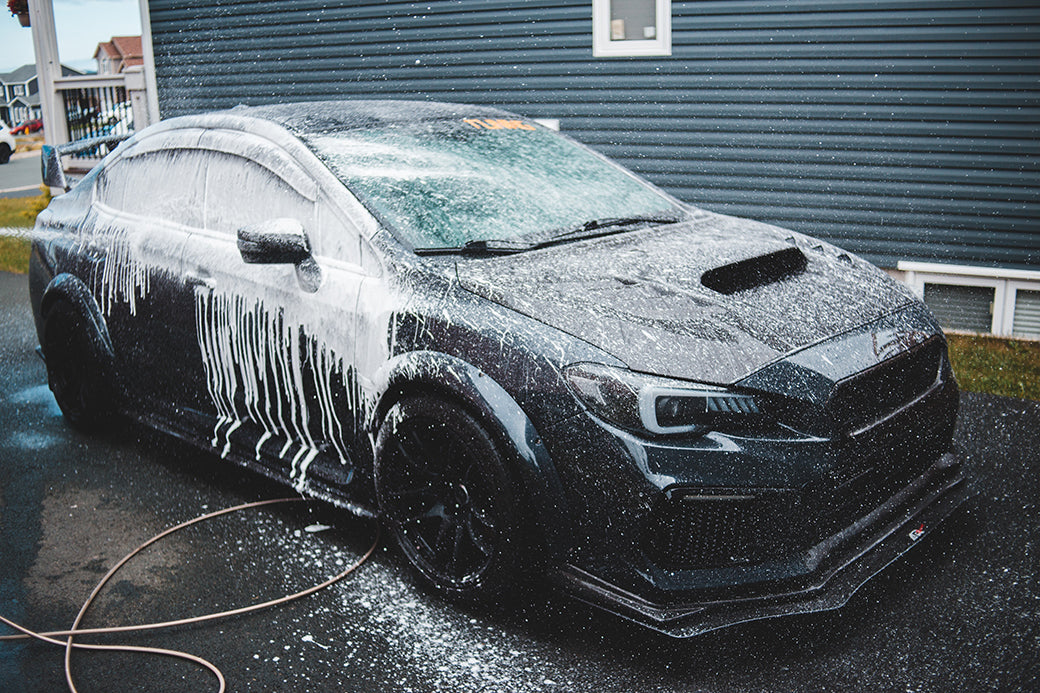
Image Source: blocardryer.com
The Challenge of Water Spots
Water spots are more than just an eyesore. They’re caused by minerals and impurities in tap water that are left behind on your car’s surface after the water evaporates. These mineral deposits can etch into your car’s paintwork over time, dulling the finish and requiring more intensive correction to remove. Achieving a spot-free wash is key to maintaining your car’s aesthetic appeal and protecting its paint.
Rethinking the Car Wash: Beyond the Bucket
Traditional car washing involves a lot of water, often leading to the very spots we’re trying to avoid. Fortunately, there are modern, effective methods that minimize water usage and maximize cleaning power.
Embracing the Waterless Car Wash
A waterless car wash is a revolutionary way to clean your vehicle. It uses specialized cleaning solutions that encapsulate dirt and grime, allowing it to be safely wiped away without scratching the paint. This method is perfect for lightly soiled vehicles or for maintaining a clean car between deeper washes.
Key Benefits of Waterless Washing:
- Water Conservation: Ideal for drought-prone areas or when you want to reduce water usage.
- Convenience: Can be done almost anywhere, anytime, with minimal equipment.
- Speed: Significantly faster than traditional washing.
- Spot Prevention: Designed to lift dirt and lubricate the surface, preventing water spots from forming.
The Rinseless Car Wash Method
The rinseless car wash is another fantastic water-saving technique. Instead of a traditional rinse that uses gallons of water, you use a highly concentrated cleaning solution mixed with a bucket of water. You then wash the car panel by panel using specialized wash mitts, and instead of rinsing with more water, you simply dry the panel immediately.
How a Rinseless Wash Works:
- Dilute the Solution: Mix a small amount of rinseless wash solution with water in a bucket.
- Wash Panel by Panel: Soak a clean car wash mitt in the solution and gently wash one panel of the car.
- Dry Immediately: Use a separate, clean microfiber towel to dry the panel thoroughly.
- Repeat: Move to the next panel, repeating the wash and dry process.
This method significantly reduces the amount of water needed and dramatically cuts down on the opportunity for water spots to form because you’re drying each section immediately.
Essential Products for a Spot-Free Shine
The right tools and products are crucial for achieving that perfect, spot-free finish. Investing in quality items will make the process easier and yield better results.
The Power of Microfiber Towels
Microfiber towels are non-negotiable for a water spot-free wash. Their unique structure allows them to trap dirt and absorb moisture effectively without scratching the paint.
Why Microfiber is Superior:
- Softness: Extremely soft and gentle on paint surfaces.
- Absorption: Highly absorbent, capable of holding many times their weight in water.
- Dirt Encapsulation: The fine fibers trap dirt particles, preventing them from being dragged across the paint.
Types of Microfiber Towels to Have:
- Wash Mitts: Plush, thick mitts designed for washing the car.
- Drying Towels: Larger, thicker towels specifically for drying. Waffle weave or plush twist loop designs are excellent.
- Detailing Towels: Thinner, all-purpose towels for wiping down surfaces, applying products, and buffing.
High-Quality Detailing Sprays and Waterless Wash Products
The cleaning agents you use are just as important as your towels.
- Waterless Wash Products: These are specifically formulated to lift and lubricate dirt, making it safe to wipe away. They often contain polymers and waxes that leave behind a protective, shiny finish. Brands like Optimum No Rinse (ONR) are popular for both rinseless and waterless methods.
- Detailing Spray: A detailing spray can be used as a lubricant for a waterless wash, or as a quick touch-up between washes. Many detailing sprays also offer UV protection and a boost of shine.
- Quick Detailer: Similar to detailing sprays, a quick detailer is perfect for removing light dust or fingerprints and restoring gloss.
Advanced Protection: Ceramic Spray Coatings
For an even more advanced level of protection and ease of maintenance, consider a ceramic spray coating. These products create a durable, hydrophobic layer on your car’s paint that repels water and dirt, making future washes even easier and helping to prevent water spots.
Benefits of Ceramic Spray Coatings:
- Hydrophobic Properties: Water beads up and rolls off, taking contaminants with it.
- Enhanced Shine: Adds a deep, glossy finish.
- UV Protection: Helps shield paint from sun damage.
- Scratch Resistance: Offers a mild barrier against minor scratches.
Applying a ceramic spray coating after a wash can enhance your car’s protection and make it more resistant to water spots in the long run.
Mastering the Waterless Car Wash Technique
A waterless car wash is an art form that requires precision and the right products to avoid scratching your paint.
Step-by-Step Waterless Washing:
- Choose Your Location: Park your car in a shaded area. Direct sunlight can cause the cleaning solution to dry too quickly, leading to spots.
- Gather Your Supplies: You’ll need several high-quality microfiber towels, your chosen waterless wash product, and potentially a detailing spray or quick detailer.
- Work Panel by Panel: Never attempt to wash the entire car at once. Focus on one small section at a time, like a door or fender.
- Spray Generously: Liberally spray the waterless wash product onto the panel. This is your lubrication and dirt-lifting agent. The more product, the safer the wipe.
- Gentle Wipe (First Pass): Take a clean microfiber towel, fold it into quarters, and gently wipe in a straight line across the sprayed section. Do not scrub or apply pressure.
- Flip and Refold: Once one side of the towel has picked up dirt, flip to a clean section. As that section gets dirty, refold the towel to expose a fresh surface.
- Second Wipe (Drying/Buffing): Immediately after the initial wipe, take a second, clean microfiber towel to gently dry and buff the area. This removes any remaining product and lifts away the encapsulated dirt.
- Inspect and Repeat: Inspect the panel for any missed spots or remaining residue. Repeat the process if necessary.
- Move to the Next Section: Once a panel is perfectly clean and dry, move on to the next. Always use fresh, clean towels for each new section.
Important Considerations for Waterless Washing:
- Severity of Dirt: Waterless washes are best for cars with light to moderate dust and grime. Heavily soiled cars with mud or caked-on dirt are better suited for a rinseless or traditional wash to avoid paint damage.
- Towel Management: Have a plentiful supply of clean microfiber towels. This is the most critical factor in preventing scratches and water spots.
Mastering the Rinseless Car Wash Technique
The rinseless car wash offers a balance between water conservation and a thorough clean, while also being excellent at preventing water spots.
Step-by-Step Rinseless Washing:
- Prepare Your Wash Buckets: You’ll need at least two buckets.
- Wash Bucket: Fill with water and add the recommended amount of rinseless car wash concentrate. Place a wash mitt or grit guard at the bottom.
- Rinse Bucket (Optional but Recommended): Fill with clean water. This can be used to rinse your wash mitt before returning it to the wash solution, further minimizing dirt transfer.
- Work Panel by Panel: Just like with waterless washing, tackle the car one section at a time. Start from the top and work your way down.
- Soak Your Wash Mitt: Immerse your car wash mitt thoroughly in the wash solution.
- Wash Gently: Wash the panel using straight-line motions. Apply minimal pressure. Let the solution do the work.
- Rinse Mitt (Optional): If using a second bucket, rinse your mitt in the clean water before dipping it back into the wash solution. This removes loosened dirt and prevents it from contaminating your wash water.
- Immediate Drying: This is the key to a spot-free wash. Take a clean, plush microfiber drying towel and immediately dry the washed panel thoroughly. Don’t let any water sit on the surface.
- Flip and Refold Towels: As your drying towel absorbs water, flip it to a dry section. If it becomes saturated, switch to a fresh towel.
- Repeat: Continue this process panel by panel, using fresh wash mitts or rinsing your mitt frequently, and switching to clean drying towels as needed.
Rinseless Wash Tips for Spot Prevention:
- Concentration: Follow the product’s dilution instructions carefully. Too much or too little can affect cleaning power.
- Pre-Rinse Heavily Soiled Areas: For very dirty cars, a quick pre-rinse with a hose (if available) can remove loose debris before you begin the rinseless wash. This is a good compromise if you have access to a water source but want to minimize its use.
- Grit Guards: Using grit guards in your buckets is highly recommended to trap dirt at the bottom, further reducing the risk of scratching.
Drying: The Final Frontier for Spot-Free Results
Drying is perhaps the most critical step in preventing water spots. Even if your wash process was perfect, improper drying can ruin your efforts.
The Art of Efficient Drying:
- High-Quality Drying Towels: Invest in large, plush microfiber drying towels. Waffle weave towels are also excellent for trapping water.
- Work Quickly: As soon as you finish washing a panel (or the entire car if you’re confident in your technique), start drying.
- Blot or Gently Wipe: For maximum safety, blot the water with your towel. Alternatively, use a gentle, straight-line wiping motion. Avoid circular motions that can spread any residual grit.
- Use Multiple Towels: Don’t try to dry the entire car with one towel. Switch to a fresh, dry towel as soon as the current one becomes saturated.
- Drying Aids: Some drying aids or spray waxes can be misted onto the surface as you dry. These add lubrication, boost shine, and can help to wick away moisture, further reducing the chance of spots. A ceramic spray coating can also be applied during the drying process for added protection and gloss.
Utilizing Leaf Blowers or Air Blowers
A leaf blower or a dedicated car air blower can be incredibly effective for drying, especially in crevices and around trim where towels can’t easily reach. This is a great way to blast water out of seals and emblems, preventing drips that can cause water spots later.
Addressing Common Car Washing Concerns
Let’s tackle some frequently asked questions to ensure you have all the information needed for a spotless finish.
Frequently Asked Questions (FAQ)
Q1: Can I use dish soap to wash my car?
A1: No, you should avoid using dish soap. Dish soap is designed to strip grease and oil, and it can also strip away protective waxes and sealants from your car’s paint, leaving it vulnerable. Always use a dedicated car wash soap or a specialized product for waterless or rinseless washes.
Q2: How often should I wash my car?
A2: The frequency depends on your environment and how often you drive. Generally, washing your car every 2-4 weeks is a good practice to prevent dirt and grime from becoming ingrained.
Q3: What if my car is very dirty with mud or grit?
A3: For heavily soiled vehicles, a waterless car wash is not recommended as it significantly increases the risk of scratching. A rinseless car wash is a better option, but even then, a pre-rinse to remove loose debris is advisable. The safest bet for very dirty cars is a traditional wash using two buckets, plenty of soap, and good washing techniques.
Q4: Can I wash my car in direct sunlight?
A4: It’s best to avoid washing your car in direct sunlight, especially if using a waterless car wash or if you’re concerned about water spots. Sunlight causes water and cleaning solutions to dry too quickly, leaving behind those dreaded mineral deposits. Always try to wash in the shade or during cooler parts of the day.
Q5: How do I prevent water spots on glass?
A5: Glass can be cleaned separately using a dedicated glass cleaner and a clean microfiber towel. Ensure the glass is completely dry after cleaning. Waffle weave microfiber towels are particularly good for glass as they absorb quickly and don’t leave lint.
Q6: What are drying aids?
A6: Drying aids are sprayable products applied to wet surfaces during the drying process. They add lubrication, help to wick water away from the surface, and often provide a boost of shine or protection. Examples include spray waxes and specialized drying sprays.
Q7: Is a ceramic spray coating necessary for a spot-free wash?
A7: No, a ceramic spray coating is not strictly necessary for a spot-free wash, but it enhances the results and makes future washes easier. The hydrophobic nature of ceramic coatings helps water bead and roll off, reducing the likelihood of spots forming.
Q8: How many microfiber towels do I need for a waterless or rinseless wash?
A8: It’s always better to have too many than too few. For a waterless wash, aim for at least 10-15 high-quality microfiber towels for a standard-sized car. For a rinseless wash, you’ll need fewer for washing but still a good number of dedicated drying towels (5-8).
Maintaining a Spotless Finish
Achieving a spotless car isn’t just about the wash; it’s about consistent care.
- Regular Maintenance: Performing regular waterless car wash or rinseless car wash routines will prevent heavy dirt buildup.
- Protective Layers: Applying waxes, sealants, or ceramic spray coatings creates a barrier that makes it harder for water and contaminants to stick to your paint, significantly reducing the chances of water spots.
- Quick Detailer for Touch-Ups: Keep a bottle of quick detailer and a clean microfiber towel in your car for those moments when you notice a bit of dust or a bird dropping. Addressing these quickly prevents them from etching into the paint.
By following these detailed steps and utilizing the right products, you can confidently achieve and maintain a truly spotless car, wash after wash. Your car will not only look better but will also be better protected against the damaging effects of water spots and environmental contaminants.