Your car windows fog up because of moisture. This happens when warm, moist air inside your car touches the colder glass. The moisture in the air turns into tiny water droplets on the glass surface, making it hard to see. To stop this, you need to either reduce the moisture inside your car or make the glass warmer. Using your car’s defroster, air conditioning (AC), or bringing in fresh air are the main ways to clear foggy windows and keep them clear. This guide will explain why it happens and give you simple steps to fix it.
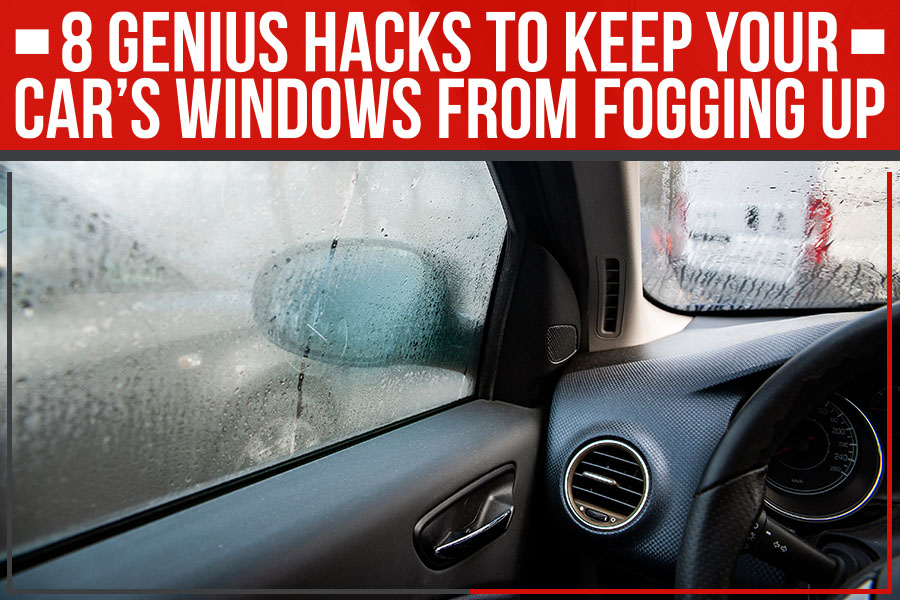
Image Source: www.yorkchryslerdodgejeepram.com
Grasping Why Car Windows Get Foggy
Have you ever seen a cold drink on a hot day? Water drops form on the outside of the glass. This is like what happens inside your car when windows fog.
Warm air can hold more water vapor than cold air. When this warm, wet air hits a cold surface, like your car window, the air cools down fast right next to the glass. As the air cools, it can’t hold all the water anymore. The extra water turns from an invisible gas into tiny liquid water droplets. These tiny drops stick to the glass and block your view. This is called condensation.
Foggy windows are not just annoying; they are dangerous. You cannot see well, which makes driving risky. Knowing why it happens helps you stop it.
Sources of Moisture Inside Your Car
Where does all this moisture come from?
- Your Breath: Every time you breathe out, you add warm, moist air to the car. If there are several people in the car, this adds a lot of moisture quickly.
- Wet Clothes or Shoes: Rain or snow outside? If you get into the car with wet clothes, coats, umbrellas, or snowy boots, that water will evaporate and add moisture to the air inside.
- Drinks: Hot drinks like coffee add steam to the air. Even cold drinks can add moisture, although usually less than hot ones.
- Water Leaks: Sometimes, water can leak into your car through door seals, window seals, or even the sunroof drain. This hidden water can sit in the carpet or under the floor mats and slowly evaporate. This is a common moisture inside car causes.
- Things in the Car: Wet gym clothes, damp towels, or anything holding water left in the car can also add moisture.
- Humid Air: If the air outside is very humid, and you bring it into the car, it brings moisture with it.
So, foggy windows happen when the air inside is warmer and wetter than the glass. The goal is to change this balance.
Using Your Car’s Built-In Tools to Fight Fog
Your car has features made just for this problem. The heating, ventilation, and air conditioning (HVAC) system is your main weapon against foggy windows.
The Essential Defroster Button
Look at your dashboard controls. You will likely see buttons with symbols showing a wavy line or lines.
- One button usually shows a wavy line pointing up towards a rectangle. This is for the front windshield. This is your primary car windshield defogger.
- Another button often shows wavy lines inside a square or rectangle. This is for the rear window. This is the rear window defroster.
When you push the car windshield defogger button, it usually does several things at once:
* It directs airflow specifically onto the inside surface of the windshield.
* It often turns on the air conditioner (AC) automatically to dry the air.
* It might turn up the fan speed.
When you push the rear window defroster button, it sends electric current through thin lines embedded in the glass. These lines heat up, warming the glass surface and making the fog evaporate. This works differently than the front defroster but has the same goal: clear foggy car windows.
How the Air Conditioner (AC) Helps Defog
It might seem strange to use the AC in cold weather when windows are fogging. But using car AC to defog is very effective. Why? Because air conditioners don’t just cool air; they also remove moisture from it.
Think about the cold coils inside your AC unit at home or in your car. When warm, moist air passes over these cold coils, the moisture condenses on the coils and is then drained away (that’s why you sometimes see water dripping from under your car when the AC is on).
So, when you use the AC with the defroster (or even just the AC alone aimed at the windows), it sends dry air onto the glass. Dry air can absorb moisture from the foggy glass, making it disappear quickly. This is a key part of solutions for foggy car windows.
Fresh Air or Recirculated Air?
Your car’s ventilation system lets you choose between using fresh air from outside or recirculating the air already inside the car. This choice matters a lot for fog.
- Fresh Air: Bringing in fresh air from outside is often the best way to clear foggy car windows, especially if the air outside is drier than the air inside. Fresh air helps balance the temperature and moisture levels. It helps remove the damp air that builds up from breathing.
- Recirculated Air: This setting just moves the air already inside the car around. If the air inside is already very moist (from people breathing, wet clothes, etc.), recirculating it will just keep moving that damp air over the cold windows, making the fog worse or bringing it back quickly. Use recirculated air sparingly when trying to defog, maybe only briefly to get hot air circulating quickly on a very cold day, but switch back to fresh air to actually dry things out.
Finding the Right Temperature
Using warm or hot air from your heater can help warm the glass itself. Warm glass is less likely to cause condensation when warm, moist air hits it.
- Cold Outside, Fog Inside: Turn on the defroster. Use warm air directed at the windshield and side windows. Make sure the AC is on (it often turns on automatically with the defroster) to dry the warm air before it hits the glass. Use fresh air.
- Humid Outside, Fog Inside (Warm Day): Turn on the AC. Aim the vents at the windows. Use fresh air if the outside humidity isn’t extreme, or recirculate briefly if the outside air is more humid than inside, but remember to switch to fresh air or open a window to actually remove the moisture.
A common mistake is just blasting hot, recirculated air onto a cold, foggy windshield. This hot air is also full of moisture from inside the car, so it can make the fog worse before it gets better, or it might not clear it fully because you’re not removing the moisture. Combining heat (to warm the glass) and AC (to dry the air) with fresh air is the most effective strategy for defrosting windshield quickly.
Clearing Fog Fast
When fog appears suddenly, you need to act fast to restore your view. Here are the steps for defrosting windshield quickly and other windows:
- Turn on the Front Defroster: Push the button with the wavy lines pointing to the windshield. This directs air to the right place.
- Ensure AC is ON: Most defrosters turn the AC on automatically. Check your controls. Make sure the AC light is on. This dries the air.
- Set Temperature to Warm/Hot: Blast warm or hot air. This heats the glass.
- Use Fresh Air: Make sure the recirculate button is OFF. You want to bring in drier air from outside and push the moist inside air out.
- High Fan Speed: Set the fan to its highest speed to move air quickly.
- Open Windows Slightly (If Safe): If it’s not raining heavily and safe to do so, cracking open a window slightly can help exchange the moist inside air with drier outside air even faster. Do this for just a minute or two while the defroster runs.
For the rear window, push the rear window defroster button. It will heat the glass directly. For side windows, make sure your front defroster also directs air to the side vents, or aim adjustable vents towards them. Follow the same steps (AC on, fresh air, heat if needed, fan speed up) for the side windows.
This combination of hot, dry air blown onto the glass with fresh air entering the car is the fastest way to clear foggy car windows.
Long-Term Solutions and Prevention
While you can clear foggy car windows when it happens, preventing condensation in the first place is better. These tips for clear car glass focus on reducing the moisture inside car causes.
Keeping the Interior Dry
This is the most important step for preventing car window condensation.
- Shake Off Water/Snow: Before getting into your car, brush or shake off as much rain or snow from your clothes, shoes, and umbrella as possible.
- Use Floor Mats: Rubber floor mats can trap melted snow or water from shoes, keeping it from soaking into the carpet. Empty them out regularly.
- Dry Wet Items: Don’t leave wet towels, gym clothes, or coats sitting in the car. Take them inside to dry properly.
- Check for Leaks: If you notice a damp smell, persistent fogging even on dry days, or wet spots on your carpet or upholstery, you might have a leak. Check door seals, window seals, and under the floor mats. Leaks are a major moisture inside car causes. Get leaks fixed quickly.
- Consider a Dehumidifier: Small, reusable dehumidifiers (often bags or containers filled with absorbent crystals like silica gel) can be placed in your car to absorb excess moisture from the air. You need to dry them out (usually in an oven or microwave as per instructions) when they are full.
- Ventilate the Car: On sunny or dry days, park your car with the windows cracked slightly open (if safe and possible) for a while to let fresh air circulate and dry out the interior.
Keeping Glass Clean
Dirty windows actually fog up more easily. The tiny particles on the glass surface give the water droplets something to cling to.
- Clean Inside and Outside: Regularly clean the inside and outside of your car windows using a glass cleaner and a microfiber cloth.
- Avoid Greasy Products: Be careful with interior cleaning products. Some can leave a residue that makes fogging worse. Use cleaners specifically for auto glass.
Using Products Designed to Prevent Fog
There are products available that create a barrier on the glass surface to make it harder for condensation to form.
-
Car Window Anti-Fog Spray: These sprays work by changing the surface tension of the glass. Instead of forming tiny, view-blocking droplets, the moisture spreads out into a thin, invisible layer of water.
- How to Use: Clean the window first. Spray the car window anti-fog spray onto the inside surface of the glass. Use a clean microfiber cloth to spread it evenly and gently buff off any excess haze. Follow the product instructions carefully.
- Pros: Can be very effective, especially on side and rear windows where the defroster might not be as direct as the front.
- Cons: Needs regular reapplication. Can sometimes leave a slight haze if not applied correctly or if using a cheap product. Some products work better than others.
-
Anti-Fog Wipes or Gels: Similar to sprays, but in a different format.
- DIY Methods: Some people suggest rubbing a cut potato or a tiny amount of dish soap onto the window and buffing it clean.
- Dish Soap: A very small amount of dish soap diluted in water, or a tiny bit rubbed on a cloth and then rubbed on the glass and buffed clean, can work similarly to commercial sprays by reducing surface tension. Use very little and buff thoroughly to avoid streaks.
- Potato: Rubbing a cut potato on the glass leaves a starch film that can act as an anti-fog layer. Buff clean afterward.
- Pros: Cheap, quick.
- Cons: Results can vary. May leave streaks or a film. Might not last as long as commercial products. Test in an inconspicuous area first.
These products and methods provide solutions for foggy car windows by treating the glass itself, making it harder for moisture to condense into visible fog. They are great for supplemental use, especially for side windows that don’t get as much airflow from the defroster vents.
Addressing Specific Window Challenges
While the windshield gets the most attention with the main defroster, other windows also need care.
The Windshield: Your Primary View
This is where the car windshield defogger focuses its power. As discussed, the fastest way is to use the defroster setting with AC on, hot temperature, and fresh air. Make sure the vents at the base of the windshield are not blocked by papers, phones, or anything else.
Side Windows: Often Overlooked
Side windows can fog up just as badly, blocking your view of mirrors and side traffic.
- Vent Aiming: Aim adjustable dashboard vents towards the side windows and side mirrors.
- Using Front Defroster: The front defroster setting usually sends some air to the side window vents as well.
- Rear Passenger Windows: These can be tricky. If they fog badly, you might need to open them slightly for a moment if safe, or rely on bringing in very dry air using the front system. Applying a car window anti-fog spray is often very effective for these windows.
- Cleaning: Keeping side windows clean is vital, as they are prone to fogging.
The Rear Window: Heating Power
The rear window defroster is your main tool here. It works differently than the front defroster. It heats the glass directly using thin wires.
- Using It: Just push the button with the square/rectangle symbol. It typically turns off automatically after a set time to prevent overheating, or you might have to push the button again to turn it off.
- Effectiveness: It is usually very effective at clearing the rear window quickly.
- Cleaning: Keep the inside of the rear window clean, being careful not to damage the defroster lines when wiping.
Putting It All Together: A Step-by-Step Approach
Here’s a simple guide to handle foggy windows:
Quick Fix When Fog Appears
- Push the front car windshield defogger button.
- Make sure the AC light is on (or turn it on).
- Turn the temperature to hot.
- Make sure the air source is set to fresh air (not recirculate).
- Turn the fan speed up high.
- Aim side vents at side windows/mirrors.
- Push the rear window defroster button.
- Wait a minute or two. The fog should start to clear.
- Once clear, you can turn the fan speed down, but often leaving the defroster setting on with AC and fresh air at a lower fan speed is the best way of preventing car window condensation from returning.
Prevention Steps Before Starting a Trip (Especially in Cold/Wet Weather)
- Remove Excess Moisture: Brush snow off shoes/clothes. Don’t leave wet items in the car.
- Start with Fresh Air: As soon as you get in, before starting the engine, think about opening the windows briefly if safe, or at least start the car with fresh air selected.
- Use Defroster Settings Proactively: On humid or cold days, turn on the front defroster (with AC and fresh air) and the rear window defroster even before the windows start to fog. This heats the glass and circulates dry air from the start.
- Clean Windows Regularly: Clean the inside of your windows often.
- Consider Anti-Fog Treatment: Apply a car window anti-fog spray to side and rear windows as a preventive step.
By combining these techniques, you address both sides of the fog problem: the cold glass and the moist air.
Why Some Common Actions Don’t Work Well
Just blasting heat: As mentioned, hot air alone doesn’t remove moisture. If the air is already wet, heating it won’t help it hold more water; it just brings more moisture to the cold glass faster. You need to dry the air.
Using recirculated air: This traps the moist air inside, making it harder for the fog to clear or causing it to return quickly. You need to bring in drier air or remove the moist air.
The key is controlling the moisture level in the air inside your car and warming the glass surface.
More Tips for Clear Car Glass
- Check Your Cabin Air Filter: A clogged cabin air filter can reduce airflow through your system. Replace it regularly as part of your car’s maintenance. Reduced airflow means the defroster is less effective.
- Avoid Smoking in the Car: Smoke residue builds up on the inside of windows, providing many tiny spots for water droplets to form, making fogging worse and harder to clear.
- Park Smart: If possible, parking in a garage keeps the car’s interior temperature more stable and prevents snow/rain from getting on it initially.
- Wipe Down with a Microfiber Cloth: In a pinch, if you have a clean, dry microfiber cloth, you can quickly wipe the inside of the window. However, this is a temporary fix as the moisture is still in the air and will likely condense again. Also, a dirty cloth will just smear the moisture around.
These simple actions contribute to preventing car window condensation and maintaining good visibility.
A Summary of Solutions for Foggy Car Windows
Facing foggy windows is a common problem, but it doesn’t have to stop your trip. Here’s a recap of the main solutions for foggy car windows:
- Use Your Defroster System Correctly: This means turning on the front car windshield defogger and rear window defroster.
- Engage the AC: Remember that using car AC to defog is crucial because the AC dries the air. Use it even with hot air in cold weather.
- Use Fresh Air: Set your vents to bring in outside air, not recirculate inside air.
- Combine Heat and Dry Air: Use warm/hot air from the heater with the AC running to warm the glass and dry the air hitting it.
- Reduce Interior Moisture: Prevent water from entering the car in the first place (shake off snow, check for leaks, dry wet items). This is key for preventing car window condensation.
- Keep Windows Clean: Clean glass fogs less easily.
- Consider Anti-Fog Products: Car window anti-fog spray or similar products can add an extra layer of protection.
- Ensure Good Airflow: Check for blocked vents and replace the cabin air filter.
By following these steps, you can keep your car glass clear, improving safety and making your drive much more comfortable. Don’t wait for fog to appear; take steps to prevent it, especially in changing weather conditions.
Frequently Asked Questions (FAQ)
Why do my windows fog up only on the inside?
Fog on the inside happens when the air inside the car is warm and humid and touches the colder glass. Moisture from breathing, wet items, or even leaks is the cause.
Why do my windows fog up only on the outside?
Fog on the outside happens when the air outside the car is warm and humid and touches the colder glass (usually when the AC is running high inside on a warm day). This is less common and usually clears quickly as outside air moves across the glass. If it happens, you can use your wipers or briefly turn off the AC/increase the inside temperature slightly.
Can I use my rear window defroster for a long time?
Most rear window defroster systems are designed to turn off automatically after 10-15 minutes to prevent the glass from getting too hot or draining the battery. It’s usually safe to use for its intended purpose to clear the window.
Does cleaning the inside of my windows really help with fogging?
Yes, definitely! Tiny dirt, grease, and smoke particles on the inside of the glass give water droplets something to form on. A clean surface makes it harder for condensation to cling and form visible fog. It’s one of the best tips for clear car glass.
Is there anything else I can put on my windows besides commercial sprays?
Some people use diluted dish soap or rub a cut potato on the clean glass and buff it off. These work by reducing surface tension, similar to car window anti-fog spray. Results vary, and you must buff very well to avoid streaks. Test in a small area first.
My car always smells damp and the windows fog badly. What should I do?
This sounds like a serious moisture inside car causes problem, likely a leak. Check your car’s carpets and floor mats for dampness, including under the mats. Check door and window seals for damage. Get any leaks fixed right away. Using a dehumidifier product inside the car can help while you figure out the source. Regular ventilation on dry days is also crucial.
How does the AC help defog in cold weather?
The AC unit removes moisture from the air as it passes through it. Even if you are using hot air, passing it through the AC first dries it out. So, you are blowing hot, dry air onto the cold glass, which warms the glass and allows the air to absorb the moisture causing the fog. This is key to defrosting windshield quickly and effectively.