Can you protect your car from snow? Yes, you absolutely can by following a comprehensive winter car care routine. What are the best ways to protect my car from snow and ice? This guide will walk you through everything from essential cold weather car maintenance to practical snow removal techniques and ice prevention strategies, ensuring your vehicle stays in top condition throughout the harsh winter months. We’ll cover car protection methods, offer vital winter driving tips, and discuss the benefits of garage storage versus using a car cover. We’ll also explain how to tackle defrosting windshield issues and mitigate salt damage.
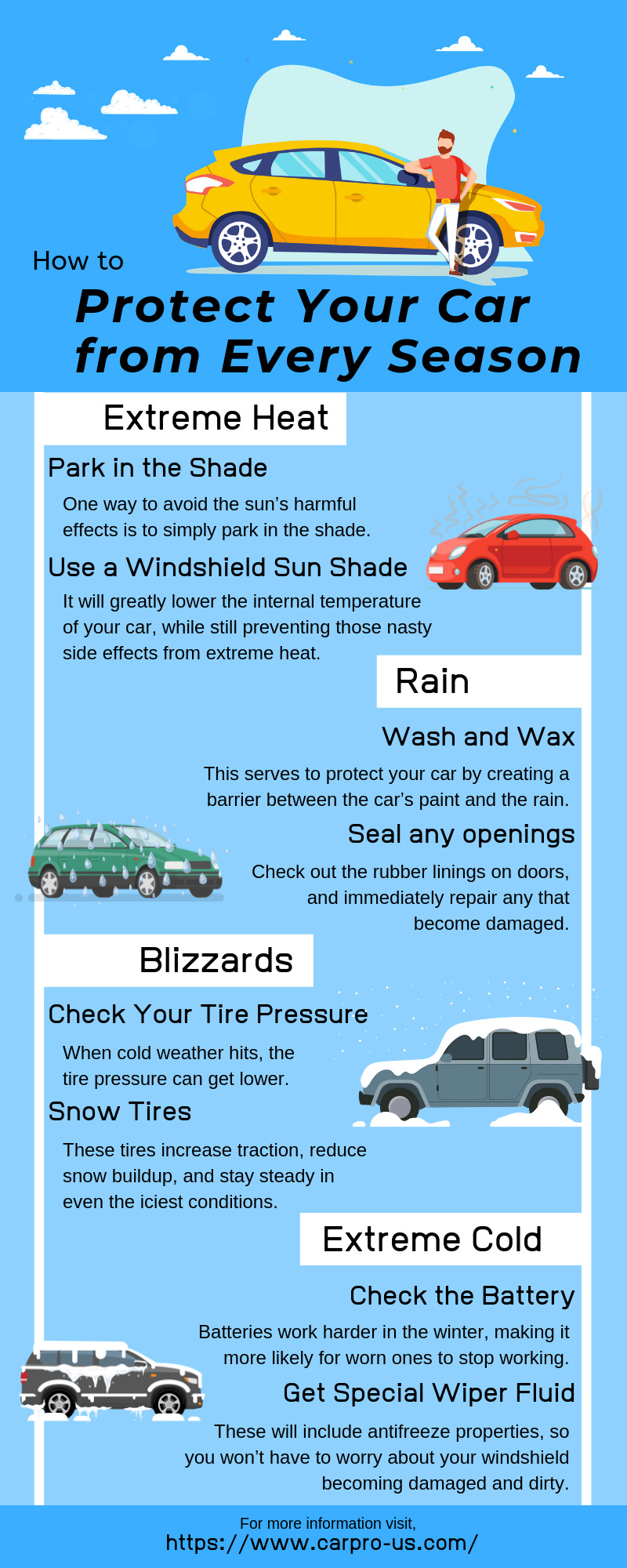
Image Source: www.carpro-us.com
Preparing Your Vehicle for Winter’s Chill
Winter weather can be brutal on your car. Freezing temperatures, snow, ice, and road salt all take a toll. Proactive winter car care is key to preventing costly repairs and ensuring safe driving. Think of it as a health check-up for your vehicle before it faces its toughest season.
Essential Checks Before the First Snowfall
Before the snow even starts to fly, it’s crucial to get your car ready. Here are the fundamental steps:
- Battery Check: Cold weather significantly reduces battery power. Have your battery tested. Ensure terminals are clean and free of corrosion. A weak battery is a common cause of winter breakdowns.
- Tire Pressure and Tread: Cold air causes tire pressure to drop. Check your tire pressure regularly and inflate them to the manufacturer’s recommended PSI. Ensure your tires have adequate tread depth for gripping snowy and icy roads. Consider switching to winter tires for optimal traction.
- Fluid Levels:
- Coolant: Make sure your coolant is at the proper level and has the correct antifreeze mixture to prevent the engine from freezing.
- Windshield Washer Fluid: Top up your washer fluid with a de-icing formula. Regular fluid will freeze and become useless.
- Oil: Ensure your engine oil is at the correct level and consider using a lower viscosity oil suitable for cold temperatures, as recommended by your car’s manual.
- Wiper Blades: Worn wiper blades won’t clear snow and ice effectively, impairing visibility. Replace them if they leave streaks or skip. Consider winter-specific wiper blades designed to resist ice buildup.
- Lights: Check all your lights – headlights, taillights, brake lights, and turn signals. Good visibility is paramount in winter conditions.
- Brakes: Ensure your brakes are in good working order. You’ll need reliable stopping power on slippery surfaces.
Tire Talk: The Importance of Winter Tires
While all-season tires can handle some winter conditions, dedicated winter tires offer superior grip and safety.
- Specialized Rubber Compound: Winter tires use a special rubber compound that stays flexible in cold temperatures, providing better traction than all-season tires which can harden.
- Aggressive Tread Patterns: Their tread patterns have deeper grooves and more biting edges (sipes) designed to channel away snow and slush, and grip ice.
Table 1: Tire Comparison
| Feature | All-Season Tires | Winter Tires |
|---|---|---|
| Rubber Compound | Designed for a wider temperature range | Stays flexible in very cold temps |
| Tread Pattern | Moderate | Deep grooves, many biting edges |
| Traction (Snow) | Fair | Excellent |
| Traction (Ice) | Poor | Very Good |
| Braking (Snow) | Fair | Excellent |
| Braking (Ice) | Poor | Very Good |
Defending Your Car Against Snow and Ice: Practical Strategies
Protecting your car from snow means more than just driving carefully. It involves active measures to prevent damage and maintain functionality.
Snow Removal: Techniques for a Clear View
Efficient snow removal is essential for both visibility and preventing damage to your car.
- Start Early: Don’t wait until the last minute. Removing snow while it’s still light and fluffy is much easier than scraping ice.
- Tools of the Trade:
- Snow Brush/Scraper Combo: A good quality brush with an extendable handle is invaluable for reaching the entire roof and windshield. The scraper end is for ice.
- Snow Broom: These are great for sweeping large amounts of snow off your car quickly, especially from the roof.
- Leaf Blower (Optional): Can be surprisingly effective for quickly clearing lighter, drier snow from the entire car.
- The Right Technique:
- Top to Bottom: Always start by clearing the roof, then the hood and trunk, and finally the windows. This prevents snow from sliding onto areas you’ve already cleared.
- Clear All Windows: Ensure your side windows and mirrors are clear.
- Don’t Forget Lights and Plates: Clear snow from headlights, taillights, and license plates so you are visible and legal.
- Avoid Hot Water: Never pour hot water on a frozen windshield. The sudden temperature change can cause the glass to crack.
Ice Prevention: Keeping Surfaces Clear
Ice prevention is a key part of car protection during winter.
- De-icing Sprays: Keep a can of automotive de-icing spray in your car. A quick spray can melt ice on windshields and locks.
- Lock De-icer: If your door locks freeze, a specialized de-icer spray is your best bet. Avoid using a key, as it can freeze to the lock.
- Protecting Door Seals: Apply silicone lubricant or petroleum jelly to rubber door seals to prevent them from freezing shut.
Defrosting Windshield: Strategies for Quick Clarity
A clear windshield is critical for winter driving tips.
- Use Your Defroster: Turn on your car’s defroster system. Direct the air to the windshield and set it to the highest fan speed with warm air.
- Air Conditioning (AC) Boost: Running the AC with the heat can help dehumidify the air, speeding up the defrosting process.
- Pre-heating: If possible, use a remote start feature to warm up your car and its defroster system before you need to drive.
- Ice Scrapers: For stubborn ice, use a sturdy ice scraper. Apply firm, even pressure.
Protecting Your Car’s Exterior from Winter’s Assault
The external components of your car are particularly vulnerable to winter’s harsh elements.
The Menace of Road Salt and How to Combat It
Road salt, while essential for safe driving, is highly corrosive and can wreak havoc on your car’s paint and undercarriage.
- Salt Damage: Salt eats away at metal, leading to rust and corrosion. It can also damage paint, plastic trim, and rubber components.
- Frequent Washing: The most effective way to combat salt damage is to wash your car frequently, especially the undercarriage.
- DIY Car Wash: Use a hose with good water pressure to rinse off salt. Pay special attention to wheel wells, rocker panels, and the underside of the vehicle.
- Automatic Car Washes: Opt for car washes that specifically offer an undercarriage spray.
- Waxing: Applying a good quality car wax before winter provides a protective barrier against salt and grime. Reapply as needed.
Protecting Your Paint and Finish
Beyond salt, other winter elements can harm your car’s finish.
- Car Cover: A high-quality car cover can provide excellent car protection against snow, ice, UV rays, and dust.
- Choosing the Right Cover: Look for a cover that is breathable, waterproof, and UV-resistant. Ensure it fits your vehicle snugly.
- When to Use: A cover is most beneficial when your car is parked for extended periods, especially outdoors.
- Parking Indoors:
- Garage Storage: Garage storage is the ultimate car protection. It shields your vehicle from snow, ice, salt, and temperature fluctuations.
- Underground Parking: Similar to a garage, underground parking offers excellent protection.
- Ceramic Coatings: For longer-lasting paint protection, consider a professional ceramic coating. It creates a durable, hydrophobic layer that repels water, dirt, and salt.
Interior Protection: Keeping Your Cabin Cozy and Clean
The inside of your car also needs attention during winter.
Preventing Interior Moisture and Frost
- All-Weather Floor Mats: Invest in rubber or all-weather floor mats. They trap snow, slush, and salt, preventing them from soaking into your car’s carpet.
- Ventilation: On milder days, open your windows for a few minutes to allow moist air to escape.
- Avoid Wet Items: Don’t leave damp items like umbrellas, coats, or shoes inside your car for extended periods, as they contribute to interior humidity.
Keeping Your Cabin Clean
- Regular Vacuuming: Vacuum your car’s interior regularly to remove salt and dirt tracked in on your shoes.
- Interior Wipes: Use interior cleaning wipes to clean surfaces and prevent grime buildup.
Winter Driving Tips: Navigating Safely
Winter driving tips are crucial for your safety and the longevity of your vehicle.
Driving in Snow and Ice
- Slow Down: Speed is your enemy on slippery surfaces. Drive significantly slower than you would in dry conditions.
- Increase Following Distance: Leave much more space between your car and the vehicle in front of you.
- Smooth Inputs: Accelerate, brake, and steer smoothly. Abrupt movements can cause your tires to lose traction.
- Brake Early and Gently: Anticipate stops well in advance.
- Use Low Gears: When going downhill, use a lower gear to help control your speed without over-relying on brakes.
- Know Your Brakes:
- ABS (Anti-lock Braking System): If your car has ABS, apply firm, steady pressure to the brake pedal. Don’t pump the brakes.
- Non-ABS Brakes: If your car does not have ABS, you’ll need to gently pump the brakes to prevent skidding.
- If You Skid:
- Don’t Panic:
- Ease Off the Accelerator:
- Steer in the Direction You Want to Go: If the rear of your car is skidding left, steer gently to the left. If it’s skidding right, steer gently to the right.
- Visibility is Key: Ensure all windows are completely clear of frost, ice, and snow before driving.
Emergency Preparedness
- Winter Emergency Kit: Always have a well-stocked emergency kit in your car. This should include:
- Jumper cables
- First-aid kit
- Flashlight with extra batteries
- Blankets or sleeping bag
- Non-perishable food and water
- Shovel
- Bag of sand or kitty litter (for traction)
- Tow rope
- Warm gloves, hat, and boots
- Phone charger or power bank
- Reflective triangles or flares
Frequently Asked Questions (FAQ)
Q1: How often should I wash my car in winter to prevent salt damage?
A1: It’s recommended to wash your car at least every two weeks during the winter months, and more frequently after driving on roads treated with salt or brine. Focus on washing the undercarriage to remove corrosive salt.
Q2: Can I use hot water to defrost my windshield?
A2: No, never use hot water. The extreme temperature change can cause the windshield to crack. Stick to your car’s defroster, ice scrapers, or de-icing sprays.
Q3: Are winter tires really necessary if I have all-wheel drive (AWD)?
A3: Yes. While AWD improves acceleration and helps you get going, it doesn’t necessarily improve your ability to steer or brake. Winter tires provide significantly better grip on snow and ice, which is crucial for safe stopping and cornering, regardless of your drivetrain.
Q4: What is the best way to keep my car doors from freezing shut?
A4: Apply a silicone lubricant or petroleum jelly to the rubber door seals before winter sets in. This helps prevent ice from bonding the seals together. If they do freeze, try using a de-icer spray or gently warming the area around the lock and handle.
Q5: Should I leave my car running to prevent it from freezing?
A5: It’s generally not necessary to leave your car running continuously. Modern vehicles are designed to withstand cold. Using your car’s defroster and heater is usually sufficient. Leaving a car idling for extended periods wastes fuel and contributes to pollution. However, warming it up for a few minutes before driving is beneficial, especially for the engine oil and battery.
Q6: What’s the difference between a snow brush and an ice scraper?
A6: A snow brush has bristles designed to sweep away light to moderate snow without scratching your car’s paint. An ice scraper has a hard plastic edge specifically designed to chip away at thicker layers of ice. Many are combined into one tool.
Q7: How do I protect my car’s exterior from ice buildup?
A7: The best protection is garage storage or using a car cover. For exposed vehicles, frequent snow removal and using de-icing sprays can help. Ensuring your windshield wipers are in good condition also prevents ice from forming on them and damaging the wiper mechanism.
By implementing these winter car care practices, you can effectively protect your vehicle from the damaging effects of snow, ice, and salt, ensuring it remains reliable and looks its best throughout the winter season. Safe travels!