Protecting your car from snow when you don’t have a garage involves several key steps. You need to choose the best place to park, use a strong cover, add wax or coatings for protection, and clean snow and ice off often. These steps help keep your car safe from winter damage.
Winter weather brings many challenges for cars parked outside. Snow, ice, road salt, and freezing temperatures can harm your vehicle’s paint, body, and even its mechanical parts over time. Without a garage, your car is directly exposed to these harsh conditions. But don’t worry. With the right steps and tools, you can give your car good protection, even when it sits outside all winter. This guide gives you detailed ways to protect your car.
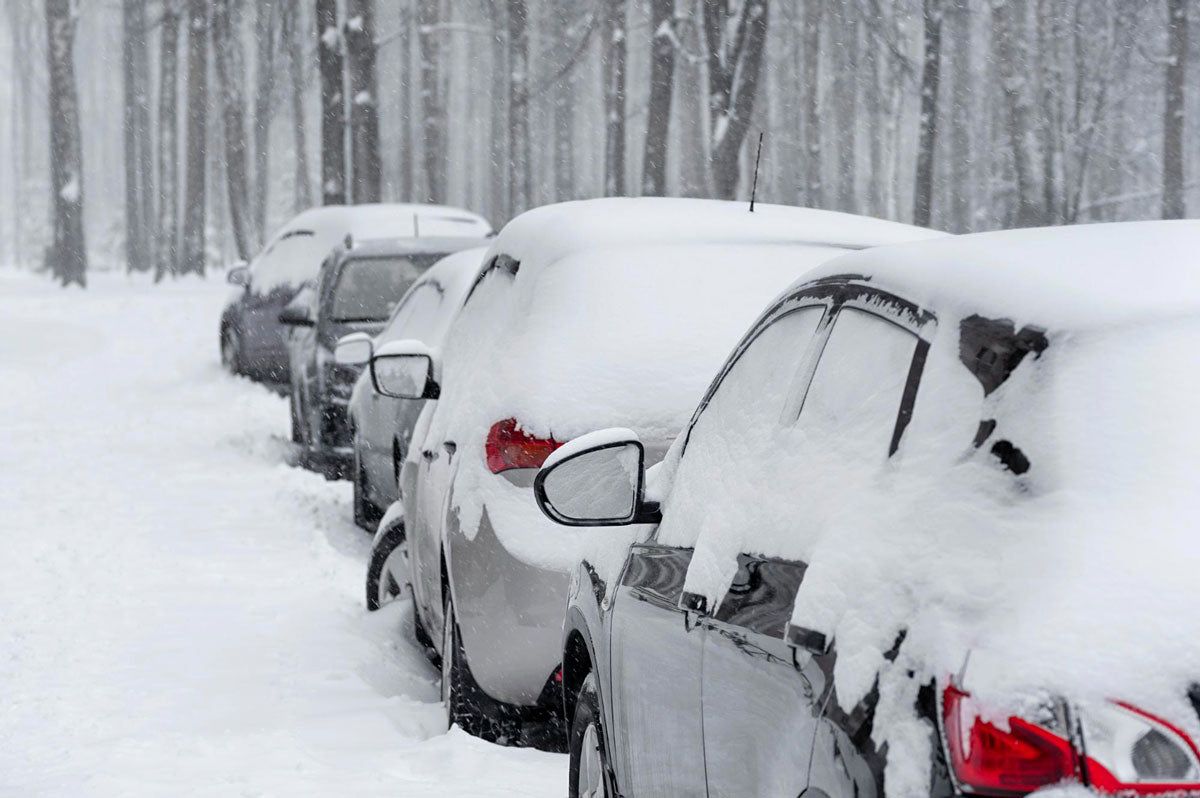
Image Source: cdn.sanity.io
Planning Before Winter Arrives
Getting ready before the first snowflake falls is key. Taking steps early can save you a lot of trouble and money later. Think of it as preparing your car for a long, cold journey.
Checking Your Car’s Condition
Before winter, give your car a good check-up.
This includes:
- Tires: Make sure your tires are in good shape. Check the air pressure. Cold air makes tire pressure drop. Consider getting winter tires if you live where it snow’s a lot.
- Battery: Cold weather is hard on batteries. Get your battery checked to see if it’s strong enough for winter. Replace it if needed.
- Fluids: Check and top up all fluids. This includes engine oil, coolant, brake fluid, and power steering fluid. Make sure your coolant is mixed right for freezing temperatures. Use winter washer fluid that won’t freeze.
- Wipers: Get new wiper blades. Winter weather is tough on wipers. Good blades are vital for seeing clearly.
Cleaning Your Car Thoroughly
Start winter with a very clean car. Wash off all dirt, grime, and old road salt from the past year. A clean surface is important for the next step: applying protection.
Giving Your Car a Protective Layer
Adding a protective layer to your car’s paint and glass is a smart move. It creates a barrier against snow, ice, salt, and UV rays that can still cause damage on sunny winter days.
Winter Car Waxing
Waxing your car before winter is very important. A good layer of wax helps water and snow slide off. This makes it harder for ice to stick. It also protects your car’s paint from the harsh chemicals in road salt.
- Choose the right wax: Look for a durable car wax designed for long-lasting protection. Synthetic sealants often last longer than traditional carnauba wax, which is good for winter protection. Ceramic coatings offer the most durability but can be more costly and harder to apply.
- Apply correctly: Wash and dry your car completely first. Apply the wax or sealant as the product instructions say. Work in a cool, dry place if possible. Make sure the wax covers all painted surfaces well.
- Don’t forget glass: You can use special glass sealants on your windshield and windows. This helps water, snow, and ice slide off, making it easier to see.
Protecting Car Paint from Salt
Road salt is a major enemy of car paint and metal. It causes rust and makes paint look dull. Waxing helps, but you need more.
- Protective sprays: Use detailing sprays or sealants that offer extra salt protection. Some products are made just for this.
- Wheel protection: Salt also attacks your wheels. Clean your wheels well and apply a wheel sealant. This is extra important for alloy wheels.
- Undercarriage wash: The bottom of your car gets the most salt spray. When you can, wash the underside of your car. Drive through a car wash that has an undercarriage spray.
Choosing the Best Parking Spot
Where you park your car outside matters a lot in winter. Some spots offer more natural protection than others.
Outdoor Car Parking Tips Winter
Think about these things when choosing your parking spot:
- Avoid low spots: Don’t park in areas where water collects. This can lead to ice forming around your tires and the bottom of your car, making it hard to move.
- Consider the sun: If possible, park where your car will get some sun during the day. The sun’s warmth can help melt snow and ice naturally. However, be aware that sun can also melt snow on roofs or trees above, which could then fall on your car.
- Stay away from trees: While trees might offer some shelter from falling snow, they can also drop branches or heavy ice that can badly damage your car. Tree sap is also a problem.
- Find a level spot: Park on a flat surface. This helps prevent snow and ice from building up unevenly.
- Think about snow removal: Park in a spot that is easy to clear snow around. Don’t park where snow plows might push snow onto your car.
Using Physical Barriers
Sometimes, you need more than just coatings. Physical barriers provide a direct shield against snow and ice.
Car Cover for Snow
Using a car cover for snow is one of the best ways to protect a car parked outside. A good car cover creates a physical barrier against snow, ice, rain, dirt, and UV rays.
Choosing the Best Car Cover for Snow
Not all car covers are the same. For winter protection, you need a cover made for the job.
- Material: Look for covers made from strong, waterproof, but breathable materials. Waterproof keeps snow and rain out. Breathable is important to let moisture escape from under the cover. This stops rust and mildew.
- Fit: The cover should fit your car well. A cover that is too loose can blow off or flap in the wind, scratching your paint. A cover that is too tight might be hard to put on and take off. Look for custom-fit or semi-custom covers.
- Features: Good winter covers have features like:
- Strong tie-down straps to keep it in place in wind.
- Soft lining on the inside to protect paint.
- Maybe mirror pockets.
- Often a storage bag.
Benefits of Using a Car Cover
- Stops snow and ice buildup: The most obvious benefit. Snow lands on the cover, not your car.
- Protects paint: Guards against ice scrapes, salt, dirt, and harsh weather.
- Keeps interior cleaner: Less snow and dirt tracked into the car.
- May deter theft: A covered car is harder for thieves to quickly access or identify.
- Easier snow removal: Often, you can just pull the cover off, and most of the snow goes with it.
How to Use a Car Cover Right
- Clean your car first: Never put a cover on a dirty car. Dirt trapped under the cover will scratch the paint as the wind moves the cover.
- Put it on carefully: Unfold the cover and place it over the car, starting from the front or back. Pull it down over the sides. Make sure mirrors and antennas are not in the way.
- Secure it tightly: Use all the straps and tie-downs provided to make sure the cover stays put in strong winds.
- Remove carefully: When taking it off, fold it neatly to avoid dragging it on the ground and picking up dirt.
Temporary Car Shelter Options
If you need more protection or don’t want to use a cover every day, a temporary car shelter might be an option. These are like small, portable garages.
- Types: Shelters range from simple pop-up canopies to more sturdy structures with metal frames and heavy-duty fabric covers. Some anchor to the ground.
- Pros: Offer full protection from snow, ice, rain, sun, and falling debris. Provide more space to work around the car.
- Cons: Can be costly. Require space to set up. Need to be anchored well to prevent wind damage. May need local permits. Setup and takedown take time.
- Suitability: These are best if you plan to park the car in the same spot for the whole winter and local rules allow it.
Preventing Ice Buildup on Car
Ice can be very damaging and annoying. It can freeze doors shut, cover windows, and even damage trim and seals. Preventing ice buildup on car surfaces is vital.
Protecting Seals and Locks
- Silicone spray: Use a silicone spray on door seals (the rubber around the door frame). This stops them from freezing shut. Do this a few times during winter.
- Door lock de-icer: Keep a small bottle of door lock de-icer handy. If your locks freeze, this can help open them. Keep it in your pocket or purse, not in the car!
Treating Glass Surfaces
- Rain repellent treatments: Products like Rain-X make water bead up and roll off glass. This works for light snow and ice too. It makes scraping easier.
- Specialized glass coatings: Longer-lasting glass coatings provide excellent water and ice resistance.
- How to keep car windshield clear in winter: Use a good quality winter washer fluid. Lift your wiper blades off the windshield when parked to stop them freezing to the glass. Consider a windshield cover.
Windshield and Window Covers
Using a specific cover for your windshield and front windows is a great way to how to keep car windshield clear in winter.
- Types: These are usually thick, weather-resistant mats or covers that attach by trapping ends in the doors or using magnets.
- Benefits: Stop snow and ice from forming directly on the glass. Saves you time scraping in the morning.
Dealing with Snow and Ice on a Parked Car
Even with protection, you will likely have to dealing with snow on parked car at some point. Doing it the right way prevents damage.
Removing Snow
- Use the right tools: Get a good quality snow brush and ice scraper. Look for tools with soft bristles on the brush end to avoid scratching paint.
- Clear gently: Push snow off your car gently. Avoid dragging the brush across the paint surface if it has dirt or ice mixed in.
- Clear from the top down: Start clearing the roof, then the hood, trunk, and windows. Clearing the roof first stops snow from falling onto areas you’ve already cleared.
- Clear vents: Make sure the air intake vents (usually at the base of the windshield) are clear of snow.
- Clear around the car: Shovel snow away from your tires so you can drive out easily.
Removing Ice
- Scrape carefully: Use the ice scraper on windows. Push forward in one direction. Don’t scrape back and forth roughly, as this can scratch the glass.
- Avoid body panels: Never use an ice scraper on painted surfaces.
- De-icer spray: Use a de-icer spray on stubborn ice spots on glass.
- Don’t use hot water: Never pour hot water on a frozen windshield or windows. The sudden temperature change can cause the glass to crack.
Ongoing Winter Car Care Essentials
Protecting your car isn’t a one-time job. You need to do regular maintenance through the winter months. These are your winter car care essentials.
Regular Cleaning
This might seem strange when it’s cold and wet, but cleaning your car during winter is very important, especially if roads are salted.
- Wash when possible: When temperatures are above freezing, wash your car. Focus on removing road salt from the paint, undercarriage, wheels, and brakes.
- Use a touchless car wash: If it’s too cold to wash by hand, use a touchless automatic car wash. This avoids brushes that can scratch paint with trapped grit. Make sure it has an undercarriage wash.
- Don’t forget the inside: Clean floor mats to remove salt and water carried in on shoes. Salt can damage carpet.
Checking Tire Pressure Often
Cold weather makes air contract, lowering tire pressure. Check your tire pressure regularly (at least once a month) and fill them to the pressure listed on the sticker in your driver’s side door jamb or owner’s manual. Correct tire pressure is important for safety, handling, and tire life.
Checking Wiper Blades
Even if you replaced them before winter, check your wiper blades often. Ice and snow can damage them quickly. Replace them if they streak or skip.
Keeping the Fuel Tank Full
Try to keep your fuel tank at least half full. This helps prevent condensation from forming in the fuel tank, which can freeze and cause problems.
Stocking a Winter Emergency Kit
Keep winter car care essentials in your car. This kit should include:
- Warm blankets
- Extra warm clothes (hat, gloves, coat)
- Flashlight with extra batteries
- First-aid kit
- Non-perishable food and water
- Jumper cables
- Small shovel
- Bag of sand, salt, or cat litter for tire grip
- Basic tool kit
- Phone charger or power bank
Advanced Protection Methods
For those who want to go the extra mile, there are more advanced ways to protect a car without a garage.
Ceramic Coatings
While more expensive and needing professional application (or careful DIY), ceramic coatings offer very long-lasting protection. They create a hard layer that resists scratches, UV damage, chemicals (like salt), and makes the surface very slick, helping snow and ice slide off easily. This is a top-tier way of protecting car paint from salt and other winter threats.
Paint Protection Film (PPF)
Also known as a clear bra, PPF is a clear film applied to painted surfaces. It’s very durable and protects against rock chips, scratches, and also provides a barrier against salt and environmental damage. It’s often applied to the front bumper, hood edge, fenders, and side mirrors.
Rust Prevention Treatments
You can get your car treated professionally with rust-proofing spray or coatings, especially on the undercarriage. This is an extra layer of defense against the rust caused by road salt and moisture.
Summary of Protection Steps
Here’s a quick look at the key ways to protect your car outside in winter:
| Protection Method | What it Does | Key Benefit | Best For |
|---|---|---|---|
| Winter Car Waxing | Creates a slick barrier on paint | Repels water, resists ice/salt | Paint protection |
| Outdoor Parking Spot | Choosing location wisely | Avoids risks (flooding, falling) | General safety and less buildup |
| Car Cover for Snow | Physical barrier over the entire car | Stops snow/ice landing on car | Overall protection from elements |
| Windshield/Window Cover | Physical barrier over glass | Keeps glass clear of snow/ice | Easy visibility |
| Temporary Car Shelter | Portable garage structure | Full protection from all elements | Long-term parking in one spot |
| Silicone on Seals | Protects rubber seals | Stops doors freezing shut | Door seals, trunk, hood seals |
| Regular Washing | Removes salt, dirt, chemicals | Prevents rust and paint damage | All surfaces, especially undercarriage |
| Ceramic Coatings/PPF | Durable, long-lasting protective layers | Maximum resistance to damage | Paint and vulnerable areas |
| Rust Proofing | Coating on undercarriage | Stops salt from causing rust | Undercarriage |
Important Things to Remember
- Don’t ignore the problem: Winter weather damage builds up over time. Small issues can become big, costly ones.
- Safety first: Always clear snow and ice completely from your windows, mirrors, and lights before driving. Clear snow from the roof too, so it doesn’t slide down and block your view or hit cars behind you.
- Be patient: Removing thick ice takes time. Use de-icer and wait a few minutes if needed. Don’t force it, or you might break something.
- Check local rules: If using a temporary shelter or even a car cover for long periods, check if there are any neighborhood rules or city laws about them.
Deciphering the Importance of Regular Checks
Even with the best protection methods, regularly checking your car throughout the winter is important.
Why Check Your Car Often?
- Spot damage early: You can find any damage from ice, salt, or debris quickly before it gets worse.
- Check protection: Make sure your car cover is still secure or your wax layer is still working.
- Prevent problems: Check tire pressure, fluid levels, and wiper blades often. This helps avoid breakdowns in cold weather.
- Deal with snow buildup: Even with a cover, some snow might get on or under it. Regular checks let you deal with it.
What to Look For During Checks
- Paint condition: Look for any new scratches, chips, or signs of rust, especially around wheel wells and lower body panels.
- Seals: Check door, trunk, and hood seals for ice or damage. Apply more silicone if needed.
- Undercarriage: If you can, look under the car for heavy salt buildup or signs of rust starting.
- Wipers: Lift them and check the rubber for cracks or tears.
- Lights: Make sure all headlights, taillights, and turn signals are clear of snow and working.
Frequently Asked Questions (FAQ)
Q: Is using a car cover in winter really worth it?
A: Yes, using a car cover for snow is one of the most effective ways to protect your car’s paint and body from snow, ice, salt, and UV rays when you don’t have a garage. It’s a valuable investment.
Q: How often should I wash my car in winter if it’s parked outside?
A: Wash your car whenever temperatures are above freezing, especially after roads have been salted. Aim for every 1-2 weeks if possible to remove damaging salt and grime.
Q: Can road salt really damage my car’s paint?
A: Absolutely. Road salt is corrosive. It can eat away at your car’s paint, leading to dullness, chips, and eventually rust, especially on bare metal surfaces or areas where the paint is already damaged. Protecting car paint from salt is very important.
Q: What is the best way to prevent ice from forming on my windshield?
A: The best way to how to keep car windshield clear in winter is to use a windshield cover when parked. Applying a good glass sealant or rain repellent also helps ice from sticking and makes scraping easier.
Q: Are temporary car shelters safe in windy areas?
A: Temporary car shelter need to be anchored very securely, especially in windy areas. Use the strongest anchors provided and consider adding more. Check them often. High winds can damage or move poorly anchored shelters.
Q: Should I start my car engine every day if it’s parked outside in the cold?
A: Starting your engine and letting it run for a short time (5-10 minutes) can help circulate fluids and keep the battery charged, which is part of winter car care essentials. However, letting it idle for very long periods isn’t necessary and wastes fuel. It’s more important to have a strong battery and the right fluids.
Q: What are the most important winter car care essentials to have?
A: Key winter car care essentials include a quality snow brush/scraper, de-icer spray, a strong car cover, winter washer fluid, and an emergency kit with essentials like blankets, a shovel, and sand/salt.
Q: How can I make sure my door locks don’t freeze?
A: Spraying a silicone lubricant or a dedicated lock de-icer into the keyhole (if applicable) and on the latch mechanism can help. Keep a bottle of de-icer with you, not in the car.
Q: Is there anything I should do before a big snowstorm?
A: Yes, before a storm, make sure your car is clean, apply de-icer to glass and seals, put on your car cover or windshield cover, and make sure your fuel tank is reasonably full. Choose your parking spot wisely following the outdoor car parking tips winter.
Q: What’s the process for dealing with snow on a parked car covered with a cover?
A: For dealing with snow on parked car with a cover, gently brush or push the snow off the cover. For heavy, wet snow, you may need help. Often, you can remove the cover, and the snow slides off with it. Then check the car for any snow that got under the cover.
Fathoming the Long-Term Benefits
Taking these steps to protect your car during winter without a garage might seem like a lot of work. But think about the long-term benefits. You are protecting your car’s value, preventing costly repairs down the road (like rust removal or paint fixes), and making your daily life easier by reducing the time spent scraping ice or digging out after a storm.
Investing time and a little money in winter car care essentials like a good car cover for snow, winter car waxing, and being smart about outdoor car parking tips winter pays off by keeping your car looking better and running better for years to come. Don’t let winter win the fight against your car’s condition. Take action and keep your vehicle protected.