Does your car’s windshield fog up instantly, making it hard to see the road? Foggy windows in your car are a common and frustrating problem, often caused by the difference in temperature and humidity between the inside and outside of your vehicle. The good news is that you can learn how to prevent windows fogging up in your car fast with a few simple tricks and habits.
The core reason your car windows fog up is a phenomenon known as condensation. When warm, moist air inside your car comes into contact with the cooler surface of your windows, the water vapor in the air cools down. This cooling causes the water vapor to turn back into liquid water, which then clings to the glass as a fine mist – fog. This happens most often in cold weather when the outside air is much colder than the air inside your car, but it can also occur on humid days when the inside air is cooler than the outside.
This guide will walk you through the causes of car interior condensation and provide practical, easy-to-follow steps to prevent car window fog and clear it quickly. We’ll cover everything from using your car’s built-in systems to simple cleaning hacks and even some surprising DIY solutions.
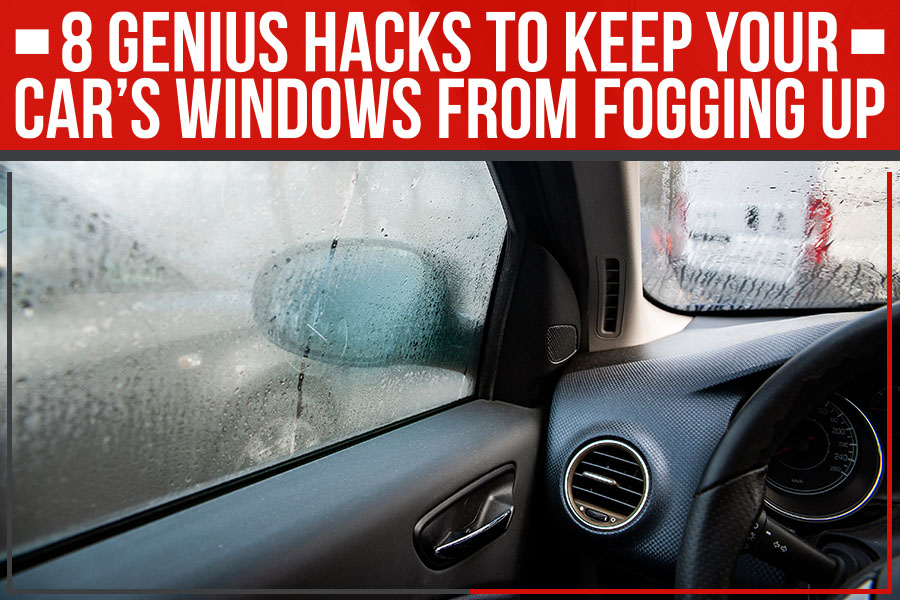
Image Source: www.yorkchryslerdodgejeepram.com
Why Do Car Windows Fog Up? Deciphering the Science
To effectively stop car windows steaming, it’s important to grasp why it happens in the first place. The primary culprit is the difference in temperature and humidity.
- Temperature Difference: When the inside of your car is warmer than the outside, the glass surfaces cool down.
- Humidity: The air inside your car often holds more moisture than the outside air. This moisture comes from passengers breathing, wet clothes, damp umbrellas, spilled drinks, and even moisture from the car’s floor mats.
When this warm, moist air hits the cold window surface, the water vapor condenses, creating that familiar foggy layer. It’s essentially the same process that causes a bathroom mirror to fog up after a hot shower.
Factors Contributing to Interior Humidity Car
Several everyday things can increase the interior humidity car, making fogging worse:
- Passengers: Each person in the car exhales moisture. In a full car, this adds up quickly.
- Wet Items: Bringing in wet coats, hats, shoes, or umbrellas can introduce a significant amount of moisture.
- Spills and Leaks: Even small spills or damp floor mats can contribute to humidity.
- Recirculated Air: While useful for quick cooling, constantly using the recirculate setting without fresh air can trap moisture inside.
- Leaky Seals: Sometimes, door or window seals can degrade, allowing moisture from the outside to enter the car.
- Blocked Air Vents: If your car’s air intake vents are blocked by leaves or debris, the fresh air system won’t work as effectively.
Quick Fixes: How to Defogging Windshield Instantly
When fog appears, you need a fast solution. Here are the most effective ways to defogging windshield and side windows quickly.
1. Utilize Your Car’s Defroster System
Your car is equipped with a system specifically designed for this.
- Front Defroster: This directs air onto the windshield. Make sure it’s set to the highest fan speed.
- Rear Defroster: This uses heating elements embedded in the glass to evaporate moisture.
2. Turn on the Air Conditioning (Even in Winter!)
This might seem counterintuitive, but air conditioning for fog is incredibly effective. The AC system in your car acts as a dehumidifier. It cools the air and removes moisture from it before blowing it onto your windows.
- How to do it: Turn on your AC and direct the airflow to the windshield. You can also use it in conjunction with your heater. Set the temperature to warm, turn on the AC, and direct the air to the windshield. This will warm the glass while the AC removes the moisture from the air.
3. Open Your Windows
A quick and simple way to equalize the temperature and humidity is to crack open your windows.
- How to do it: Open your windows just a little bit. This allows the moist interior air to escape and drier outside air to enter.
4. Adjust Airflow Direction
Ensure your vents are pointed towards the windows.
- How to do it: Most cars have vents that can be directed specifically at the side windows or windshield.
5. Turn Off Recirculation Mode
When your car’s air recirculation mode is on, it’s essentially recycling the moist air already inside your car.
- How to do it: Switch to the fresh air intake mode. This brings in drier outside air, which helps to reduce interior humidity.
Preventing Car Window Fog: Long-Term Strategies
Beyond immediate fixes, there are consistent habits and treatments that can help prevent car window fog from forming in the first place.
1. Keep Your Car Interior Dry
The less moisture you have inside your car, the less likely your windows are to fog up.
- Shake off excess water: Before getting into your car, shake off raincoats, umbrellas, and shoes.
- Use car mats: Rubber or all-weather floor mats are better at containing water than carpeted ones. They can be easily removed and dried.
- Dry damp items: If you’ve got wet clothes or towels, try to dry them or remove them from the car as soon as possible.
- Check for leaks: Periodically inspect your door and window seals for any signs of damage or wear.
2. Clean Your Windows Regularly
Dirt and grime on your windows can actually help moisture cling to the glass, exacerbating fogging. A clean window surface is less likely to attract condensation.
- Use a good quality glass cleaner: For the inside of your windows, a streak-free glass cleaner is essential.
- Microfiber cloths are key: Use clean microfiber cloths for both cleaning and drying. This prevents lint and streaks.
- Don’t forget the edges: Make sure to clean the edges of your windows, as moisture can sometimes accumulate there.
3. Apply a Car Window Treatment
There are various products designed to create a barrier on your windows, making it harder for moisture to stick.
- Anti-fog sprays: These are readily available and easy to apply. Spray onto a clean cloth and wipe the interior of your windows.
- Rain repellent treatments: While primarily for rain, many of these also have anti-fog properties.
-
DIY Car Window Treatment with Shaving Cream: A classic hack for preventing fogging.
- How to apply: Apply a small amount of shaving cream to the inside of your windows. Rub it in with a soft cloth until it’s completely clear. Then, buff it off with a separate clean, dry cloth. The residue left behind creates a barrier that prevents fog. This is a temporary fix but can be surprisingly effective in a pinch.
4. Use Moisture Absorbers
You can place moisture-absorbing products inside your car to help dehumidify car interior.
- Silica gel packets: Save those little packets that come with new shoes or electronics. Place them in strategic locations around your car, especially on the dashboard or under seats.
- Commercial moisture absorbers: Products like DampRid or similar desiccant bags are designed to absorb excess moisture from the air. Place them where they won’t spill and away from direct contact with passengers.
5. Maintain Your Car’s Air Filtration System
A clogged cabin air filter can impede the airflow in your car, affecting the efficiency of your defroster and HVAC system.
- Check and replace: Consult your car’s manual for the location of the cabin air filter and replace it according to the recommended schedule. A clean filter ensures better air circulation.
Advanced Strategies to Combat Car Window Moisture
For persistent issues with car window moisture, consider these more in-depth approaches.
1. Dehumidify Car Interior Effectively
Beyond simple absorbers, you can actively dehumidify car interior using a few methods.
- Run the AC: As mentioned, the AC is a powerful dehumidifier. Use it regularly, even on cooler days if you notice moisture buildup.
- Ventilate: If it’s not raining, leave your windows slightly ajar when parked in a safe location. This allows trapped moisture to escape.
2. Inspect and Repair Seals
Worn or damaged door and window seals can allow moisture to seep into your car, especially during wet weather.
- Visual inspection: Look for cracks, gaps, or stiffness in the rubber seals around doors, windows, and the trunk.
- Replacement: If seals are compromised, have them replaced by a mechanic. This is a crucial step in preventing long-term moisture issues.
3. Check for Cabin Air Leaks
Sometimes, air can leak into the car from areas it shouldn’t, carrying moisture with it.
- Sunroofs and T-tops: If your car has these features, ensure their seals are intact and that drainage channels are clear. Clogged drains can lead to water pooling inside.
- A/C System: Ensure your car’s air conditioning system is functioning correctly and that there are no refrigerant leaks that could affect its dehumidifying capabilities.
Table: Summary of Anti-Fogging Techniques
Here’s a quick reference guide to help you choose the best methods for your situation:
| Technique | Best For | How It Works | Ease of Use |
|---|---|---|---|
| Defroster System | Immediate Clearing | Directs air to remove moisture from glass. | Very Easy |
| Air Conditioning (AC) | Quick Clearing & Prevention | Cools air and removes moisture (dehumidifies). | Very Easy |
| Open Windows | Quick Clearing & Prevention | Equalizes internal and external air moisture and temperature. | Very Easy |
| Fresh Air Intake | Prevention | Brings in drier outside air, reducing interior humidity. | Easy |
| Clean Windows | Prevention & Clarity | Reduces surface adhesion for moisture, improving visibility. | Moderate |
| Anti-Fog Sprays | Prevention | Creates a hydrophobic barrier on glass. | Easy |
| Shaving Cream Hack | Temporary Prevention | Leaves a residue that prevents condensation. | Easy |
| Moisture Absorbers | Prevention | Absorb excess moisture from the car’s interior air. | Easy |
| Cabin Air Filter | Prevention | Ensures efficient airflow for HVAC system to manage interior climate. | Moderate |
| Seal Inspection/Repair | Long-Term Prevention | Prevents external moisture ingress into the vehicle. | Difficult |
Frequently Asked Questions (FAQ)
Q1: Can I use anti-fog spray on my car’s exterior windows?
No, anti-fog sprays are designed for interior surfaces only. Exterior window treatments focus on repelling rain and improving visibility in wet conditions, not preventing internal condensation.
Q2: How often should I clean the inside of my car windows?
It’s a good practice to clean the inside of your car windows at least once a month, or more often if you notice a film or residue building up, which can contribute to fogging.
Q3: Is it bad to constantly use the “recirculate” air setting?
Yes, if you’re trying to prevent fogging. Constantly recirculating air traps moisture inside your car, making condensation more likely. It’s best to use fresh air intake, especially when you notice car interior condensation.
Q4: What is the best way to stop car windows steaming in cold weather?
The most effective method is to use a combination of your car’s defroster, the air conditioning (even with heat), and fresh air intake. Keeping your windows clean and applying an anti-fog treatment can also significantly help.
Q5: My car still fogs up even when it’s not cold. What could be the problem?
This usually indicates high humidity inside your car. Check for damp floor mats, wet items, or potential leaks. Using your AC more often as a dehumidifier can also help.
Q6: Are there any natural ways to prevent car window fog?
Yes, besides cleaning and ventilation, you can try placing a sock filled with silica gel packets or even clean cat litter (though ensure it’s unscented and dust-free) in your car to absorb moisture. Some people also report success with a thin layer of potato rubbed on the inside of the glass and then buffed clear, but this is less proven than other methods.
Q7: How does the car defroster tips relate to preventing fog?
The defroster system is your primary tool for clearing fog. By directing warm, dry air (especially when the AC is engaged) onto the windshield, it quickly evaporates condensation. Maintaining a clean cabin air filter ensures this system works at its best.
By understanding the causes of fog and employing these simple yet effective strategies, you can enjoy clear visibility and safer driving, no matter the weather. Keep your car’s interior dry, your windows clean, and your defroster ready!