The best way to prevent tree sap on your car windshield and paint is to avoid parking under sap-producing trees whenever possible. When you must park under trees, using a high-quality car cover or applying a durable car wax protection sap barrier are highly effective strategies. Regular washing and quick removal of any sap spots also minimize potential issues and help stop sap damage car paint. This guide explores different methods to protect your car from sticky tree sap.
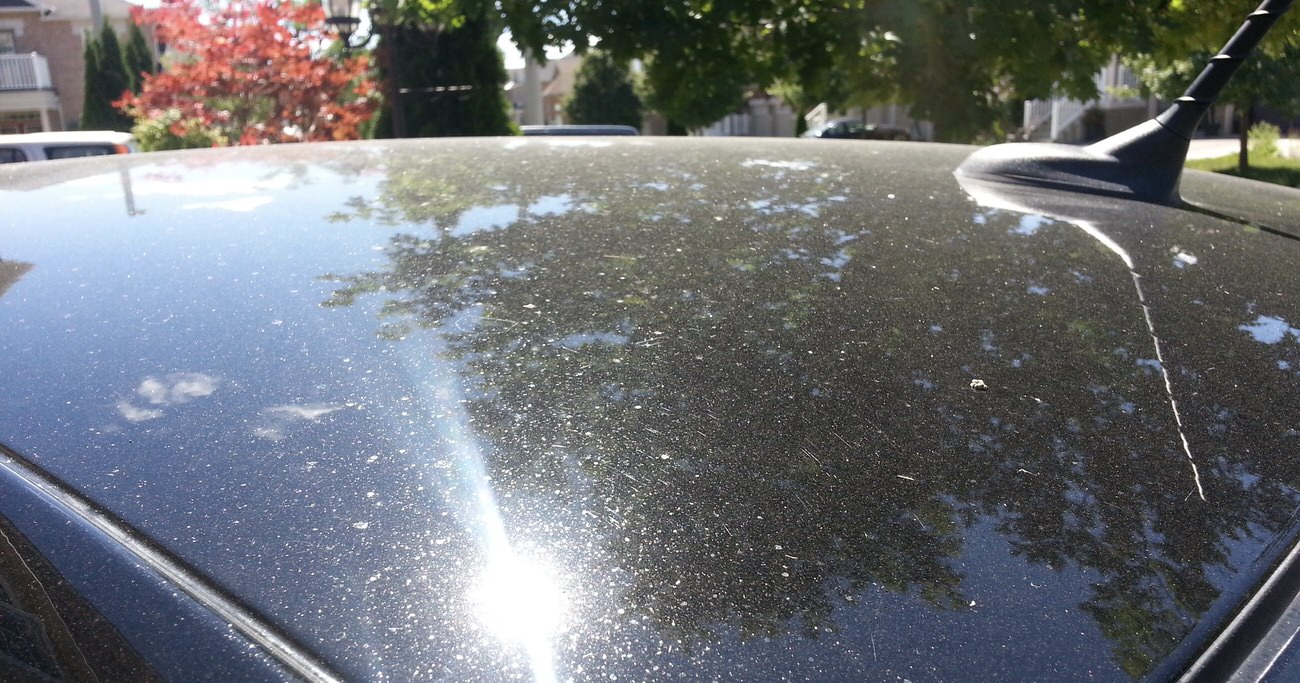
Image Source: cjsautobling.com
Grasping Why Sap is a Problem
Tree sap seems harmless at first. It’s just a sticky liquid from trees, right? But sap is more than just sticky. It can cause real problems for your car, especially the paint and windshield. Knowing why sap is bad helps you see why preventing it is so important.
How Sap Hurts Your Car
Sap from trees contains sugars, resins, and other natural stuff. When this sticky stuff lands on your car, it starts to dry. The sun’s heat makes it dry faster and bake onto the surface.
Over time, sap hardens. It bonds tightly to the clear coat on your car’s paint. The clear coat is the top, see-through layer that protects the color underneath. Sap can eat into this clear coat. This can leave dull spots or stains that are hard to remove. If left long enough, sap can even get through the clear coat and damage the colored paint below. This means costly repairs.
On your windshield, sap can be annoying. It makes streaks and spots that are hard to see through. This can make driving unsafe. Wipers often just smear it around, making things worse. While sap doesn’t usually harm the glass itself like it harms paint, the sticky mess is a big problem for clear vision.
Quick action is key if sap gets on your car. But preventing it in the first place saves you time, money, and the headache of trying to clean it off.
Exploring the Best Prevention Methods
Stopping sap from landing on your car is the most effective defense. There are several ways to do this, ranging from simple choices to applying protective layers.
Picking Your Parking Spot Carefully
The simplest way to prevent sap is to not park where it falls. This sounds easy, but it’s not always possible.
Avoiding Problematic Trees
Some trees make more sap than others, especially at certain times of the year. Knowing which trees are sap producers helps you choose parking spots.
Trees known for dripping sap include:
- Pine trees (especially in warm weather)
- Fir trees
- Spruce trees
- Maple trees
- Oak trees
- Birch trees
- Fruit trees (when ripe fruit drops or they have insect problems)
Insects like aphids can also make trees produce a sticky substance called honeydew. This looks and acts a lot like sap on your car. Boxelder trees and Linden trees are often targets for these insects.
Think about the time of year too. Trees often drip more sap in the spring and summer. After storms or windy weather, more sap and tree bits might fall.
When you are parking under trees, look up. Are there sticky spots on the ground? Are there insects on the branches? Is the car next to you covered in spots? These are signs that sap is likely to fall.
If you have a choice, park away from trees. Use covered parking, a garage, or open areas. This is the first and best step in how to protect car from sap.
Using a Car Cover for Tree Sap Defense
When you can’t avoid parking under trees, a car cover is a great option. A car cover tree sap protector acts like a shield. It catches the sap before it hits your car.
Choosing the Right Cover
Not all car covers are the same. For sap protection, you need a cover that:
- Fits your car: A cover that fits well won’t blow off easily and will cover all surfaces.
- Is water-resistant or waterproof: This stops sap from possibly soaking through, especially liquid sap or honeydew.
- Is breathable: This is important to let moisture escape from under the cover. Moisture trapped under a cover can cause mold or mildew.
- Is durable: It needs to stand up to weather and being put on and taken off often.
Materials like polyester, nylon, and specially treated fabrics work well. Some covers have multiple layers for better protection. Look for covers made specifically for outdoor use.
Pros and Cons of Using a Cover
Pros:
- Provides a physical barrier against sap, leaves, dirt, and bird droppings.
- Protects from UV rays, which can damage paint over time.
- Keeps the car cleaner, reducing the need for washing.
- Offers great car cover tree sap protection when parking under trees.
Cons:
- Takes time to put on and take off.
- Can be bulky to store when not in use.
- Might scratch the paint if the car is dirty before putting the cover on, or if the cover is dirty.
- A poorly fitting or cheap cover might not stay on in windy conditions.
If you decide to use a cover, make sure your car is clean before you put it on. Also, shake out the cover regularly to remove debris caught on it.
Applying Protective Coatings
Adding a protective layer to your car’s surface is another key way to prevent sap from sticking. These coatings create a slick barrier that makes it harder for sap to bond to the paint and glass. They also make sap easier to clean off if it does land on the car.
Car Wax Protection Sap Barrier
Wax is a traditional way to protect car paint. It creates a layer that repels water and makes the surface slippery. This slipperiness helps prevent sap from getting a strong grip.
- How it works: Waxes, like Carnauba wax or synthetic waxes, fill in the microscopic pores in your car’s clear coat. This makes the surface smooth and slick. Sap finds it hard to stick to this smooth surface.
- Application: Apply wax to a clean, dry car surface. Use a foam applicator pad to spread a thin layer. Let it dry to a haze, then buff it off with a clean microfiber cloth. Make sure to cover all painted surfaces and maybe even the windshield (use a specific glass wax or sealant for windshields).
- Duration: Wax usually lasts a few weeks to a couple of months, depending on the product and weather. You need to reapply it regularly for ongoing car wax protection sap defense.
Paint Sealants
Paint sealants are synthetic products designed to do what wax does, but often last longer. They create a chemical bond with the paint.
- How it works: Sealants form a strong, durable layer on the paint. This layer is very slick and resistant to environmental contaminants like sap.
- Application: Apply to a clean, dry surface, often similar to applying wax. Follow the product’s specific instructions for curing time.
- Duration: Sealants typically last 4-6 months or even longer. They offer more durable car wax protection sap defense than traditional wax.
Ceramic Coatings
Ceramic coatings are the most advanced form of paint protection widely available now. They create a very hard, durable layer on the car’s surface.
- How it works: Ceramic coatings form a semi-permanent bond with the paint, creating a strong, hydrophobic (water-repelling) layer. This layer is extremely slick, making it very difficult for sap and other contaminants to stick. When sap does land, it often sits on top of the coating rather than biting into the paint.
- Application: Applying ceramic coatings is more complex than wax or sealant. The surface must be perfectly clean and prepped. Often involves polishing the paint first. Application can be tricky and requires care to avoid high spots or streaks. Many people have this applied by professionals.
- Duration: Ceramic coatings can last for years (1-5+ years) with proper care. They provide the longest-lasting car wax protection sap resistance.
Table: Comparing Protective Coatings for Sap Prevention
| Feature | Car Wax | Paint Sealant | Ceramic Coating |
|---|---|---|---|
| Protection | Good | Very Good | Excellent |
| Durability | Weeks to Months | Months | Years |
| Sap Resistance | Helps prevent sticking, makes removal easier | Better resistance, easier removal | Hard to stick, very easy removal |
| Application | Easy | Moderate | Complex (often Pro) |
| Cost | Low | Moderate | High |
| Effort | Regular reapplications | Less frequent applications | Initial effort high, low maintenance |
Using any of these coatings significantly boosts your car’s defense against sap. They make cleanup much less likely to be needed, fulfilling the goal of how to protect car from sap.
The Role of Regular Cleaning
Even with prevention methods, a little sap might sometimes get through. Regular cleaning is important for two reasons:
- It removes light sap spots before they harden and cause sap damage car paint.
- It keeps your protective coatings clean and working effectively.
Wash your car often, especially if you’ve been parked under trees. Use a quality car wash soap and plenty of water. Wash gently to avoid scratching.
During washing, check your car surfaces for any sap spots. The sooner you find sap, the easier it is to remove without needing harsh methods. A fresh, soft sap spot might wash right off with soap and water.
If Prevention Fails: Quick Sap Removal
While this guide is about prevention, knowing how to remove sap quickly is the backup plan. Fast removal is key to preventing sap damage car paint. If you see sap despite your efforts, act fast. Letting it sit makes it much harder to remove and increases the chance of permanent damage.
There are many methods for tree sap removal car surfaces. Some common ones include:
- Warm Water and Soap: For fresh sap, sometimes this is enough.
- Automotive Sap Cleaner: There are many products specifically made to dissolve sap safely. These are often the best way remove tree sap car surfaces without harming the paint. Follow the product instructions carefully.
- Isopropyl Alcohol (Rubbing Alcohol): Isopropyl alcohol sap removal is a common home method. Use a small amount on a microfiber cloth. Dab the sap spot gently. Do not rub hard. This can work, but use sparingly and wash the area with soap and water right after to remove any alcohol residue. Alcohol can potentially harm some paint or plastic if left on too long or used too much.
- Clay Bar Treatment: If sap has hardened but hasn’t damaged the paint yet, a clay bar tree sap method can lift it off. Automotive clay bars are used with a lubricant. The clay pulls contaminants like sap from the surface. This is a safe method if done correctly, but requires patience and proper technique to avoid scratching.
- Other Products: Some people use things like bug and tar remover, mineral spirits, or even certain types of detail sprays. Always test any product on a small, hidden area first to ensure it doesn’t harm your car’s finish.
Remember, the goal is gentle removal. Scrubbing hard can scratch your paint. Use soft microfiber cloths.
After removing sap, always wash the area and consider reapplying wax or sealant to that spot, as the removal process might have stripped the protection.
Deep Dive into Protective Coating Application (DIY Focus)
If you choose to apply car wax protection sap layers yourself, here’s a basic guide. Always follow the specific instructions on the product you buy, as steps can vary.
Applying Wax or Sealant
This is a multi-step process to ensure the protective layer bonds correctly and lasts as long as possible.
Step 1: Wash Your Car Thoroughly
Your car must be spotless. Any dirt, grime, or old sap left on the surface will get trapped under the wax or sealant. This will prevent it from sticking correctly and can even scratch the paint during application.
- Use a quality car wash soap.
- Use the two-bucket method (one bucket with soapy water, one with clean rinse water) to keep your wash mitt clean.
- Wash from the top down.
- Rinse completely.
Step 2: Dry Your Car Completely
Water drops left on the car can mess up the waxing process. Use clean microfiber drying towels to dry every part of the car, including door jams and trim where water can hide.
Step 3: Decontaminate (Optional but Recommended)
For the best bond, the paint surface should be totally smooth. This step removes tiny bits that washing doesn’t get, like industrial fallout or light sap residue.
- Clay Bar: Use a clay bar tree sap kit (which includes the clay and a spray lubricant). Spray the lubricant on a small area. Rub the clay bar gently back and forth over the wet area. You will feel the clay grabbing bits at first, then gliding smoothly when the surface is clean. Fold the clay to a clean side often. This process also helps with light tree sap removal car residues that hardened slightly.
- After claying a section, wipe off the lubricant residue with a clean microfiber cloth.
- Repeat for the entire car.
Step 4: Apply the Protective Coating
Work in a shaded area or garage. Direct sunlight can make products dry too fast.
- Read your product’s instructions.
- Use a foam applicator pad for wax or sealant.
- Apply a thin, even layer to one section of the car at a time (e.g., one fender, half the hood).
- For waxes, let it haze over (check product instructions for timing). For sealants, follow the recommended curing time (it might be longer).
- Do not apply too much product. A thin layer is all you need.
Step 5: Buff Off the Residue
Use clean, soft microfiber towels.
- Use a fresh towel to gently buff away the dried wax or sealant haze.
- Use a second clean towel for a final buff to a shine.
- Fold your towels often to use a clean section.
- Buff off all visible residue. Check from different angles in good light.
Step 6: Allow to Cure (Sealants/Ceramics)
For sealants and especially ceramic coatings, there’s a “curing” time where the product hardens fully. Avoid washing the car or letting it get wet during this time (check product for specifics, often 12-24 hours or longer).
Applying Ceramic Coating (DIY Considerations)
Applying a ceramic coating yourself is harder and requires more attention to detail.
- Preparation is Critical: Paint correction (polishing to remove scratches and swirls) is often needed before ceramic coating for the best results. The surface must be perfectly clean and wiped down with a special prep spray to remove all oils before coating.
- Application Technique: Ceramic coatings flash (start to cure) quickly. You apply in small sections, level the coating immediately, and buff off residue within minutes or even seconds, depending on the product and temperature. High spots or missed spots are hard to fix later.
- Ventilation: Use in a well-ventilated area.
- Practice: Maybe try on a small, less visible area first.
Because of the difficulty and the need for perfect prep, many people choose professional application for ceramic coatings. However, DIY kits are available with careful instruction.
No matter which coating you choose, regular washing helps maintain its effectiveness and keeps your car looking good while also providing car wax protection sap resistance.
Long-Term Effects of Ignoring Sap
Ignoring sap is never a good idea. The longer it stays on your car, the more damage it can do.
Staining and Etching
Sap hardens and dries. As it does, it can actually etch, or eat into, the clear coat layer of your paint. This leaves a dull spot or ring where the sap was, even after it’s removed. It looks like the paint is stained or damaged.
Paint Discoloration
In severe cases, especially with certain types of sap or honeydew, the color of your paint can change slightly under the sap spot.
Requiring More Aggressive Removal
Old, hard sap is much harder to remove than fresh sap. You might need stronger automotive sap cleaner products or more effort with a clay bar tree sap method. This increases the risk of accidentally scratching or dulling your paint during the removal process.
Reduced Resale Value
Cars with damaged paint from sap look neglected. This can significantly lower the car’s resale value.
By focusing on prevention, you avoid these long-term problems entirely. Stopping sap before it lands is much easier and cheaper than dealing with the consequences of sap damage car paint.
Making Prevention a Habit
Protecting your car from sap is not a one-time thing. It requires making smart choices and doing regular maintenance.
- Be Mindful of Parking: Always think about where you park. If you have to park under trees, try to make it for the shortest time possible.
- Keep it Covered: If parking under trees is unavoidable, use your car cover tree sap shield consistently.
- Keep it Protected: Reapply wax or sealant regularly. If you have a ceramic coating, follow the manufacturer’s care instructions.
- Keep it Clean: Wash your car often. This removes light sap before it becomes a problem and keeps your protection layers working.
- Inspect Regularly: Take a quick look at your car’s surfaces often, especially after parking under trees. Catching sap early is key for easy tree sap removal car.
Following these steps is the best way to protect car from sap and keep your paint and windshield clear and undamaged.
FAQ: Your Sap Prevention Questions Answered
Here are some common questions about tree sap and cars.
H3 Isopropyl alcohol sap removal: Is it safe for car paint?
Isopropyl alcohol (rubbing alcohol) can be used for isopropyl alcohol sap removal, but it should be used with caution. It is generally safe in small amounts on a cloth for dabbing sap spots, but it can strip wax/sealant and potentially harm some clear coats or plastic trim if used excessively or left on too long. Always test in a hidden area first and wash the spot with car soap and water immediately after using alcohol.
H3 What trees are the worst for car sap?
Pine, fir, and spruce trees are notorious for sticky sap, especially in warmer weather. Deciduous trees like maple and oak can also produce sap. Additionally, trees infested with insects like aphids can produce a sticky honeydew which is similar to sap and also problematic. Avoiding parking under trees known for heavy sap production is key to preventing sap on car windshield and paint.
H3 Can tree sap really ruin car paint?
Yes, absolutely. If left on for too long, especially in the sun, tree sap can bond tightly to the car’s clear coat and actually etch into it. This can leave permanent dull spots, stains, or even damage the colored paint underneath, leading to sap damage car paint that requires professional repair.
H3 How often should I apply car wax protection sap?
The frequency depends on the type of product and driving conditions. Traditional carnauba wax might need reapplying every 4-6 weeks. Synthetic paint sealants can last 4-6 months. Ceramic coatings can last for years. Check the product label. Regular application or maintenance of your chosen protection is vital for ongoing car wax protection sap defense.
H3 What is the best way remove tree sap car that has dried?
Dried sap is harder to remove. Start with an automotive sap cleaner designed for cars. Apply it to a microfiber cloth and let it sit on the sap spot for the time recommended by the product (usually a few minutes) to soften it. Then gently wipe. If that doesn’t work, a clay bar tree sap method with lubricant can often lift dried sap. Isopropyl alcohol sap removal is another option for tough spots, used sparingly. Always be gentle and wash the area afterwards.
H3 Can a car cover tree sap protection work in high wind?
A good quality car cover designed for outdoor use should have grommets for tie-downs or elastic hems to help it stay on in moderate wind. However, in very high winds, even a well-fitting cover can shift. A flapping cover can potentially scratch the paint if dirt is trapped underneath. Ensure the cover fits snugly and is secured properly for effective car cover tree sap protection.
H3 Is an automotive sap cleaner better than home remedies?
Generally, yes. Automotive sap cleaners are formulated specifically to dissolve tree sap and honeydew without harming car paint or clear coat, provided you follow the directions. Home remedies like mineral spirits, Goo Gone, or even nail polish remover (which should NEVER be used) can contain chemicals that might be too harsh and damage your car’s finish. Using a dedicated automotive sap cleaner is often the safest and most effective method for tree sap removal car surfaces.
H3 Does a ceramic coating really prevent sap?
Ceramic coatings don’t make your car 100% immune to sap landing on it. However, they create an extremely slick and non-porous surface that makes it very difficult for sap to bond tightly. Sap is much more likely to sit on top of the coating, making tree sap removal car much easier – often just with a regular wash or a mild cleaner – before it can cause sap damage car paint. It significantly reduces the risk and effort associated with sap.
H3 Besides sap, what else do these prevention methods protect against?
Parking under trees (or avoiding them), using a car cover tree sap shield, and applying car wax protection sap or other coatings also protect against bird droppings, insect remains (like bug splatters), UV ray damage from the sun, dust, dirt, and minor environmental fallout. These methods provide overall protection for your car’s exterior.
Conclusion
Preventing tree sap on your car windshield and paint is a smart move that saves you time, effort, and money in the long run. While sap removal methods exist, the goal should always be to stop it from getting on your car in the first place. By making conscious choices about parking under trees, using a reliable car cover tree sap shield when needed, and regularly applying protective layers like car wax protection sap, sealants, or ceramic coatings, you create a strong defense. Regular cleaning is also key to quickly dealing with any sap that slips through your defenses. Taking these steps ensures your car stays looking its best, free from the sticky mess and potential sap damage car paint can suffer.