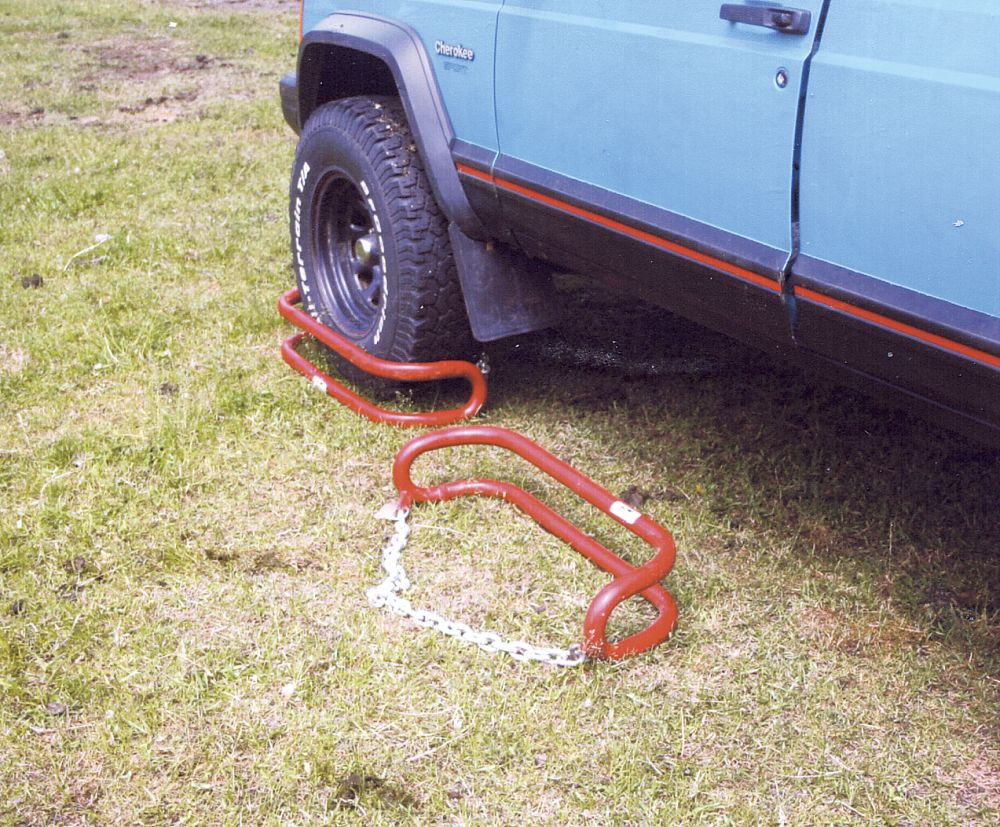
Image Source: www.farmshow.com
How To Make A Car Untowable Safely and Easily
Can a car be made untowable? Yes, a car can be made untowable by taking several steps to immobilize vehicle functions that are essential for towing.
Towing a vehicle might seem like a straightforward process, but making a car truly untowable requires a bit of know-how. Whether you’re concerned about unauthorized towing of your own vehicle or want to understand how to secure it, this guide will walk you through effective methods. We’ll cover everything from simple tricks to more involved modifications that will prevent towing without the proper authorization or keys.
Why Make a Car Untowable?
There are several reasons someone might want to make their vehicle untowable:
- Preventing Unauthorized Towing: If you live in an area with strict parking regulations or are worried about your car being towed from private property, making it untowable can offer peace of mind.
- Securing a Vehicle: For long-term storage or if a vehicle is particularly valuable, rendering it untowable adds an extra layer of security.
- Temporary Immobilization: In certain situations, you might need to temporarily stop your car from being moved, and these methods can achieve that.
- Disabling a Vehicle: For operational reasons or to prevent usage, making a car untowable is a definitive way to immobilize vehicle capabilities.
Key Strategies to Prevent Towing
Making a car untowable involves disrupting the systems that allow it to be towed. Tow trucks typically need to be able to steer and roll the vehicle. By targeting these functions, you can effectively stop towing.
1. Disabling the Steering System
The steering system is crucial for a tow truck to maneuver a car. If the steering is locked or disabled, towing becomes significantly more difficult.
Locking the Steering Wheel
Most cars have an automatic steering lock that engages when the ignition is turned off and the steering wheel is moved.
- How it Works: Turn off the engine. While holding the steering wheel, turn the key in the ignition to the “Off” position. Gently jiggle the steering wheel back and forth. You should feel a “clunk” as the steering lock engages.
- Making it More Secure: If the steering wheel doesn’t lock automatically, or if you want to ensure it stays locked, you can use a steering wheel lock device. These are visible deterrents and physically prevent the wheel from turning.
Disabling Steering Mechanisms (More Involved)
For a more robust solution, you can physically interfere with the steering components. This is a more permanent or semi-permanent measure.
- Disconnecting Tie Rods: This involves disconnecting the tie rods from the steering knuckle. This will allow the wheels to move freely but will render the steering wheel useless.
- Procedure: Safely lift the front of the vehicle. Locate the tie rods connected to the steering knuckle. Use appropriate tools (wrenches, socket sets) to loosen and remove the nuts securing the tie rods. Be aware that this is a mechanical intervention that requires some automotive knowledge.
- Removing Steering Components: In extreme cases, you could remove parts of the steering system, such as the steering column or rack and pinion. This is a significant alteration and would require professional tools and expertise.
2. Disabling the Braking System
Braking systems are also essential for towing, especially if the car needs to be rolled. Modern cars often have sophisticated braking systems that can be tricky to bypass.
Disabling the Parking Brake (Handbrake)
The parking brake is designed to hold the vehicle stationary. Ensuring it is engaged is a basic step.
- Mechanical Parking Brake: If your car has a manual handbrake lever or foot pedal, ensure it is fully engaged.
- Electronic Parking Brake (EPB): Many modern cars have an EPB. Usually, it engages automatically when the car is turned off, but you can often manually engage it as well. Consult your car’s manual for specific instructions.
Disabling the Main Braking System
Disabling the hydraulic or electric braking system is a more advanced step that can prevent towing.
- Draining Brake Fluid: The hydraulic brake system relies on brake fluid. Draining this fluid will render the brakes inoperable.
- Procedure: Locate the brake fluid reservoir under the hood. Use a clean syringe or siphon to carefully drain the fluid. Dispose of the fluid properly as it is toxic. Once drained, the brake pedal will go to the floor without applying any braking force.
- Disconnecting Brake Lines: For a more complete disablement, you can disconnect the brake lines from the calipers or wheel cylinders. This will cause brake fluid to leak out and make the brakes useless. This is a more intrusive modification.
- Disabling Electronic Brakes: For cars with Anti-lock Braking Systems (ABS) or Electronic Stability Control (ESC), there might be modules or sensors that can be temporarily disabled. However, this often requires specialized diagnostic tools and knowledge. For example, you could potentially disconnect the ABS pump or control module, but this is complex and varies greatly by vehicle make and model.
3. Preventing the Wheels from Turning
While tow trucks often lift the wheels off the ground, making the wheels themselves unturnable can add another layer of difficulty.
Removing Wheels
The most effective way to prevent wheels from turning is to remove them entirely.
- Procedure: Safely lift the vehicle using a jack and jack stands. Loosen the lug nuts on each wheel with a lug wrench. Once loose, unscrew the lug nuts completely and remove the wheels. Store the lug nuts and wheels in a secure location. This leaves the car sitting on its brake rotors or suspension arms, making it impossible to roll. This is a very effective method to prevent towing by any conventional means.
Obstructing Axles
If removing wheels is too much, you can try to obstruct axles.
- Immobilizing Axles: You can try to jam the axles with objects. For example, wedging sturdy metal bars or chains around the axle components might make it extremely difficult to rotate them. This is a more crude method and may not be completely effective against a determined tow operator.
4. Disabling the Transmission
The transmission is the link between the engine and the wheels. If it’s not in a neutral or towable state, towing becomes problematic.
Disconnecting Driveshaft (Rear-Wheel Drive/All-Wheel Drive)
For vehicles with a driveshaft, disconnecting it from the differential or transmission can prevent towing.
- Procedure: Safely lift the rear of the vehicle. Locate the driveshaft. It’s a metal shaft connecting the transmission to the rear axle. There are typically U-joints at each end that allow for movement. Unbolt the driveshaft from either the transmission output flange or the rear differential. This disconnects power from the rear wheels.
- Caution: This is a significant mechanical intervention and requires proper tools and knowledge of automotive mechanics.
Disabling Front-Wheel Drive Transmissions
For front-wheel-drive vehicles, the drivetrain is more integrated.
- Disconnecting Axle Shafts (CV Joints): You can disconnect the axle shafts (also known as CV shafts) from the transmission. This requires lifting the vehicle and carefully prying the splined ends of the axle shafts out of the transmission’s differential.
Disabling the Transmission Internally
- Keeping it in Park (Automatic): For automatic transmissions, ensuring the vehicle is firmly in “Park” is essential. However, some tow trucks can tow automatic cars with the transmission in Park if they lift all four wheels.
- Engaging a Gear (Manual): For manual transmissions, leaving the car in first gear or reverse and engaging the parking brake adds an extra layer of security.
- “Tow Mode” and Neutral: Be aware that many modern cars have specific “tow modes” or neutral settings for towing. If you are intentionally making a car untowable, you do not want these engaged.
5. Removing the Battery
While not directly preventing towing mechanics, disconnecting or removing the battery will immobilize vehicle electronics and prevent starting, which can deter casual attempts at towing or tampering.
- Disconnecting the Battery: Locate the battery under the hood (or sometimes in the trunk or under a seat). Use a wrench to loosen and remove the negative (black) terminal first, followed by the positive (red) terminal. Store the terminals separately to prevent accidental reconnection.
- Removing the Battery: For complete assurance, you can remove the battery entirely. This eliminates all electrical power to the vehicle, disabling any electronic systems, including electronic parking brakes or starter systems.
6. Draining Fuel
Draining the fuel tank is a more drastic measure that makes the car inoperable and difficult to move under its own power, though it doesn’t directly stop a tow truck.
- Procedure: Safely access the fuel tank and fuel lines. Use a siphon or pump to drain the fuel into an approved container. This process is messy and requires proper safety precautions due to the flammability of gasoline or diesel.
- Effectiveness: This measure primarily makes the car undrivable, which indirectly discourages unauthorized movement.
Combining Methods for Maximum Security
For the ultimate untowable vehicle, combining several of these methods is most effective.
- Steering Lock + Wheel Removal: This is a highly effective combination. Even if a tow operator bypasses the steering lock, they won’t be able to roll the vehicle if the wheels are off.
- Steering Lock + Transmission Disablement + Battery Removal: This makes the car impossible to start or steer, and difficult to even maneuver without significant effort.
- Steering Wheel Lock + Steering Disablement + Brake Disablement + Wheel Removal + Battery Removal: This creates a vehicle that is practically impossible to tow by conventional means.
Safety Considerations and Legalities
When attempting to make a car untowable, safety and legality are paramount.
Safety Precautions
- Use Jack Stands: Never work under a vehicle supported only by a jack. Always use sturdy jack stands to prevent the vehicle from falling.
- Proper Tools: Ensure you have the right tools for the job. Using incorrect tools can damage your vehicle or cause injury.
- Protective Gear: Wear gloves, safety glasses, and appropriate clothing, especially when dealing with fluids like brake fluid or fuel.
- Environmental Responsibility: Dispose of all fluids (brake fluid, fuel) properly and in accordance with local regulations.
- Know Your Limits: If you are unsure about any mechanical procedure, consult a qualified mechanic.
Legal and Ethical Implications
- Unauthorized Modification: Making your own vehicle untowable is generally legal. However, disabling brakes or other critical safety systems on a vehicle that is intended to be driven on public roads can be illegal and dangerous if not done with extreme care and subsequent restoration.
- Tampering with Others’ Property: It is illegal to tamper with or render undrivable a vehicle that does not belong to you. This guide is for securing your own property.
Tools You Might Need
- Jack and Jack Stands
- Lug Wrench
- Socket Set and Wrenches
- Screwdrivers
- Pliers
- Syringe or Siphon Pump (for fluids)
- Gloves and Safety Glasses
- Steering Wheel Lock Device (optional)
Table: Severity of Methods
| Method | Difficulty | Effectiveness Against Towing | Potential for Damage | Notes |
|---|---|---|---|---|
| Lock Steering Wheel | Easy | Moderate | None | Basic deterrent, can be bypassed. |
| Remove Steering Components | Hard | Very High | High | Major modification, requires expertise. |
| Engage Parking Brake | Easy | Low | None | Basic, easily overcome. |
| Drain Brake Fluid | Medium | High | Moderate | Renders brakes inoperable, requires refilling and bleeding to drive. |
| Disconnect Brake Lines | Hard | Very High | High | Major intervention, requires brake system repair. |
| Remove Wheels | Medium | Very High | Low | Makes rolling impossible, very effective. |
| Obstruct Axles | Medium | Moderate | Moderate | Can be difficult for tow trucks, but not foolproof. |
| Disconnect Driveshaft/Axles | Hard | High | Moderate | Prevents power to wheels, but doesn’t stop rolling. |
| Disable Transmission Internally | Hard | High | Moderate | Makes neutral or park ineffective for towing. |
| Disconnect Battery | Easy | Low (directly) | None | Prevents starting and electronics, indirect effect on towing. |
| Drain Fuel | Medium | Low (directly) | Moderate | Makes vehicle undrivable, not directly preventing tow truck operation. |
Frequently Asked Questions (FAQ)
Q1: Will removing the battery prevent my car from being towed?
A1: Removing the battery will immobilize vehicle systems and prevent it from being started, but it generally won’t directly stop a tow truck from lifting and moving the car. A tow truck can still roll a car with no battery power.
Q2: Is it legal to make my car untowable?
A2: Yes, it is generally legal to modify your own vehicle to make it untowable for security purposes. However, it is illegal to tamper with another person’s vehicle.
Q3: Can a tow truck still tow a car with the steering wheel locked?
A3: Yes, most tow trucks can still tow a car with the steering wheel locked. They often use dollies or lift the front or rear wheels, allowing them to steer around the locked wheels. Making the wheels themselves unable to turn is more effective.
Q4: What is the easiest way to make a car untowable?
A4: The easiest, non-destructive method is to ensure the steering wheel is locked and use a physical steering wheel lock device. For greater security, removing the wheels is highly effective.
Q5: What happens if a tow truck tries to tow a car with the transmission in Park?
A5: Towing an automatic transmission vehicle with the transmission in Park can cause significant damage to the transmission, especially if all four wheels are on the ground. This is why it’s crucial to put automatics in Park and manuals in gear when leaving them. However, some towing methods (like using dollies that lift the drive wheels) can mitigate this.
Q6: How do I disable the steering wheel lock?
A6: To disable the steering wheel lock, you typically need to turn the ignition key to the “accessory” or “on” position. If you’ve lost your keys, this becomes more complex and often requires specialized tools or locksmith services.
Q7: Can I make my car untowable by just disconnecting the battery and locking the steering wheel?
A7: These steps will make it harder to start and steer, but a determined tow truck driver can still lift your vehicle using dollies or a flatbed truck and prevent towing will not be absolute. For true untowability, you need to interfere with the wheels or brakes.
By employing these methods, you can effectively make your car untowable, providing an added layer of security and control over its movement. Always prioritize safety and be aware of any potential damage to your vehicle when performing these procedures.