Can you get smells out of cloth car seats? Yes, you absolutely can! Getting rid of unpleasant odors from your car’s cloth seats is definitely achievable, and with the right methods, you can banish them quickly.
The air in your car can start to smell bad for many reasons. Spilled drinks, forgotten food, pet accidents, or even just daily use can leave a lingering odor. When these smells get trapped in the fabric of your car seats, they can be tough to remove. But don’t worry! This guide will walk you through effective ways to tackle those stubborn smells and make your car interior smell fresh again. We’ll cover everything from simple DIY solutions to more powerful cleaning methods for successful odor removal and stale smell removal.
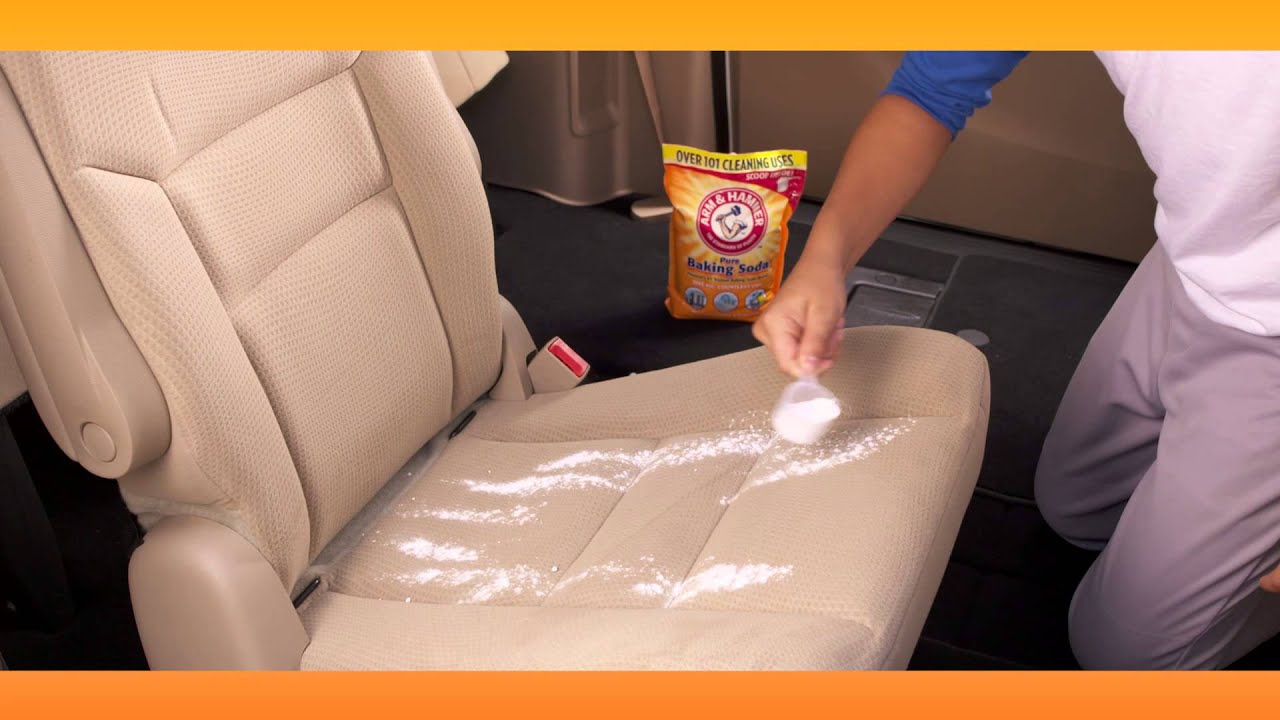
Image Source: i.ytimg.com
Why Cloth Car Seats Trap Odors
Cloth car seats are made of absorbent materials. Think of them like a sponge for smells. Tiny fibers in the fabric can soak up liquids and airborne particles that carry odors. Once these odor molecules are in the fibers, they don’t just disappear. They can react with the fabric and even multiply over time, making the smell stronger and harder to get rid of. This is why upholstery cleaning for your car seats is so important if you want to maintain a pleasant car interior smell.
Common Culprits of Bad Car Seat Smells
- Food and Drinks: Spilled coffee, milk, soda, or fast food can leave sticky residues that bacteria love. These bacteria break down the food and create foul odors.
- Pets: Pet dander, accidents, or wet fur can all contribute to strong, persistent smells.
- Sweat and Body Odors: Even everyday use can lead to sweat and body oils being absorbed into the seats.
- Mold and Mildew: If your car gets wet and doesn’t dry properly, mold and mildew can grow, creating musty and unpleasant smells.
- Smoke: Cigarette smoke or even smoke from a fire can embed itself deeply into fabric, requiring serious odor removal.
- Vomit or Other Biological Stains: These are notoriously difficult to clean and require immediate and thorough attention to eliminate odors.
Quick Fixes for Minor Odors
Sometimes, you don’t need a deep clean. For mild smells, a few quick steps can make a big difference.
1. Ventilation is Key
- Open all the car doors and windows on a sunny, breezy day.
- Let the car air out for at least an hour. Sunlight can help kill some odor-causing bacteria.
2. Baking Soda Sprinkle
Baking soda is a natural deodorizer. It absorbs odors rather than masking them.
- Sprinkle a generous amount of baking soda evenly over the affected cloth car seats.
- Let it sit for at least a few hours, or preferably overnight.
- Vacuum it up thoroughly. Make sure to go over the area several times to remove all the baking soda.
3. White Vinegar Spray (Diluted)
Vinegar is acidic and can neutralize alkaline odors.
- Mix equal parts white vinegar and water in a spray bottle.
- Lightly mist the car seats. Don’t soak them.
- Let the seats air dry completely. The vinegar smell will dissipate as it dries, taking the bad odors with it.
Deep Cleaning Methods for Stubborn Smells
When the quick fixes aren’t enough, it’s time for more intensive DIY car seat cleaning. These methods aim to break down the odor molecules and clean the fabric thoroughly.
1. Using a Commercial Car Seat Cleaner
There are many effective car seat cleaner products available specifically designed for fabric upholstery.
- Choose the Right Product: Look for cleaners that are pH-neutral and designed for automotive fabric. Some also contain enzymes that break down odor-causing organic matter.
- Test in an Inconspicuous Area: Before applying to the entire seat, test the cleaner on a small, hidden spot to ensure it doesn’t cause discoloration or damage.
- Application:
- Vacuum the seats thoroughly to remove loose dirt and debris.
- Spray the cleaner evenly onto the affected areas. Follow the product’s instructions carefully regarding how long to let it sit.
- Use a soft-bristled brush or a microfiber cloth to gently agitate the fabric. This helps the cleaner penetrate the fibers.
- Blot the area with a clean, damp microfiber cloth to lift the dirt and cleaner.
- Allow the seats to air dry completely. Open doors and windows to speed up the drying process.
2. Enzyme Cleaners for Biological Odors
For tough smells like pet accidents or vomit, enzyme cleaners are your best bet. Enzymes are special proteins that break down organic matter, which is the source of many unpleasant odors.
- How They Work: Enzymes “eat” the odor-causing molecules. This is a more effective way to eliminate odors from their source.
- Application:
- Clean up any visible mess first.
- Apply the enzyme cleaner generously to the affected area, ensuring it penetrates deep into the fabric.
- Cover the area with plastic wrap or a damp towel for the time recommended by the product. This keeps the enzymes moist and active.
- Once dry, vacuum the area. You might need multiple treatments for very stubborn odors.
3. Steam Cleaning
Steam cleaning uses hot vapor to sanitize and lift dirt and odors from fabric.
- Benefits: Steam can kill bacteria and mites, which are often contributors to bad smells. It also loosens dirt and grime effectively.
- Equipment: You can rent or buy a portable steam cleaner.
- Process:
- Vacuum your seats thoroughly.
- Fill the steam cleaner with distilled water.
- Work in small sections, holding the steam nozzle close to the fabric. Move it slowly to allow the steam to penetrate.
- Immediately after steaming a section, wipe it down with a clean, dry microfiber cloth to absorb moisture and loosened dirt.
- Ensure the seats dry completely, ideally with good ventilation.
4. Wet/Dry Vacuum or Extractor
These machines are designed to suck up liquids and dirt from upholstery. They are very effective for deep cleaning.
- How to Use:
- Pre-treat any stained areas with a suitable car seat cleaner.
- Use the wet vacuum’s upholstery attachment to spray cleaning solution (or water) and immediately extract the dirty liquid.
- Make multiple passes to remove as much moisture as possible.
- Allow the seats to dry thoroughly, using fans if necessary.
Natural Odor Remedies for Your Car Seats
If you prefer to avoid commercial chemicals, many natural odor remedies can be very effective.
1. Activated Charcoal
Activated charcoal is a powerful adsorbent, meaning it can trap odor molecules from the air.
- How to Use: Place small bags or containers of activated charcoal (available at pet stores or online) in your car. Place them under the seats or in cup holders. Leave them for a few days or weeks, replacing or “recharging” them in sunlight periodically.
2. Coffee Grounds
Used coffee grounds can also absorb and neutralize odors.
- How to Use:
- Dry used coffee grounds completely.
- Place them in breathable containers like old pantyhose or small fabric bags.
- Scatter these bags around your car, especially on or under the seats.
- Replace them every few days as they lose their effectiveness.
3. Essential Oils for Freshening (Use with Caution)
While essential oils can add a pleasant scent, they don’t always remove odors. They can help mask them or add a pleasant fragrance after cleaning.
- Dilution is Crucial: Always dilute essential oils with water or a carrier oil.
- Application:
- Add a few drops of your chosen essential oil (like lavender, lemon, or peppermint) to a spray bottle filled with water.
- Lightly mist the air in your car or onto a fabric car freshener.
- You can also put a few drops on a cotton ball and place it under the seat.
- Caution: Some essential oils can stain or damage certain fabrics. Always test in an inconspicuous area first. Avoid direct contact with surfaces.
Dealing with Specific Odor Types
Some smells require a targeted approach for effective odor removal.
Pet Odors
- Enzymatic Cleaners: As mentioned, these are best for pet urine or vomit. They break down the proteins in pet waste.
- Vinegar Solution: A diluted vinegar spray can help neutralize the ammonia smell from urine.
- Baking Soda: Apply liberally and vacuum well.
Food and Drink Spills
- Immediate Action: Blot up spills as soon as they happen.
- Cleaning Solution: A mild soap and water solution or a dedicated car seat cleaner can work well.
- Baking Soda: Good for absorbing lingering smells from milk or sugary drinks.
Mold and Mildew
- Identify the Source: Find out what caused the moisture. Is there a leak? A wet mat?
- Vinegar: White vinegar is effective against mold and mildew. Spray it on, let it sit for an hour, then wipe down.
- Sunlight and Ventilation: Crucial for drying out the interior and preventing regrowth.
- Professional Cleaning: For severe mold issues, consider professional upholstery cleaning.
Smoke Odors
- Deep Clean: This is where thorough upholstery cleaning with a powerful cleaner is essential.
- Activated Charcoal: Leave bowls of it in the car for an extended period.
- Ozone Generator: For very persistent smoke smells, an ozone generator (used with extreme caution and following all safety guidelines) can break down smoke molecules. This is often best left to professionals.
Maintaining Fresh Smelling Cloth Car Seats
Prevention is as important as cleaning. Here are some tips to keep your car smelling fresh:
- Clean Up Spills Immediately: Don’t let food or drinks sit on your seats.
- Regular Vacuuming: Vacuum your car’s interior regularly to remove dust, dirt, and debris that can harbor odors.
- Use Car Seat Covers: For pets or messy passengers, seat covers can protect your upholstery.
- Good Ventilation: Air out your car whenever possible.
- Avoid Eating Messy Foods in the Car: Or at least be extra careful.
- Address Pet Odors Promptly: Clean up any accidents immediately.
Tools and Supplies You’ll Need
Here’s a handy list of items that will help you with DIY car seat cleaning and odor removal:
| Item | Purpose |
|---|---|
| Vacuum Cleaner | With upholstery attachment and crevice tool |
| Microfiber Cloths | For cleaning, wiping, and drying |
| Soft-bristled Brush | To agitate fabric and loosen dirt |
| Spray Bottles | For cleaning solutions and water |
| Baking Soda | Natural odor absorber |
| White Vinegar | Natural deodorizer and disinfectant |
| Commercial Car Seat Cleaner | For general cleaning and stain removal |
| Enzyme Cleaner | For biological odors (pet accidents, vomit) |
| Activated Charcoal | Long-term odor absorption |
| Optional: Steam Cleaner | For deep sanitizing and cleaning |
| Optional: Wet/Dry Vac | For deep extraction cleaning |
| Optional: Gloves | To protect your hands |
| Optional: Mask | For protection against dust or cleaning fumes |
Step-by-Step Guide: Comprehensive Car Seat Deodorizing
Here’s a detailed process for tackling tough smells and performing a thorough deodorize car seats job.
Step 1: Initial Preparation and Vacuuming
- Remove Debris: Take out all trash, floor mats, and any personal items from the car.
- Thorough Vacuuming: Use your vacuum cleaner with the upholstery attachment. Get into every crease and seam. Vacuum the seats, carpets, floor, and even the headliner if it seems relevant to the odor. This removes loose dirt, hair, and particles that contribute to smells.
Step 2: Spot Treatment for Stains
- If you have visible stains that might be causing odors, treat them now.
- Use a dedicated stain remover or a mild soap and water solution on a microfiber cloth.
- Blot the stain; don’t rub, as this can spread the stain and damage the fabric.
- Rinse by blotting with a clean, damp cloth.
Step 3: Applying Your Chosen Odor Remover
- Baking Soda Method: Sprinkle baking soda liberally over the seats. Let it sit for at least a few hours, or overnight for best results.
- Vinegar Spray Method: Mix 1 part white vinegar with 1 part water in a spray bottle. Lightly mist the seats. Ensure the fabric is only damp, not soaked.
- Commercial Cleaner Method: Follow the product instructions carefully. Usually, this involves spraying, letting it sit, and then gently agitating with a brush or cloth.
Step 4: Deeper Cleaning (if needed)
- Enzyme Cleaner: If the smell is biological, apply an enzyme cleaner as directed by the product.
- Steam Cleaner: If using a steam cleaner, work in small sections. Pass the steam head over the fabric, then immediately wipe with a dry microfiber cloth to absorb moisture.
- Wet/Dry Vacuum: If you have an extraction machine, use it with your preferred cleaning solution or just water to rinse and extract dirt.
Step 5: Drying
- Crucial Step: Proper drying is essential to prevent mold and mildew, which cause new odors.
- Ventilation: Open all doors and windows.
- Fans: Use portable fans inside the car to circulate air and speed up drying.
- Sunlight: If possible, park in direct sunlight with the windows open.
Step 6: Final Deodorizing and Freshening
- Vacuum Again: Once the seats are completely dry, vacuum up any remaining baking soda or loose debris.
- Activated Charcoal: Place bowls or bags of activated charcoal in the car to absorb any lingering smells. Leave them for several days.
- Optional Fabric Freshener: If you want a pleasant scent, you can use a fabric freshener designed for cars. Test it first in an inconspicuous area.
How to Get Smell Out Of Cloth Car Seats: Summary of Methods
| Odor Type | Recommended Methods | Notes |
|---|---|---|
| General Mustiness | Baking Soda, Ventilation, Light Vinegar Spray, Commercial Fabric Freshener | Regular airing out helps prevent this. |
| Food/Drink Spills | Blotting, Mild Soap & Water, Baking Soda, Car Seat Cleaner | Act quickly to prevent stains and odors from setting. |
| Pet Odors | Enzyme Cleaner, Vinegar Spray (diluted), Baking Soda | Enzyme cleaners are crucial for breaking down pet waste molecules. |
| Sweat/Body Odors | Car Seat Cleaner, Baking Soda, Steam Cleaning | Regular cleaning helps remove body oils and sweat. |
| Smoke | Deep Upholstery Cleaning, Activated Charcoal, Baking Soda, Ozone Generator (pro) | Smoke odors are very persistent and may require multiple treatments. |
| Mold/Mildew | Vinegar, Thorough Drying, Sunlight, Ventilation | Address the moisture source to prevent recurrence. |
Frequently Asked Questions (FAQ)
Q1: How long does it take to get smell out of cloth car seats?
A1: The time it takes depends on the severity and type of odor. Quick fixes like baking soda might show results in hours, while deep cleaning or stubborn smells like smoke could take a day or two of drying and multiple treatments.
Q2: Can I use household cleaners on my car seats?
A2: Be cautious. Many household cleaners contain harsh chemicals that can damage car upholstery or cause discoloration. It’s best to use products specifically designed for automotive fabric or natural remedies like diluted vinegar and baking soda.
Q3: Will essential oils remove odors from my car seats?
A3: Essential oils are primarily for masking or adding fragrance. They don’t typically remove the source of odors. Use them after cleaning and deodorizing for a pleasant scent. Always dilute them and test for fabric compatibility.
Q4: My car seats smell like mold. What should I do?
A4: You need to find and eliminate the source of moisture. Clean the affected area with a diluted white vinegar solution, ensure the seats dry completely, and use fans or sunlight to help. For severe cases, professional cleaning might be necessary.
Q5: How often should I clean my cloth car seats?
A5: Aim for a light vacuum and wipe-down every few weeks. A deeper clean to deodorize car seats can be done every 3-6 months, or whenever you notice a persistent smell or stains.
By following these detailed steps and using the right products, you can effectively eliminate odors and enjoy a fresh-smelling car interior again. Remember to be patient, as some odors require multiple treatments for complete odor removal.