What makes a car ‘luxury’? Can anyone buy one? Who should think about owning a luxury car? A luxury car is more than just transport. It offers top comfort, high performance, and the newest technology. It often comes from a famous brand known for quality and style. While the price is higher than regular cars, many different people choose luxury cars. They might want better driving, more features, or a status symbol. This guide will help you decide if a luxury car is right for you and how to pick the perfect one.
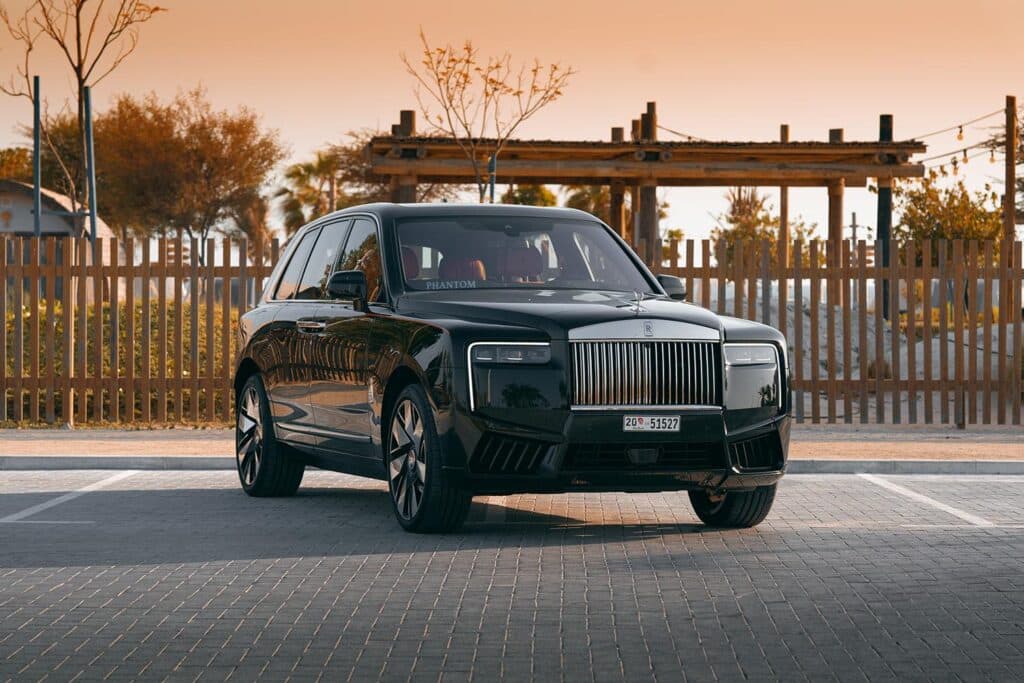
Image Source: cdn.opplehouse.com
Why Think About Buying a Luxury Car?
Luxury cars offer many good things, but they also have downsides. Let’s look at the luxury car pros and cons.
The Upsides of Luxury Cars
- Great Comfort: Luxury cars have soft seats, quiet rides, and smooth handling. They use high-quality materials inside, like fine leather and real wood or metal.
- Advanced Technology: You often get the newest tech first in luxury cars. This includes large touchscreens, advanced navigation, and systems that help the driver.
- Better Performance: Luxury cars usually have powerful engines and better suspension. This makes driving more fun and gives you quick speed when you need it.
- High Safety Features: These cars often have the most advanced safety tech. This includes systems that prevent crashes or protect you better if one happens.
- Build Quality: Luxury cars are often built with more care. They feel solid and well-made.
- Brand Appeal: Driving a luxury car can make you feel good. It shows success and good taste to some people.
The Downsides of Luxury Cars
- Higher Price Tag: The biggest con is the cost. Luxury cars cost a lot more to buy than regular cars.
- Faster Value Loss: Luxury cars can lose value quickly. This is called luxury car depreciation value. They often drop in worth more percentage-wise than cheaper cars.
- Higher Running Costs: Luxury car ownership costs are generally higher. This includes things like insurance, taxes, and fuel for powerful engines.
- Expensive Maintenance: Luxury car maintenance expenses are usually much higher. Parts and labor cost more at luxury dealerships or specialized shops.
Knowing these points helps you see the full picture before you start looking.
Figuring Out Your Needs and Budget
Before you look at cars, think about what you really need and how much you can spend. This is key to choosing the right car.
Setting How Much You Can Spend
This step is very important. Think about more than just the price of the car. Look at the full luxury car ownership costs.
- Car Price: How much can you pay upfront or borrow?
- Taxes and Fees: Don’t forget sales tax, registration fees, and dealer fees.
- Insurance: Luxury cars cost more to insure. Get quotes before you buy.
- Fuel Costs: More powerful engines use more gas. Think about how much you drive.
- Maintenance and Repairs: As mentioned, luxury car maintenance expenses are high. Budget for regular service and unexpected repairs.
- Depreciation: How much value will the car lose over time? This affects your cost if you sell or trade it later. This relates to luxury car depreciation value.
Make a clear budget that includes all these costs over the time you plan to own the car.
What You Need The Car For
Think about your daily life. How will you use the car?
- Daily Commute: Do you drive far? Is it stop-and-go traffic? Comfort and fuel economy might be key.
- Family Needs: Do you need space for kids, car seats, or luggage? This points to bigger cars or SUVs.
- Travel and Trips: Do you take long road trips often? Comfort, trunk space, and a smooth ride matter a lot.
- Performance Driving: Do you love driving and want a car that handles well and is fast? A sports sedan or coupe might be best.
- Bad Weather/Off-Road: Do you need all-wheel drive or higher ground clearance for snow or rough roads? An SUV or specific sedan models are better.
Your lifestyle heavily impacts the factors influencing luxury car choice.
Deciphering Luxury Car Features
Luxury cars are packed with features. Knowing which ones matter most to you helps narrow your search. Let’s look at luxury car features to consider.
Technology and Entertainment
Modern luxury cars are like computers on wheels.
- Infotainment System: This is the screen in the middle. How big is it? Is it a touchscreen? Does it have buttons too? Is it easy to use while driving?
- Smartphone Connect: Does it have Apple CarPlay or Android Auto? This lets you use your phone apps safely on the car screen.
- Navigation: Is the built-in GPS good? Does it get live traffic updates?
- Audio System: Luxury cars often have premium sound systems (like Harman Kardon, Bose, Bang & Olufsen). If you love music, this is important.
- Wireless Charging: Can you charge your phone without a cable?
- Heads-Up Display (HUD): This projects info like speed onto the windshield so you don’t look down.
- Connectivity: Does it have Wi-Fi? How many USB ports?
Safety Systems
Luxury cars are leaders in safety tech.
- Adaptive Cruise Control: The car keeps a set distance from the car in front.
- Lane Keeping Assist: The car helps steer to stay in your lane.
- Blind Spot Monitoring: Lights warn you if a car is in your blind spot.
- Automatic Emergency Braking: The car can brake itself to avoid or reduce a crash.
- Rear Cross-Traffic Alert: Warns you of cars coming when you back up.
- Parking Assistance: Systems that help you park, sometimes parking the car for you.
- 360-Degree Cameras: Cameras around the car show you everything nearby.
These features can make driving safer and less stressful.
Comfort and Materials Inside
This is where luxury really shows.
- Seat Material: Leather is standard, but is it standard leather, Nappa leather, or even softer options? Is it real or fake?
- Seat Adjustments: How many ways can the seat move? Does it have memory settings for different drivers?
- Heating and Cooling: Are the seats heated and cooled? Is the steering wheel heated? Does the climate control work well for everyone?
- Ride Comfort: How smooth is the ride over bumps? Some luxury cars have adjustable suspension.
- Noise Level: How quiet is the cabin inside? Luxury cars use special glass and materials to block road and wind noise.
- Interior Trim: What materials are used on the dashboard and doors? Real wood, metal, or carbon fiber look and feel different from plastic.
- Lighting: Does the car have nice ambient lighting inside?
Performance Aspects
Luxury doesn’t just mean soft seats; it can also mean powerful engines and good handling.
- Engine Options: Luxury cars often have several engine choices, from fuel-efficient to very powerful. How much power do you need?
- Acceleration: How quickly does the car get up to speed?
- Handling: How well does the car turn corners? Does it feel sporty or smooth?
- Drive Type: Is it front-wheel drive (FWD), rear-wheel drive (RWD), or all-wheel drive (AWD)? AWD can be good for bad weather.
- Transmission: Is it a smooth automatic? Does it have paddle shifters for manual control?
Thinking about these performance points is part of the factors influencing luxury car choice.
Choosing Between Car Styles: Sedan or SUV?
One big choice is the car shape. Will you pick a choosing luxury sedan or SUV? Both have their good points.
Why Pick a Luxury Sedan?
- Driving Feel: Sedans often feel more sporty and connected to the road. They usually handle better than SUVs.
- Fuel Economy: Sedans are often lighter and have a lower shape, which can mean better gas mileage.
- Style: Many people find the classic shape of a sedan very stylish and elegant.
- Price: A luxury sedan is often less expensive than a luxury SUV from the same brand.
Why Pick a Luxury SUV?
- Space: SUVs have much more room for people and cargo. This is great for families or those who carry large items.
- Higher View: You sit higher up in an SUV. This gives you a better view of the road, which some drivers like.
- Easier Entry/Exit: Sitting higher can make it easier to get into and out of the vehicle, especially for older people or those with mobility issues.
- Capability: Many luxury SUVs offer AWD and can handle light off-roading or tough weather better than sedans. They can often tow more weight too.
Consider how you will use the car daily when making this choice. This is one of the main factors influencing luxury car choice.
Exploring Luxury Car Brands
Different brands offer different styles, feels, and focus points. Doing a luxury car brands comparison is a must.
Famous German Brands
- Mercedes-Benz: Known for comfort, smooth ride, and high-tech features, especially inside. Often feels very luxurious and solid.
- BMW: Known for being sporty and great to drive. They focus on performance and connecting the driver to the road.
- Audi: Known for their sleek designs, high-quality interiors, and advanced technology, especially their Quattro AWD system.
Japanese Luxury Brands
- Lexus: Known for amazing reliability, quiet comfort, and great customer service. They focus on smooth rides and dependability. Luxury car reliability ratings are often high for Lexus.
- Acura: Offers a sportier take on luxury with advanced technology and strong performance.
- Infiniti: Provides a mix of performance and luxury, often seen as a value choice in the luxury market.
American Luxury Brands
- Cadillac: America’s classic luxury brand, now focusing on bold design and new technology.
- Lincoln: Known for quiet, comfortable rides and relaxed interiors, often with a focus on passenger comfort.
Other Notable Luxury Brands
- Volvo: Famous for safety innovations and simple, elegant Scandinavian design.
- Jaguar: Known for stylish designs and a focus on performance and driving fun.
- Land Rover: The go-to for luxury SUVs with serious off-road ability.
- Porsche: While also a sports car brand, their SUVs (Cayenne, Macan) and some sedans (Panamera) are high-end luxury with top performance.
- Genesis: Hyundai’s luxury brand, quickly gaining fame for high value, great features, and strong luxury car reliability ratings.
Each brand has its own feeling and focus. Researching them helps you find the right fit. This step is vital in the luxury car brands comparison.
Evaluating Specific Luxury Car Models
Once you have a general idea of brands and styles, it’s time for comparing luxury car models.
Researching Different Models
Look at specific models within the brands you like. Compare their engines, features, sizes, and prices. Websites, car magazines, and car review sites are great places to start. Look for reviews from both experts and owners.
Reading Reviews and Expert Opinions
What do car experts say about the models you like? Do they praise the ride, the tech, or the performance? Do they point out any flaws? Also, read owner reviews. What do people who live with the car every day think? Do they mention unexpected problems or high luxury car maintenance expenses?
Taking Test Drives
You must drive the cars you are thinking about. This is the best way to see how they feel.
- Sit Inside: How do the seats feel? Is it easy to see out? Do the controls make sense?
- Drive It: How does the engine feel? Is the ride smooth or firm? How does it handle corners? Drive it on roads you use often (city, highway, bumpy roads).
- Test Features: Try out the infotainment system, climate control, and safety features. Do they work well for you?
- Check Space: Is there enough room for passengers? Is the trunk or cargo area big enough?
Test driving helps you see if the car fits your driving style and needs. It’s a critical part of comparing luxury car models.
Looking at the Long-Term Picture
Buying a luxury car is a big step. Think about what happens after you drive it off the lot.
Grasping Luxury Car Depreciation
Cars lose value over time. This is called depreciation. Luxury cars often lose a larger percentage of their value in the first few years than non-luxury cars. This luxury car depreciation value is part of your total cost of ownership. Some models and brands hold their value better than others. Check online guides or ask dealers about expected depreciation for the models you like.
Interpreting Luxury Car Reliability Ratings
How likely is the car to have problems? Luxury car reliability ratings vary a lot between brands and models.
- Where to Find Ratings: Look at reports from groups like Consumer Reports, J.D. Power, and others. They survey owners about problems they’ve had.
- What to Look For: Do they report minor issues or major mechanical failures? How expensive are the typical repairs?
- Consider Age: Reliability can change as a car gets older. Research the specific year you are interested in.
A car with good reliability ratings might save you money and stress on luxury car maintenance expenses down the road.
Anticipating Luxury Car Maintenance Expenses
Service and repairs for luxury cars cost more.
- Regular Service: Oil changes, tire rotations, and checks cost more than for a standard car. Luxury cars often need special fluids or parts.
- Major Repairs: If a luxury car needs a big fix, like an engine issue or complex electronic problem, the cost can be very high.
- Specialized Mechanics: You might need to go to a dealership or a mechanic who works only on luxury cars. Their labor rates are higher.
- Extended Warranties/Service Plans: Think about buying an extended warranty or a prepaid maintenance plan. This can help manage costs but adds to the upfront price.
Factor these higher costs into your budget planning. This is a key part of luxury car ownership costs.
The Process of Buying
Once you know what you want, it’s time to buy.
Finding Deals
Luxury cars often have less pressure on price than regular cars, but deals can still be found.
- Look at Different Dealers: Prices can vary.
- Consider the Timing: Sometimes, dealers offer incentives at the end of the month or year.
- Ask About Offers: Are there any special financing rates or lease deals?
New Versus Used Luxury Cars
This is a big decision with financial impacts.
- New Luxury Car: You get the newest features, full warranty, and no worries about past problems. But you pay the highest price and take the biggest hit on luxury car depreciation value early on.
- Used Luxury Car: The original owner took the biggest depreciation hit. You can get a much nicer car for your money. However, the warranty might be shorter or gone, and you risk buying someone else’s problems. Luxury car reliability ratings are very important when buying used. Make sure to get a full check by an independent mechanic.
Negotiating the Price
Don’t be afraid to negotiate the price, even on a luxury car. Do your research beforehand to know what the car is worth (the market price). Be ready to walk away if the deal isn’t right for you.
Pulling Together the Factors
Choosing a luxury car is a personal journey. Many different factors influencing luxury car choice come into play.
- Your Budget: The total cost, not just the purchase price, is key.
- Your Needs: How will the car fit into your life?
- Features You Want: Which tech, safety, or comfort items are must-haves?
- Your Style: Do you prefer the feel of a sedan or the space of an SUV?
- Brand Preference: Does a certain brand appeal to you more based on its image or focus?
- Long-Term Costs: Are you ready for higher maintenance, insurance, and depreciation?
By carefully thinking about each of these areas, researching options, comparing luxury car models, and test driving, you can make the best choice for you. A luxury car should make your life better and driving more enjoyable. It requires careful thought, but finding the right one is worth it.
Frequently Asked Questions About Luxury Cars
Is buying a luxury car a good investment?
Generally, cars are not investments because they lose value quickly. Luxury cars often lose value faster than non-luxury cars due to high luxury car depreciation value. Buy a luxury car for the enjoyment, features, and experience, not as a way to make money.
How much more expensive is maintenance on a luxury car?
Luxury car maintenance expenses can be 30% to 50% higher or even double the cost of maintaining a standard car, depending on the brand and model. Parts are more expensive, and labor costs at dealerships or specialized shops are higher.
Which luxury car brands are the most reliable?
Luxury car reliability ratings often place Lexus at or near the top. Acura, Genesis, and sometimes Audi and BMW models can also have good ratings, but it varies year by year and model by model. Always check current reliability reports for the specific car you are looking at.
Is it better to lease or buy a luxury car?
Leasing often results in lower monthly payments than buying. It lets you drive a new car every few years and avoids the hassle of selling. However, you don’t own the car, have mileage limits, and might pay fees for wear and tear. Buying costs more monthly but you own the car at the end, have no mileage limits, and can keep it for as long as you want. Think about how long you want the car and how much you drive.
Do luxury cars require special fuel?
Many luxury cars have high-performance engines that need premium fuel. Using regular fuel might lower performance or potentially harm the engine over time. Check the car’s manual to be sure. This adds to luxury car ownership costs.
Can I get a good deal on a used luxury car?
Yes, because of luxury car depreciation value, used luxury cars can be significantly cheaper than new ones. However, research the car’s history carefully, get a pre-purchase inspection, and consider potential future luxury car maintenance expenses. High reliability ratings are extra important for used luxury cars.