So, how often to polish a car? Generally, polishing your car once or twice a year is a good rule of thumb for most drivers, especially if you want to keep your paint looking its best. However, the ideal car polishing frequency depends on several factors, including your car’s age, its color, where it’s stored, and the climate you live in. This guide will help you decipher the right car polishing schedule for your vehicle.
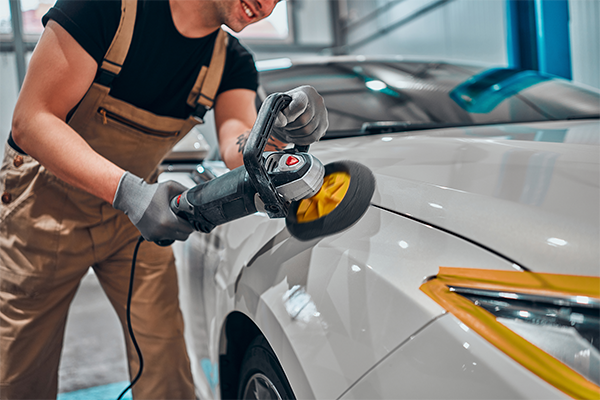
Image Source: grandcity.com
Why Polish Your Car? The Purpose Behind the Shine
Polishing isn’t just about making your car look good. It’s a crucial step in car paint maintenance frequency. Over time, your car’s clear coat, the protective layer over your paint, gets damaged. This damage comes from everyday driving and exposure to the elements:
- UV Rays: Sunlight can oxidize and fade your paint, causing it to lose its luster.
- Environmental Fallout: Bird droppings, tree sap, acid rain, and industrial pollution can etch into the clear coat.
- Washing and Drying: Improper washing techniques, like using dirty wash mitts or abrasive towels, can create tiny scratches called swirl marks.
- Road Salt and Grime: In winter climates, salt and road grime are highly corrosive.
Polishing works by gently removing a microscopic layer of the clear coat. This process levels out the surface, removing imperfections like:
- Swirl Marks: Fine, circular scratches that make the paint look dull.
- Light Scratches: Minor abrasions that haven’t gone through the clear coat.
- Oxidation: The dull, chalky appearance of faded paint.
- Water Spots: Mineral deposits left behind by dried water.
By removing these imperfections, polishing reveals a smoother, more reflective surface, bringing back the depth and gloss of your car’s paint.
Deciding Your Car Polishing Frequency: Key Factors
When considering how often to polish a car, think about these important points:
Your Car’s Age and Condition
- Newer Cars: Cars fresh from the dealership may not need polishing for a year or two. Their clear coats are pristine.
- Older Cars: As cars age, their clear coats naturally degrade. More frequent polishing might be needed to maintain their appearance. However, be mindful that older clear coats are thinner.
- Paint Color: Darker colors, like black, blue, and red, tend to show swirl marks and imperfections more readily than lighter colors. This doesn’t mean you should polish them more often, but you’ll notice the need for correction sooner.
Storage and Environment
- Garage-Kept: If your car spends most of its life in a garage, it’s protected from the harshest elements. You might be able to stretch out your polishing intervals.
- Outdoor Parking: Cars parked outside are constantly exposed to UV rays, dirt, sap, and more. This exposure necessitates more frequent attention.
- Climate:
- Sunny Climates: Intense sun can accelerate clear coat degradation.
- Humid Climates: Can lead to mold and mildew if not properly cleaned.
- Winter Climates: Road salt and abrasive materials used to de-ice roads can damage paint.
Driving Habits and Exposure
- Daily Driver: If your car is your daily workhorse, it accumulates more contaminants and undergoes more wear and tear.
- Weekend Cruiser: Cars used less frequently experience less exposure, allowing for longer intervals between polishing.
- Driving Surfaces: Driving on dusty, unpaved roads exposes your car to more abrasive particles.
General Guidelines: How Often Should I Polish My Car?
Based on the factors above, here’s a general breakdown of car polishing frequency:
- Occasional Driver (Less than 5,000 miles/year): Once every 12-18 months might be sufficient.
- Average Driver (5,000-15,000 miles/year): Once every 6-12 months is a good target.
- Heavy Driver (More than 15,000 miles/year): Every 4-6 months might be necessary, especially in harsh environments.
These are just guidelines. The best indicator is the condition of your paint. If you see dullness, swirl marks, or faded spots, it’s likely time for a polish.
The Car Polishing Schedule: When to Polish Your Car
When to polish car isn’t just about a set number of months; it’s also about the seasons and specific events.
Seasonal Considerations
- Spring: This is an excellent time for a polish. After a winter of exposure to salt and grit, your car’s paint will likely need rejuvenation. A spring polish prepares your car for the sunny months ahead.
- Fall: Another good time. Cleaning off the grime accumulated during summer road trips and before winter’s harshness sets in can protect your paint.
- Summer: While you might enjoy your car more in the summer, it’s also a time of intense UV exposure. If your paint is looking dull, a polish can restore its shine for the rest of the season.
- Winter: Polishing in freezing temperatures is generally not recommended, as water can freeze on the surface, potentially causing damage. If you must polish in colder weather, ensure you do it in a controlled environment.
Signs Your Car Needs Polishing
Don’t rely solely on a calendar. Look for these visual cues:
- Dullness: The paint has lost its deep shine and looks faded.
- Visible Swirl Marks: Especially noticeable in direct sunlight.
- Light Scratches: You can feel them with your fingernail, but they don’t catch it deeply.
- Water Spots: If washing doesn’t remove them, they might be etched into the clear coat.
- Orange Peel Effect: Some factory finishes have a slight orange peel texture, but if it appears more pronounced over time, polishing can smooth it out.
Understanding Different Levels of Car Detailing Frequency
Polishing is part of a broader car detailing frequency routine. Let’s break down the different levels:
Regular Washing and Waxing
- Frequency: Weekly or bi-weekly.
- Purpose: Removes loose dirt and contaminants. Wax adds a temporary protective layer and gloss.
- Key Point: This is your ongoing maintenance.
Clay Bar Treatment
- Frequency: Every 6-12 months, or when washing doesn’t leave the paint feeling perfectly smooth.
- Purpose: Removes bonded contaminants (like embedded grit, tar, and overspray) that washing alone can’t lift.
- Key Point: Prepares the paint surface for polishing or waxing by ensuring it’s perfectly smooth.
Polishing (Paint Correction)
- Frequency: As detailed above (typically 1-2 times per year).
- Purpose: Removes minor to moderate paint defects, restoring gloss and clarity.
- Key Point: This is a more aggressive process than waxing.
Ceramic Coatings/Paint Protection Film (PPF)
- Frequency: Applied once, lasts for years.
- Purpose: Offers superior, long-lasting protection against scratches, chemicals, and UV rays.
- Key Point: A significant investment that reduces the need for frequent waxing or polishing.
Polishing a Car Guidelines: How to Polish Your Car Safely
Whether you’re doing it yourself or taking it to a detailer, here are essential polishing a car guidelines:
The Process Overview
- Thorough Wash: Start with a clean car. Use a pH-neutral car shampoo and the two-bucket method to minimize introducing new scratches.
- Decontamination: Use a clay bar or a chemical decon spray to remove any bonded contaminants.
- Masking: Protect trim, rubber seals, and plastic parts with painter’s tape. Polish can stain or damage these materials.
- Polishing: Apply a small amount of polish to a foam or microfiber applicator pad. Work in small sections (about 2×2 feet). Use a machine polisher (dual-action or rotary) for best results, or do it by hand if you have the patience.
- Machine Polishing: Use light to moderate pressure. Start with a less aggressive polish and pad combination. If that doesn’t work, step up the aggressiveness. Keep the polisher moving to avoid burning the paint.
- Hand Polishing: This requires more effort and is best for very light imperfections.
- Wipe Off: Remove polish residue with a clean microfiber towel. Inspect your work.
- Protect: Apply a wax, sealant, or ceramic coating to protect the freshly corrected paint.
Choosing the Right Polish
- One-Step Polishes: These are designed to correct light imperfections and leave a high gloss finish in a single pass. Good for beginners or light corrections.
- Compounds: More aggressive than polishes. Used to remove deeper scratches and heavy oxidation. Often followed by a finer polish to restore gloss.
- Finishing Polishes: Least aggressive. Used to refine the paint after compounding or to remove light haze.
Polishing Tools
- Microfiber Towels: Essential for wiping off polish residue without scratching.
- Applicator Pads: Foam or microfiber pads for applying polish.
- Machine Polishers:
- Dual-Action (DA) Polisher: The safest option for beginners. Oscillates and rotates, reducing the risk of burning paint.
- Rotary Polisher: More powerful and aggressive. Can remove defects faster but requires more skill to avoid paint damage.
Polishing a Car Tips for Success
- Work in the Shade: Direct sunlight can cause polish to dry too quickly, making it difficult to remove and potentially causing streaking.
- Use the Right Pad: Different pads have different levels of aggressiveness. Foam pads are common, with denser foam being more aggressive. Microfiber pads are also available.
- Start Light: Always begin with the least aggressive polish and pad combination. You can always increase aggressiveness if needed, but you can’t put back removed paint.
- Test Spot: Before polishing the entire car, do a test spot on an inconspicuous area (like a lower door panel) to see how the polish performs.
- Cleanliness is Key: Ensure all pads and towels are clean. Contaminants can cause more scratches.
- Don’t Over-Polish: Each polishing session removes a thin layer of clear coat. Over-polishing can thin the clear coat too much, exposing the base coat and leading to premature paint failure.
How Often to Wax a Car After Polishing?
After polishing, your car’s paint is at its most vulnerable and its most beautiful. Protection is crucial. This leads to the common question: how often to wax a car after polishing?
The goal is to seal in the shine and protect the newly corrected surface.
- Wax: Typically lasts 1-3 months, depending on the type (carnauba vs. synthetic) and environmental exposure. You’ll likely need to reapply wax every 1-3 months to maintain protection.
- Paint Sealants: Synthetic protectants that last longer than traditional waxes, typically 4-6 months, sometimes longer.
- Ceramic Coatings: Applied once, these offer the longest-lasting protection, often 2-5 years or more, with proper maintenance.
The rule of thumb is to protect your paint immediately after polishing. Then, reapply your chosen protectant according to its lifespan. For a polished car, a good follow-up is applying a quality synthetic sealant or a ceramic coating. If you choose wax, be prepared to reapply it more frequently to keep that freshly polished look.
How Often to Polish A Car: A Summary Table
To make things clearer, here’s a table summarizing car polishing frequency based on typical conditions:
| Vehicle Usage & Environment | Recommended Polishing Frequency | Notes |
|---|---|---|
| Garage-kept, minimal driving, good weather | 12-18 months | Focus on light polishing to maintain gloss. |
| Garage-kept, average driving (daily commute) | 8-12 months | Regular washing and waxing are crucial between polishes. |
| Outdoor parking, daily driving, mixed weather | 6-9 months | More frequent exposure means more contaminants and UV damage. |
| Outdoor parking, daily driving, harsh weather (salt, extreme sun) | 4-6 months | Consider paint protection like sealants or ceramic coatings to reduce polishing needs. |
| Black or dark-colored vehicles, showing swirl marks | Monitor paint condition | Dark colors highlight imperfections. Polish when visible, not just on a schedule. |
| Car with minor to moderate scratches and oxidation | As needed, but monitor | Deeper scratches may require professional attention or repeated polishing with compounds. |
Conclusion: Your Car’s Paint Will Thank You
Determining how often to polish a car is about balancing protection, aesthetics, and the reality of your car’s exposure. By regularly inspecting your paint and following the polishing a car guidelines, you can maintain its beauty and value for years to come. Remember, a well-maintained paint job isn’t just about looks; it’s a key part of car paint maintenance frequency that preserves your investment. Treat your car’s paint well, and it will continue to shine.
Frequently Asked Questions (FAQ)
Q1: Can I polish my car too often?
Yes, you can. Polishing removes a thin layer of clear coat. If you polish too frequently, you can wear down the clear coat, exposing the base paint and leading to premature failure. Stick to the recommended frequencies and inspect your paint.
Q2: What’s the difference between polishing and waxing?
Polishing is a corrective process that removes paint defects like swirl marks and oxidation by removing a tiny amount of clear coat. Waxing is a protective process that adds a layer of protection and shine to the paint surface. Polish first, then wax or seal.
Q3: How often should I polish a brand new car?
New cars typically don’t need polishing for at least a year, unless they have dealer-applied protection that you wish to remove or if you notice defects from transport. Regular washing and waxing are sufficient for the first year.
Q4: Is it okay to use a household product to polish my car?
No. Household products are not formulated for automotive paint and can be too abrasive, causing more damage than they fix. Always use products specifically designed for car paint.
Q5: How do I know if a scratch can be polished out?
A good test is to run your fingernail over the scratch. If your fingernail catches in the scratch, it’s likely too deep to be removed by polishing alone and may require professional wet sanding or repainting. If your fingernail glides over it, it’s a good candidate for polishing.
Q6: What is the best time of day to polish my car?
The best time to polish your car is on a cloudy day or in a shaded area. Direct sunlight can cause the polish to dry too quickly, making it difficult to remove and potentially causing streaks or haze.