How much water does a car wash use exactly? A professional car wash often uses less water than washing your car at home. The average water per car wash at a commercial site can be around 30-45 gallons. This car wash water consumption is much lower than the 80-100+ gallons typically used when washing a car with a hose in your driveway. Commercial car washes use smart methods and technology to save water.
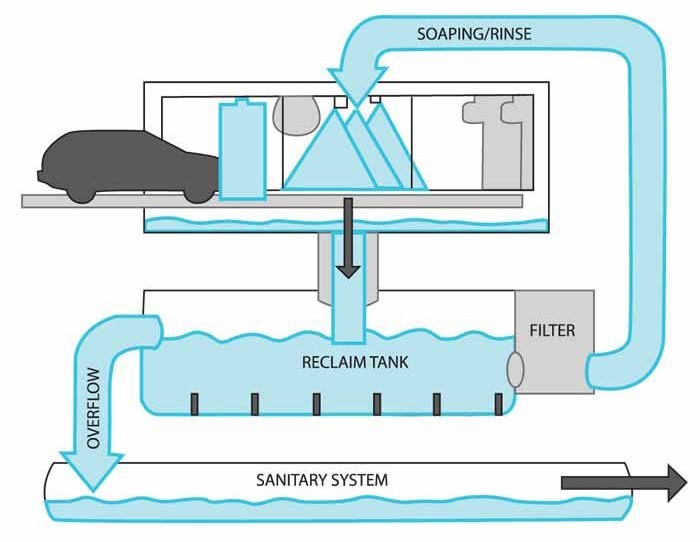
Image Source: wcwa.site-ym.com
Deciphering Car Wash Water Use
Think about the amount of water used for different tasks. Watering your lawn might use hundreds of gallons. Taking a shower uses maybe 15-25 gallons. Washing dishes by hand can use 20-30 gallons.
When you think about washing a car, it seems like it would use a lot. And it can. How it’s washed makes a big difference in the car wash water consumption.
Average Water Per Car Wash
Let’s look at the numbers more closely. A typical commercial car wash uses about 30 to 45 gallons of water for one car. Some places are even better, using as little as 15 gallons per car. This number depends on the type of wash and the equipment.
Washing a car at home with a garden hose running can use a surprising amount of water. A hose can pour out 5 to 10 gallons every minute. If you take 10 to 15 minutes to wash your car with the hose running, you’re using 50 to 150 gallons easily. Many people use much more. They might rinse the car for a long time. They might let the hose run while they soap the car. This uses much more water than needed.
So, the average water per car wash at a professional location is much lower than washing in your driveway. This might seem strange at first thought. How can a big car wash use less water than a simple hose? The answer lies in how they manage water.
Breaking Down Consumption Numbers
Different types of commercial car washes use slightly different amounts of water.
- In-Bay Automatic Washes: These are the ones where you park your car, and the machine moves around it. They might use 30-60 gallons per car, especially if they don’t recycle water much.
- Conveyor Washes (Tunnel Washes): You drive your car onto a conveyor belt, and it moves through different washing sections. These often use the least amount of fresh water per car. This is because they are set up to recycle water very well. They might use only 15-30 gallons of fresh water per car, supplementing with recycled water.
- Self-Serve Bays: You park in a bay and use a high-pressure wand yourself. These have timers and controls. While you control the water use, the equipment is designed to be efficient. You might use 10-20 gallons if you are quick and careful. But if you spend a lot of time, you could use more.
These numbers show a clear trend. Professional car washes are generally designed to be more water-efficient than washing a car at home with a free-flowing hose.
Water Usage Based on Wash Type
The method used to wash a car is the biggest factor in how much water is consumed. Comparing different wash types helps us grasp why the numbers vary so much.
Water Usage Automatic Car Wash
Automatic car washes are popular because they are fast and easy. They use machines to do the work. There are two main types: in-bay automatic and conveyor (tunnel) washes. Both types use precise systems to apply water, soap, and other treatments.
- In-Bay Automatic: Your car sits still. A large machine moves back and forth or around your car. It sprays water, applies soap, brushes (if it’s a soft cloth type), rinses, and dries. The amount of water is programmed. It doesn’t use a running hose like at home. It sprays water only when and where needed. While they can vary, the water usage automatic car wash system is much more controlled than hand washing with a hose.
- Conveyor Wash: Your car moves through a long building. Different equipment works on your car in stages. There are presoak archways, brushes or cloth mitters, rinse cycles, and dryers. Because these systems wash many cars one after another, they are set up for high efficiency and water recycling. They reuse a lot of water from earlier cars to wash later ones, especially in the initial rinse or presoak stages. This significantly lowers the amount of new, fresh water they need to pull from the supply.
Both types of automatic car washes use sensors to detect the car’s presence and shape. This means water sprays only when a car is there and often only where needed. This reduces waste compared to a running hose that sprays whether it hits the car or not.
Grasping Home Car Wash Water Use
Washing your car at home usually involves a bucket, soap, and a garden hose. This method seems simple, but it is often very water-intensive.
Think about the steps:
- Rinsing the whole car with the hose to remove loose dirt. (Hose running).
- Filling buckets with soapy water and clean water. (Tap running).
- Washing sections of the car with a sponge or mitt.
- Rinsing the soap off each section, often with the hose running continuously or turned on and off many times. (Hose running).
- Final rinse of the whole car. (Hose running).
During steps 1, 4, and 5, if the hose is left running, you are using a large volume of water. Even if you turn it off between rinses, a standard garden hose puts out a lot of water quickly. A 5/8-inch hose at a typical house water pressure might use 5 to 10 gallons per minute. Washing a car can easily take 10-20 minutes of active rinsing time. This leads to 50 to 200 gallons of water or even more.
Using a nozzle with an on/off trigger helps a lot compared to a wide-open hose end. Using the “two-bucket method” (one bucket for soap, one for rinsing the mitt) also helps, but the rinsing with the hose is still the main water user.
Home vs Commercial Car Wash Water Use
Let’s put the numbers side by side to get a clear picture of home vs commercial car wash water use.
| Wash Method | Typical Water Usage Per Car | Notes |
|---|---|---|
| Home (Hose running) | 80 – 150+ gallons | Highly variable, often wasteful |
| Home (Bucket & Hose with nozzle) | 40 – 80 gallons | Better than running hose, still high |
| Self-Serve Bay | 10 – 30 gallons | Depends on user’s speed and care |
| In-Bay Automatic | 30 – 60 gallons | Programmed, uses measured amounts |
| Conveyor (Tunnel) Wash | 15 – 30 gallons (fresh) | High recycling rate reduces fresh water needs |
This table clearly shows that professional car washes, especially conveyor systems that use significant water recycling, use much less fresh water per car than washing at home with a hose.
Why Commercial Car Washes Save Water
Commercial car washes don’t just use less water by accident. They are built and operated in ways that actively reduce water use. This is often due to a mix of smart design, technology, and rules. Let’s look at how commercial car washes save water.
The Power of Car Wash Water Recycling
This is one of the biggest reasons professional washes use less water. Car wash water recycling means they capture the water used during the wash process, clean it, and use it again for washing cars.
Think about the water that runs off your car after washing. It has soap, dirt, oil, and maybe road salt or other grime. Instead of letting this go straight down the drain, a commercial car wash collects it.
Here’s a simple look at how car wash water recycling works:
- Collection: Water drains from the wash bay or tunnel floor into a system of trenches and pits underground. These pits often have different levels or sections.
- Initial Separation: Heavier dirt and grit settle at the bottom of the first pit (sometimes called a settling pit or grit trap). Oil and grease might float to the top.
- Filtering: The water moves from the settling pit to other tanks. It goes through different types of filters to remove smaller particles. These filters can be screens, cloth filters, or more advanced media filters (like sand or carbon).
- Treatment: The water might then go through treatment processes to kill bacteria and remove odors. Common methods include:
- Ozone Injection: Ozone gas (O3) is a strong cleaner that breaks down contaminants and kills germs.
- UV Light: Ultraviolet light can kill bacteria and viruses as the water passes through a special chamber.
- Chemical Treatment: Sometimes small amounts of chemicals are used to adjust pH or aid in cleaning.
- Storage: The cleaned, recycled water is stored in tanks.
- Reuse: This recycled water is then pumped back into the wash system. It’s often used for the initial rinse or presoak stages. This uses water that would otherwise be wasted, saving fresh water for the final rinses where clean, spot-free water is important.
Using recycled water means the car wash doesn’t need to constantly draw large amounts of fresh water from the local supply. A good recycling system can reuse 70% to 90% of the water. This dramatically lowers the fresh water needed for each car.
Interpreting Water Conservation Car Washes
Beyond recycling, car washes use other methods for water conservation. These methods are built into the design and operation of the wash.
- Efficient Nozzles and Spray Patterns: The spray nozzles in a commercial wash are designed to use the minimum amount of water needed to get the job done. They create specific spray patterns and use pressure effectively to clean the car with less water volume. This is different from a wide-open hose which might spray water everywhere inefficiently.
- High-Pressure, Low-Volume Pumps: Many systems use pumps that deliver water at high pressure but with a low volume. High pressure helps lift dirt and soap off the car effectively, meaning less water is needed overall to rinse.
- Sensors and Computer Control: Modern car washes use sensors to detect when a car enters a section of the wash. Computers control the water flow, turning sprays on only when a car is present and off as soon as it leaves that section. This stops water from spraying onto an empty space. They also control the duration of sprays very precisely.
- Timed Wash Cycles: The entire wash cycle is timed. Each step (presoak, wash, rinse) runs for a specific, efficient duration. This prevents wasting water by over-rinsing or running water for too long.
- Using Fresh Water Only When Necessary: As mentioned with recycling, fresh water is usually reserved for the final rinse. This is when clean water is most important for a spot-free finish. All the dirtier work (presoak, main wash rinse) can often use recycled water.
These practices are all part of a broader effort towards water conservation car washes. They show that saving water is a key part of their business model, not just an afterthought.
Applying Water Efficient Car Wash Technology
The tools and machines used in commercial washes are examples of water efficient car wash technology.
- Advanced Filtration Systems: Modern filters can remove very small particles from recycled water. This makes the recycled water cleaner and more effective for reuse.
- Computerized Control Systems: These systems precisely manage water flow, pump pressure, and cycle times based on the car’s size and the chosen wash package. This prevents waste and ensures optimal water use.
- Water Softeners and Treatment Systems: While not directly reducing volume, treating the water (softening, demineralizing) means less water might be needed in the final rinse to avoid spots. It also can help soaps work more effectively, potentially reducing the need for excessive rinsing.
- Low-Flow Nozzles: Specifically designed nozzles that atomize water or create high-impact streams with less volume.
- Automated Chemical Dilution: Systems that precisely mix soap and chemicals with water. This ensures the right concentration is used, preventing waste of both chemicals and the water needed to rinse away too much soap.
Investing in this water efficient car wash technology helps car wash owners lower their operating costs (less water to buy and heat) and meet environmental standards.
Recognizing Car Wash Water Regulations
In many areas, car wash water regulations play a big role in how much water is used and how it’s handled. These rules are often put in place by local or state governments to protect water resources and prevent pollution.
Regulations might:
- Limit Fresh Water Use: Some places cap the amount of fresh water a car wash can use per vehicle.
- Require Recycling: Many regulations require commercial car washes to install and use water recycling systems. There might be rules on what percentage of water must be recycled (e.g., 60% or 80%).
- Mandate Proper Drainage: Regulations often require car washes to connect to the sanitary sewer system. This ensures that the wastewater goes to a treatment plant where pollutants can be removed before the water is released back into the environment. This is different from home washing where wastewater often runs into storm drains or directly onto the ground.
- Set Standards for Wastewater Quality: There might be rules about the quality of the water that is discharged into the sewer system, limiting levels of soap, oil, grease, and other chemicals.
These car wash water regulations push the industry towards more sustainable practices. They provide a strong incentive for car wash owners to invest in water-saving technologies and recycling systems. Knowing these rules exist helps us appreciate why commercial washes are often much more water-efficient than washing at home.
Environmental Impact Car Washes
Considering the environmental impact car washes have is important. Water use is one part of this, but how wastewater is handled is also critical.
Water Conservation Car Washes and the Planet
When a commercial car wash uses less fresh water, it reduces the strain on local water sources like rivers, lakes, and underground supplies. This is especially important in areas facing water shortages or drought conditions.
By recycling water, car washes further reduce their demand on these sources. They are essentially using the same water over and over, making their overall fresh water footprint much smaller.
In contrast, washing your car at home often uses a lot of fresh, treated water – the same water you drink and bathe in. This water is used once and then goes away.
Proper Drainage and Pollution
The wastewater from washing a car contains soap, detergents, road grime, oil, grease, heavy metals (from brake dust, etc.), and other pollutants.
- Home Washing: At home, this dirty water often flows down driveways and streets into storm drains. Storm drains usually empty directly into local waterways (rivers, lakes, oceans) without any treatment. This means all the pollutants from your car wash go straight into the environment, harming aquatic life and water quality.
- Commercial Washing: Commercial car washes are typically required to send their wastewater to a sanitary sewer system. This water travels to a municipal wastewater treatment plant. At the treatment plant, the water goes through multiple cleaning processes to remove pollutants before it is released back into the environment. This significantly reduces the harmful environmental impact car washes can have compared to uncontrolled home washing runoff.
Some commercial washes might even pretreat their water before sending it to the sewer, removing larger pollutants or adjusting pH levels.
So, while any car wash uses water, commercial car washes generally manage their water much more responsibly, both in terms of how much fresh water they use and how they dispose of the dirty water. This makes their overall environmental impact related to water lower than many home washing methods.
Making the Right Choice
Knowing how much water is used and how it’s managed can help you decide where and how to wash your car.
Looking for Water Efficiency
If saving water is important to you, choosing a commercial car wash is usually the more water-efficient option compared to washing at home with a hose.
Here’s what you can look for or ask about:
- Does the car wash recycle water? Many washes will advertise this. Look for signs or ask the staff. A wash that recycles is using significantly less fresh water.
- Is it a modern facility? Newer car washes are more likely to have the latest water efficient car wash technology, including advanced recycling and precise control systems.
- Are they connected to the sewer system? While you might not always be able to confirm this easily, it’s a sign of responsible wastewater management. Reputable commercial washes will be compliant with local car wash water regulations.
- Consider the type of wash: Conveyor washes often have the highest recycling rates because of their continuous operation.
While a self-serve bay can be water efficient if you are quick and careful, it puts the responsibility on you. An automatic wash, especially a tunnel wash that recycles heavily, takes the guesswork out of it and consistently uses a low amount of fresh water per car.
Washing your car less often is also a way to save water! And if you must wash at home, use the two-bucket method and a spray nozzle with an on/off trigger. Avoid letting the hose run freely. Park on a permeable surface like grass or gravel if possible, so water can soak into the ground instead of running into the street and storm drain (though check local rules, as some places discourage this due to soil contamination concerns).
FAQ
- How much water does the average person use washing a car at home?
Washing a car at home with a running hose can use 80 to over 150 gallons of water. Using a bucket and a hose with a trigger nozzle is better, potentially using 40-80 gallons. - Is it true that commercial car washes use less water than washing at home?
Yes, in most cases. Due to water recycling systems, efficient technology, and precise controls, commercial car washes typically use 30-45 gallons of fresh water per car, and sometimes much less (15-30 gallons) in washes with high recycling rates. This is significantly less than the water used with a typical home hose setup. - How does car wash water recycling work?
Water is collected, filtered to remove dirt and debris, and treated (often with ozone or UV light) to clean it and kill bacteria. This cleaned water is then stored and reused, usually for the initial stages of washing other cars. - Does water recycling make the car less clean?
No. Recycled water is often used for initial rinses to remove heavy dirt. Clean, fresh water is typically used for the final rinse to ensure a spotless finish. The cleaning process is designed to be effective regardless of whether recycled or fresh water is used in the early stages. - Are there rules about how much water car washes can use?
Yes, many local and state governments have car wash water regulations. These rules often limit the amount of fresh water used per car or require car washes to recycle a certain percentage of their water. They also often mandate proper wastewater disposal into the sanitary sewer system. - What is the most water-efficient type of commercial car wash?
Conveyor or tunnel washes often have the highest water efficiency, especially in terms of fresh water use per car. This is because they wash many cars in a row and can effectively reuse large volumes of water through their recycling systems.
In conclusion, the amount of water a car wash uses varies greatly depending on the method. While washing your car at home with a running hose uses the most water and can cause pollution, commercial car washes are designed for efficiency. They use significantly less fresh water per vehicle, thanks to advanced car wash water recycling systems, water efficient car wash technology, and water conservation car washes methods, often guided by car wash water regulations. Choosing a commercial wash that recycles water is generally the most environmentally friendly option for keeping your car clean.