Can you add a sunroof to your car? Yes, you can add a sunroof to a car that doesn’t have one, but the cost can vary greatly depending on the type of sunroof, the car model, and where you get it installed.
Many car owners dream of the open-air feeling that a sunroof provides. It’s more than just a feature; it’s an enhancement to your driving experience, allowing natural light to flood the cabin and offering a refreshing breeze on a sunny day. But if your car didn’t come with one from the factory, the question naturally arises: “How much does it cost to add a sunroof to my car?” This comprehensive guide will break down the costs associated with adding a sunroof, covering everything from the aftermarket sunroof price to the sunroof installation cost, and even touch upon sunroof repair cost and sunroof maintenance cost for context. We’ll delve into the differences between factory sunroof vs aftermarket options and explore the realm of car sunroof retrofit projects.
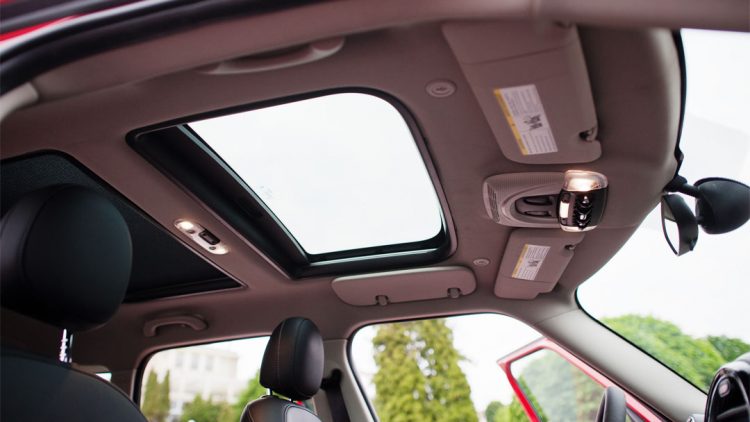
Image Source: tsautoglass.com
Deciphering Sunroof Types and Their Impact on Cost
The type of sunroof you choose is the biggest factor influencing the overall price. Different designs offer varying levels of functionality and aesthetic appeal, and naturally, these differences translate into cost variations.
Pop-Up Sunroofs: The Budget-Friendly Option
These are the most basic and often the least expensive type of sunroof. A pop-up sunroof installation typically involves a glass panel that manually pops up at the rear to vent the cabin. Some might have a sliding function, but it’s usually a simpler mechanism than more advanced sunroofs.
- Pros: Lowest cost, simple to operate.
- Cons: Limited functionality, less aesthetically integrated with the car’s design.
Typical Cost Range for Pop-Up Sunroof Installation: $300 – $800
This price generally includes the sunroof unit itself and the labor for installation. It’s important to note that this is for a basic, manual pop-up style.
Spoiler Sunroofs: A Step Up in Design
Spoiler sunroofs are similar to pop-up sunroofs in that the glass panel is mounted on the outside of the roof. However, when opened, the panel slides backward and tilts up, “spoiling” the airflow over the car. This design can be slightly more aerodynamic than a basic pop-up.
- Pros: Still relatively affordable, offers better ventilation than a basic pop-up.
- Cons: Can still be a bit noisier than in-built designs when open.
Typical Cost Range for Spoiler Sunroof Installation: $500 – $1,200
The increased complexity of the sliding mechanism and potentially better sealing contribute to the slightly higher price compared to basic pop-up models.
Internal Sliding Sunroofs: The Most Common Aftermarket Choice
This is the type of sunroof most people envision when thinking about adding one to a car that didn’t have it from the factory. An internal sliding sunroof has a glass panel that slides between the roof panel and the headliner. They offer a good balance of functionality and cost.
- Pros: Integrates well with the car’s interior, good ventilation, widely available.
- Cons: Requires more precise cutting and fitting to ensure a clean look and proper sealing.
Typical Cost Range for Internal Sliding Sunroof Installation: $700 – $1,800
The aftermarket sunroof price for these units, along with the labor involved in cutting the roof, fitting the mechanism, and re-installing the headliner, drives this cost.
Panoramic Sunroofs: The Ultimate Open-Air Experience
Panoramic sunroofs, often seen on newer vehicles, are large glass panels that extend over the passenger compartment, sometimes from windshield to rear window. While incredibly desirable, adding a true panoramic sunroof to a car that wasn’t designed for it is exceptionally rare and prohibitively expensive, often not feasible. However, some aftermarket options offer larger sliding glass panels that mimic the feel.
- Pros: Maximum natural light and open-air feel.
- Cons: Very expensive, complex installation, may not be possible or advisable for all vehicles.
Typical Cost Range for Large Sliding/Panoramic-Style Aftermarket Sunroof Installation: $1,500 – $3,000+
This price reflects the larger glass panel, the more robust mechanism, and the extensive modifications required to the car’s roof structure and interior.
Custom Sunroofs: When Standard Isn’t Enough
If you have a unique vision or own a classic or specialized vehicle, you might consider a custom sunroof cost. This could involve unique shapes, materials, or even multi-panel designs.
- Pros: Tailored to your specific needs and aesthetic.
- Cons: Highest cost, requires specialized fabrication and installation expertise.
Typical Cost Range for Custom Sunroof Installation: $2,000 – $5,000+
This is highly variable and depends on the complexity of the design and the materials used.
Electric vs. Manual Operation: Which Costs More?
Most aftermarket sunroofs today are electrically operated. However, manual options do exist, particularly in the more basic pop-up styles.
Electric Sunroof Cost
An electric sunroof cost is naturally higher than a manual one due to the added components: motors, wiring, switches, and potentially remote operation.
- Components: Motors, wiring harnesses, control modules, switches.
- Installation: Requires routing wires discreetly, connecting to the car’s electrical system, and ensuring proper functionality.
Typical Upcharge for Electric Operation: $200 – $500 on top of the sunroof unit price.
Factors Beyond the Sunroof Itself: The Installation Impact
The sunroof installation cost is not just about the price of the glass panel and mechanism. Several other factors contribute to the final bill.
Labor Costs: The Skill Behind the Cut
The most significant variable in the sunroof installation cost is labor. This is a job that requires precision and expertise. A poorly installed sunroof can lead to leaks, wind noise, and even structural issues.
- Skill Level: Experienced technicians who specialize in sunroof installations command higher rates.
- Time Involved: A standard internal sliding sunroof installation can take anywhere from 4 to 8 hours. More complex systems or custom jobs can take longer.
- Shop Rates: Labor rates vary significantly by region and the reputation of the installation shop.
Typical Labor Cost Component: $400 – $1,000+
Vehicle Make and Model: Tailoring the Fit
The make, model, and even the year of your car can influence the installation cost.
- Roof Structure: Some car roofs have more complex internal bracing or reinforced sections that make cutting and fitting more challenging.
- Headliner Material: Certain headliners are more delicate and require careful removal and reinstallation to avoid damage.
- Electronic Integration: For electric sunroofs, integrating with the car’s existing electrical system might be more complex on some vehicles.
Material Quality: Durability and Aesthetics
The quality of the materials used in the sunroof itself and for the installation components matters.
- Glass Quality: UV-protected, tinted, and tempered glass is standard for safety and comfort. Higher-end options might offer acoustic glass to reduce wind noise.
- Sealing: High-quality seals are crucial to prevent leaks. The installation process will use specific automotive-grade sealants.
Factory Sunroof vs. Aftermarket: A Crucial Distinction
When considering adding a sunroof, it’s important to understand the difference between a factory sunroof vs aftermarket.
Factory-Installed Sunroofs
- Pros:
- Designed and engineered specifically for the vehicle.
- Seamless integration with the car’s interior and exterior.
- Often comes with a better warranty.
- Minimal impact on vehicle resale value, and can even increase it.
- Cons:
- Only available when purchasing a new vehicle.
- Cannot be added later if the car was not originally equipped.
Aftermarket Sunroofs
- Pros:
- Can be added to almost any vehicle.
- Offers a wide variety of styles and price points.
- Cons:
- May not integrate as seamlessly as factory options.
- Potential for leaks or wind noise if not installed correctly.
- Can potentially affect resale value negatively if not done professionally.
- Warranty coverage can vary significantly between manufacturers and installers.
The Ongoing Costs: Sunroof Repair and Maintenance
Once you have a sunroof, it’s essential to consider the long-term costs.
Sunroof Repair Cost
Like any mechanical component, sunroofs can develop issues. Common problems include:
- Leaks: Often caused by damaged seals, clogged drainage channels, or improper installation.
- Sunroof repair cost for leaks can range from simple cleaning of drainage channels ($50 – $150) to replacing seals or even the entire sunroof assembly ($500 – $1,500+).
- Motor Issues (Electric Sunroofs): The motor can fail, leading to the sunroof not opening or closing.
- Sunroof replacement cost for a motor can be $300 – $800.
- Track or Mechanism Problems: The sliding mechanism can become damaged or misaligned, preventing smooth operation.
- Repairs here can vary greatly depending on the complexity, from $100 to $700+.
- Cracked or Broken Glass: Accidental damage can necessitate glass replacement.
- Sunroof replacement cost for glass can range from $400 to $1,200, depending on the type of glass and the sunroof size.
Sunroof Maintenance Cost
Regular maintenance can prevent costly repairs down the line.
- Cleaning Drainage Channels: Periodically cleaning out debris from the sunroof’s drainage channels is crucial to prevent water buildup and leaks. This is a DIY task or can be included in a basic service.
- Lubrication: The tracks and seals of sunroofs benefit from occasional lubrication with a silicone-based lubricant to ensure smooth operation and prevent the seals from drying out and cracking.
- Seal Inspection: Regularly checking the rubber seals around the sunroof for any signs of wear, cracking, or damage can help catch problems early.
Estimated Annual Maintenance Cost: $0 – $100 (if you do it yourself or opt for basic shop checks).
Finding a Reputable Installer: Crucial for Success
The sunroof installation cost is an investment, and ensuring it’s done by a qualified professional is paramount.
What to Look For:
- Specialization: Shops that specialize in auto glass or sunroofs are generally preferred over general mechanics.
- Experience: Ask about their experience installing sunroofs on your specific vehicle model.
- Warranty: Inquire about the warranty on both the parts and the labor. A good installer will offer a warranty against leaks and defects.
- Reviews and Referrals: Check online reviews and ask for referrals from satisfied customers.
- Insurance: Ensure the installer is properly insured.
Where to Find Installers:
- Specialty Auto Glass Shops: Many shops that replace windshields also install aftermarket sunroofs.
- Custom Auto Shops: These shops often have experience with modifications and can handle sunroof installations.
- Sunroof Manufacturers’ Authorized Installers: Some sunroof brands have networks of certified installers.
Cost Summary Table
To give you a clearer picture, here’s a generalized cost breakdown. Remember, these are estimates, and actual prices can vary.
| Sunroof Type | Estimated Unit Price | Estimated Installation Cost | Total Estimated Cost |
|---|---|---|---|
| Pop-Up Sunroof (Manual) | $150 – $400 | $150 – $400 | $300 – $800 |
| Spoiler Sunroof (Manual) | $250 – $600 | $250 – $600 | $500 – $1,200 |
| Internal Sliding (Manual) | $300 – $800 | $400 – $1,000 | $700 – $1,800 |
| Internal Sliding (Electric) | $500 – $1,200 | $400 – $1,000 | $900 – $2,200 |
| Large Sliding/Panoramic-Style | $800 – $2,000 | $700 – $1,000+ | $1,500 – $3,000+ |
| Custom Sunroof | $1,000 – $3,000+ | $1,000 – $2,000+ | $2,000 – $5,000+ |
Note: The “Estimated Unit Price” and “Estimated Installation Cost” are approximate and often overlap as installers bundle these. The “Total Estimated Cost” is the most realistic figure.
Frequently Asked Questions (FAQ)
Q1: Will adding an aftermarket sunroof affect my car’s resale value?
A1: Generally, a well-installed aftermarket sunroof might not significantly increase resale value and, in some cases, could slightly decrease it compared to a factory-fitted sunroof. However, a professional installation with a good warranty can mitigate this impact.
Q2: Can I install a sunroof myself?
A2: While technically possible for those with advanced mechanical and fabrication skills, it is highly discouraged. The risks of leaks, wind noise, improper sealing, and structural damage are very high. Professional installation is strongly recommended.
Q3: How long does a sunroof installation take?
A3: A standard internal sliding sunroof installation typically takes between 4 to 8 hours. More complex systems or custom jobs can take longer.
Q4: What is the warranty typically like for aftermarket sunroofs?
A4: Warranties vary widely. Many aftermarket sunroof manufacturers offer a limited lifetime warranty on the sunroof itself (against defects in materials and workmanship), while installers typically offer a warranty on the installation (often 1-5 years against leaks). Always clarify the warranty details before proceeding.
Q5: Will a sunroof void my car’s warranty?
A5: In most cases, adding an aftermarket sunroof will not void your car’s overall manufacturer warranty. However, the manufacturer is not obligated to cover any issues directly related to the sunroof installation or the sunroof itself. It’s best to check your specific vehicle’s warranty terms.
Q6: What are the drainage channels in a sunroof for?
A6: Sunroofs are designed with small drainage channels that run along the edges and out through the car’s body. These channels carry away any water that might enter around the seals, preventing it from pooling inside the car and causing damage or leaks.
Q7: How do I maintain my car’s sunroof?
A7: Regular maintenance includes cleaning the drainage channels to ensure they are clear of debris, lubricating the tracks and seals, and inspecting the seals for any damage.
Adding a sunroof can be a fantastic upgrade to your vehicle. By carefully considering the types of sunroofs available, the associated costs, and the importance of professional installation, you can make an informed decision that brings you years of open-air enjoyment.