So, how much does it cost to polish a car? The cost to polish a car can range from $100 to over $1,000, depending on the extent of the work, the condition of your paint, and the services you choose. This price range covers everything from a basic polish to a full paint correction.
When you think about making your car look its best, polishing often comes to mind. It’s a key step in making your car’s paint shine. But what exactly does polishing involve, and how much will it set you back? This guide will break down the costs associated with automotive paint polishing, giving you a clear picture of what to expect. We’ll explore the factors that influence pricing and what you get for your money.
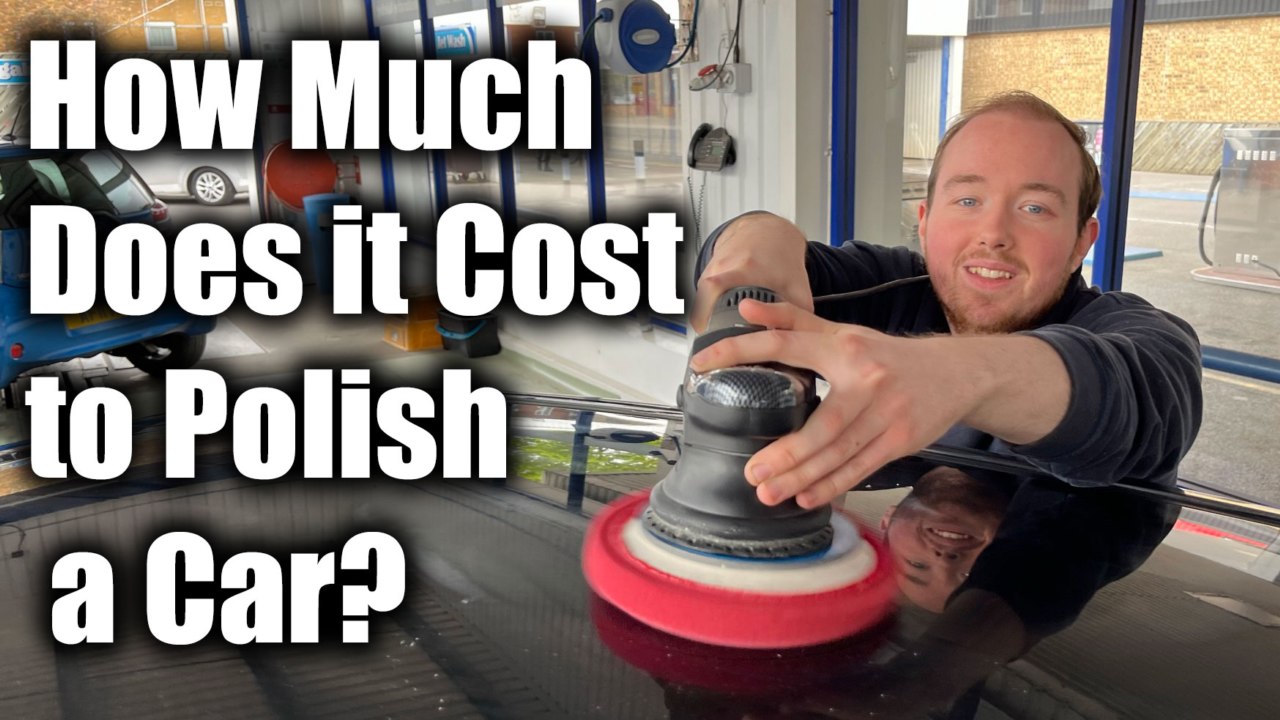
Image Source: cars.newagain.co.uk
Deciphering Car Detailing Costs
The broader topic of car detailing cost encompasses much more than just polishing. Detailing is a comprehensive service that aims to restore a vehicle to its showroom condition, both inside and out. Polishing is a crucial part of the exterior detailing process, focusing specifically on the paintwork.
When you engage in car detailing, you’re investing in a service that enhances your car’s appearance and protects its value. The overall car detailing cost will vary greatly based on the level of service, the size and condition of your vehicle, and the reputation of the detailing shop.
Factors Influencing Your Car Detailing Budget
Several elements play a role in determining the final car detailing cost. It’s not a one-size-fits-all scenario.
- Vehicle Size: Larger vehicles like SUVs and trucks naturally require more time and product, leading to higher costs compared to smaller cars.
- Paint Condition: A car with deep scratches, swirl marks, oxidation, or heavy contamination will need more intensive correction, thus increasing the price.
- Level of Service: A basic wash and wax is different from a multi-stage paint correction with a ceramic coating. The more services you opt for, the higher the cost.
- Detailer’s Expertise: Highly skilled and experienced detailers, especially those with specialized equipment and techniques, will typically charge more.
- Location: Costs can vary depending on your geographical location, with services generally being more expensive in major metropolitan areas.
The Price of Auto Polishing
Auto polishing price specifically refers to the cost of the polishing process itself. This is distinct from a full detail, as it focuses solely on restoring the paint’s clarity and shine.
The goal of auto polishing is to remove imperfections in the clear coat of your car’s paint. These imperfections include:
- Swirl Marks: These are fine, circular scratches that often appear after washing or drying a car with improper techniques or dirty towels.
- Scratches: Deeper scratches that haven’t penetrated the base coat can often be reduced or removed through polishing.
- Oxidation: This is the dulling and fading of paint caused by exposure to UV rays and environmental factors.
- Water Spots: Mineral deposits left behind after water evaporates can etch into the paint.
Pricing Variations in Auto Polishing
The auto polishing price is not fixed. It’s influenced by the same factors mentioned earlier, but with a particular emphasis on the paint’s condition.
Basic Polish vs. Multi-Stage Correction
- Single-Stage Polish: This involves using one type of polish and one pad to remove light to moderate imperfections. It’s quicker and less expensive. Prices might range from $150 to $400.
- Two-Stage Polish: This is more intensive. It uses a coarser compound to remove deeper defects and then a finer polish to refine the finish and enhance gloss. This is where the car paint correction cost really starts to become significant. Expect to pay between $300 and $700.
- Multi-Stage Polish: For heavily damaged paint, a detailer might use three or even more stages. This involves aggressive compounds to remove deep scratches, followed by progressively finer polishes to achieve a mirror-like finish. This is the most time-consuming and costly option, potentially ranging from $500 to $1,000+.
Car Paint Correction: The Deeper Dive
Car paint correction cost is often what people are referring to when they talk about significant polishing services. This is not just a light polish; it’s a meticulous process of removing defects from the paintwork to achieve a flawless finish.
Paint correction is essentially a more advanced form of polishing. It aims to not just enhance gloss but to make the paint look as close to factory new as possible.
What Goes Into Car Paint Correction Pricing?
The price for car paint correction cost reflects the labor, skill, and products involved.
- Inspection and Assessment: A professional detailer will first thoroughly inspect your paint under specialized lighting to identify the depth and type of defects.
- Washing and Decontamination: The car must be immaculately clean. This involves a thorough wash, followed by clay barring to remove embedded contaminants and chemical decontamination if necessary.
- Masking: Delicate areas like rubber trim, plastic, and emblems are masked off with painter’s tape to prevent damage from the polishing machine and compounds.
- Polishing Stages: As discussed, this is the core of the service. The number of stages dictates the time and cost.
- Final Wipe Down: After polishing, the paint is wiped down to remove polish residue.
Average Car Paint Correction Costs by Service Level
| Service Level | Description | Typical Price Range |
|---|---|---|
| One-Step Polish | Removes light swirls and enhances gloss. | $150 – $400 |
| Two-Step Correction | Removes moderate scratches and swirl marks, followed by refinement. | $300 – $700 |
| Multi-Step Correction | Addresses deep scratches, oxidation, and heavy imperfections in multiple passes. | $500 – $1000+ |
Ceramic Coating Price: The Protective Layer
After your car’s paint has been corrected and looks its absolute best, many people opt for a ceramic coating price. This is a liquid polymer that bonds to your car’s clear coat, forming a durable, semi-permanent layer of protection.
A ceramic coating adds an incredible depth of gloss, makes the car easier to clean, and provides excellent protection against UV rays, chemical stains, and minor scratches.
What Determines Ceramic Coating Price?
The ceramic coating price is influenced by several factors:
- Type of Coating: Different brands and formulations offer varying levels of durability and hydrophobicity, impacting the price.
- Number of Layers: Applying multiple layers of coating provides enhanced protection and longevity, but also increases cost.
- Paint Condition: As mentioned, paint correction is a prerequisite for ceramic coating. The cost of the correction is often bundled with the coating application.
- Vehicle Size: Larger vehicles require more product and time.
- Detailer’s Skill: Ceramic coatings require precise application, and experienced detailers will command higher prices.
Ceramic Coating Cost Considerations
- Application Only (with paint prepped): If your car has already been corrected, applying a ceramic coating might range from $200 to $600.
- Correction + Ceramic Coating: This is the most common scenario. For a quality two-step correction followed by a good ceramic coating, you could expect to pay anywhere from $700 to $1,500 or more.
Waxing Car Cost: The Traditional Approach
Before ceramic coatings became mainstream, waxing car cost was the go-to method for adding shine and protection to a car’s paint. Waxing is a more temporary form of protection compared to ceramic coatings.
While not as durable, waxing offers a warm, deep shine and is generally much more affordable.
Factors Affecting Waxing Costs
- Type of Wax: High-quality synthetic waxes or carnauba waxes cost more than basic carnauba waxes.
- Application Method: Hand waxing is more labor-intensive than machine waxing.
- Bundled Services: Waxing is often included as part of a basic exterior detail package.
Typical Waxing Prices
- Basic Wash and Wax: This is often an entry-level service, usually costing between $50 and $150.
- High-Quality Wax Application (after paint prep): If you opt for a premium wax application after paint correction, it might add $50 to $150 to the overall cost.
Automotive Paint Polishing: A Closer Look at the Process
Automotive paint polishing is the technical term for the process of using abrasive compounds or polishes to remove imperfections from a vehicle’s clear coat. This is distinct from rubbing or buffing, which are often used interchangeably but can refer to the polishing process.
The effectiveness of automotive paint polishing depends heavily on the tools and products used, as well as the skill of the person performing the task.
Tools of the Trade for Automotive Paint Polishing
- Dual Action (DA) Polisher: This is the most common tool for professional and enthusiast detailers. It spins in an offset random orbit, reducing the risk of burning through the paint and making it more user-friendly.
- Rotary Polisher: This tool spins in a circular motion. It’s more aggressive and can remove defects faster, but it requires more skill to use without causing damage.
- Polishing Pads: These come in various densities and abrasions (e.g., cutting, polishing, finishing pads) and are designed to work with specific polishes.
- Polishes and Compounds: These are the abrasive materials. Compounds are coarser and designed for defect removal, while polishes are finer and meant for refining the finish.
The Importance of Quality in Automotive Paint Polishing
The automotive paint polishing process is where the magic happens for your car’s paint.
- Defect Removal: The primary goal is to physically remove a microscopic layer of the clear coat to level out imperfections.
- Gloss Enhancement: By smoothing the paint surface, light reflects more uniformly, resulting in a much higher gloss.
- Surface Preparation: Polished paint is also the ideal surface for applying protective coatings like waxes or ceramic coatings.
Interior Car Detailing Cost: The Inside Story
While we’re focusing on paint polishing, it’s important to acknowledge that a comprehensive detail also includes the interior. Interior car detailing cost varies depending on the level of cleaning and the specific services needed.
A basic interior clean might involve vacuuming, wiping down surfaces, and cleaning windows. More intensive services can include deep carpet and upholstery cleaning, leather conditioning, and even odor removal.
What’s Included in Interior Detailing?
- Vacuuming: Thoroughly vacuuming carpets, seats, and floor mats.
- Surface Cleaning: Wiping down and sanitizing all hard surfaces (dashboard, door panels, center console).
- Window Cleaning: Cleaning interior glass for a streak-free finish.
- Upholstery Cleaning: Spot cleaning or deep cleaning fabric seats and carpets.
- Leather Care: Cleaning and conditioning leather seats.
- Mat Cleaning: Shampooing or deep cleaning floor mats.
- Trash Removal: Removing all refuse from the cabin.
Typical Interior Detailing Price Ranges
- Basic Interior Clean: $50 – $150
- Deep Interior Detail: $150 – $350
- Full Interior Restoration (including steam cleaning, stain removal): $300 – $700+
The interior car detailing cost can add a significant amount to the overall detailing budget, but it’s crucial for a complete rejuvenation of your vehicle.
Exterior Car Detailing Price: The Complete Picture
The exterior car detailing price encompasses all the services performed on the outside of the car. This includes washing, decontamination, polishing, waxing or coating, and often more specialized services.
Components of Exterior Detailing
- Washing: Thorough hand wash to remove surface dirt.
- Decontamination: Using clay bars or chemical cleaners to remove bonded contaminants.
- Wheel Cleaning and Tire Dressing: Cleaning wheels and applying tire dressing for a finished look.
- Paint Polishing/Correction: As discussed extensively.
- Waxing or Ceramic Coating: Application of protective sealants.
- Trim Restoration: Revitalizing faded plastic and rubber trim.
- Headlight Restoration: Improving clarity of clouded headlights.
Factors Influencing Exterior Detailing Price
- Vehicle Size and Type: A sports car versus an SUV.
- Paint Condition: How much work is needed on the paint.
- Products Used: Entry-level vs. premium waxes, sealants, or coatings.
- Labor Intensity: Time taken for each step.
Specialized Exterior Services
Beyond the core polishing, other exterior services contribute to the overall exterior car detailing price.
Headlight Restoration Cost
Clouded or yellowed headlights are not only unsightly but also reduce visibility. Headlight restoration cost is typically a separate, smaller fee within a larger detail.
- What it involves: Sanding away the oxidized layer, followed by polishing and then applying a UV-protective sealant.
- Typical Price Range: $50 to $150 per pair. If they are severely damaged, replacement might be more cost-effective.
Wheel Polishing Cost
Wheels, especially alloy wheels, can suffer from brake dust, road grime, and corrosion. Wheel polishing cost can vary significantly based on the type of wheel and the extent of damage.
- What it involves: Thorough cleaning, degreasing, and then polishing to a high shine. Some wheels might have clear coats that need careful attention.
- Typical Price Range: $100 to $300 for a set of four wheels, depending on complexity and finish. For highly intricate or show-quality polishing, the cost can be higher.
Getting the Best Value for Your Money
When you’re looking to polish your car, whether it’s a simple polish or a full paint correction, getting the best value is key.
Tips for Maximizing Value:
- Ask for a Detailed Quote: Ensure the quote clearly outlines all services included.
- Research Detailers: Look for reviews, portfolios, and testimonials. A good detailer will be able to explain their process and pricing.
- Maintain Your Car Regularly: Regular washing and waxing can prevent severe paint damage, reducing the need for expensive correction later on.
- Consider Bundling Services: Often, getting a full detail package that includes polishing, waxing, and interior cleaning can be more cost-effective than booking each service separately.
- Understand the Warranty/Guarantee: Reputable detailers often offer some form of guarantee on their work.
Frequently Asked Questions (FAQ)
Q1: What is the difference between polishing and waxing?
A1: Polishing physically removes imperfections from the paint’s clear coat to level it out and restore clarity. Waxing is a sacrificial layer of protection applied on top of the paint (or polished paint) to provide shine and block minor contaminants. Polishing lasts longer as it’s part of the paint itself, while wax needs frequent reapplication.
Q2: Can I polish my car myself?
A2: Yes, you can polish your car yourself. However, using the wrong products, pads, or techniques can easily damage your paint. If you’re new to it, start with a single-stage polish kit and a dual-action polisher, and watch plenty of tutorials. The cost of DIY tools can be a significant initial investment but can save money in the long run if you have multiple vehicles or plan to detail regularly.
Q3: How often should I get my car polished?
A3: This depends on your car’s condition, its storage environment (garage vs. outside), and how often you wash it. For most daily drivers, a light polish every 1-2 years is sufficient to maintain shine and remove light swirls. A full paint correction is typically only needed when the paint has significant damage, perhaps every 3-5 years or as needed.
Q4: Does polishing remove all scratches?
A4: Polishing can remove or significantly reduce most light to moderate scratches. However, if a scratch has penetrated the clear coat and reached the color coat or primer, polishing alone cannot fix it. Such deep scratches require more intensive repair methods like touch-up paint or repainting.
Q5: How long does a ceramic coating last?
A5: The lifespan of a ceramic coating varies greatly depending on the quality of the product, the application quality, and how well the car is maintained. High-quality coatings can last anywhere from 2 to 5 years or even longer with proper care.
Q6: Is a ceramic coating better than wax?
A6: For durability and protection, yes. Ceramic coatings offer a much harder, more chemical-resistant, and longer-lasting layer of protection than traditional car waxes. They also provide a higher gloss and superior hydrophobic properties (water beading and sheeting). However, waxes offer a warmer, deeper look that some enthusiasts prefer.
Q7: What is the difference between a sealant and a wax?
A7: Waxes, especially those made from carnauba, are natural products that provide a deep, warm shine. Sealants are synthetic polymer-based products that tend to offer better durability and protection against environmental contaminants, often with a sharper, more reflective shine.
In conclusion, the cost to polish a car is a variable figure that hinges on the depth of service required. From the cost-effective sheen of a simple wax to the transformative brilliance of a multi-stage paint correction followed by a ceramic coating, the investment in your car’s paintwork contributes significantly to its aesthetic appeal and resale value. By understanding the breakdown of costs and the factors influencing them, you can make an informed decision about the best way to achieve that showroom shine for your vehicle.