Wondering about the leather seat dye cost? The price to dye leather car seats can range from $150 to $1,000 or more. This depends heavily on whether you do it yourself or hire a professional, the quality of materials used, and the extent of the work needed.
Leather car seats are a sign of luxury and comfort. Over time, however, they can fade, get scratched, or even stain. Fortunately, you can bring them back to life with dye. But what does this process actually cost? This guide will break down everything you need to know about the cost to recolor car leather, helping you make an informed decision.
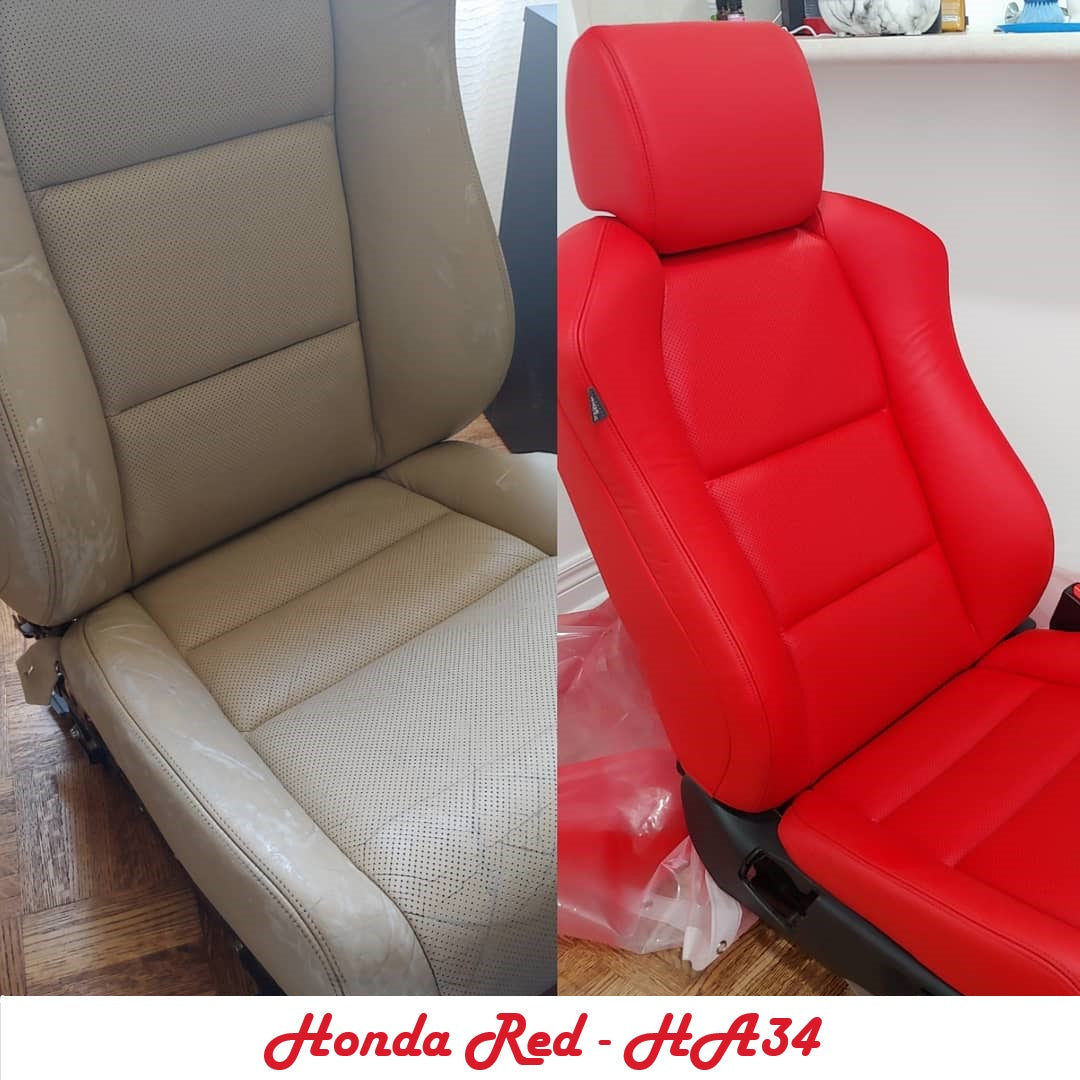
Image Source: autoleatherdye.com
Fathoming the Factors Influencing Car Interior Leather Dyeing Price
Several elements play a role in the final car interior leather dyeing price. It’s not a one-size-fits-all situation. Let’s explore the key players that determine how much you’ll spend.
Material Quality and Type
The type and quality of the leather itself are significant.
- Genuine Leather: Generally more affordable than higher-end options.
- Full-Grain Leather: The highest quality, showing natural markings, and typically commands a higher dyeing price due to its value and the care needed.
- Bonded Leather: A lower-cost option made from leather scraps, which may not take dye as well or last as long, potentially affecting the overall leather seat restoration cost.
The brand and quality of the dye also matter. Professional-grade dyes are more durable and offer better color retention but come at a higher price point than consumer-grade products.
Scope of Work
The amount of work required is a major cost driver.
- Color Change vs. Refresh: Dyeing to refresh the existing color or cover minor scuffs is less intensive and thus cheaper than a complete color change. A leather seat color change cost will naturally be higher due to the need for thorough preparation and potentially multiple coats of a different color.
- Number of Seats: Dyeing one seat is obviously less expensive than dyeing a full set of front and back seats.
- Condition of the Seats: Seats with extensive damage, deep scratches, tears, or heavy staining will require more prep work (cleaning, repair, adhesion promoters) before dyeing. This increases both labor and material costs, impacting the overall leather seat refinishing cost.
- Preparation Needed: Proper preparation is crucial for dye adhesion and longevity. This includes deep cleaning, degreasing, and sometimes applying bonding agents. The more prep work, the higher the cost.
DIY vs. Professional Application
This is perhaps the most significant factor in determining the final price.
DIY Leather Seat Dyeing
If you’re hands-on and willing to invest your time, a DIY approach can save you money.
DIY Costs: What to Expect
The main cost here is the materials.
- Leather Dye Kit: This typically includes the dye, cleaner, preparer, finisher, and applicators (sponges, brushes).
- How much is leather dye for cars? A good quality DIY kit can range from $50 to $150 for enough to cover one or two seats. For a full car set, you might be looking at $100 to $300.
- Cleaning Supplies: While often included in kits, you might need extra specialized cleaners or degreasers, adding another $10 to $30.
- Repair Materials (if needed): For minor scratches or scuffs, you might need a leather filler or binder. These can add $20 to $50 to your DIY leather seat dye cost.
- Applicators and Tools: Extra sponges, microfiber cloths, or even a spray gun for a smoother finish can add $20 to $100.
Advantages of DIY
- Cost Savings: Significantly cheaper than professional services.
- Flexibility: You can choose the time and pace of the work.
- Personal Satisfaction: The pride of doing it yourself.
Disadvantages of DIY
- Time Commitment: Requires a significant time investment for preparation, application, and drying.
- Risk of Error: Improper application can lead to uneven color, peeling, or a sticky finish.
- Quality Limitations: DIY products may not be as durable or professional-looking as those used by experts.
- Color Matching Challenges: Achieving an exact match to existing color can be difficult.
Professional Leather Seat Dyeing
Hiring a professional detailer or upholstery specialist offers convenience and a higher likelihood of a flawless finish.
Professional Costs: What to Expect
The professional leather seat dyeing cost reflects the expertise, labor, and high-quality materials used.
- Labor: This is the biggest component. Professionals charge for their time, skill, and the meticulous process involved.
- Materials: They use professional-grade dyes, cleaners, and finishes that are often more durable and color-accurate than DIY options.
- Preparation: Professionals will thoroughly clean, degrease, and repair any minor damage before dyeing.
- Application: They often use specialized spray guns for a more even and factory-like finish.
- Finishing: Applying multiple coats of protective finish ensures durability and a premium feel.
Average Professional Pricing
- Single Seat Dyeing: Expect to pay between $150 and $400 per seat.
- Full Set (Front & Back Seats): The cost to recolor car leather for a full set can range from $500 to $1,500 or more.
- Intricate Work: If the seats have complex stitching, multiple color panels, or significant damage requiring extensive repair, the leather seat restoration cost can push the upper limits of this range.
Advantages of Professional Service
- Expertise and Experience: Professionals know how to prepare the leather and apply dye for a seamless, durable finish.
- High-Quality Materials: They use premium products that offer better color matching, durability, and feel.
- Time Savings: You don’t have to spend your valuable time on the task.
- Warranty (sometimes): Some shops offer a warranty on their work.
- Superior Finish: Achieves a factory-quality look and feel.
Disadvantages of Professional Service
- Higher Cost: The most significant drawback.
- Scheduling: You need to book an appointment and may have to leave your car for a day or two.
Decoding the Leather Seat Restoration Cost
When your leather seats aren’t just faded but also cracked, ripped, or heavily worn, you’re looking at leather seat restoration cost. Dyeing is often a part of this, but restoration can involve more.
Factors Increasing Restoration Costs
- Crack and Tear Repair: Filling and sealing cracks, or patching larger tears, adds significant labor and material costs.
- Scuff and Abrasion Removal: Deep scuffs that have removed color and damaged the leather surface require more than just dye.
- Color Matching for Repairs: If only parts of the seat need repair and dyeing, perfectly matching the color to the rest of the seat is crucial and adds complexity.
- Conditioning and Protection: After dyeing, professional conditioning and protection treatments are often applied to enhance durability and feel, adding to the overall leather seat refinishing cost.
Table 1: Estimated Costs for Leather Seat Restoration Components
| Service Component | Estimated Cost Range (DIY) | Estimated Cost Range (Professional) |
|---|---|---|
| Deep Cleaning & Prep | $20 – $50 | $75 – $150 |
| Dyeing (Standard Refresh) | $50 – $150 (kit) | $150 – $400 (per seat) |
| Dyeing (Color Change) | $100 – $300 (kit) | $200 – $500 (per seat) |
| Minor Crack/Scuff Repair | $20 – $50 (fillers) | $50 – $150 (per area) |
| Major Tear/Patch Repair | N/A (requires skill/tools) | $100 – $300 (per tear) |
| Adhesion Promoter/Binder | $10 – $30 | $30 – $75 |
| Protective Finisher | Included in kit/Add $20-$50 | $50 – $100 (per seat) |
| Full Set (4 Seats) | $100 – $300 (materials) | $500 – $1500+ |
The Leather Seat Color Change Cost Breakdown
Changing the color of your leather seats is a more involved process than a simple refresh. The leather seat color change cost reflects this complexity.
Why is a Color Change More Expensive?
- Thorough Prep Work: You need to strip any old dye or finish and ensure the surface is perfectly clean and ready to accept a new color. This often involves specialized removers and degreasers.
- Multiple Dye Coats: Achieving a deep, even color, especially when changing from a dark to a light shade or vice-versa, typically requires multiple thin coats of dye.
- Adhesion Promoters: To ensure the new color adheres well and doesn’t peel, adhesion promoters are often necessary.
- Color Matching Accuracy: professionals need to mix the dye to precisely match the desired new color, which takes skill and time.
- Potential for Fading/Unevenness: If not done correctly, color changes are prone to fading or patchy results, making the initial investment in quality and expertise more critical.
Automotive leather dye pricing for a color change will almost always be higher than for a color refresh. Expect to add an additional 20-50% to the refresh costs if you’re aiming for a dramatic transformation.
DIY Leather Seat Dye Cost: A Deeper Dive
Let’s break down the DIY leather seat dye cost more granularly. If you’re opting for the do-it-yourself route, here’s what you’ll need to purchase:
Essential DIY Materials
- Leather Cleaner: Crucial for removing dirt, oils, and old conditioners.
- Cost: $10 – $30
- Leather Preparer/Degreaser: Removes any remaining residue that could prevent dye adhesion.
- Cost: $10 – $30
- Leather Dye: Available in spray cans, bottles with applicators, or larger containers. Choose a dye specifically designed for automotive leather.
- Cost: $20 – $100 per quart (enough for several seats, depending on coverage). For a full car, budget $50 – $200.
- Adhesion Promoter/Binder: Recommended for better dye adherence, especially for color changes or smooth leathers.
- Cost: $15 – $30
- Leather Filler (for minor damage): If you have small cracks or scuffs.
- Cost: $15 – $40
- Top Coat/Finisher: Seals the dye, provides protection, and gives the leather a desired sheen (matte, satin, gloss).
- Cost: $20 – $50
- Applicators: Sponges, daubers, microfiber cloths.
- Cost: $10 – $30
- Masking Tape & Paper: To protect areas you don’t want to dye.
- Cost: $10 – $20
Total Estimated DIY Cost (for a full car set): $100 – $350 (excluding tools like a spray gun).
Professional Leather Seat Dyeing Cost: Investing in Quality
When you hand over the job to a professional, you’re paying for their expertise, specialized tools, and premium materials. The professional leather seat dyeing cost reflects a comprehensive service.
What Professionals Include
- Comprehensive Inspection: The technician assesses the leather’s condition, identifies areas needing repair, and discusses color options with you.
- Deep Cleaning: Using commercial-grade cleaners to remove all dirt, oils, and contaminants.
- Surface Preparation: Applying preparers and degreasers to ensure optimal adhesion.
- Minor Repairs: Filling small cracks, scuffs, and abrasions. This might be included or an add-on depending on the service.
- Dye Application: Applying multiple thin, even coats of professional-grade automotive leather dye, often using spray equipment for a flawless finish. This is where the automotive leather dye pricing is factored in.
- Color Matching: Precise mixing to achieve the exact desired shade.
- Sealing and Finishing: Applying protective top coats to enhance durability, UV resistance, and achieve the desired sheen.
- Conditioning: A final conditioning treatment to restore suppleness.
How Professionals Price Their Services
Professionals typically price based on:
- Time and Labor: The hours spent on thorough preparation, application, and finishing.
- Materials Used: High-quality dyes, fillers, and sealants are more expensive.
- Complexity of the Job: More intricate interiors, color changes, or extensive repairs command higher prices.
- Overhead: Business costs, insurance, and shop expenses.
Table 2: Sample Professional Pricing Breakdown (per seat)
| Service Stage | Typical Cost Range (per seat) | Notes |
|---|---|---|
| Cleaning & Preparation | $50 – $100 | Includes deep cleaning and degreasing |
| Minor Repair (per area) | $30 – $80 | For scuffs, minor cracks |
| Dyeing (Color Refresh) | $70 – $150 | Single stage application |
| Dyeing (Color Change) | $100 – $200 | Multiple coats, adhesion promoters |
| Advanced Repair (per item) | $50 – $200+ | Large tears, panel replacement |
| Finishing & Protection | $30 – $60 | Sealing the dye, conditioning |
| Total per Seat | $150 – $400+ | Varies greatly based on the above factors and the shop’s pricing model |
Tips for Choosing the Right Dyeing Option
Deciding between DIY and professional service depends on your budget, time, and desired outcome.
Consider Your Skill Level and Time Commitment
- Are you comfortable with detailed work? If you’ve done painting or similar crafts, you might succeed with DIY.
- How much time do you have? A full car interior can take several days of dedicated work for a DIYer. Professionals can complete it much faster.
Assess the Condition of Your Seats
- Minor fading and wear: DIY is often a good option.
- Deep scratches, cracks, or significant wear: Professional restoration is likely a better investment to ensure a proper and lasting repair.
Think About the Desired Outcome
- A quick refresh to improve appearance: DIY can be sufficient.
- A perfect, factory-like finish or a dramatic color change: Professional service is recommended.
Frequently Asked Questions (FAQ)
Q1: Can I dye my leather car seats myself?
Yes, you can dye your leather car seats yourself using DIY kits. However, it requires careful preparation, attention to detail, and patience to achieve good results.
Q2: How long does dyed leather car upholstery last?
With proper care and maintenance, professionally dyed leather car seats can last anywhere from 5 to 10 years or even longer. DIY dye jobs may have a shorter lifespan, typically 2 to 5 years, depending on the quality of materials and application.
Q3: Will dyeing my leather seats make them feel stiff?
If the dye is applied correctly and a good quality conditioner is used afterward, your seats should retain their softness and suppleness. Improper application or using the wrong products can lead to stiffness.
Q4: What’s the difference between leather dye and leather paint?
Leather dye soaks into the leather, maintaining its natural feel and texture. Leather paint sits on top of the surface, which can sometimes alter the feel and is more prone to cracking if not applied correctly. For car seats, dye is generally preferred.
Q5: How do I prepare my leather car seats for dyeing?
Thorough cleaning is paramount. You need to remove all dirt, oils, grease, and any old conditioners or protectants. Use a dedicated leather cleaner and then a preparer/degreaser. For a color change, stripping the old color might be necessary.
Q6: Can I dye my car seats a different color?
Yes, you can dye your leather car seats a different color. However, changing from a dark color to a light color is more challenging and requires extra steps, such as using a color stripper or a white base coat, to ensure the new color shows up vibrantly and evenly. This will also increase the leather seat color change cost.
Q7: Where can I find professional leather dyeing services?
Look for reputable automotive detailers, upholstery shops, or specialized leather repair services in your area. Always check reviews and ask for examples of their work before committing.
By carefully considering these costs and factors, you can make the best decision for revitalizing your leather car seats and enhancing your driving experience.