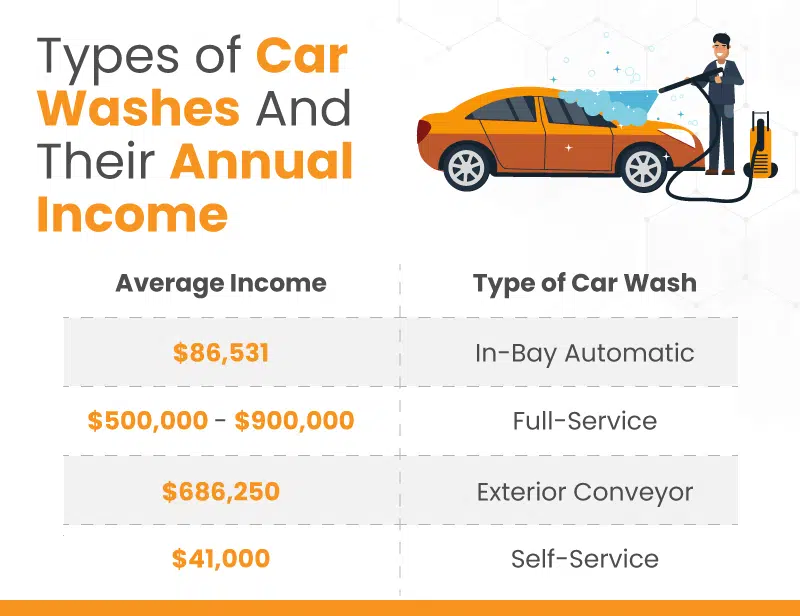
Image Source: koronapos.com
Secrets: How Much Do Self Service Car Washes Make?
How much money do self service car washes make? They can make a lot, but the exact amount changes greatly depending on many things. Some might make just a few hundred dollars a month after paying all their bills, while others in busy spots could make thousands or even tens of thousands. This post will look into the details of self service car wash revenue and what affects car wash business profit.
Grasping the Numbers: How Money Comes In
A self service car wash makes money in a few ways. The main way is from the wash bays themselves, where people use coins, tokens, or cards to pay for wash time and options like soap, rinse, wax, and tire cleaner. But that’s not the only money coming in.
Sources of Self Service Car Wash Revenue
- Wash Bays: This is the core. People pay for time or steps in the wash process. The more people who come and wash, the more money comes in.
- Vacuum Stations: Most self service washes have vacuums. These are often coin-operated and provide extra coin operated car wash income. People need to clean the inside of their car too.
- Vending Machines: Selling things like towels, air fresheners, and car cleaning products adds a little more money.
- Detailing Supplies: Sometimes, washes sell small bottles of wax or spray cleaner.
- Automatic Bay (If Included): Some self-serve places also have an automatic wash. This can bring in a lot more money but also costs more to run. We are focusing mainly on self-serve here, though.
Factors Affecting How Much Money Comes In
Many things change how much self service car wash revenue a place earns.
- Where It Is: A wash on a busy street with lots of houses or shops nearby will likely make more money than one hidden away. Easy access is key. Is it near a place people drive by often?
- The Weather: Sunny, warm weather is best for car washing. Rain or snow means fewer customers. Very cold weather can freeze equipment and pipes, causing problems and stopping business.
- How Good the Wash Is: Are the machines working well? Is the water hot? Is the soap foamy? Do the vacuums suck strongly? People come back if the wash works well.
- How Much You Charge: Prices need to be fair for the area. Too high, and people go elsewhere. Too low, and you don’t make enough to cover costs.
- Hours Open: Self service washes are often open 24/7. This means people can wash their cars whenever they want, day or night. This helps increase coin operated car wash income around the clock.
- Local Events: Things like car shows or seasonal changes can increase business.
- Competition: How many other car washes are nearby? What do they charge? What services do they offer?
Average Car Wash Earnings
It’s hard to give one single number for average car wash earnings because there is such a big difference between locations. A small, old wash with only a few bays in a quiet town will make much less than a large, modern wash with many bays, vacuums, and vending machines in a busy city.
- A single self-service bay might bring in $10 to $20 per hour when it’s being used.
- Vacuum spots might bring in $5 to $10 per hour when in use.
- Busy times are usually weekends and evenings, especially when the weather is nice after a bad spell.
Looking at total revenue, a small self service wash might bring in $1,000 to $5,000 per month in a slow location. A busy one could bring in $10,000 to $30,000 or even more in a very good location. This is before paying any bills.
Peeling Back the Costs: What Money Goes Out
Making money is one thing, but keeping it after paying bills is the real goal. Car wash operating costs can be high, especially utilities.
Major Car Wash Operating Costs
- Rent or Mortgage: You need a place for the wash. This might be a monthly rent payment or a loan payment if you own the land and building. This is often a big fixed cost.
- Utilities: This is usually the biggest cost for a self-service wash.
- Water: You use a lot of water to wash cars. The cost depends on the local water price and sewer fees. Using reclaimed (recycled) water can help lower this cost.
- Electricity: Pumps, heaters, lights, vacuums, and payment systems all use electricity. This bill can be very high.
- Gas or Propane: If you heat the wash water (which customers often prefer, especially in colder places), you will have a fuel bill.
- Chemicals: Soap, wax, tire cleaner, spot-free rinse – these need to be bought regularly. Buying in bulk can save money. The quality of chemicals matters for how well the wash works.
- Maintenance and Repairs: Machines break down. Hoses leak. Pumps fail. Coin acceptors jam. Bays get damaged. Fixing things is a constant job and a big cost. Regular checking (preventive maintenance) can help avoid big, expensive problems later.
- Insurance: You need insurance for the property, for general business risks, and possibly for workers (even if it’s just you).
- Licenses and Fees: There are often local permits and business licenses needed.
- Labor: For a self service wash, labor costs are often low compared to an automatic wash. You might need someone to clean the bays, restock vending machines, handle minor repairs, and collect money. If you do it all yourself, this cost is your time, but you might still pay for bookkeeping or other services. If you hire someone, you pay wages, taxes, and maybe benefits.
- Marketing and Advertising: Telling people about your wash costs money. This might be signs, local ads, or online marketing.
- Payment System Costs: If you use card readers or apps, there are fees for processing payments.
- Security: Cameras or other security measures might be needed, adding to costs.
Estimating Operating Costs
Like revenue, costs vary a lot. Utility costs depend heavily on local rates and how much the wash is used. Maintenance costs depend on the age and quality of the equipment and how well it’s cared for.
Here’s a very rough idea of cost categories, not exact numbers, as they change so much:
| Cost Category | Likely Share of Total Costs | Notes |
|---|---|---|
| Utilities (Water, Elec, Gas) | 30% – 50% | Can be the single largest cost. |
| Rent/Mortgage | 10% – 30% | Can be a fixed cost each month. |
| Chemicals | 10% – 15% | Depends on usage and quality. |
| Maintenance/Repairs | 5% – 15% | Can be unpredictable. Reserve money! |
| Insurance & Fees | 3% – 7% | Necessary costs. |
| Labor (if any) | 5% – 15% | Lower for self-serve than automatic. |
| Marketing | 1% – 5% | Important for getting customers. |
| Payment Fees | 1% – 3% | Adds up with card payments. |
Adding up all these costs gives you a total monthly operating expense.
Deciphering Profitability: How Much You Keep
This is where we figure out the car wash business profit. The simple math is:
Profit = Total Money Coming In (Revenue) – Total Money Going Out (Operating Costs)
This calculation helps with car wash profitability analysis. We want the number left over to be positive!
What Changes Monthly Car Wash Profit?
Everything that affects revenue and costs will change the profit.
- Volume: How many cars are washed? More cars mean more revenue.
- Average Spend Per Car: Do customers just do a basic wash, or do they pay for extras like wax or spot-free rinse? Higher average spend increases revenue.
- Efficiency: Are you wasting water? Are machines breaking down often? Are your utility rates high? Lower efficiency means higher costs.
- Management: Good management means keeping costs low, keeping machines running, and making the place look clean and safe so people want to come.
- Debt: If you borrowed a lot of money to build or buy the wash, loan payments will cut into your profit.
- Initial Investment Cost: How much did it cost to start? A higher initial cost means it takes longer to make that money back, even if monthly profit is good.
How Much Profit Can Be Made?
Again, this number varies hugely. A marginal or poorly run self service wash might make very little profit, maybe just a few hundred dollars a month. This might not even be worth the owner’s time.
However, a well-located, well-managed self service wash can be quite profitable.
- A successful self service wash might aim for a profit margin (profit divided by revenue) of 20% to 40% or even higher before accounting for big loan payments or owner’s salary.
- In terms of dollars, monthly car wash profit for a successful place could range from $3,000 to $10,000, or much more in very busy areas with multiple bays and high usage.
It’s very important to remember this is just money left in the business account. The owner still needs to pay themselves, pay taxes, and maybe set aside money for big future repairs or upgrades.
A coin operated car wash income can be very stable if the location is good and the wash is well-maintained. People always need to wash their cars.
Fathoming the Investment Angle: Is a Car Wash a Good Investment?
Thinking about buying or building a self service car wash? Many people ask, “is a car wash a good investment?” The answer is: it can be, but it’s not a guaranteed path to riches.
Pros of Owning a Self Service Car Wash
- Steady Demand: Cars get dirty. People need to wash them. This isn’t likely to change soon.
- Less Labor: Compared to many other businesses, self service washes need less staff. This saves money on wages.
- 24/7 Operation: The wash can make money even when you are not there.
- Cash Business: Historically, a lot of coin operated car wash income was literally coins. While card readers are common now, it can still be a business where money comes in frequently.
- Potential for Good Returns: If you find a good location and manage it well, the profit can provide a good return on the money you put in.
Cons of Owning a Self Service Car Wash
- High Start-up Cost: Buying land, building bays, and buying equipment costs a lot of money upfront. This can be hundreds of thousands of dollars, sometimes over a million for larger or new places.
- High Operating Costs: Utilities, especially water and power, can eat up a large part of the revenue.
- Maintenance Headaches: Equipment breaks. It requires constant care and can lead to unexpected big bills.
- Weather Dependent: Your income is tied to the weather. You can’t control the rain!
- Competition: The car wash market can be competitive.
- Location is Everything: A bad location can doom the business.
For many, the appeal is the lower labor need and the ability for the wash to run and make money around the clock. But you need to be ready for the initial cost and the ongoing work of maintenance and managing expenses.
Crafting the Blueprint: Creating a Self Serve Car Wash Business Plan
Anyone serious about starting or buying a self service car wash needs a solid self serve car wash business plan. This plan helps you think through everything and shows lenders or partners you have done your homework.
What Goes Into the Plan?
- Looking at the Area: Who lives and works near the proposed wash? How many cars are there? What do people earn? How many other car washes are nearby? What are their prices?
- What You Will Offer: How many wash bays? Vacuums? Vending? Special features like hot water or special waxes?
- How Much to Charge: Setting prices for different services based on your costs and what competitors charge.
- Telling People About It: How will you get customers? Signs? Local ads? Online? Deals?
- How You Will Operate: Who will clean? Who will handle repairs? Who will collect money?
- Guessing the Money: This is the financial part. How much money do you think will come in (revenue)? How much money will go out (costs)? How much profit do you think you will make each month (monthly car wash profit)? How much money do you need to start, and where will it come from?
- Why It Will Work: What makes your wash special or better? Why will people come to you?
A good business plan is like a map for your car wash business profit journey. It helps you see potential problems and plan how to reach your goals.
Looking at the Bigger Picture: Car Wash Industry Statistics
It helps to see how self service washes fit into the whole car wash world. Car wash industry statistics show that it’s a big business.
- The overall car wash industry in places like the U.S. is worth billions of dollars each year.
- More and more people are using professional car washes instead of washing their cars at home. This is good for the industry as a whole.
- Automatic washes have become very popular, but self service washes still have their place. Some people like the control they get with self service. They can spend more time on certain areas or use specific tools.
- The industry sees steady growth over time, though it can be affected by the economy (when money is tight, people might wash their cars less often) and gas prices (which affect driving habits).
While automatic washes might grab more headlines and larger market share growth, the self service model remains a key part of the market, providing a needed service for people who want a lower cost option or like to do the washing themselves. The average car wash earnings across the industry show that there’s money to be made in this field.
Strategies for Boosting Income and Profit
Once a self service wash is running, owners look for ways to increase self service car wash revenue and improve monthly car wash profit.
Make Washes Better
- Offer Hot Water: This helps clean better, especially in cold weather, and customers like it.
- Improve Chemicals: Use good quality soap, wax, and spot-free rinse. Customers notice the difference in how clean their car gets and how it looks afterward.
- Add Options: Offer tire cleaner, engine cleaner, or special wax options through the bay timer.
- Upgrade Equipment: Newer spray guns, better foaming brushes, and stronger vacuums make the washing experience better.
Tell People You Are There
- Better Signs: Make sure people can easily see the wash from the road. Clear pricing helps too.
- Local Advertising: Ads in local papers, community boards, or sponsoring a local team can help.
- Online Presence: Have a simple website or social media page. Make sure you show up on maps searches.
- Deals and Loyalty: Offer a free wash after buying several, or special pricing on slow days.
Keep Machines Working
- Fix Things Fast: When a bay or vacuum is broken, it’s not making money and it makes the wash look bad. Fix problems quickly.
- Cleanliness: A clean wash attracts customers. If the bays are dirty or trash is everywhere, people might not stop. Regular cleaning is vital.
- Preventive Maintenance: Don’t wait for things to break. Check equipment regularly and fix small issues before they become big, expensive ones. This protects your car wash business profit.
Change Prices Carefully
- Adjust Time: Instead of changing the price per coin/token, you might slightly adjust how much time each coin/token buys.
- Package Deals: Offer a slightly better deal if someone buys more time or tokens.
- Increase Prices: If costs go up (like water or power), you may need to increase prices. Do this carefully and let customers know if possible.
All these things can help increase the average car wash earnings per customer or bring in more customers, leading to higher self service car wash revenue and better monthly car wash profit.
Frequently Asked Questions (FAQ)
Here are some common questions people ask about self service car wash income and business.
Q: How much can a coin car wash make?
A: The money coming in (revenue) for a coin or token self service wash varies a lot. A single bay might bring in $10-$20 per hour when used. A whole wash with multiple bays and vacuums could have monthly revenue from $1,000 in a very slow spot to over $30,000 in a top spot, before paying any bills.
Q: Is owning a car wash profitable?
A: Yes, it can be profitable, but it requires a good location, careful cost management, and regular maintenance. It’s not passive income; it needs work. A successful wash might have a profit margin of 20-40% or more after operating costs, but before owner pay and loan payments.
Q: What are the biggest costs for a self service car wash?
A: The biggest costs are usually utilities (water, electricity, gas), followed by rent or mortgage payments, and then chemicals and maintenance/repairs.
Q: How much does it cost to start a self service car wash?
A: Starting from scratch costs a lot. Buying land, building the structure, and installing equipment can easily cost $300,000 to over $1 million, depending on size and features. Buying an existing wash can also be expensive but might be less than starting new.
Q: How can I make my self service car wash more money?
A: You can increase money by making the wash better (hot water, good chemicals), keeping it clean and well-maintained, advertising locally, and offering things like vacuums and vending machines.
Q: Is a self service car wash better than an automatic one?
A: They serve different needs. Self service is often cheaper for the customer and gives them control. It requires less staff but still needs significant maintenance. Automatic washes are faster for the customer and can process more cars per hour, but cost more to build and run, and require more complex equipment. Both can be profitable.
Conclusion
Figuring out exactly how much self service car washes make is not a simple task. The self service car wash revenue and resulting car wash business profit depend on many things, from the location and weather to the owner’s ability to manage car wash operating costs and keep the equipment running smoothly.
While the initial investment can be high, and there are significant ongoing expenses, a well-run self service car wash in a good spot can provide a steady stream of coin operated car wash income and be a worthwhile investment, offering solid average car wash earnings and a good monthly car wash profit. Creating a detailed self serve car wash business plan and doing a careful car wash profitability analysis are key steps for anyone thinking about getting into this business. The car wash industry statistics show a stable market, and self-service bays remain a valued part of it.