So, how many kilometers is a lot for a car? A common thought is that over 200,000 kms is often seen as high mileage car kms. But honestly, it’s not just one number. What counts as high mileage really depends on many things. Factors like the car’s age, what kind of car it is, how well it was looked after, and where it was driven all play a big role. A car with 300,000 kms that had perfect care might be a better buy than a car with 150,000 kms that was ignored.
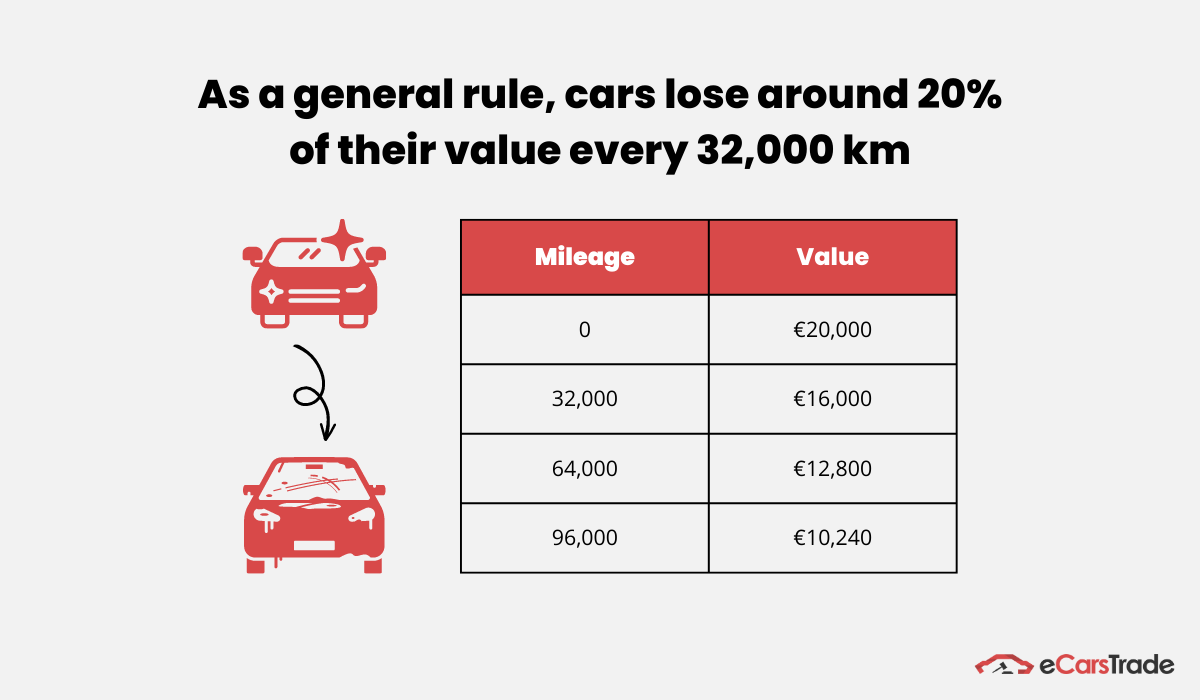
Image Source: userimg-assets-eu.customeriomail.com
What High Mileage Really Means
People often ask, “what mileage is too high for car kms?”. There isn’t one simple answer that fits all cars. For many years, hitting 100,000 kilometers felt like a major milestone, almost like the car was getting old. Hitting 200,000 kilometers felt like the car was living on borrowed time. This idea came from older cars. They often had engine or transmission problems around those numbers.
Today, cars are made much better. Engines last longer. Other parts are stronger. Because of this, the idea of what makes high mileage car kms has changed.
Most experts and car buyers start thinking of a car as having high mileage when it goes past the 200,000-kilometer mark. Some might say it’s high after 250,000 kms. For some types of cars known for lasting a long time, like some trucks or certain reliable brands, even 300,000 kms might not be considered “too high” if the car is in great shape.
But remember, the number on the odometer is just one piece of the puzzle. It tells a story about how far the car has travelled, but not how it was driven or how it was cared for.
What Makes Mileage Matter?
Mileage is important, but it’s not the only thing that matters when looking at a car. Several other factors mix with the mileage to tell the true story of a car’s condition and expected future life.
A Car’s Age Matters
Mileage and age go together. A car that is 5 years old with 200,000 kms has very high mileage car kms for its age. This means it was driven a lot each year. Its parts likely have more wear from constant use in a shorter time.
Think about a car that is 15 years old with only 150,000 kms. The mileage is lower, but the car is much older. Rubber parts, seals, and fluids can break down or dry out over time, even if the car isn’t driven much. A very low mileage older car might need repairs just because things have aged.
- Young car, High kms: Parts wore out fast from lots of driving.
- Old car, Low kms: Parts might be old and brittle just from time passing.
- Old car, High kms: Double trouble – parts are old and worn from driving.
How Well the Car Was Kept
This is perhaps the most important factor of all. A car with high mileage car kms that has a full history of regular maintenance is almost always a better choice than a car with lower mileage that was never serviced properly.
Regular maintenance means things like:
- Changing the oil and filter on time.
- Changing other fluids (transmission fluid, coolant, brake fluid).
- Replacing air filters and fuel filters.
- Checking and replacing belts and hoses.
- Following the car maker’s service schedule.
A car that was loved and cared for according to its schedule will likely run well for much longer, even with lots of kilometers. Parts were replaced before they broke. Fluids were fresh, keeping the engine and transmission clean and cool.
A car that was ignored, even one with low mileage, might have built-up sludge in the engine, worn-out brakes, or a transmission that’s about to fail because the fluid was never changed. This is a classic example of good vs bad car mileage kms – it’s not just the number, it’s the care behind it.
Where the Car Was Driven
Not all kilometers are equal.
- Highway Driving: Driving long distances on the highway puts less stress on a car. The engine runs at a steady speed. There is less stopping and starting. The brakes aren’t used as much. The transmission isn’t shifting constantly. Highway kms often cause less wear and tear.
- City Driving: Driving in the city means lots of stopping, starting, idling in traffic, and changing gears. This puts much more stress on the engine, transmission, and brakes. City kms can cause faster wear.
So, a car with 200,000 kms from mostly highway driving might be in better mechanical shape than a car with 150,000 kms from only city driving.
What Kind of Car It Is
Different car makes and models are known for different levels of reliability and lifespan. Some cars are simply built tougher and designed to last longer than others.
- Some brands have a history of making cars that easily reach 300,000 or 400,000+ kilometers with good care.
- Other cars might start having major problems much earlier, regardless of maintenance.
Doing some research on the specific make and model you are looking at can give you an idea of its typical lifespan and how well it handles high mileage car kms.
How It Was Driven
Was the driver gentle, or did they drive like a race car driver? Hard acceleration, sudden braking, and pushing the engine to its limits regularly can cause parts to wear out much faster, regardless of the total mileage.
What Most Cars Drive Each Year
To figure out if a car has high mileage car kms for its age, it helps to know what is considered typical.
The typical annual car mileage kms varies depending on the country and the owner’s habits (like commuting distance). However, a widely accepted average range is between 15,000 and 25,000 kilometers per year.
- 15,000 kms/year: Lower than average, maybe short commute or less frequent driving.
- 20,000 kms/year: About average.
- 25,000 kms/year: Higher than average, maybe longer commute or frequent road trips.
- Over 30,000 kms/year: Definitely high annual mileage.
You can use this average to see if a car’s total mileage matches its age. For example:
- A 5-year-old car with 100,000 kms has driven about 20,000 kms per year (100,000 / 5). This is typical mileage.
- A 5-year-old car with 200,000 kms has driven about 40,000 kms per year (200,000 / 5). This is very high annual mileage and results in high mileage car kms for its age.
- A 10-year-old car with 100,000 kms has driven about 10,000 kms per year (100,000 / 10). This is low annual mileage and results in relatively low total mileage for its age.
This check helps you see if the mileage comes from normal driving over a long time or from very heavy use in a short time.
Key Milestones for Car Mileage
As cars rack up kilometers, certain numbers are often seen as mileage benchmarks car kms. These numbers used to scare people more than they do now.
- 100,000 Kms (Approx. 60,000 Miles): This used to be the big one. Many car warranties ended around this mileage. Some major service items might be due here (like timing belts on older cars, though many newer cars have timing chains that last longer). For modern cars, 100,000 kms is often just hitting its stride if well-maintained. It’s certainly not considered high mileage car kms on its own anymore.
- 200,000 Kms (Approx. 120,000 Miles): This is where many people start thinking about high mileage car kms. For many cars, this is where more significant wear might start showing. Parts that haven’t been replaced might be getting tired. However, a car that hits 200,000 kms with excellent service history is likely to keep going strong.
- 300,000 Kms and Beyond (Approx. 180,000+ Miles): Reaching these numbers means the car has had a long working life. While definitely high mileage car kms, it’s not impossible for cars to go well beyond 300,000, 400,000, or even 500,000+ kilometers. Cars that reach these high numbers almost always have two things in common: they are models known for reliability, and they have had exceptional maintenance throughout their life.
These benchmarks are useful, but always look beyond the number to the car’s overall condition and history.
How Long Cars Can Live
The average car lifespan kms has increased a lot over the years. Back in the day, a car reaching 150,000 kms was considered old. Now, it’s common to see cars on the road with well over 200,000 or even 300,000 kms.
Several things have led to this longer life:
- Better Manufacturing: Cars are built with more durable materials.
- Improved Engineering: Engines and transmissions are designed to last longer.
- Better Fluids and Lubricants: Engine oil, transmission fluid, and coolants are much more effective at protecting parts from wear and heat.
- Advanced Technology: Computer systems help engines run more efficiently and smoothly, reducing stress.
While the average might still hover around 200,000 to 250,000 kms before major, costly repairs become likely, many cars easily exceed this.
Factors that shorten a car’s life:
- Lack of maintenance.
- Harsh driving conditions (extreme cold or heat, salty roads, rough terrain).
- Accidents or unrepaired damage.
- Rust, especially in areas where roads are salted in winter.
Factors that lengthen a car’s life:
- Regular and proper maintenance.
- Gentle driving habits.
- Mostly highway driving.
- Living in a mild climate without road salt.
- Choosing a model known for reliability.
So, while the average car lifespan kms gives you a general idea, many cars are capable of lasting much, much longer than the average if they are cared for.
When Mileage is Good or Bad
Let’s talk more about good vs bad car mileage kms. It’s a key idea to grasp when looking at used cars.
Imagine two cars:
- Car A: 8 years old, 120,000 kms. The owner drove short distances in the city, often just a few kilometers at a time. They changed the oil only every 20,000 kms. The car sat for months without moving when the owner was away.
- Car B: 6 years old, 180,000 kms. The owner had a long highway commute. They changed the oil every 10,000 kms and followed all service recommendations strictly.
Which car has better mileage? On paper, Car A has lower total mileage. But Car B likely has “better” mileage in terms of wear.
- Short city trips in Car A mean the engine didn’t always get hot enough to burn off moisture and contaminants. The transmission shifted constantly. The brakes were used heavily. Infrequent oil changes led to more engine wear. Sitting idle allowed seals to dry out and rust to start.
- Long highway trips in Car B allowed the engine to run efficiently at a stable temperature. The transmission shifted very little. Brakes were used lightly. Frequent maintenance kept everything clean and working smoothly.
This shows that judging a car solely by its used car mileage kms number can be misleading. A car with high mileage car kms from highway driving and perfect maintenance can be in better shape than a car with lower mileage that lived a hard life of short trips and neglect.
Look beyond the number. Look at the car’s history, its condition, and how it drives now.
Mileage and Your Car’s Price
One of the most direct effects of mileage is on a car’s value. Car value depreciation high kms is a well-known rule in the used car market.
Generally, the more kilometers a car has, the less it is worth. This is because higher mileage suggests more wear and tear, and potentially higher future repair costs. Buyers expect to pay less for a car that might need significant work sooner.
How much does mileage affect value? It’s a major factor, often second only to the car’s age and overall condition.
- A low mileage version of a car will almost always sell for more than a high mileage version of the exact same year, make, and model, assuming everything else is equal.
- The rate of depreciation linked to mileage isn’t always steady. The biggest drops might happen in the first few years or once the car passes major benchmarks like 200,000 kms.
However, just like with mechanical condition, maintenance history can soften the blow of car value depreciation high kms. A seller with a car showing high mileage car kms but a complete service record can ask for a higher price than one without records, even if the mileage is the same. The records show the buyer that the car was cared for and the risks are potentially lower.
The demand for a specific model also matters. Rare or highly sought-after cars might hold their value better even with high mileage, compared to very common models.
What About Low Mileage?
If high mileage car kms can be risky, is low mileage car definition kms always good? Not necessarily.
A low mileage car definition kms might be a car with significantly fewer kilometers than the average for its age. For example, a 10-year-old car with only 50,000 kms would be considered low mileage.
While low mileage might sound perfect, it can come with its own issues:
- Lack of Use: Cars are meant to be driven. When a car sits for long periods, fluids can settle, seals can dry out and crack, rubber parts can become brittle, and rust can form, especially on brake components.
- Missed Maintenance: Sometimes, owners of low-mileage cars think they don’t need maintenance because they don’t drive much. But oil, brake fluid, and coolant degrade over time regardless of kilometers driven. A low-mileage car that hasn’t had time-based maintenance (like annual oil changes or brake fluid flushes every few years) can have problems.
- Hidden Problems: A car that isn’t driven much might have small issues that haven’t shown up yet because they haven’t been stressed.
A truly great low mileage car is one that was driven regularly, but not excessively, and had all its time-based maintenance done on schedule. It should have records to prove this.
So, while low mileage is often a good starting point, don’t just assume it’s perfect. Investigate why the mileage is low and check the maintenance history carefully.
Buying a Car with Lots of Kms
Looking at used car mileage kms, especially those on the higher side, can be a smart way to save money. Cars with high mileage car kms are cheaper than those with low mileage. But you need to be careful.
Here’s a guide to buying used car high kms:
Pros of Buying High Mileage
- Lower Purchase Price: This is the main benefit. You can get a newer or nicer model than you could afford if you insisted on low mileage.
- Most Depreciation Happened: Much of the value loss has already occurred. If you maintain it well, the rate of depreciation might slow down for you.
- Known Issues May Be Fixed: If a car has reached high mileage, especially a known reliable model, common weak points might have already been replaced or reinforced.
Cons of Buying High Mileage
- Increased Risk of Repairs: Parts wear out with use. High mileage cars are more likely to need repairs to major components like the engine, transmission, or suspension.
- Shorter Remaining Lifespan: The car simply has fewer potential kilometers left before it might become too costly to keep running.
- Lower Resale Value (when you sell it): When you eventually sell, the mileage will be even higher, further reducing its value.
What to Check When Buying High Mileage
If you are considering buying used car high kms, here are vital steps:
- Get the Service History: This is non-negotiable. Ask for records. Look for consistent maintenance, especially oil changes and major service items listed in the owner’s manual. Lack of records is a big red flag, no matter the mileage.
- Inspect the Car Thoroughly:
- Engine: Listen for strange noises (knocking, ticking). Look for leaks (oil, coolant). Check the color and level of fluids – dark, sludgy oil or murky coolant are bad signs.
- Transmission: Make sure it shifts smoothly without jerking or slipping. Check the transmission fluid if possible – it should be clear red or pink, not dark brown or smell burnt.
- Suspension: Push down on each corner of the car – it should bounce only once or twice. Listen for clunks or squeaks over bumps. Check tires for even wear (uneven wear can signal suspension or alignment issues).
- Brakes: Check the brake pedal feel (should be firm, not spongy). Listen for grinding or squealing sounds when braking. Ask when brakes were last replaced.
- Exterior and Interior: Look for rust, especially underneath. Check for water leaks (smell for mildew inside). Make sure all lights, windows, and electronics work. Worn-out pedals or driver’s seat covers can match high mileage, but extreme wear relative to mileage could mean the odometer was rolled back (though this is harder with modern digital odometers).
- Take a Test Drive: Drive the car on different types of roads (city, highway) and speeds. Listen for unusual noises. Feel how it accelerates, brakes, and handles. Pay attention to how the engine and transmission perform.
- Get a Pre-Purchase Inspection (PPI): This is the best money you can spend on a used car, especially one with high mileage car kms. Pay an independent mechanic you trust to inspect the car. They can spot problems you would miss and give you an honest assessment of the car’s condition and potential future costs. This is crucial before you commit to buying used car high kms.
By doing your homework and getting a professional opinion, you can make a much more informed decision and potentially find a great deal on a high-mileage car that still has plenty of life left.
When is Mileage Too High to Handle?
So, putting it all together, what mileage is truly “too high”?
The point where mileage becomes “too high” isn’t a fixed kilometer number. It’s the point where the potential costs of keeping the car running likely outweigh its value or your budget for repairs.
- For a cheap car: If you buy a car for a low price with 350,000 kms, and it needs a major repair costing more than the car is worth, then that mileage was likely “too high” in terms of its remaining reliable life.
- For a well-maintained car: A car with 400,000 kms that has been perfectly maintained by a reliable owner might still have plenty of life left. If you buy it and are prepared for potentially more frequent, but smaller, maintenance needs, that mileage might not be “too high” for you.
Mileage becomes too high when:
- Major components (engine, transmission) show significant signs of failure or are known weak points at that mileage for that specific model.
- Repair costs are expected to exceed the car’s market value in the near future.
- The lack of maintenance history means you are buying a high-mileage gamble with unknown problems lurking.
- Your budget cannot handle potential unexpected repairs that are more likely with high mileage.
Ultimately, “what mileage is too high for car kms” depends on the specific car, its history, and your own willingness and ability to handle potential future maintenance and repair costs.
Grasping the Concept of Mileage Benchmarks
Let’s take a look at mileage benchmarks car kms again, but through the lens of maintenance needs. While not exact science, here’s a general idea of what kind of maintenance might be needed around certain mileage points for many cars:
| Mileage Benchmark (Approx.) | What it Means | Potential Maintenance/Checks |
|---|---|---|
| 100,000 kms | Major service point for many cars. Not high km. | Timing belt (if applicable), spark plugs, major fluid flushes (coolant, transmission, brake). |
| 150,000 kms | Entering higher range for some older cars. | Check suspension components, belts, hoses, potential for minor leaks starting. |
| 200,000 kms | Often considered high mileage car kms. | More detailed inspection needed. Potential for wear on engine mounts, exhaust system, pumps. |
| 250,000 kms | Definitely high mileage. | Increased chance of wear-related failures. Need careful monitoring of all systems. |
| 300,000+ kms | Very high mileage car kms. | Focus on overall condition. Major component rebuilds or replacements more likely needed. |
This table is a simplification. A car with perfect maintenance might need fewer things at these benchmarks, while a neglected car might need them much sooner. This reinforces that the number is just a guide.
Wrapping It Up
So, how many kilometers is a lot for a car? The answer is not a simple number. While 200,000 kms is often the point where cars are considered to have high mileage car kms, it’s really about the condition of the car.
A car’s age, how it was used, and most importantly, how well it was maintained are bigger factors than the total kilometers driven. Modern cars are built to last longer, meaning the average car lifespan kms is increasing.
When you’re looking at used car mileage kms, don’t just look at the odometer. Ask for the service history. Check the car’s condition inside and out. Take it for a good drive. And pay for a mechanic to inspect it, especially if you’re considering buying used car high kms.
Understanding good vs bad car mileage kms means looking past the number to see the car’s true health. Mileage is a piece of the puzzle, but maintenance is the master key that unlocks a car’s potential lifespan, regardless of the kilometers it has already covered. Focusing on care over just the number is the best way to know if a car still has plenty of life left.
Quick Answers About Car Mileage (FAQ)
H5 Is 200,000 kms considered high mileage?
Yes, 200,000 kilometers is often considered high mileage car kms in many markets. However, for many modern cars that have been well-maintained, this can still be far from the end of their life. It’s a benchmark where you should look more closely at maintenance records and overall condition.
H5 How much does mileage affect car value?
Mileage is one of the biggest factors in car value depreciation high kms. Higher mileage generally means a lower price because of expected wear and tear. However, excellent maintenance history can help reduce this depreciation effect somewhat.
H5 What is typical annual car mileage?
The typical annual car mileage kms varies by location, but a common range is between 15,000 and 25,000 kilometers per year. Knowing this helps you judge if a car has high or low mileage for its age.
H5 Is low mileage always better for a used car?
Not always. A low mileage car definition kms means it hasn’t been driven much. If it sat for long periods without regular maintenance (like oil changes based on time), parts can still age and fail. A low-mileage car with no service history can be riskier than a high-mileage car with perfect records.
H5 What are key mileage benchmarks to watch for?
Common mileage benchmarks car kms include 100,000 kms (past warranty, potential major service) and 200,000 kms (often seen as high mileage, increased risk of wear-related issues). But these are just numbers; maintenance and condition are more important indicators.
H5 Can a car last over 300,000 kms?
Absolutely. Many modern cars, especially those known for reliability, can easily last over 300,000, 400,000, or even more kilometers. Reaching very high mileage car kms usually requires consistent, proper maintenance throughout the car’s life.