After using an ozone generator in your car, you should wait at least 30 minutes to 2 hours before re-entering the vehicle. This waiting period is crucial for allowing the ozone gas to dissipate and for any residual ozone to break down into harmless oxygen, ensuring ozone generator car safety.
Using an ozone generator in your car can be an effective way to tackle stubborn odors, kill mold and mildew, and sanitize the air. However, the very power that makes ozone effective also makes it potentially hazardous if not handled correctly. This guide will delve deep into the necessary waiting periods, the science behind why they matter, and best practices for using an ozone generator in your vehicle. We’ll cover everything from ozone car treatment ventilation to ozone generator car residual levels.
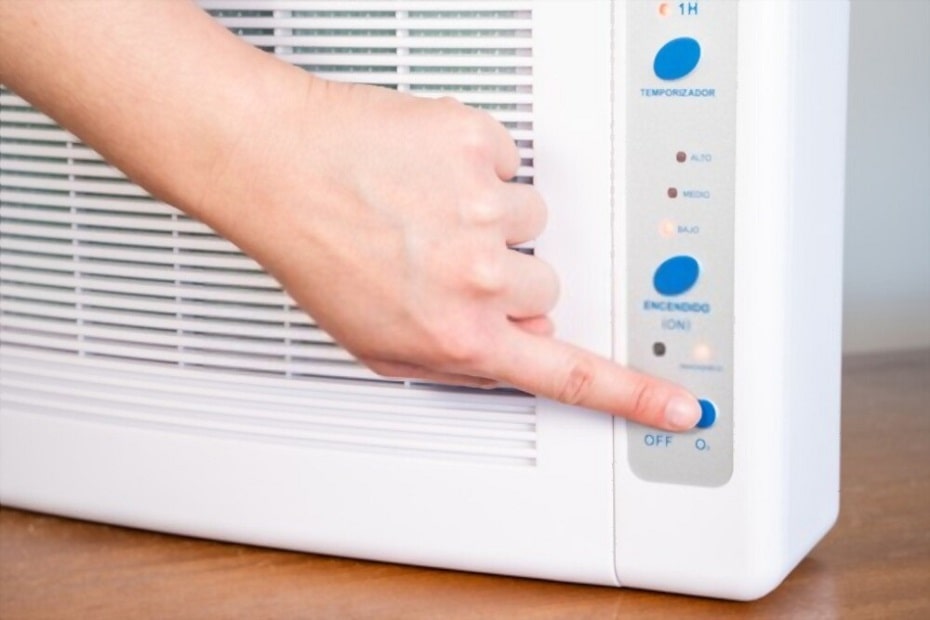
Image Source: www.linquip.com
The Science of Ozone in Your Car
Ozone (O3) is a molecule made of three oxygen atoms. Unlike the stable oxygen we breathe (O2), ozone is highly reactive. This reactivity is what makes it an excellent oxidizer, capable of breaking down organic compounds responsible for odors and killing bacteria, viruses, and mold spores.
When you run an ozone generator, it artificially creates ozone from the oxygen present in the air. This ozone then circulates within the enclosed space of your car, oxidizing and neutralizing odor-causing molecules and microorganisms.
How Ozone Works for Odor Removal
Ozone doesn’t just mask odors; it chemically alters the molecules that cause them. For instance, it can break down the volatile organic compounds (VOCs) that lead to smells like smoke, pet odors, or the lingering scent of spilled food.
The Reactive Nature of Ozone
The same reactive nature that makes ozone a powerful cleaner also makes it a potential irritant. In high concentrations, ozone can irritate the lungs, eyes, and throat. It can also degrade certain materials over time. Therefore, ensuring proper ventilation after treatment is paramount for ozone generator car safety.
Determining the Correct Ozone Car Treatment Time
The duration for which you run the ozone generator in your car depends on several factors:
- Severity of Odor/Contamination: A car with a strong smoke odor or significant mold growth will likely require a longer treatment time than a car with a mild musty smell.
- Size of the Vehicle: Larger vehicles may require slightly longer treatment times to ensure adequate ozone distribution.
- Ozone Generator Output: Generators vary in their ozone production capacity. A more powerful unit might achieve the desired effect in less time.
- Desired Outcome: Are you aiming for basic deodorizing or a deep sanitization?
Typically, an ozone car treatment time can range from 30 minutes to a few hours. It’s crucial to follow the manufacturer’s recommendations for your specific ozone generator.
General Guidelines for Ozone Car Treatment Duration
| Odor/Contamination Level | Recommended Treatment Time (Ozone Generator) |
|---|---|
| Mild Odors (e.g., everyday use) | 30-60 minutes |
| Moderate Odors (e.g., light smoke, pets) | 1-3 hours |
| Severe Odors (e.g., heavy smoke, mold, vomit) | 3-6 hours (or multiple treatments) |
Note: These are general guidelines. Always consult your ozone generator’s manual for precise recommendations.
The Critical Waiting Period: Why It Matters
After the ozone generator has finished its cycle, the waiting period is non-negotiable. This is the time required for the ozone gas to break down back into breathable oxygen.
Ozone Off-Gassing
The term off-gassing ozone car refers to the process where the ozone gas concentration within the vehicle decreases over time. Ozone naturally decomposes. The rate of decomposition depends on factors like temperature, humidity, and the presence of other substances that can react with ozone.
Ozone Generator Car Residual
The goal of the waiting period is to reduce ozone generator car residual levels to a safe and comfortable point. Even after the machine is off, ozone molecules remain in the air. Allowing adequate time ensures these residuals break down.
Safe Ozone Levels Car
Public health organizations, like the EPA, recommend exposure limits for ozone. While direct exposure to high concentrations should be avoided, the aim after a treatment is to bring the ozone levels well below these thresholds. A general rule of thumb is to ensure no noticeable ozone smell remains, which typically indicates safe ozone levels car can be achieved.
The Ozone Car Ventilation Period
Following the initial waiting period, ventilation is the next crucial step. This is the ozone car ventilation period where you actively remove any remaining ozone and ensure fresh air circulation.
Proper Ventilation Techniques
- Open all doors and windows: This is the most effective way to flush out any residual ozone.
- Use fans: If possible, place fans in the car or blowing into the car to accelerate air exchange.
- Allow time: Even after opening doors, give the car ample time to air out.
How Long is the Ventilation Period?
The ozone car ventilation period can vary, but a minimum of 30 minutes to an hour is generally recommended. Combining this with the initial waiting period means you might be looking at a total time of 1 to 3 hours from the moment the ozone generator is turned off until it’s safe to be in the car.
Table: Ozone Treatment Process Timeline
| Stage | Action | Duration | Purpose |
|---|---|---|---|
| Treatment Cycle | Run Ozone Generator | As per manufacturer | Deodorize, sanitize, kill microbes |
| Initial Waiting Period | Keep doors/windows closed | 30 mins – 2 hours | Allow ozone to break down naturally |
| Ventilation | Open all doors/windows, use fans (optional) | 30 mins – 1 hour | Remove residual ozone and introduce fresh air |
| Re-entry | Enter vehicle | Safe to enter | Ozone levels are at safe levels car for human presence |
Factors Affecting the Waiting and Ventilation Time
Several factors can influence how long you need to wait and ventilate:
Temperature and Humidity
- Higher temperatures: Can accelerate ozone decomposition.
- Higher humidity: Can also promote ozone breakdown, as water vapor can react with ozone.
Ventilation Effectiveness
- Wind: A breezy day will help ventilate your car faster.
- Enclosed Garage: If your car is in an enclosed garage during treatment and waiting, ventilation might take longer as there’s less natural air movement.
Ozone Generator Power
Higher output ozone generators might require slightly longer waiting and ventilation periods to ensure all ozone has dissipated.
Safety Precautions for Using an Ozone Generator in Your Car
Ozone generator car safety is paramount. Never remain in a vehicle while an ozone generator is running. Ozone is harmful to living beings.
Before Treatment:
- Remove all living things: Ensure no people, pets, or plants are inside the car.
- Protect sensitive materials: While ozone is generally safe for car interiors, prolonged exposure at high concentrations could potentially affect certain rubber or plastic components. However, for typical ozone car treatment duration and waiting periods, this is rarely an issue. If you have particularly sensitive vintage materials, research their ozone resistance.
- Ensure proper ventilation access: Make sure you can easily open all doors and windows after the treatment.
During Treatment:
- Never stay in the car.
- Place the ozone generator strategically: Ensure good air circulation within the car. Some suggest placing it on the floor to allow ozone to work its way up.
After Treatment:
- Adhere to the waiting period.
- Ventilate thoroughly.
- Avoid strong ozone smell: If you still detect a strong ozone smell after ventilation, ventilate for longer. A faint smell is sometimes unavoidable and will dissipate quickly.
When to Consider an Ozone Car Treatment
An ozone car treatment is an excellent solution for:
- Smoke Odors: Cigarette smoke, wildfire smoke.
- Pet Odors: Urine, dander, wet dog smell.
- Mold and Mildew: From water leaks or high humidity.
- Food Spills: Lingering smells from dropped food or drinks.
- Musty Smells: General staleness in the cabin.
- New Car Smell (VOCs): If the “new car smell” is too strong and bothersome.
- General Sanitization: To kill bacteria and viruses, especially after illness.
An ozone car air purifier is not intended for continuous use while driving, but rather as a periodic deep cleaning treatment.
Frequently Asked Questions (FAQ)
Q1: Can I drive my car immediately after using an ozone generator?
No, you should not drive your car immediately. You must wait for the recommended ozone car ventilation period to ensure the ozone has dissipated to safe levels.
Q2: How long should the ozone generator run in my car?
The ozone car treatment time varies but typically ranges from 30 minutes to several hours, depending on the severity of the issue and the generator’s power. Always refer to your product’s manual.
Q3: What if my car still smells like ozone after the waiting and ventilation period?
If a strong ozone smell persists, it means the ozone generator car residual levels are still too high. Continue ventilating the car for an additional 30-60 minutes. A very faint smell that dissipates quickly upon opening the door is usually normal.
Q4: Is ozone bad for my car’s interior?
While ozone is a powerful oxidizer, when used correctly for typical ozone car treatment duration and with proper ventilation, it is generally safe for most car interiors. Avoid excessively long treatments or failing to ventilate, as prolonged high concentrations could potentially affect some materials.
Q5: How often can I use an ozone generator in my car?
You can use an ozone car air purifier as needed. For persistent odors, you might repeat the treatment. For general maintenance, once every few months or after significant odor events is usually sufficient. Ensure you always follow the safe waiting and ventilation procedures.
Q6: What are considered safe ozone levels car occupants can be exposed to?
For continuous occupational exposure, the EPA recommends limiting ozone levels to 0.12 ppm over an 8-hour workday. After an ozone generator treatment in a car, the goal is to bring the concentration significantly below this level through waiting and ventilation, ideally to near undetectable levels for occupant safety.
By following these guidelines for ozone car treatment time, ozone car ventilation period, and crucial waiting times, you can effectively use an ozone generator to eliminate odors and sanitize your vehicle while ensuring ozone generator car safety for yourself and your car’s interior. Remember, patience and thorough ventilation are key to a successful and safe ozone car treatment.