So, how long does it take to repaint a car? Repainting a car can take anywhere from a few days for a basic repaint to several weeks or even a month for a high-quality, multi-stage finish with extensive prep work. The time involved hinges significantly on the complexity of the job, the chosen paint system, and the overall condition of the vehicle.
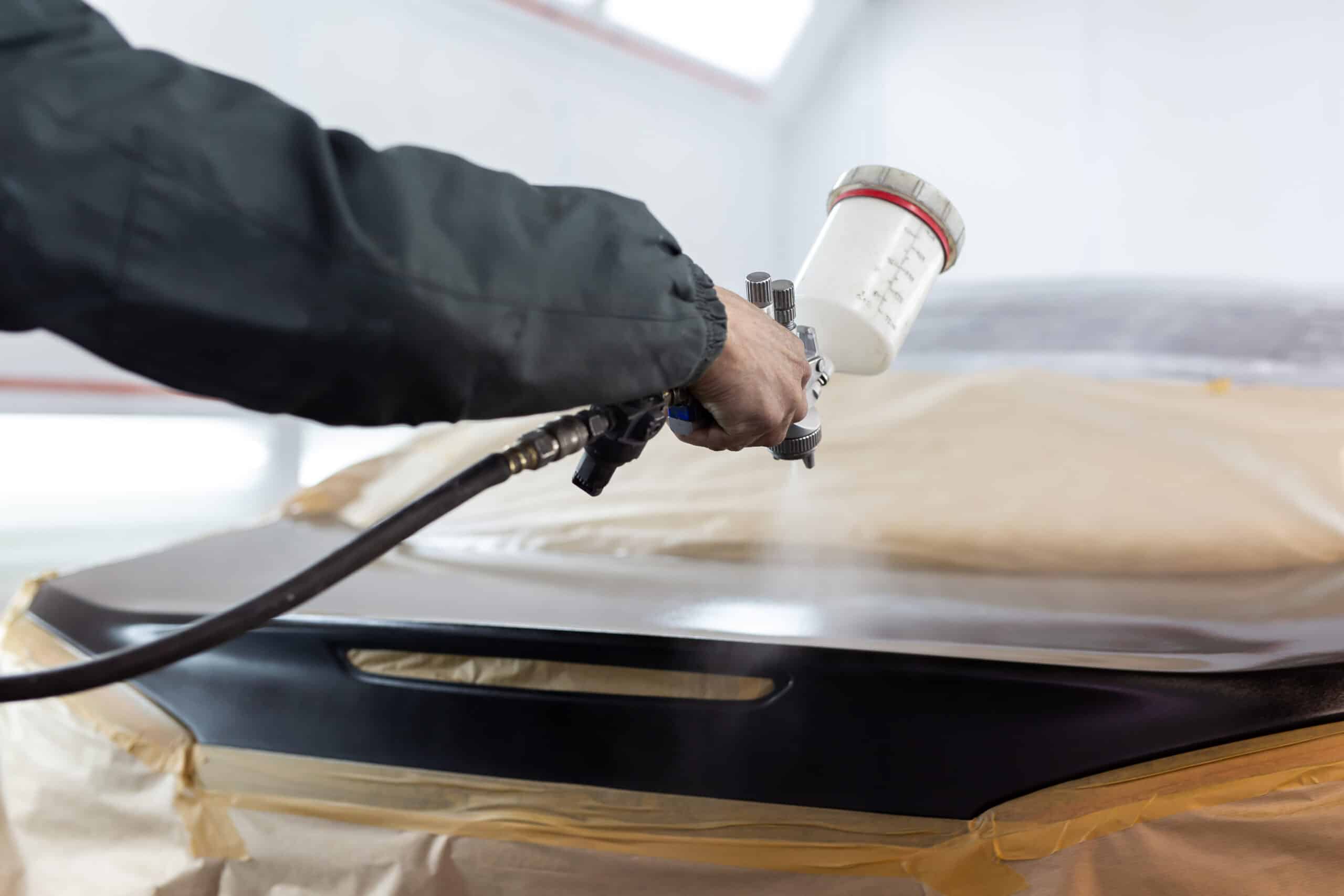
Image Source: valleycollision.com
Deciphering the Painting Process Timeline
When you decide to give your car a fresh coat of paint, it’s more than just spraying some color. It’s a detailed process with several stages. Each step needs its own time to ensure a lasting, beautiful finish. Let’s break down what goes into painting a car and how long each part typically takes.
Preparation: The Foundation of a Great Paint Job
This is the most crucial stage. Good prep work prevents future problems like peeling or bubbling paint. Skipping or rushing here means a less than ideal outcome.
Initial Inspection and Cleaning
Before any paint touches your car, it needs a thorough cleaning. This removes dirt, grease, wax, and tar. A clean surface ensures new paint sticks properly.
- Time: 1-2 hours. This depends on how dirty the car is.
Dent Repair and Bodywork
Any dents, scratches, or rust spots must be fixed. This involves filling, sanding, and priming those areas. If there’s significant damage, this step takes much longer.
- Time: 4-12 hours, or even several days for major repairs.
Disassembly and Masking
To get clean paint lines and avoid overspray, parts like trim, lights, door handles, and mirrors are often removed. Then, all areas not to be painted are carefully masked.
- Time: 2-6 hours.
Feather Sanding and Priming
The entire car is sanded to create a smooth surface for the primer. After sanding, a primer is applied. Primer helps paint adhere better and hides minor imperfections. It’s often sanded again after application.
- Time: 4-8 hours for sanding and priming. Drying time for primer also adds to this.
The Painting Itself: Layers of Color
This is the part most people think of when they hear “repainting a car.” It involves applying several coats of different paint products.
Applying Primer
Primer is applied in thin, even coats. This helps to block contaminants and provide a uniform surface.
- Time: 1-2 hours for application.
- Drying Time: Primer usually needs to dry for at least 4-8 hours, sometimes overnight, before sanding.
Sanding Primer
After the primer has dried, it’s sanded smooth. This step is vital for a flawless finish. Any imperfections in the primer will show through the topcoat.
- Time: 2-4 hours.
Basecoat Application
This is the color layer. It’s usually applied in multiple thin coats. The goal is to achieve an even color saturation.
- Time: 2-4 hours for application.
Automotiv Paint Recoat Time (Between Basecoats)
There’s a specific window for applying subsequent coats of basecoat. This is the automotive paint recoat time. You can’t spray the next coat too soon, or too late. Usually, it’s about 15-30 minutes between coats.
- Time: Included within the basecoat application time.
Clearcoat Application
This is the protective top layer. It provides gloss and protects the basecoat from UV rays, scratches, and chemicals. Clearcoat is also applied in multiple thin coats.
- Time: 2-3 hours for application.
Time to Clear Coat Car
The time to clear coat car is a critical point. You must wait the correct interval after the basecoat has flashed off but before it becomes too hard. This ensures proper adhesion between layers. This waiting period is usually short, around 15-30 minutes after the final basecoat.
- Time: Included within the clearcoat application time.
Drying and Curing: Patience is Key
This is where many DIY painters run into trouble. Paint doesn’t just dry; it cures. Car paint drying time and auto paint curing time are different things.
Flash Off Time
After each coat of paint (primer, basecoat, clearcoat), there’s a “flash off” period. This is when solvents evaporate from the paint, allowing the next coat to be applied without runs or sags.
- Time: 15-30 minutes between coats.
Car Paint Drying Time
“Dry to touch” means you can lightly touch the surface without leaving a mark. This is a surface-level dryness.
- Time: 24-48 hours for most modern paint systems to be dry to touch.
Auto Paint Curing Time
Curing is a chemical process where the paint hardens and reaches its maximum durability. This takes much longer than just drying.
- Time: 30-90 days for a full cure. The paint is hardened enough to handle within a few days, but full chemical resistance and hardness take much longer.
How Long to Bake Car Paint
In professional shops, ovens are used to speed up the drying and curing process, especially for basecoat/clearcoat systems. This is called baking. Baking helps solvents evaporate faster and can accelerate the curing process.
- Time: Baking typically involves several hours at controlled temperatures, often around 140-160°F (60-71°C). This can reduce the initial drying and hardening time significantly, but the full cure still takes time.
Reassembly and Finishing Touches
Once the paint is dry enough, the masked parts are removed, and any disassembled components are put back.
Reassembly
Putting everything back together requires care to avoid scratching the fresh paint.
- Time: 2-6 hours.
Polishing and Buffing
After a few days of curing, the paint can be polished and buffed to remove minor imperfections like dust nibs or orange peel and to enhance gloss.
- Time: 4-8 hours.
How Long Before Waxing Car
You shouldn’t wax a freshly painted car immediately. Wax can interfere with the curing process.
- Time: Wait at least 30-90 days before applying wax or any paint sealant to allow the paint to fully cure.
Total Painting Timeline: Putting It All Together
Here’s a general breakdown of how long a full repaint might take, depending on the level of quality and prep involved.
Basic Repaint (Single Stage or Quick Job)
This might be for older vehicles where a show-quality finish isn’t the primary goal. Minimal prep, maybe just a wash and scuff.
- Prep: 4-8 hours
- Painting: 2-4 hours
- Drying (touch dry): 24 hours
- Reassembly: 1-2 hours
- Total: Approximately 31-50 hours (spread over 2-4 days).
Standard Repaint (Most Common)
This involves decent prep work, proper masking, primer, basecoat, and clearcoat. This is what most people expect from a professional job.
- Prep: 10-20 hours
- Painting (including flash times): 4-6 hours
- Primer drying/sanding: 6-12 hours
- Basecoat drying: 15-30 minutes between coats
- Clearcoat drying: 15-30 minutes between coats
- Initial drying (touch dry): 24-48 hours
- Reassembly: 2-4 hours
- Buffing/Polishing: 4-8 hours
- Total: Approximately 50-100 hours (spread over 3-7 days).
High-Quality, Showroom Finish Repaint
This involves meticulous prep, extensive bodywork, wet sanding between coats, multiple layers of high-quality paint, and professional buffing.
- Prep (including bodywork): 30-80+ hours
- Painting (including flash times and multiple layers): 6-10 hours
- Primer drying/sanding: 8-16 hours
- Basecoat drying: 15-30 minutes between coats
- Clearcoat drying: 15-30 minutes between coats
- Wet Sanding between coats: 4-8 hours
- Initial drying (touch dry): 24-48 hours
- Reassembly: 4-8 hours
- Extensive Buffing/Polishing: 8-16 hours
- Total: Approximately 100-200+ hours (spread over 1-3 weeks).
Factors Influencing the Painting Timeline
Several elements can speed up or slow down the entire process.
Skill Level of the Painter
An experienced professional painter will work more efficiently and with fewer mistakes than a beginner. This affects prep, application, and finishing.
Type of Paint Used
- Single-stage paints: These combine color and gloss in one layer. They are quicker to apply but generally less durable and glossy than basecoat/clearcoat systems.
- Basecoat/Clearcoat systems: These require more steps (basecoat application, flash-off, clearcoat application) but offer a deeper gloss and better protection. This adds to the overall time.
Drying and Curing Conditions
Temperature, humidity, and airflow significantly impact car paint drying time and auto paint curing time.
- Temperature: Warmer temperatures speed up solvent evaporation. Too hot can cause problems.
- Humidity: High humidity slows down drying.
- Ventilation: Good airflow helps solvents escape, speeding up drying.
Vehicle Paint Drying Steps
Following proper vehicle paint drying steps is crucial. This includes the flash-off time between coats and the initial drying before moving the vehicle. Rushing these steps can lead to defects that are hard to fix later.
Equipment Used
Professional spray booths with proper ventilation and temperature control can significantly reduce drying times compared to an open-air garage. Infrared drying lamps can also speed up the process. The effectiveness of how long to bake car paint depends heavily on the equipment.
Complexity of the Vehicle Design
Cars with complex body lines, numerous trim pieces, or intricate designs naturally take longer to mask and paint precisely.
Environmental Factors
If you’re painting outdoors or in an uncontrolled environment, dust, insects, and weather can cause issues, leading to more sanding and rework.
Paint Drying Times: A Closer Look
Let’s delve deeper into the various drying times involved in repainting a car.
Paint Drying Time Interior
While most focus is on the exterior, if you’re painting interior parts like dashboards or trim, similar principles apply. The paint drying time interior can be affected by enclosed spaces which might limit airflow, potentially slowing down solvent evaporation if not properly ventilated. However, interior components are often smaller and can be dried more easily with targeted heat or ventilation.
Flash Times vs. Dry Times vs. Cure Times
It’s essential to distinguish these:
- Flash Time: The short period (15-30 mins) between coats for solvents to evaporate enough so the next coat doesn’t cause runs.
- Dry to Touch: The surface feels dry when lightly touched (24-48 hours). The paint is not yet fully hardened.
- Dry to Handle: The paint is hard enough to be carefully handled, buffed, or reassembled without damage (typically 3-7 days).
- Full Cure: The paint reaches its maximum hardness and chemical resistance (30-90 days).
Applying Clearcoat: Critical Timing
The time to clear coat car is a precise window. After the basecoat has flashed off sufficiently, the clearcoat needs to be applied. If applied too soon, the solvents in the clearcoat can interact with the basecoat, causing problems like blistering or poor adhesion. If applied too late, the basecoat may become too hard, leading to poor adhesion and potential delamination later. This timing is crucial for the longevity and appearance of the paint job.
Recoat Time for Automotive Paint
The automotive paint recoat time is a fundamental aspect of achieving a layered paint finish. Each layer of primer, basecoat, or clearcoat needs a specific interval before the next layer can be applied. This allows the solvents to escape efficiently. For example, most automotive paints recommend recoat windows of 15-30 minutes after the previous coat has flashed off. Deviating from these times can compromise the paint’s integrity.
Frequently Asked Questions (FAQ)
Can I speed up car paint drying?
Yes, you can. Professional shops use baking ovens or infrared lamps to accelerate solvent evaporation and curing. Proper ventilation and controlled temperatures in a paint booth also help. For DIY painters, ensuring good airflow and a warm, dry environment is key. However, never use heat too intensely, as it can damage the paint.
How long does it take for a whole car to dry completely?
While a car’s paint might feel dry to the touch in 24-48 hours, it takes much longer for the paint to fully cure and reach its maximum hardness and durability. This full curing process can take anywhere from 30 to 90 days, depending on the paint type and environmental conditions.
Is it okay to wash a freshly painted car?
It’s best to avoid washing or waxing a freshly painted car for at least 30-90 days. Washing can apply pressure and introduce detergents that might not be ideal for the still-curing paint. Waxing or applying sealants should also wait until the paint has fully cured, as these can interfere with the curing process.
What happens if I don’t wait long enough between paint coats?
If you apply coats too soon without adequate flash-off time, solvents can get trapped. This can lead to soft paint, runs, sags, bubbling, or poor adhesion. The paint may appear dull or may delaminate over time.
Can I paint a car in my garage?
You can paint a car in a garage, but it requires careful preparation. You need good ventilation to remove fumes and dust. Using a portable paint booth or even heavy plastic sheeting can help control dust and overspray. Ensure the garage is clean and free of any potential contaminants before you start.
How long to bake car paint?
The time it takes to bake car paint varies based on the paint system and the oven’s temperature. Typically, a bake cycle might involve bringing the car to a temperature of around 140-160°F (60-71°C) for several hours (e.g., 30 minutes to 2 hours) to accelerate drying and initial curing. This is a professional technique to speed up the process significantly compared to air drying.
What is the time to clear coat car?
The time to clear coat car refers to the interval between applying the final basecoat and the first clearcoat. This is usually short, about 15-30 minutes, allowing the basecoat solvents to flash off but before the basecoat hardens too much, ensuring good adhesion.
By following these timelines and understanding the importance of each step, you can achieve a professional-looking paint job that lasts. Patience during the drying and curing phases is your most valuable tool for a durable and beautiful finish.