How long does car paint take to cure? Car paint typically takes 24 to 72 hours for initial hardening, but a full cure can take 30 days or even longer, depending on the paint type and environmental conditions. This guide dives deep into the automotive paint curing process, explaining everything you need to know about car paint drying time, how long before waxing car paint, and what factors influence the car paint hardening timeline for achieving full cure automotive paint.
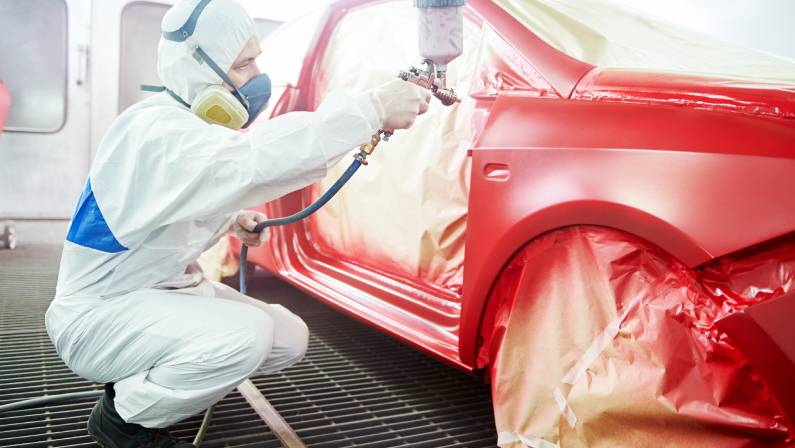
Image Source: status-automotive.com
Deciphering the Paint Curing Timeline
When you get your car painted, it’s not just about looking shiny. The paint needs time to harden properly. This process is called curing. It’s crucial to let the paint cure fully to ensure a durable, long-lasting finish. Rushing this can lead to problems later.
What Happens During the Automotive Paint Curing Process?
The curing process for automotive paint is a chemical reaction. It’s not just about the water or solvents evaporating. For many modern paints, especially urethanes and acrylic lacquers, curing involves chemical cross-linking. This means molecules within the paint bond together to form a strong, solid film.
Here’s a breakdown of the stages:
- Flash Off: This is the initial evaporation of solvents or water from the paint. It happens relatively quickly, usually within minutes to an hour. The paint will feel dry to the touch.
- Hardening: During this phase, the paint film begins to form a surface skin. It’s more resistant to minor abrasions, but it’s not fully hardened yet. This is often when you can touch the paint without leaving a mark.
- Curing: This is the critical stage where the chemical cross-linking takes place. The paint molecules bond together, creating a strong, durable layer. This process is gradual and can take weeks.
Factors Influencing Car Paint Drying Time
Several elements can speed up or slow down how long it takes for car paint to cure:
- Type of Paint: Different paint formulations have different curing times.
- Single-stage paints: These dry and cure relatively quickly. They contain pigment and binder in one layer.
- Basecoat/Clearcoat systems: These have two parts. The basecoat (color) dries quickly, but the clearcoat (gloss and protection) takes longer to cure. The clearcoat is where the main chemical curing happens.
- Waterborne paints: These are becoming more common for environmental reasons. They release water instead of solvents, and their curing can be influenced by humidity.
- Enamels and Lacquers: Older types of paint that might have longer drying and curing periods.
- Temperature: Higher temperatures generally speed up the curing process.
- Humidity: High humidity can slow down the curing process, especially for waterborne paints. Very low humidity can also be problematic as it might cause the surface to dry too quickly, hindering proper cross-linking.
- Airflow: Good ventilation helps remove evaporated solvents and moisture, aiding in curing.
- Paint Thickness: Thicker coats of paint will take longer to cure than thin ones.
- Hardener/Activator Ratios: If a two-part paint system is used, the correct ratio of hardener to paint is crucial. Incorrect ratios can affect curing.
The Countdown: How Long to Wait After Painting Car
Knowing how long to wait after painting car is essential. This timeline dictates when you can start handling the car and when it’s truly ready for protective measures.
Initial Hardening vs. Full Cure
It’s important to distinguish between the paint feeling dry and being fully cured.
- Dry to Touch: This usually happens within a few hours. You can touch the surface without it sticking to your fingers.
- Hardened: After 24-72 hours, the paint will feel harder. You might be able to gently handle the car or even move it. However, it’s still vulnerable.
- Full Cure: This is when the chemical cross-linking is complete. The paint has reached its maximum hardness and durability. This can take anywhere from 30 days to 90 days.
Clear Coat Drying Time and Base Coat Curing
In a basecoat/clearcoat system, both layers have their own timelines:
- Base Coat Curing: The base coat (color layer) typically flashes off quickly and is dry to the touch within 15-30 minutes. It needs to be recoated within a specific window (recoat time) to ensure proper adhesion between layers.
- Clear Coat Drying Time: The clear coat also has an initial flash-off period, but its curing process is much longer. It continues to harden and cross-link over several weeks. The clear coat drying time is a significant factor in the overall car paint hardening process.
Recoat Time for Car Paint
Recoat time for car paint refers to the window of opportunity to apply subsequent layers of paint or clear coat for optimal adhesion. If you wait too long between coats, the surface can become too hard, and the new layer might not bond properly, leading to delamination.
- Base Coat to Clear Coat: Typically, you have a short window, often within 30 minutes to 2 hours, after the base coat has flashed off but is still slightly tacky. This ensures chemical bonding.
- Clear Coat Recoat: If applying multiple clear coats, there’s usually a recoat window of several minutes to a few hours between coats, allowing solvents to flash off before the next layer is applied.
Protecting Your Fresh Paint: Waxing and Beyond
A common question is how long before waxing car paint. Waxing too soon can interfere with the curing process.
When Can You Wax Car Paint?
You should never wax car paint until it is fully cured. Applying wax before this can trap solvents, hinder the chemical cross-linking, and prevent the paint from reaching its maximum hardness. This can lead to a dull finish or even paint failure down the line.
- Recommended Wait Time: Wait at least 30 days after the final clear coat application before waxing or applying any paint protection products. Some professionals recommend waiting up to 60 or even 90 days for ultimate peace of mind and maximum durability.
Other Aftercare Considerations
Beyond waxing, there are other precautions to take:
- Avoid Automatic Car Washes: The brushes and harsh chemicals in automatic car washes can scratch or damage freshly cured paint. Stick to hand washing with a pH-neutral car shampoo.
- Gentle Washing: When you do wash the car, use a soft microfiber mitt and plenty of car wash soap. Rinse thoroughly.
- Avoid Harsh Chemicals: Stay away from abrasive cleaners, degreasers, or solvents on the new paint.
- Bird Droppings and Tree Sap: These can etch into uncured paint quickly. Remove them as soon as possible with a gentle car wash solution and a soft cloth.
- Parking: If possible, park the car in a shaded area. Direct sunlight can heat the paint, which can affect curing, especially in the early stages. However, moderate warmth generally helps.
- Touch-Up Paint: Avoid touching up minor imperfections for at least 30-60 days to allow the original paint to stabilize.
The Role of Paint Curing Temperature
Paint curing temperature plays a significant role in how quickly and effectively automotive paint hardens.
Ideal Curing Temperatures
Most automotive paints perform best within a specific temperature range.
- Ideal Range: Generally, 65°F to 80°F (18°C to 27°C) is considered the optimal temperature range for most paint curing processes.
- Lower Temperatures: Curing will be significantly slower in cooler temperatures. Below 50°F (10°C), some paints may not cure properly at all.
- Higher Temperatures: While warmer temperatures can speed up curing, excessively high temperatures (above 90°F or 32°C) can sometimes lead to issues like solvent popping or premature surface drying, hindering proper cross-linking.
Infrared Curing (Baking)
Professional auto body shops often use infrared curing lamps or bake ovens to accelerate the curing process.
- How it Works: These lamps emit infrared radiation, which heats the paint from within, speeding up the chemical reactions.
- Benefits: This can drastically reduce the waiting time, sometimes bringing the curing time down to a few hours or a day. However, even with baking, a period of ambient curing is still beneficial for the paint to reach its ultimate hardness.
Common Questions About Car Paint Curing
Let’s address some of the most frequently asked questions regarding car paint curing.
How Long For Car Paint To Cure?
As mentioned, the initial hardening takes 24-72 hours, but full cure for automotive paint typically takes 30 days.
How Long Before Waxing Car Paint?
Wait at least 30 days, and preferably 60-90 days, before waxing car paint.
What is the Clear Coat Drying Time?
While the clear coat feels dry to the touch within hours, the chemical curing process for the clear coat can take 30 days or more.
What is Base Coat Curing Like?
The base coat cures by solvent evaporation and needs to be recoated within a specific window, usually a few hours, for proper adhesion to the clear coat.
How Long to Wait After Painting Car Before Touching Up?
It is best to wait at least 30-60 days before attempting any touch-ups on freshly painted cars.
Does Paint Curing Temperature Matter?
Yes, paint curing temperature is very important. Ideal temperatures range from 65°F to 80°F (18°C to 27°C). Cooler temperatures slow down curing, and extreme heat can cause problems.
What is Recoat Time for Car Paint?
Recoat time for car paint is the window between applying coats for optimal adhesion. For base coat to clear coat, this is typically within 30 minutes to 2 hours after flashing.
How Does Car Paint Hardening Occur?
Car paint hardening is a chemical process involving cross-linking of paint molecules, not just solvent evaporation.
What Does Full Cure Automotive Paint Mean?
Full cure automotive paint means the paint has completed its chemical curing process, achieving maximum hardness and durability.
What Affects Car Paint Drying Time?
Factors like paint type, temperature, humidity, airflow, paint thickness, and hardener ratios all affect car paint drying time.
Conclusion: Patience is Key
Achieving a flawless, long-lasting finish on your car after a paint job relies heavily on allowing the paint to cure properly. This means adhering to the recommended timelines for car paint drying time, respecting the clear coat drying time, and waiting for full cure automotive paint before applying protective waxes or taking your car through harsh wash cycles. By understanding the automotive paint curing process and the influence of paint curing temperature, you can ensure your investment in a new paint job pays off for years to come. Remember, patience is truly a virtue when it comes to car paint!