So, you want to know how long it takes to get your car painted? For a complete, professional car paint job, the quick answer is usually 3 to 10 days. If you just need one car panel painted, it might take less time, perhaps 1 to 3 days. But this is just an average time for car paint job. The actual car paint job duration can change a lot based on many different things.
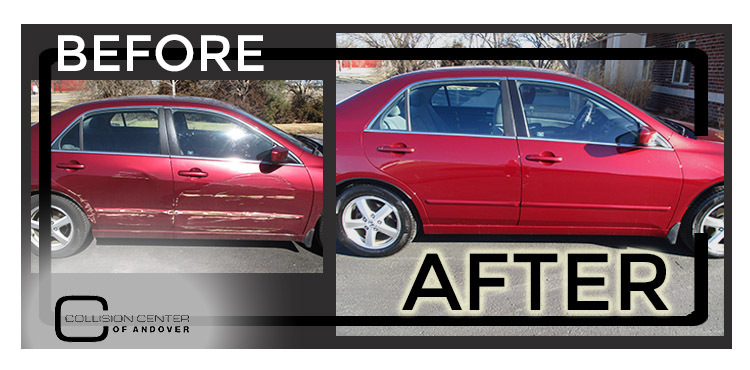
Image Source: collisioncenterofandover.com
Why Painting a Car Takes Time
Painting a car is not just spraying on color. It is a detailed process. Many steps are involved. Each step takes time. Getting a good result means doing each part right. Rushing can cause problems. Shops want your car to look good. They follow a careful plan. This is the usual professional car painting timeline.
Steps in Painting a Car and How Long They Take
Getting a car painted involves several key steps. Each one adds to the total auto body paint time frame. Here is a look at the main parts of the car painting process steps duration:
Getting the Car Ready (Preparation)
This is often the longest step. It is also the most important. If the surface is not perfect, the new paint will not look good. It will not stick well either.
- Cleaning the Car: First, the car gets very clean. They wash away all dirt, grease, and grime. This takes a few hours.
- Checking the Car: The shop looks at the car closely. They find all the dents, scratches, and rust. This might take an hour or two.
- Taking Parts Off: Things like door handles, lights, trim, and bumpers are often taken off. This helps the painter cover the whole car well. It stops paint from getting where it should not be. This can take a few hours, or even a full day for complex cars.
- Fixing the Body: Dents are pulled out. Bondo or body filler is used to make surfaces smooth again. This requires skill. Filling and sanding happen many times. This step can take 1 to 3 days, or even longer if there is a lot of damage or rust. Rust must be fully removed. If not, it will come back.
- Sanding the Old Paint: The old paint surface is sanded. This makes it rough so the new primer can stick. How much sanding is needed depends on the old paint. If the old paint is bad, they might sand down to the metal. This takes time. It can take a half-day to a full day or more.
- Masking the Car: Parts that are not being painted are covered up. Windows, wheels, and the inside of the car are taped off with special paper and plastic. This protects them from overspray. Masking is very important. It takes several hours.
Putting on Primer
Primer is a special base layer. It helps the new paint stick better. It also helps hide small marks from sanding.
- Mixing and Spraying Primer: The primer is mixed. Then it is sprayed evenly over the car. This takes an hour or two.
- Drying Primer: Primer needs time to dry. This can take from a few hours to a full day. It depends on the type of primer and the shop’s drying method. Some shops use heat lamps to speed this up.
- Sanding Primer: Once the primer is dry, it is sanded smooth again. This makes a perfect base for the color. This sanding takes a few hours. It is a fine sanding.
Applying the Color (Base Coat)
This is where the car gets its new color. The paint is sprayed in thin layers.
- Mixing Paint: The painter mixes the car’s color perfectly. They use a special paint code for your car. This ensures the color is right.
- Spraying Base Coat: Thin coats of color are sprayed on. Several coats are needed to get good coverage. The painter waits a short time between coats for the paint to ‘flash off’. This means the solvents start to evaporate. Spraying all the base coats can take a few hours.
- Drying Base Coat: The base coat needs to dry enough before the clear coat is added. This usually takes 1 to 2 hours, depending on conditions and paint type.
Adding the Clear Coat
Most modern car paints have a clear coat on top of the color. This clear layer protects the color. It also makes the paint look shiny.
- Mixing and Spraying Clear Coat: The clear coat is mixed and sprayed over the base coat. Like the base coat, it is applied in several thin layers. Spraying takes an hour or two.
- Drying Clear Coat: The clear coat needs to dry. This takes longer than the base coat. It might take several hours. Again, heat lamps or a heated paint booth can speed this up.
Drying and Curing
This is a key part of the car paint job duration. There is a difference between paint being dry to the touch and being fully cured.
- Paint Drying: Paint is dry when the solvents have mostly evaporated. It feels dry when you touch it lightly. This often happens within a few hours of spraying the clear coat.
- Paint Curing: Curing is a chemical process. The paint hardens completely. This makes it durable. Curing takes much longer than drying. Paint is usually cured enough to handle and reassemble the car in 1 to 2 days in a professional shop with a heated booth. But full curing, where the paint is at its hardest, can take much longer. We will talk more about how long for automotive paint to cure later.
Putting the Car Back Together
Once the paint is dry enough, the shop puts the car parts back on. Bumpers, lights, handles, and trim are reattached. This takes a few hours.
Final Polishing and Inspection
The freshly painted car gets a final polish. This makes the shine even better. The painter checks the whole car carefully. They look for any small flaws. They clean the car one last time. This step takes a few hours.
Adding up all these steps, you can see why a full car paint job takes several days. It is a detailed process that cannot be rushed if you want a good, long-lasting finish.
Factors That Change Car Paint Time
Many things can speed up or slow down the time to repaint a car. Knowing these helps you understand the quoted car paint job duration.
The Condition of Your Car
This is a big factor.
* Damage Level: Does your car have many dents? Is there a lot of rust? Fixing body damage and removing rust takes a lot of time. A car with no damage, only needing a color change, will be faster. A rusty car needing rust repair and panel replacement takes much longer.
* Old Paint: What is the condition of the old paint? If the old paint is peeling or cracked, it must be removed completely. This adds many hours of work, mostly sanding. If the old paint is in good shape, the new paint can sometimes go right over it after sanding.
The Size of Your Car
A small car needs less paint and takes less time to sand and mask than a large SUV or truck.
The Type of Paint and Color
- Paint Quality: Better quality paints might apply more smoothly or cure faster.
- Paint Type: Simple single-stage paints are faster than base coat/clear coat systems. Special paints, like metallics, pearls, or candies, need extra care and often more coats. This adds time.
- Color Change: Changing the color of your car takes more time than painting it the same color. When you change color, the painter must be very careful to paint all the old color. This includes inside door jambs, under the hood, and inside the trunk. This requires more masking and more spraying. It adds to the auto body paint time frame.
How Good You Want the Paint to Look
- Basic Job: A basic paint job focuses on changing the color. Small flaws might still show. Prep work might be less detailed. This is faster.
- Standard Job: This is what most people get. It looks good. Body work fixes most damage. The paint is smooth. This takes the average time (3-10 days).
- Show Car Job: This is for cars that need to look perfect. Every tiny dent is fixed. The body is made perfectly straight. The paint is applied with great care. It is often sanded and polished many times after curing. This type of job takes much, much longer, maybe several weeks or even months. The professional car painting timeline for a show car is very extended.
The Shop’s Tools and Space
- Paint Booth: A professional shop uses a special paint booth. This room is clean and has controlled temperature and airflow. Many booths also have ovens. A heated booth helps paint dry and cure faster. This reduces the how long does car paint take to dry time and how long for automotive paint to cure time.
- Shop Workload: How busy is the shop? If they have many cars already, it will take longer for them to start yours.
The Number of Panels Being Painted
- One Panel: If you only need one door or fender painted, it is much faster than a whole car. How long to paint one car panel? As mentioned earlier, this might take 1 to 3 days. The process is similar but on a smaller area. They still need to prep that panel, mask the rest of the car, spray primer, color, and clear, then let it dry.
- Multiple Panels/Sections: Painting a few panels takes less time than a full car but more than one panel.
Weather and Environment (for DIY)
If you are painting your car yourself outside or in a basic garage, weather matters. Humidity and temperature affect how paint dries. Dust can ruin a paint job. Professional shops control these things. This is why the professional car painting timeline is more predictable than DIY.
All these factors affecting car paint time explain why shops give time estimates, not exact times.
How Long Does Car Paint Take to Dry? And How Long to Cure?
This is a point of confusion for many people. Drying and curing are different.
Drying
Paint drying is when the liquid parts (solvents) in the paint evaporate. The paint becomes dry to the touch. You can often touch it lightly without leaving a mark. This happens relatively quickly.
- Base coat usually dries in minutes between coats.
- Clear coat can be dry to the touch in a few hours, especially in a heated booth.
- In normal room temperature and air, this might take overnight.
When paint is dry, you can handle the car gently. You can put parts back on. But the paint is still soft and easy to scratch or damage.
Curing
Paint curing is a chemical reaction. The paint hardens and becomes strong. Think of it like concrete setting. It is dry quickly but takes time to reach full strength.
- In a professional shop with a heated paint booth, the paint is usually cured enough to handle and polish in 24 to 48 hours. This is why you can usually pick up your car after a few days.
- But the paint does not reach its full hardness right away. How long for automotive paint to cure completely? This can take much longer. It might take 30 to 90 days for the paint to become fully hard and durable. This depends on the type of paint (urethane is common and cures well) and the conditions.
During this longer curing time (the first month or two), you should be extra careful with the new paint.
Why the Difference Matters
Knowing the difference is important.
* You can drive the car once the paint is dry and the car is put back together (usually 1-2 days after painting in a shop).
* But you should not wash the car with strong soaps or take it through a car wash for at least a few weeks (follow the shop’s advice, maybe 30 days).
* Avoid parking under trees where sap or bird droppings can fall on the paint, as they can damage the still-soft finish.
* Avoid waxing the car during the curing period (again, follow shop advice, maybe 60-90 days). Wax can trap solvents still coming out of the paint.
The shop will tell you the best way to care for your new paint during the curing phase. This is part of the professional car painting timeline they manage.
Single Panel vs. Full Car Paint Time
Let’s look closer at the difference in time.
-
How long to paint one car panel?
- Prep (cleaning, sanding, maybe small dent repair): A few hours to a day.
- Masking: A few hours (need to protect the whole rest of the car well).
- Primer, Paint, Clear: Spraying takes a few hours.
- Drying/Curing (enough to handle): 1-2 days in a shop.
- Reassembly and Polish: A few hours.
- Total auto body paint time frame for one panel: 1 to 3 days. This assumes the shop can fit the smaller job into their schedule quickly.
-
How long does a full car paint job take?
- Full Prep (cleaning, major dent/rust repair, full sanding, taking parts off): 2 to 4 days, maybe more for bad condition.
- Full Masking: Most of a day.
- Primer: Application and drying, half a day to a full day.
- Base Coat: Spraying and drying, half a day.
- Clear Coat: Spraying and drying, half a day.
- Drying/Curing (enough to handle): 1 to 2 days in a heated booth.
- Reassembly: Half a day to a full day.
- Final Polish/Inspection: Half a day.
- Total car paint job duration: Adding it up roughly gets you to the 3 to 10 days range, depending heavily on the prep work needed.
So, while the painting part (spraying primer, color, clear) is relatively fast, it is all the before and after work that takes most of the time. The car painting process steps duration is dominated by preparation and drying/curing.
Why Professionals Are Faster (and Better)
You might think about painting your car yourself to save money. But a professional shop offers many advantages that speed up the time to repaint a car and give a better result.
- Skill and Experience: Professional painters know how to prep, mix paint, and spray evenly. They avoid common mistakes like runs or uneven coverage.
- Proper Tools: They have the right sanders, spray guns, air compressors, and safety gear.
- Clean Environment: A dedicated paint booth keeps dust out. This is very hard to do at home. Dust landing on wet paint ruins the finish.
- Controlled Drying: Heated booths significantly reduce how long does car paint take to dry and speeds up the initial curing.
- Knowledge: They know the best products and methods for different cars and paints.
Trying to paint a car yourself can take much longer. You have to learn how to do everything. You might make mistakes that need fixing. Getting a clean, smooth finish without a paint booth is very difficult. While a DIY paint job might save money upfront, it usually takes much more time to repaint a car for a beginner. The result is often not as good or durable as a professional car painting timeline allows for.
Getting an Estimate
When you take your car to a shop for a paint estimate, they look at several things to figure out the car paint job duration and cost.
* The size and type of vehicle.
* The current condition (damage, rust, old paint).
* The desired level of quality.
* The color you want (especially if changing color or choosing a special paint).
* If parts need replacing.
Based on this, they give you an estimated auto body paint time frame. This timeline includes all the steps, from teardown to final polish. It accounts for drying and initial curing time in their shop.
Remember, the 3-10 day estimate is for the car to be ready for you to pick up. The paint is dry and handled. But it is still curing for the next few weeks or months. The shop will give you instructions on caring for it during this final cure time.
Key Takeaways on Car Paint Time
- A full professional car paint job usually takes 3 to 10 days.
- Painting just one panel takes less time, often 1 to 3 days.
- The longest parts of the car painting process steps duration are the preparation (fixing damage, sanding) and the drying/initial curing.
- Many factors affecting car paint time include the car’s condition, size, type of paint, desired quality, and shop methods.
- How long does car paint take to dry (to the touch) is much faster than how long for automotive paint to cure (full hardness). Drying is hours; curing is weeks or months.
- Professional shops are faster and better than DIY because they have skill, proper tools, a clean environment, and controlled drying.
- The professional car painting timeline is an estimate based on the work needed.
So, while you get a Quick Answer! for the total time the car is at the shop, the journey to a perfect paint finish involves many careful steps that simply take time to do right. The average time for car paint job reflects this detailed process.
Frequently Asked Questions
Here are answers to some common questions about car painting time.
How long should I wait to wash my car after painting?
You should usually wait about 30 days before washing your car with soap. Just rinsing it with water is okay sooner, maybe after a week or two. Using car washes with brushes should be avoided even longer. Strong chemicals or harsh brushes can damage the paint while it is still curing. Always ask your paint shop for their specific recommendation.
How long before I can wax my newly painted car?
It is best to wait even longer before waxing. Wax can trap tiny amounts of solvents still coming out of the paint as it cures. Most shops recommend waiting at least 60 to 90 days before applying wax or paint sealant. Again, follow the advice given by the shop that painted your car.
Does the color I choose change how long it takes to paint the car?
The color itself usually does not add much time to the auto body paint time frame, unless it is a very complex multi-stage paint (like some pearls or candies). However, if you are changing the color of your car, it takes significantly longer than painting it the same color. This is because the painter must paint areas like door jambs, under the hood, and inside the trunk edges to hide the old color completely. This requires much more detailed masking and spraying time.
Can I drive my car right after picking it up from the paint shop?
Yes, in almost all cases, you can drive your car as soon as you pick it up from a professional shop. The paint is dry enough to handle and drive safely. Just remember the paint is still in its longer curing phase, so treat it gently for the first few weeks. Avoid parking under things that could drip onto the paint, and be careful where you park to avoid scratches or dents.
Is painting one car panel really faster than a full car?
Yes, absolutely. While the process steps (prep, prime, paint, clear, dry) are similar for a panel and a whole car, they apply to a much smaller area. Less bodywork is typically needed. Less sanding is required. Masking is faster (though still critical). Less paint is used. Drying time for the paint on the panel is the same, but the total labor is much less. So, how long to paint one car panel is always a shorter car paint job duration than a full vehicle.
What is the biggest factor that makes a paint job take longer?
Generally, the amount of preparation work needed on the car’s body is the biggest factor. A car with a lot of dents, rust, or peeling old paint needs many hours of bodywork, sanding, and surface correction before any primer or paint is sprayed. This prep time adds days to the time to repaint a car.
What’s the difference between a ‘bake’ cycle and just air drying?
A ‘bake’ cycle happens in a heated paint booth. The temperature is raised (maybe 140-160°F) for a period of time after the clear coat is applied. This heat significantly speeds up the drying of solvents and starts the curing process much faster than air drying at room temperature. This is a key part of why the professional car painting timeline is much shorter for initial drying and handling compared to painting outside or in a normal garage. It helps achieve the average time for car paint job quoted by shops.
Does a cheaper paint job take less time?
Often, yes, but not necessarily in a good way. A cheaper paint job might skip or rush steps, especially the preparation and masking. They might use less expensive materials that don’t require as much fine-tuning. While the car might be ready sooner, the paint job is less likely to last as long, may show flaws, or could peel or fade faster. The car paint job duration for a low-cost job might be shorter because the quality is lower. The professional car painting timeline for a quality job includes time for proper work at every step.
Getting your car painted is an investment. The time it takes reflects the care and detail needed to make it look great and last for years.