What is car paint cure time? Car paint cure time is the period it takes for newly applied automotive paint to harden and become durable. How long does automotive paint take to cure? This can range from a few days to several weeks, depending on the type of paint, environmental conditions, and application method.
The process of making a car’s paint job look stunning involves more than just spraying color. It’s a complex chemical reaction that transforms liquid paint into a hard, protective, and beautiful finish. Many people wonder about the paint drying time and the subsequent automotive paint curing process. This guide aims to demystify how long it takes for your car’s paint to become truly resistant to the elements and everyday wear and tear. We’ll delve into the factors influencing this timeline and what you need to know to protect your investment.
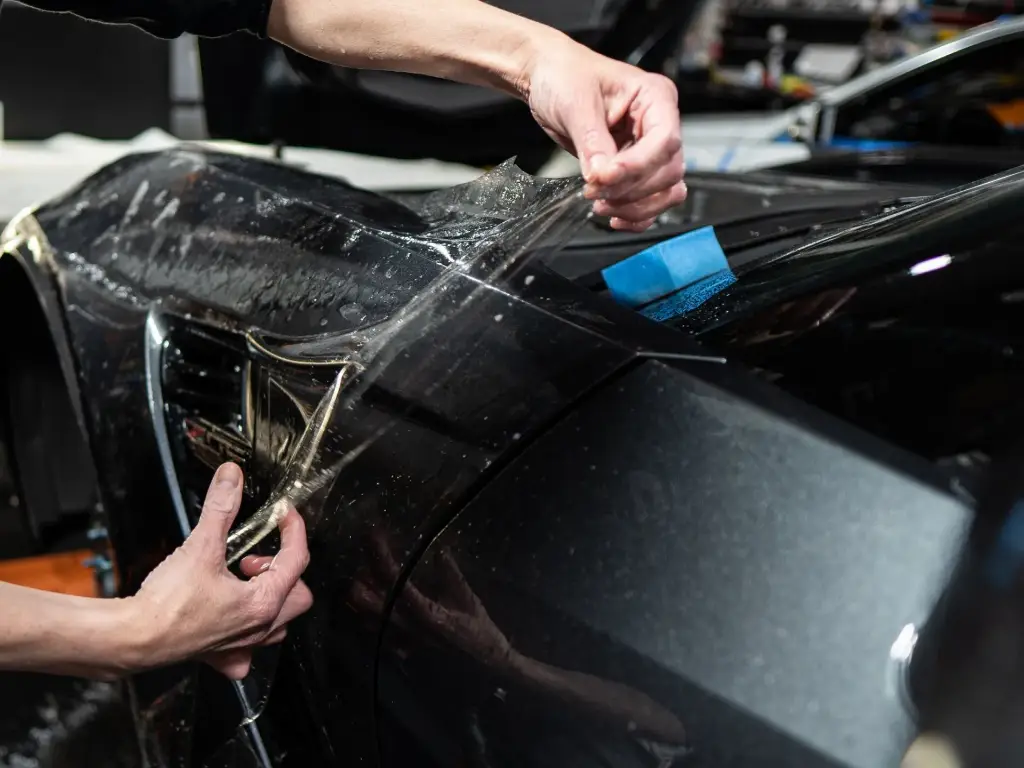
Image Source: www.clearpro.com
Deciphering Paint Drying Stages
When you see a freshly painted car, the surface might feel dry to the touch. However, this is just the beginning of the paint drying stages. There’s a significant difference between being dry to the touch and being fully cured.
Initial Drying (Touch Dry)
This is the first stage where the solvents in the paint begin to evaporate. At this point, the paint is no longer wet and won’t easily transfer to your finger. However, it’s still very soft and susceptible to damage.
Hardening (Dry Hard)
In this stage, the paint continues to harden. While it feels harder, it’s still not at its maximum durability. This phase involves further solvent evaporation and the initial stages of chemical bonding within the paint layers.
Full Cure
This is the final stage where the paint has reached its ultimate hardness and chemical resistance. All solvents have evaporated, and the chemical cross-linking within the paint is complete. The paint is now fully durable and resistant to scratches, chemicals, and UV damage.
Factors Influencing Car Paint Cure Time
Several elements play a crucial role in determining how long does automotive paint take to reach its full potential. Understanding these factors can help you better gauge the timeline and take appropriate precautions.
1. Type of Automotive Paint
Different types of automotive paints have inherently different curing mechanisms and timelines.
- Single-Stage Enamels: These are older types of paints that contain pigment and binder in one layer. They typically cure through solvent evaporation. Their paint cure time automotive is generally shorter than multi-stage paints.
- Basecoat/Clearcoat Systems: This is the most common system today. The basecoat provides the color, and the clearcoat provides gloss and protection.
- Basecoat: Primarily cures through solvent evaporation.
- Clearcoat: This is where the significant hardening happens. Modern clearcoats are often two-part (2K) systems that use a hardener (catalyst) to initiate a chemical cross-linking process. This chemical reaction is what leads to the clear coat hardening and the overall paint hardening process.
- Waterborne Paints: These paints use water as a solvent. They often require specific baking or infrared curing to speed up the evaporation of water and the subsequent chemical curing.
2. Environmental Conditions
The environment where the paint is applied and cures has a significant impact on the car paint drying duration.
- Temperature: Warmer temperatures generally speed up solvent evaporation and chemical curing. Colder temperatures slow down the process significantly.
- Humidity: High humidity can slow down solvent evaporation, especially for solvent-based paints. It can also affect the proper formation of the paint film.
- Airflow: Good airflow helps carry away evaporated solvents, promoting faster drying and curing. Lack of airflow can lead to solvent popping or improper film formation.
- UV Exposure (for some paints): Some modern clearcoats are designed to cure faster under UV light. However, uncontrolled UV exposure from the sun during the initial stages can sometimes be detrimental.
3. Application Method
The thickness of the paint layers and the method of application can also influence cure times.
- Spray Gun Settings: Proper spray gun settings ensure an even application. Too much pressure or too close a spray can lead to runs, which require more time to dry and can affect curing.
- Layer Thickness: Thicker paint layers take longer to cure as solvents and moisture have a longer path to travel to escape.
- Baking/Infrared Curing: Professional automotive shops often use heated spray booths or infrared lamps to accelerate the curing process, especially for 2K clearcoats. This significantly reduces the paint drying and curing time.
The Science Behind Automotive Paint Curing
Automotive paint curing is essentially a chemical transformation. It’s not just about the paint getting dry; it’s about the molecules within the paint forming a robust, interconnected network.
Solvent Evaporation vs. Chemical Curing
- Solvent Evaporation: This is the physical process where the liquid solvents in the paint turn into gas and escape into the atmosphere. This is what makes the paint feel dry to the touch. However, residual solvents can remain trapped, impacting the long-term durability if not fully evaporated.
- Chemical Curing (Cross-linking): This is a more advanced process, particularly in modern 2K paints. The hardener, when mixed with the base paint, initiates a chemical reaction. This reaction creates strong molecular bonds between the paint particles, forming a hard, durable film. This is the crucial part of clear coat hardening and the paint hardening process.
Understanding 2K Paint Curing
Two-component (2K) paints are standard for vehicle finishes because of their superior durability and resistance.
- Components: These paints come in two parts: the base (paint color and binder) and the activator (hardener or catalyst).
- Mixing Ratio: It is critical to mix these components in the precise ratio specified by the manufacturer. Incorrect ratios can lead to improper curing, affecting hardness, gloss, and durability.
- Pot Life: Once mixed, 2K paints have a limited “pot life.” This is the time window during which the paint remains usable before it starts to harden in the mixing container. This time is influenced by temperature.
- Chemical Reaction: The activator causes the binder molecules in the paint to form a three-dimensional network. This cross-linking process is what gives the paint its strength and resistance.
Typical Paint Cure Times for Different Systems
Let’s look at some general timelines, keeping in mind that these are approximations and can vary significantly.
Table: Approximate Paint Cure Times
| Paint Type | Dry to Touch (Approx.) | Hard Dry (Approx.) | Ready for Light Use (Approx.) | Full Cure (Approx.) | Notes |
|---|---|---|---|---|---|
| Single-Stage Enamel | 1-2 hours | 8-12 hours | 24-48 hours | 7-14 days | Cures primarily by solvent evaporation. Less durable than modern finishes. |
| Basecoat (Solvent) | 15-30 minutes | 2-4 hours | N/A | 48-72 hours | Basecoat itself doesn’t cure to a hard, protective finish; it needs a clearcoat. |
| Clearcoat (2K) | 1-2 hours | 4-8 hours | 24-72 hours | 30-90 days | This is where clear coat hardening is most critical. Full cure is essential for maximum durability and scratch resistance. |
| Waterborne Basecoat | 10-20 minutes | 1-2 hours | N/A | 24-48 hours | Water evaporation is quicker, but it still needs clearcoat. |
| Waterborne Clearcoat | 15-30 minutes | 2-4 hours | 24-48 hours | 14-30 days | Often requires heat or infrared curing to accelerate the drying and curing process. |
Important Note: These are average times. Factors like ambient temperature, humidity, paint brand, and specific product formulation can drastically alter these figures. Always refer to the manufacturer’s technical data sheet (TDS) for the most accurate information.
What Happens During Full Cure Automotive Paint?
When your car’s paint reaches its full cure automotive paint stage, it has undergone a complete transformation.
- Maximum Hardness: The paint is at its hardest, providing the best resistance to scratches, chips, and swirl marks.
- Chemical Resistance: It can withstand exposure to gasoline, oils, brake fluid, bird droppings, and acidic rain without damage.
- UV Protection: The clearcoat’s UV inhibitors are fully effective, protecting the basecoat from fading and oxidation caused by sunlight.
- Gloss Retention: The finish will maintain its high gloss for a longer period.
Protecting Your Fresh Paint Job: What to Avoid
During the car paint drying duration and curing period, your freshly painted car is vulnerable. It’s crucial to avoid certain activities to ensure the longevity and quality of the paint job.
During the First Few Weeks (Post-Application)
- Washing: Avoid washing the car with soap and water for at least 2-4 weeks, or as recommended by the painter. If absolutely necessary, a very gentle rinse with water might be permissible after a few days, but avoid touching the surface.
- Waxing or Polishing: Never apply wax, polish, or sealant during the initial curing period. These products can interfere with the paint hardening process.
- Parking Under Trees: Sap, bird droppings, and acidic fallout can bond to uncured paint and cause permanent damage.
- Fuel Spills: Be very careful when refueling. Even a small drop of gasoline can damage uncured paint.
- Heavy Rain or Frost: Protect the car from harsh weather. If caught in the rain, gently rinse with water and allow it to air dry. Avoid wiping.
- Parking Close to Other Cars: Avoid tight parking spots where your car might get scratched or scuffed.
- Applying Decals or Stickers: Wait until the paint is fully cured before applying any decals or stickers.
- Touching/Leaning: Avoid leaning on the car or touching the surface unnecessarily. Fingerprints can leave marks on soft paint.
- Automatic Car Washes: The brushes in automatic car washes are abrasive and can easily scratch uncured paint.
After Full Cure
Once the paint is fully cured, you can begin a regular maintenance routine.
- Regular Washing: Wash your car regularly with pH-neutral car soap and a microfiber wash mitt.
- Waxing/Sealing: Apply a good quality wax or paint sealant every few months to provide an extra layer of protection and enhance gloss.
- Clay Bar Treatment: Use a clay bar to remove embedded contaminants before waxing, but only after the paint has fully cured.
- Paint Protection Film (PPF): Consider applying PPF to high-impact areas like the front bumper, hood, and mirrors for added protection against chips and scratches.
- Ceramic Coatings: These offer a harder, more durable protective layer than traditional waxes and can be applied once the paint has cured.
Factors that Can Speed Up or Slow Down Curing
Let’s summarize the key factors that influence how quickly your paint job becomes fully robust.
Speeding Up Curing
- Controlled Environment: Using a heated spray booth or infrared lamps significantly speeds up the process by promoting solvent evaporation and accelerating chemical reactions in 2K paints.
- Correct Mixing Ratios: For 2K paints, precise mixing of base and activator is essential for proper chemical curing.
- Manufacturer’s Recommendations: Following the paint manufacturer’s guidelines for application, flash times between coats, and curing procedures is paramount.
- Thin, Even Coats: Applying thinner, even coats allows solvents to escape more readily.
Slowing Down Curing
- Low Temperatures: Cold weather drastically slows down solvent evaporation and chemical cross-linking.
- High Humidity: Excess moisture in the air can impede solvent evaporation, particularly for solvent-based paints.
- Thick Paint Application: Applying excessively thick layers traps solvents, prolonging the curing time.
- Poor Airflow: Inadequate ventilation hinders the removal of evaporated solvents.
- Incorrect Mixing Ratios: For 2K paints, improper mixing can lead to incomplete curing, even if it appears dry.
- Contamination: Introducing contaminants during the drying or curing process can disrupt the film formation and curing.
Frequently Asked Questions (FAQ)
How long after painting a car can I wax it?
You should typically wait at least 30 days, and ideally 60-90 days, before waxing or applying any sealant to a freshly painted car. This allows the paint to fully cure. Always check with your painter or the paint manufacturer for specific recommendations.
Can I wash my car after 24 hours if it’s freshly painted?
It’s generally not recommended to wash a freshly painted car with soap and water for at least 2-4 weeks. A gentle rinse with water might be okay after a few days if absolutely necessary, but avoid scrubbing or touching the surface.
What does “full cure” mean for car paint?
“Full cure” means the paint has completed its chemical hardening process, achieving its maximum durability, hardness, and resistance to environmental factors like UV rays, chemicals, and scratches.
Does temperature affect paint drying time?
Yes, temperature significantly affects paint drying time and automotive paint curing. Warmer temperatures speed up the process, while colder temperatures slow it down.
What is the difference between paint drying and paint curing?
Paint drying time refers to the initial stages when solvents evaporate, making the paint feel dry to the touch. Paint curing is a longer process where chemical reactions occur to harden the paint and achieve its final durability and resistance.
Is it okay to park my freshly painted car in the sun?
While some sunlight is necessary for the paint to cure, direct, intense sun exposure during the initial drying stages (first few days) can sometimes be problematic. It’s best to park in a shaded area or use a car cover if possible, especially during the first week. After that, moderate sun exposure can help with curing.
My painter said the car needs to “bake.” What does that mean?
“Baking” refers to using controlled heat, often in a specialized spray booth or with infrared lamps, to accelerate the drying and curing of automotive paint, particularly 2K clearcoats. This process significantly reduces the paint cure time automotive.
Can I speed up car paint curing at home?
While you can’t replicate professional baking, ensuring good ventilation, maintaining a consistent moderate temperature (ideally between 65-80°F or 18-27°C), and avoiding high humidity can help. Never use heat guns or direct, intense heat sources, as this can damage the paint.
What is the paint hardening process for clear coats?
The paint hardening process for clear coats, especially in modern 2K systems, involves a chemical reaction between the clearcoat resin and a hardener (activator). This reaction creates strong molecular bonds that result in a hard, durable, and glossy finish.
How long does automotive paint take to be fully durable?
While the paint may feel dry within hours or days, achieving its full cure automotive paint hardness and durability can take anywhere from 30 to 90 days, depending on the paint system and environmental conditions.
Conclusion
The car paint drying duration and automotive paint curing process are critical phases in achieving a lasting, beautiful finish. From the initial paint drying time to the final full cure automotive paint, each stage requires patience and careful protection. By understanding the factors that influence these timelines and adhering to best practices, you can ensure your car’s new paint job provides years of protection and aesthetic appeal. Remember, the investment in proper curing is an investment in the longevity of your vehicle’s appearance. Always consult with your professional painter or refer to the paint manufacturer’s guidelines for the most accurate information regarding your specific paint system.