In Minnesota, a car battery often lasts about 3 to 5 years. This is shorter than in warmer places. Extreme cold temperatures make car batteries work much harder. This stress can make them wear out faster.
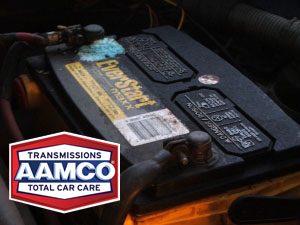
Image Source: aamcominnesota.com
Normal Car Battery Life
A car battery is like a power box for your car. It starts the engine and runs the lights and radio when the engine is off. Most car batteries are lead-acid batteries.
The average car battery lifespan is generally 3 to 5 years. Some might last longer, maybe up to 6 years, in good conditions. But many things change this. Where you live is a big one. How you drive matters, too. How you take care of it makes a difference.
Car batteries do not just die suddenly. They lose power over time. Think of it like a phone battery that holds less charge the older it gets.
The Big Chill: Cold Weather Effects
Minnesota is known for its very cold winters. This cold is tough on car batteries. Cold weather car battery life is often cut short because of the low temperatures.
Why Cold Hurts Batteries
Batteries work using a chemical process. Inside a battery, there’s a liquid mix (called electrolyte) and lead plates. This mix lets electricity flow.
When it gets very cold:
* The chemical reactions slow down. This means the battery cannot make power as fast.
* The liquid mix becomes thicker. This makes it harder for the battery to work well.
* Starting an engine takes much more power. Engine oil is thicker in the cold. The starter motor needs extra energy to turn the engine over.
So, the battery has less power to give, but the car needs more power to start. This double problem puts huge stress on the battery. This stress, day after day in the cold, wears the battery out faster. This is why battery failure in cold climates is common.
Extreme Cold Battery Performance
In extreme cold battery performance drops a lot. At 0°F (-18°C), a car battery has only about half of its power compared to when it’s 80°F (27°C).
Think about trying to run a race when you’re very tired. That’s like a battery in extreme cold. It has less energy ready to go. Trying to start a car in deep cold asks the battery for a lot of power very quickly. If the battery is already a bit old or weak, it might not have enough power to crank the engine. This is often when an older battery fails.
What Shortens Battery Life Even More?
Many things can make a car battery die faster. In Minnesota, the cold is a big one. But other things matter too. These are factors affecting battery longevity.
- Temperature Swings: Very hot summers followed by very cold winters are the worst. Heat can damage the inside of the battery. Then, the cold finishes it off. Minnesota has both hot summers and very cold winters. This wide range of temperatures is tough.
- Driving Habits: Short trips hurt batteries. The alternator (which charges the battery while you drive) does not have enough time to fully recharge the battery after you start the car. Doing this often means the battery is never full.
- Letting it Sit: Cars that are not driven much also have shorter battery life. The battery slowly loses charge when sitting. If it sits for a long time, it can lose too much charge. This can damage the battery inside.
- Accessory Use: Using electronics when the engine is off (like radio, lights) drains the battery. Doing this often, especially without starting the car later, can hurt it.
- Poor Maintenance: Not keeping the battery clean or checking its charge level lets problems get worse. Loose connections or dirt on the terminals can stop the battery from charging right.
- Alternator Issues: If the alternator is not working right, it might not charge the battery enough. Or it might overcharge it, which is also bad.
- Vibration: Driving on bumpy roads can shake the battery. This can cause damage inside the battery over time.
All these things add up. In a place like Minnesota, where the weather is already a big challenge, managing these other factors becomes even more important.
Seeing the Warning Signs
Your car battery will often give you hints before it totally dies. Knowing these signs of dying car battery can save you from being stuck, especially on a cold day.
- Slow Engine Crank: This is the most common sign. When you turn the key, the engine turns over slowly or takes longer than usual to start. It sounds like the starter is struggling.
- Dim Lights: The headlights or interior lights look dim, especially when the engine is not running.
- Warning Light: Your car might have a battery or charging system light on the dashboard. This light comes on if there’s a problem.
- Corrosion: A powdery blue, green, or white stuff builds up on the battery terminals. This is corrosion. It can stop the battery from charging or sending power right.
- Bad Smell: A smell like rotten eggs near the battery can mean the battery is leaking gas. This is dangerous and means the battery is likely failing inside.
- Swollen Battery Case: If the battery case looks swollen or puffed up, it means it’s been damaged, often by heat or overcharging.
- Older Battery: If your battery is already 3 years old or more, especially in Minnesota, it’s getting close to the end of its likely life. It’s wise to start thinking about testing it or replacing it soon.
Do not ignore these signs. A weak battery can leave you stranded when you least expect it, often on the coldest morning.
Checking How Healthy Your Battery Is
It’s a good idea to check your battery’s health before it gives you trouble. This is called testing car battery health. It’s especially important as winter gets close or if your battery is getting old.
Simple Checks You Can Do
- Look at it: Check for corrosion on the terminals. Make sure the cables are tight. Look at the battery case for cracks or swelling.
- Listen: When you start the car, does it sound normal? Or is it slow and weak?
- Check the Lights: Before starting the car, turn on the headlights. Are they bright? Keep them on and try to start the engine. If the lights dim a lot when you start, the battery is weak.
Getting a Proper Test
The best way to know your battery’s health is with a proper test.
* Voltage Test: A simple tool called a voltmeter can check the battery’s voltage. A healthy, fully charged battery should show about 12.6 volts or higher when the engine is off. If it’s much lower, it might be weak.
* Load Test: This is a better test. A mechanic or auto parts store uses a tool that puts a “load” on the battery. It makes the battery work hard for a short time to see if it can handle it. This test shows if the battery can provide enough power to start the engine.
Most auto parts stores in Minnesota offer free battery testing. It only takes a few minutes. This is a smart step to take before winter hits. It can tell you if your battery is strong enough for the cold or if you should replace it.
Getting Ready for Winter in Minnesota
Taking steps to protect your battery in the cold is important. This is often called winterizing car battery Minnesota.
- Clean the Terminals: Remove any corrosion. You can use a wire brush and a mix of baking soda and water. Make sure the battery cables are clean and tight on the terminals. Good contact is key for charging and starting.
- Check the Charge: Make sure your battery is fully charged. If you do many short trips or the car sits a lot, consider using a battery charger (a trickle charger or maintainer) overnight sometimes. This keeps the battery topped off. A fully charged battery handles cold much better than one that is low on power.
- Get it Tested: As mentioned, get a load test done before winter.
- Keep it Warm (if possible): Parking in a garage makes a big difference. Even an unheated garage is warmer than outside. If you live in a very cold area and have major starting problems, a battery blanket or pad that warms the battery slightly can help, but be careful and follow all safety steps.
- Drive Regularly: Try to drive your car for at least 20-30 minutes regularly. This gives the alternator time to charge the battery fully.
These steps can help your battery perform better in the cold and might help it last longer. But remember, even well-cared-for batteries have a limited life, especially in Minnesota.
How Much Does a New Battery Cost?
If your battery fails the test or shows signs of dying, you will need a new one. The car battery replacement cost Minnesota can vary.
Several things affect the price:
* Type of Battery: Standard lead-acid batteries are common and cost less. AGM (Absorbed Glass Mat) batteries cost more but handle cold better and last longer, especially in newer cars with lots of electronics or start-stop systems.
* Battery Size and Power: Different cars need different battery sizes and power levels (measured in Cold Cranking Amps or CCA). A battery with higher CCA is better for cold starts but might cost more.
* Brand: Like anything else, different brands have different prices and quality.
* Where You Buy and Install: Buying the battery and installing it yourself is usually cheapest. Having a mechanic or dealership do it costs more because you pay for the battery and the labor.
Here is a rough idea of costs in Minnesota (prices can change):
| Battery Type | Battery Cost Range (Estimate) | Total Cost with Installation (Estimate) |
|---|---|---|
| Standard Lead-Acid | $100 – $200 | $150 – $250+ |
| AGM | $180 – $300+ | $230 – $350+ |
Remember these are estimates. Always get a few quotes. Sometimes, stores or shops have deals or sales on batteries. The cost of labor to install is usually not very high (often less than an hour of work), but some cars have batteries in tricky spots (like under a seat or in the trunk), which can make labor cost more.
What About the Warranty?
When you buy a new battery, it comes with a car battery warranty period. This is a promise from the maker that the battery should last for a certain time.
Warranties are often split into two parts:
1. Free Replacement Period: This is the first part of the warranty, often 1 or 2 years. If the battery fails completely during this time for no fault of your own (like damage), you usually get a brand new battery for free.
2. Pro-Rata Period: This is the second part, which lasts longer, maybe 3 to 5 years in total with the first part. If the battery fails during this time, you do not get a free battery. Instead, you get a credit towards a new battery. The amount of credit depends on how long you used the battery. The longer you used it, the less credit you get. You pay the rest of the cost for the new battery.
Reading the Fine Print
It is important to keep your receipt and know what the warranty covers. Warranties usually do not cover:
* Batteries that are just discharged (need charging, not broken).
* Damage from misuse, wrong installation, or accidents.
* Batteries used in the wrong type of vehicle or application.
* Batteries that fail because the car’s charging system is bad.
In Minnesota, where batteries wear faster, a longer warranty can be a good thing. Look for batteries with longer free replacement periods if possible. But remember, a warranty does not mean the battery will last that long, only that the maker will help you if it fails early under certain rules.
Pulling It All Together: Battery Life in Minnesota
So, to sum up, how long does a car battery last in Minnesota?
- The average life is 3 to 5 years.
- The extreme cold in Minnesota shortens this life compared to warmer climates. Cold makes the battery weaker and makes the car harder to start, causing extra stress.
- Other things like short trips, not driving often, heat, and poor care also shorten life.
- Watch for signs like slow starting or dim lights.
- Get your battery tested regularly, especially before winter. Auto parts stores often do this for free.
- Simple care like cleaning terminals and keeping the battery charged can help.
- New batteries can cost $100-$300+, plus installation if you do not do it yourself.
- New batteries have warranties, often split into free replacement and pro-rata periods. Know what your warranty covers.
Living in Minnesota means being ready for the cold. Your car battery is a key part of that readiness. Taking simple steps to check, care for, and understand your battery can help you avoid being stuck in the cold. It helps your battery last as long as it can in our challenging climate. While you might not get the 5-6 years some batteries last in warmer places, managing the cold impact can help you get closer to that 4 or 5-year mark instead of only 2 or 3.
Frequently Asked Questions
Here are some common questions about car batteries in Minnesota.
h5 Can I make my car battery last longer in Minnesota?
Yes, you can. Keep the battery terminals clean. Make sure the battery is fully charged, using a trickle charger if needed, especially if you take short trips or don’t drive often. Get the battery tested yearly before winter. Parking in a garage helps a lot by keeping the battery warmer.
h5 What is the best type of car battery for Minnesota?
AGM batteries are generally better for cold weather and longer life, especially in modern cars. They cost more than standard lead-acid batteries but handle the stress of cold and high power demands better. Also, choose a battery with a high CCA (Cold Cranking Amps) rating for easier starting in very cold temperatures.
h5 How often should I test my car battery in Minnesota?
It’s a good idea to test your battery every fall, before the cold weather starts. If your battery is older than 3 years, testing it twice a year (spring and fall) is even better. Most auto parts stores test them for free.
h5 Will driving my car help the battery in the cold?
Yes, driving helps charge the battery. Short drives (less than 20-30 minutes) might not fully recharge it after starting the car. Longer drives help keep the battery charged, which is important for cold weather performance and life. If your car sits for a long time, using a battery maintainer is best.
h5 My car started slowly this morning, but was fine later. Is the battery dying?
Probably. Slow starting, especially on a cold morning, is a classic sign of a weak battery. Even if it starts later when it’s warmer or after a drive, the battery is likely losing its ability to hold a full charge and provide strong power when needed most (like in the cold). Get it tested soon.
h5 How do I know if the cold caused my battery failure?
Cold weather doesn’t usually cause a healthy battery to fail instantly, but it exposes a weak one. If your battery was already old or not fully charged, the high power needed to start the car in the cold can be the final stress that makes it fail. Battery tests can show if the battery was weak before the cold hit.
h5 Is replacing my car battery difficult?
For many cars, it’s fairly simple. You disconnect the old battery (always negative cable first, then positive) and remove the hold-down clamp. Put the new battery in and connect the cables (positive first, then negative). Make sure connections are clean and tight. However, some modern cars have complex battery setups, or the battery is hard to reach. Also, disconnecting the battery can sometimes affect the car’s computer settings. If you are not comfortable or sure, it’s best to have a professional do it.
h5 My battery died, and I need a jump start. Is that bad for the battery?
A jump start itself doesn’t necessarily hurt the battery, but needing one means the battery is weak or dead. The reason it died (age, cold, charging issue) is the real problem. After a jump start, drive the car for at least 30 minutes to let the alternator recharge the battery. Then, get the battery tested as soon as possible to find out why it died.
h5 Does the car battery warranty start from the purchase date or installation date?
The warranty usually starts from the purchase date shown on the receipt. Keep your receipt in a safe place!
h5 Can extreme heat in summer affect how long the battery lasts for the next Minnesota winter?
Yes, absolutely. High temperatures cause the battery’s internal parts to break down faster. This damage from summer heat makes the battery weaker. When winter comes, the battery is already in worse shape, making it much more likely to fail in the cold. Summer heat is often the hidden cause of battery failures that happen in the winter.