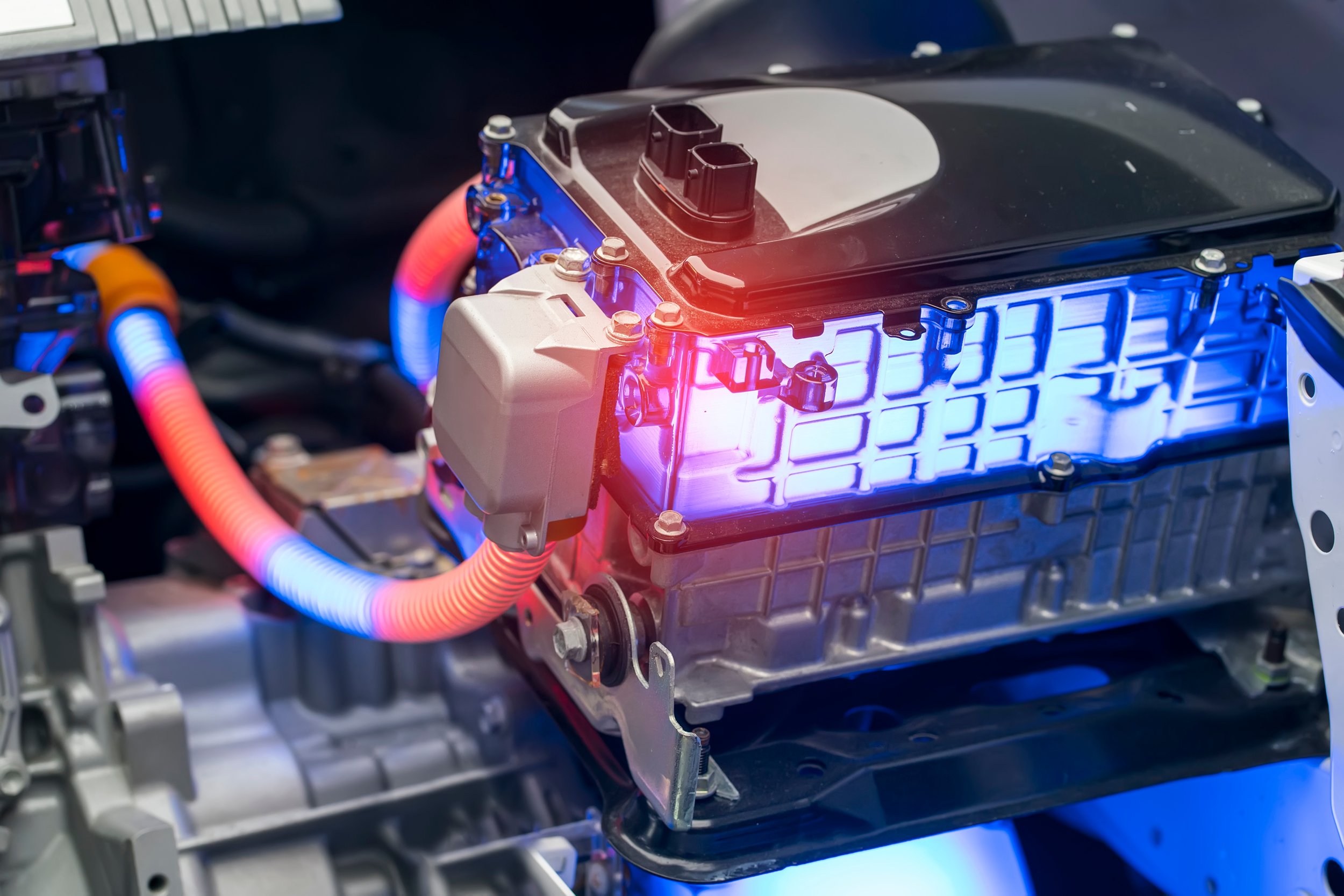
Image Source: images.squarespace-cdn.com
The Cold Truth: How Long Do Car Batteries Last In Minnesota
How long do car batteries last in Minnesota? On average, a car battery in Minnesota lasts about 3 to 5 years. The harsh cold winters here are very hard on batteries, often shortening their useful life compared to warmer places.
Minnesota is known for its beautiful lakes and, more famously among car owners, its brutal, long winters. The freezing temperatures don’t just make driving tricky; they pose a significant challenge to your car’s heart – the battery. Many Minnesotans face the dreaded “click, click, click” of a dying battery on a frigid morning. Knowing how long your battery might last and what affects it is key to avoiding being stranded when the temperature drops way below zero.
What a Car Battery Does
A car battery is like a small power plant for your vehicle. It does two main jobs:
- It provides a big burst of power to start the engine. This is especially hard in the cold.
- It runs the electrical parts of your car (like the radio, lights, and wipers) when the engine is off.
- It helps balance the power coming from the alternator when the engine is running.
Most cars use a lead-acid battery. These batteries work through a chemical reaction inside them. This reaction creates the electricity your car needs.
Minnesota’s Big Challenge: The Cold
The cold is the number one enemy of car batteries in Minnesota. Here is why:
Grasping How Extreme Cold Impacts Car Batteries
Extreme cold impacts car batteries in a few big ways. Think of the chemicals inside the battery like thick syrup in the cold. They move much slower. This makes the chemical reaction that creates electricity slow down a lot.
- Less Power: A cold battery just cannot make as much power as a warm one. At 0°F (-18°C), a car battery has only about half the power it does at 80°F (27°C). At -20°F (-29°C), it’s even less.
- Engine Needs More Power: At the same time, your car’s engine is much harder to start in the cold. The oil is thicker, and the metal parts are stiffer. The starter motor needs more power from the battery to get things moving.
- A Bad Match: You have a battery making less power trying to start an engine that needs more power. This puts a huge strain on the battery. This strain can use up a lot of the battery’s life quickly.
Minnesota Winter Battery Drain
The constant cycle of cold starts and short drives in Minnesota winter leads to significant battery drain. When you start your car in extreme cold, the battery uses a lot of its stored energy. If you only drive a short distance, the alternator (the part that charges the battery while you drive) might not have enough time to fully recharge the battery.
- Short Trips: Many short trips are bad for your battery in winter. The battery gets drained starting the car but never gets a full charge back before the engine is turned off again.
- Constant Low Charge: The battery lives in a state of constant low charge. This is very bad for lead-acid batteries and wears them out faster.
- Using Accessories: Using heaters, defrosters, heated seats, and lights puts extra load on the battery and the charging system, making it even harder to fully recharge on short winter drives.
This explains why a battery that worked fine in the fall might suddenly die on the first really cold day. The cold didn’t necessarily “kill” it right away, but it exposed a battery that was already weak from months or years of strain and not getting fully charged.
Average Car Battery Lifespan
So, how long do car batteries typically last? Across the United States, the average car battery lifespan is often cited as 4 to 6 years. However, this number drops a lot in places with extreme climates, both hot and cold.
In Minnesota, because of the intense cold we just talked about, that average is usually lower. Expecting 3 to 5 years from a car battery in Minnesota is more realistic. Some might last longer if cared for perfectly, or if driving habits are ideal (longer trips). Some might fail sooner if conditions are harsh or if there are other issues with the car.
Think of 3 years as the point where you should start paying close attention to your battery. By 4 or 5 years, even if it seems okay, it’s likely on borrowed time, especially before another Minnesota winter starts.
Factors Affecting Battery Longevity
While the cold is a major player in Minnesota, it’s not the only thing that decides how long your battery will last. Several factors affect battery longevity:
How Climate Impacts Battery Life
- Cold: As we’ve covered, intense cold weather car battery life is shorter. It drains power and reduces the battery’s ability to hold a charge.
- Heat: Surprisingly, heat is actually worse for the internal parts of a battery over time. Summer heat causes the battery fluid to evaporate and speeds up corrosion inside the battery. So, while a battery might die on a cold day, the damage that killed it might have happened during the previous summer’s heat. Minnesota has hot summers too, adding to the battery’s stress year-round.
How Driving Habits Affect Battery Life
- Short Trips: Taking many short drives (less than 15-20 minutes) does not give the alternator enough time to fully recharge the battery after starting the car. This leads to the battery being constantly undercharged.
- Long Trips: Longer drives allow the battery to get a full charge, which is better for its overall health and battery longevity.
- Car Sitting Idle: Letting a car sit for long periods without starting can also drain the battery slowly (called “parasitic drain”) and shorten its life.
Battery Type and Quality
Not all batteries are made the same.
- Standard Lead-Acid: The most common type. They are good for basic use but can be more sensitive to deep discharges and extreme temperatures.
- AGM (Absorbed Glass Mat): These are more expensive but offer better performance in cold weather, handle vibration better, and tolerate deep discharges more than standard batteries. They are often recommended for cars with lots of electronics or stop/start systems, and their cold-weather performance makes them a good choice for Minnesota.
- Quality Matters: A cheaper, low-quality battery might not last as long as a reputable brand, regardless of the conditions.
Vehicle Age and Electrical System Health
- Old Cars: Older cars can sometimes have electrical issues that drain the battery even when the car is off (parasitic drain).
- Faulty Alternator: If the alternator isn’t charging the battery correctly, the battery will constantly be undercharged and fail early.
- Loose or Corroded Connections: Dirty or loose battery terminals can prevent the battery from charging properly and make it harder for power to flow when starting the car.
Parasitic Drain
This is when something in your car keeps drawing power even when the car is off. This could be a faulty light, a computer module not shutting down correctly, or an aftermarket accessory wired incorrectly. This slow drain can kill a battery over time, especially if the car sits for a few days.
Signs of a Weak Car Battery (Battery Failure Symptoms)
Your car often gives you warnings before the battery completely dies. Paying attention to these battery failure symptoms can save you from a no-start situation. Here are common signs of a weak car battery:
- Slow Engine Crank: This is the most common sign. When you turn the key (or push the start button), the engine turns over slowly, sounding sluggish. It might sound like “ruuuh… ruuuh… ruuuh” instead of a quick “vroom.” The cold makes this symptom much worse and more noticeable.
- Check Engine or Battery Light: Some cars have a dashboard light that comes on to signal a problem with the battery or the charging system.
- Dim Lights: Headlights or interior lights look dim, especially when the engine is not running or when you are trying to start the car.
- Clicking Sound: When you try to start the car, you might hear a rapid clicking noise. This means the battery has just enough power to engage the starter solenoid, but not enough to actually turn the engine over.
- Accessory Problems: Electrical accessories (radio, wipers, power windows) might work slowly or not at all when the engine is off.
- Corrosion: White, powdery, or bluish-green buildup around the battery terminals (where the cables connect). This corrosion stops the battery from charging and delivering full power.
- Swollen Battery Case: The battery case looks bloated or swollen. This is a sign of internal damage, often from heat or overcharging. A swollen battery is unsafe and needs immediate replacement.
- Old Age: If your battery is 3 years old or more, especially in Minnesota, its time might be coming.
Ignoring these signs of a weak car battery is risky. It’s much better to deal with a dying battery on your terms than to have it fail when you least expect it, likely on the coldest morning of the year.
How to Test a Car Battery
You don’t have to wait for symptoms to check your battery’s health. Knowing how to test a car battery can give you peace of mind or an early warning.
Simple Checks You Can Do
- Look at It: Check the battery case for swelling or cracks. Look at the terminals for corrosion. If you see corrosion, carefully clean it with a wire brush and a mix of baking soda and water (or a special battery terminal cleaner). Make sure connections are tight.
- Check the Date: Most batteries have a sticker or code showing when they were made or sold. If your battery is 3-4 years old or older, start testing it regularly.
Using a Voltmeter
A simple digital voltmeter (you can get one for under $20) is a useful tool to check your battery’s voltage.
-
Resting Voltage Test:
- Make sure your car has been off for at least a few hours (ideally overnight). This gives the battery time to settle to its true “resting” voltage.
- Set the voltmeter to measure DC Volts (V=).
- Touch the red probe to the positive (+) battery terminal and the black probe to the negative (-) terminal.
- A fully charged battery at rest should show about 12.6 volts or higher.
- 12.4 – 12.5 volts means it’s less than fully charged (maybe 75%).
- 12.0 – 12.3 volts means it’s significantly discharged (maybe 50% or less).
- Below 12.0 volts means the battery is deeply discharged and likely has a problem holding a charge.
-
Starting Voltage Test:
- Connect the voltmeter the same way.
- Have someone start the car while you watch the meter.
- The voltage will drop during startup, but it should stay above 9.6 volts. A drop below 9.6 volts while cranking the engine is a sign of a weak battery that cannot handle the starting load.
Getting a Professional Test
The best way to know the true condition of your battery is to have it tested professionally. Auto parts stores often do this for free. They use a special tool called a “load tester.”
- Load Test: This test puts a controlled electrical load on the battery for a short time, like what happens when you start the engine. It measures how well the battery’s voltage holds up under this stress. This is a much better indicator of the battery’s ability to start your car on a cold morning than just a voltage check.
- Why it’s better: A battery can show a good resting voltage (12.6V) but still be weak and fail a load test. This is often the case with older batteries.
If a professional test shows your battery is weak or failing a load test, even if it starts the car okay now, it’s a strong signal that it might fail soon, especially when the cold weather hits.
When to Replace Car Battery
Knowing when to replace car battery is crucial for reliable transportation in Minnesota. You don’t want to wait until it dies completely, especially during a cold snap.
Here are the best times to think about replacing your car battery:
- Based on Age: If your battery is 4 to 5 years old, consider replacing it proactively. As mentioned, this is the upper end of the expected lifespan in Minnesota’s climate. Replacing it before winter starts is a smart move.
- Based on Testing: If a professional load test shows the battery is weak or failing, replace it immediately, no matter its age. The test results are a clear sign it’s living on borrowed time.
- Based on Symptoms: If you are noticing the signs of a weak car battery (slow cranking, dim lights, etc.), it’s time for a replacement. These symptoms mean the battery is already struggling.
- Before a Trip: If you’re planning a long road trip, especially in winter, and your battery is older or showing signs, replacing it beforehand is good insurance.
- After Multiple Jump Starts: If your battery has needed multiple jump starts recently, it likely isn’t holding a charge well anymore and needs replacement.
Replacing your battery before it fails is always less stressful and less expensive than needing a tow or being stuck somewhere remote because of a dead battery. Think of it as necessary maintenance, like changing your oil.
Car Battery Replacement Cost
So, what does a new car battery cost? Car battery replacement cost can vary quite a bit based on several factors:
- Battery Type:
- Standard lead-acid batteries usually cost between $100 and $200.
- AGM batteries, which are more robust and often recommended for Minnesota’s cold and newer vehicles with complex electrical systems, typically cost between $180 and $300 or more.
- Vehicle Type: Some cars, especially luxury vehicles or those with special battery locations (like under a seat or in the trunk), may require specific battery types or involve more labor to replace. This can increase the cost.
- Brand: Well-known, reputable battery brands might cost a bit more than generic ones but often offer better quality and warranty.
- Where You Buy/Install It:
- Buying from an auto parts store and replacing it yourself is usually the cheapest option. You just pay for the battery and maybe a small core charge (which you get back when you return the old battery).
- Having a repair shop or dealership replace it includes labor costs. Labor can add anywhere from $20 to $100 or more to the total car battery replacement cost, depending on the complexity of the job and the shop’s labor rates.
Average Range for Car Battery Replacement Cost (Battery + Installation):
| Battery Type | Estimated Cost Range (Installed) |
|---|---|
| Standard Lead-Acid | $120 – $300 |
| AGM (Absorbed Glass Mat) | $200 – $450+ |
Remember to check the warranty on the new battery. Most car batteries come with a warranty, typically ranging from 2 to 6 years. A longer warranty usually means a higher quality battery.
Tips for Extending Battery Life in Minnesota
While the cold is tough, there are things you can do to help your battery last longer and perform better in Minnesota:
- Keep it Clean: Regularly check and clean the battery terminals to prevent corrosion. Clean terminals ensure a good connection for charging and starting.
- Check Connections: Make sure the cables are tightly connected to the battery terminals. Loose connections can prevent proper charging and starting.
- Drive Longer Trips (When Possible): Try to combine errands to make longer drives, especially in winter. This gives the alternator time to fully recharge the battery. A 20-minute drive is much better than four 5-minute drives.
- Limit Accessory Use Before Starting: Avoid running the radio, lights, or heaters for extended periods before starting the engine, especially in the cold. This drains the battery before it has to do the hardest job (starting the car).
- Use a Battery Tender/Maintainer: If you store your car for long periods or only take very short trips, using a battery tender (a small charger that keeps the battery at a full charge) can greatly extend its life.
- Consider a Block Heater: For extreme cold, using a block heater makes the engine easier to start. This means the starter motor needs less power from the battery, reducing strain.
- Get it Tested Regularly: Have your battery tested professionally (especially a load test) once a year, ideally in the fall before winter hits. This helps you catch a weak battery before it fails.
- Keep it Secure: Make sure the battery is securely held down in its tray. Vibration can damage the internal parts of the battery.
By taking these steps, you can help your battery fight against the effects of the cold and get closer to the upper end of that 3-5 year lifespan range in Minnesota.
Conclusion
Car batteries in Minnesota face a difficult life. The extreme cold weather car battery life is significantly shortened compared to warmer climates. While the average car battery lifespan elsewhere might be 4-6 years, expecting 3 to 5 years from a battery in Minnesota is more realistic due to the intense cold impact on car batteries and the daily struggle with Minnesota winter battery drain.
Knowing the signs of a weak car battery, understanding factors affecting battery longevity, and performing simple checks (how to test a car battery) are your best defenses against being stuck with a dead battery. Proactive replacement based on age (around 4-5 years) or test results is a smart strategy. While car battery replacement cost is an expense, it’s usually far less troublesome than dealing with a breakdown in freezing temperatures.
By paying attention to your battery’s health and taking steps to care for it, you can improve its chances of surviving another challenging Minnesota winter.
Frequently Asked Questions (FAQ)
h4: Can I replace my car battery myself?
Yes, many people replace their own car battery. You need basic tools (usually a wrench or socket set), gloves, and eye protection. Look up a video or guide for your specific car model, as battery locations and hookups can vary. Be careful not to touch the positive terminal with anything metal while you are working. Also, make sure to buy the correct size and type of battery for your car.
h4: Does heat affect car batteries?
Yes, absolutely. While batteries often fail in the cold, the damage that leads to failure often happens in the heat. High temperatures speed up the chemical processes inside the battery, causing internal corrosion and water loss. This weakens the battery over time, making it unable to handle the demands of cold weather starting. Minnesota’s hot summers contribute to this damage.
h4: What type of battery is best for Minnesota winters?
An AGM (Absorbed Glass Mat) battery is often recommended for Minnesota. They handle deep discharges better and generally perform well in extreme temperatures, both hot and cold. While they cost more upfront, their longer life and better reliability in harsh conditions can be worth the extra expense. Always make sure the battery you choose meets the specifications recommended for your vehicle.
h4: How often should I test my car battery?
It’s a good idea to test your car battery at least once a year, ideally in the fall before winter starts. If your battery is 3 years old or older, consider testing it more often, perhaps every six months. A professional load test is the most reliable way to check its health.
h4: What is a “core charge” when buying a battery?
A core charge is a fee added when you buy a new battery. It’s meant to encourage you to return your old battery for recycling. Car batteries contain lead and acid, which are harmful to the environment and need to be handled properly. When you bring your old battery back to the store where you bought the new one (or another participating location), you get the core charge fee back.