Can you get mold out of a car? Yes, you absolutely can get mold out of a car, and it’s important to do so safely and thoroughly to protect your health and the car’s interior. This guide will walk you through the entire process of car mold removal, from identifying the problem to preventing its return. Dealing with interior car mold can be a daunting task, but with the right approach, you can achieve a clean, healthy vehicle.
Mold in a car is more than just an unsightly issue; it’s a health hazard. Mold spores can trigger allergies, asthma, and other respiratory problems, making car interior cleaning a critical maintenance task. This guide aims to provide you with comprehensive information for effective car mold remediation. We’ll explore the causes of mold growth, the dangers it poses, and the step-by-step methods for its complete removal, including effective odor removal car mold.
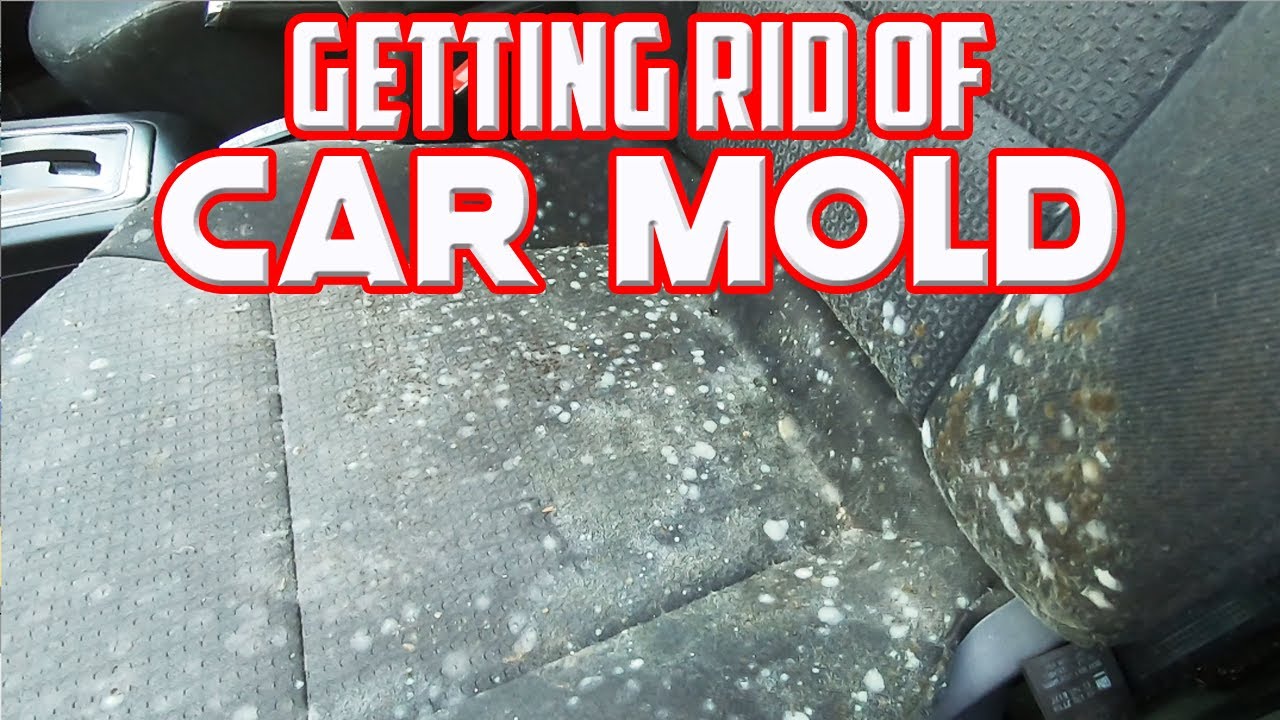
Image Source: i.ytimg.com
Fathoming the Roots of Car Mold
Before diving into removal, it’s crucial to understand why mold thrives in vehicles. Mold requires three main ingredients: moisture, a food source, and the right temperature. Cars, being enclosed spaces, are susceptible to moisture buildup from various sources.
Common Moisture Culprits
- Leaky Seals: Worn door, window, or sunroof seals can allow rain or even condensation to seep into the car.
- Spills and Wet Items: Leaving wet towels, gym clothes, or spilled drinks in the car for extended periods creates an ideal breeding ground.
- Condensation: Temperature fluctuations, especially in humid climates or during seasonal changes, can cause condensation to form on windows and other surfaces.
- Clogged Drainage Systems: Debris can block drainage holes in the car’s body, trapping water.
- Flooding or Water Damage: If your car has been in a flood or experienced significant water ingress, mold growth is almost inevitable if not dried thoroughly.
Food Sources for Mold
Mold feeds on organic materials. In a car, these include:
- Carpet and Upholstery: Fabric materials are porous and readily absorb moisture and organic particles.
- Paper and Cardboard: Old maps, receipts, or even dust accumulated over time can serve as a food source.
- Leather and Vinyl: While less porous than fabric, these can still support mold growth if they retain moisture and dirt.
- Dust and Grime: General accumulation of dirt and debris provides nutrients for mold.
The Dangers of Black Mold in a Car
The most concerning type of mold is often black mold in car, scientifically known as Stachybotrys chartarum. While not all black mold is toxic, some strains produce mycotoxins, which can cause significant health issues. Even non-toxic molds can be harmful.
Health Concerns Associated with Mold Exposure
- Respiratory Issues: Coughing, wheezing, shortness of breath, and aggravation of asthma symptoms.
- Allergic Reactions: Runny nose, itchy eyes, skin rash, and sneezing.
- Headaches and Fatigue: Prolonged exposure can lead to persistent headaches and general fatigue.
- Mycotoxicosis: In severe cases, exposure to mycotoxins can lead to more serious health problems.
A Comprehensive Guide to Car Mold Removal
Tackling car mold removal requires a systematic approach. The goal is not just to wipe away visible mold but to kill the spores and eliminate the moisture source.
Step 1: Safety First – Protective Gear is Essential
Before you begin car mold removal, ensure you have the right protective gear. This is crucial, especially when dealing with potential black mold in car.
- Gloves: Wear rubber or nitrile gloves to prevent skin contact.
- Mask: Use a high-efficiency particulate air (HEPA) filter mask or an N95 respirator to avoid inhaling mold spores.
- Eye Protection: Goggles will protect your eyes from airborne spores.
- Ventilation: Open all car doors and windows to ensure good airflow during the cleaning process.
Step 2: Identifying and Assessing the Mold Infestation
Carefully inspect all areas of your car’s interior. Mold often appears as fuzzy or slimy patches of various colors, including black, green, white, or gray. Pay close attention to:
- Carpets and floor mats
- Upholstery (seats, door panels)
- Headliner
- Trunk
- Seat crevices and under seats
- Dashboard and console
- Seatbelt webbing
Step 3: Initial Cleaning – Removing Loose Debris
- Remove all personal items from the car, including floor mats.
- Vacuum the entire interior thoroughly, using a vacuum with a HEPA filter if possible. This will remove loose mold spores and dirt. Pay special attention to seams and crevices.
Step 4: Choosing Your Mold Removal Solution
There are several effective options for car mold removal. You can opt for commercial products or consider a natural mold remover car.
Option A: Commercial Mold Removers
Many specialized automotive mold removers are available. These are often formulated to kill mold and mildew effectively and can be found at auto parts stores. Always follow the product instructions carefully.
Option B: Vinegar – A Powerful Natural Mold Remover
White vinegar is a widely recommended natural mold remover car. It’s acidic and can kill many types of mold.
- Dilution: Mix equal parts white vinegar and water in a spray bottle.
- Application: Lightly spray the affected areas. Do not saturate the fabric, as this can worsen moisture issues.
- Soaking Time: Let the solution sit for about an hour to allow it to work.
- Wiping: Wipe the area with a clean, damp cloth.
Option C: Baking Soda Paste
Baking soda is excellent for absorbing moisture and odors, which are common with mold.
- Preparation: Mix baking soda with a small amount of water to create a paste.
- Application: Apply the paste to moldy areas.
- Drying: Let the paste dry completely.
- Removal: Brush or vacuum away the dried paste.
Option D: Hydrogen Peroxide
A 3% hydrogen peroxide solution can also be used as a natural mold remover car.
- Application: Spray directly onto the moldy surface.
- Soaking Time: Let it sit for 10-15 minutes.
- Wiping: Wipe clean with a damp cloth.
Important Note: Always test any cleaning solution on an inconspicuous area of the car’s interior first to ensure it doesn’t cause discoloration or damage.
Step 5: Deep Cleaning and Scrubbing
Once you’ve applied your chosen solution, it’s time for some elbow grease.
- For Fabrics: Use a soft-bristled brush to gently scrub the moldy areas. Avoid harsh scrubbing, which can damage delicate fabrics.
- For Hard Surfaces: Wipe down with a microfiber cloth dampened with your cleaning solution.
Step 6: Rinsing and Drying – Crucial for Success
Proper rinsing and drying are vital to prevent mold from returning.
- Rinsing: Wipe the cleaned areas with a cloth dampened with plain water. This removes any residue from the cleaning solution.
- Drying: This is arguably the most critical step in car mold remediation.
- Air Dry: Leave all doors and windows open in a dry, well-ventilated area (preferably in sunlight, which can also help kill mold).
- Fans: Use fans inside the car to circulate air and speed up drying.
- Dehumidifier: If available, a dehumidifier can significantly speed up the drying process.
- Towels: Absorb excess moisture with dry towels.
- Avoid Heat Guns: Do not use high heat, as it can damage interior materials.
Step 7: Odor Removal – Tackling Lingering Smells
Mold often leaves behind a musty odor. Effective odor removal car mold is essential for a pleasant driving experience.
- Baking Soda: Sprinkle dry baking soda liberally over carpets and upholstery. Let it sit overnight, then vacuum thoroughly.
- Activated Charcoal: Place bowls of activated charcoal in the car. It’s highly effective at absorbing odors.
- Ozone Generator: For severe odor issues, an ozone generator can be used. However, these should be used with extreme caution, as ozone can be harmful. Ensure the car is completely unoccupied and well-ventilated after use.
- Vinegar and Water Spray: A light mist of diluted vinegar can help neutralize odors.
Step 8: Cleaning the Floor Mats and Other Removable Items
- Wash removable floor mats thoroughly with a suitable cleaner.
- Ensure they are completely dry before placing them back in the car.
Step 9: Addressing Hidden Mold and Preventing Recurrence
Thorough car detailing mold goes beyond the visible.
- Check Under Carpets: If you suspect mold growth under the main carpets, you may need to lift them carefully to inspect and clean the underlying padding. This is more involved and might require professional help.
- Ventilation System: Mold can grow in the car’s HVAC system. Running the fan on high with fresh air intake can help dry out the system. Consider replacing the cabin air filter, especially if it’s old.
Advanced Techniques and Professional Help
Sometimes, the mold infestation is too severe for DIY removal, or you may be dealing with black mold in car and are concerned about health risks.
When to Call a Professional for Car Mold Remediation
- Extensive Growth: If mold covers a large area or has penetrated deep into upholstery or padding.
- HVAC System Mold: If you suspect mold growth within the air vents.
- Water Damage: If the car has suffered significant water damage (e.g., from flooding).
- Health Concerns: If anyone in the household has severe allergies or respiratory conditions.
Professionals have specialized equipment and knowledge for effective car mold removal and odor removal car mold.
Table: Mold Removal Solution Comparison
| Solution | Pros | Cons | Best For |
|---|---|---|---|
| White Vinegar | Natural, effective, inexpensive | Strong smell (temporary), can be corrosive | General mold spots, mild to moderate infestations |
| Baking Soda | Absorbs moisture & odors, gentle | Mild cleaning action | Odor removal, light mold, paste for scrubbing |
| Hydrogen Peroxide | Kills mold and bacteria, mild bleaching | Can bleach some materials, requires caution | Stubborn spots on durable surfaces, disinfection |
| Commercial Removers | Specifically formulated, often potent | Can be harsh chemicals, require careful use | Tough mold stains, quick action |
Moisture Control Car – The Key to Prevention
Preventing mold growth is far easier than removing it. Implementing good moisture control car practices is essential.
Proactive Prevention Strategies
- Regular Cleaning: Vacuum and wipe down your car’s interior regularly to remove dust and debris that can feed mold.
- Address Spills Immediately: Clean up any spills promptly and ensure the area is thoroughly dried.
- Check Seals: Periodically inspect door, window, and sunroof seals for wear and tear. Replace them if they are brittle or damaged.
- Dry Wet Items: Never leave damp towels, gym clothes, or umbrellas in the car.
- Ventilate: On dry days, open the car doors and windows to allow fresh air to circulate and dry out any trapped moisture.
- Sunlight: Park in sunny spots when possible, as sunlight can help inhibit mold growth.
- Check Drainage: Ensure that any drainage holes in the car’s body (e.g., near the sunroof or under the windshield wipers) are clear of debris.
- Use Moisture Absorbers: Consider using moisture-absorbing products designed for cars, especially in humid climates or during winter.
Frequently Asked Questions (FAQ) about Car Mold
Q1: Is it safe to clean mold in my car myself?
A1: Yes, it is generally safe to clean mold in your car yourself if the infestation is mild to moderate, provided you take appropriate safety precautions. Always wear gloves, a mask, and eye protection. If the mold is extensive or you have health concerns, consider hiring a professional.
Q2: How do I know if I have black mold in my car?
A2: Black mold typically appears as dark green or black, often fuzzy or slimy patches. However, mold can come in various colors. The presence of a musty odor, especially after moisture exposure, is a strong indicator of mold growth, regardless of its color.
Q3: Can mold in a car make me sick?
A3: Yes, mold spores can cause or aggravate respiratory problems, trigger allergies, and lead to other health issues like headaches and fatigue. This is why thorough car mold removal is important.
Q4: What is the best natural mold remover car?
A4: White vinegar is a highly effective and popular natural mold remover car. You can also use baking soda or hydrogen peroxide as natural alternatives.
Q5: How long does it take to get mold out of a car?
A5: The time it takes depends on the severity of the infestation and the method used. A mild case might take a few hours for cleaning and drying. More severe cases, especially those requiring extensive drying, can take a day or more. Professional car mold remediation might also require your car to be in their care for a period.
Q6: What if I can’t get rid of the musty smell even after cleaning?
A6: If the odor persists, it might mean some mold spores or moisture remain. Try using activated charcoal or a dedicated odor removal car mold product. Ensure the car is completely dry. If the smell lingers, the source of the moisture may still be present, or mold might have penetrated deeper into materials, necessitating professional intervention.
By following these steps and focusing on moisture control car, you can effectively tackle mold in your vehicle and ensure a healthier, cleaner driving environment. Regular maintenance and prompt attention to moisture issues are your best defense against the damaging and unhealthy effects of mold.