Can you get coffee stains out of car seats? Yes, you absolutely can! With a few simple steps and common household items, you can effectively tackle those annoying coffee spills and restore your car’s interior to its former glory. This guide will walk you through the process of coffee stain removal from your car upholstery, whether you have fabric or leather seats.
Spilling coffee in your car is a common mishap, turning a pleasant drive into a potential cleaning chore. But don’t despair! Mastering car upholstery cleaning and knowing the right techniques for coffee stain removal is key to maintaining a pristine car interior cleaning. This article provides a comprehensive look at how to banish those brown marks, covering everything from DIY car seat cleaning to choosing the best coffee stain remover for cars. We’ll also touch on upholstery spot cleaning, car detailing, and general automotive interior maintenance.
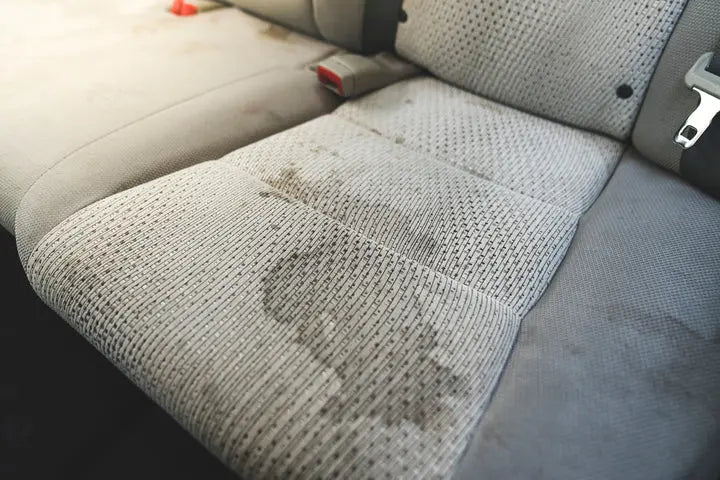
Image Source: www.shinearmor.com
Fathoming the Stain: Why Coffee is Tricky
Coffee, especially dark roasts, contains tannins, which are natural compounds that can dye fabrics. When coffee spills, these tannins can quickly bind to the fibers of your car seats, setting in and becoming more difficult to remove the longer they sit. The heat from the coffee can also help the stain penetrate deeper into the material. This is why acting fast is always the best approach for coffee stain removal.
Immediate Action: The First Few Minutes Count
The moment you notice a coffee spill, grab a clean, dry cloth or paper towels and start blotting. Do not rub! Rubbing will spread the stain and push the coffee deeper into the seat fibers. Blotting will lift as much of the liquid as possible.
- Act quickly: The sooner you address the spill, the easier it will be to remove.
- Blot, don’t rub: Use a gentle dabbing motion with a clean cloth.
- Work from the outside in: This prevents spreading the stain further.
Tackling Fabric Seats: Your Go-To Methods
Most cars have fabric seats, and these can be prone to stubborn stains. Here’s how to tackle coffee stains on fabric car seats.
Method 1: The Gentle DIY Approach
This method uses readily available household items and is a great first step for DIY car seat cleaning.
Step-by-Step Guide:
- Blot Excess: As mentioned, blot up any remaining liquid with a clean cloth or paper towels.
- Prepare a Solution: Mix one cup of lukewarm water with one tablespoon of white vinegar and one tablespoon of mild dish soap (like Dawn). Stir gently.
- Test in an Inconspicuous Area: Before applying the solution to the stain, test it on a hidden spot of the upholstery to ensure it doesn’t cause discoloration or damage. Wait a few minutes and blot dry to check.
- Apply the Solution: Dip a clean microfiber cloth into the solution, wring it out so it’s damp but not dripping, and gently blot the coffee stain. Work from the outside of the stain towards the center.
- Let it Sit: Allow the solution to sit on the stain for about 5-10 minutes. This gives the ingredients time to break down the coffee pigments.
- Blot Again: Use a clean, damp cloth (rinsed with plain water) to blot away the cleaning solution and the loosened stain.
- Rinse: Lightly mist the area with clean water using a spray bottle, then blot dry thoroughly with a fresh, dry cloth.
- Dry: Allow the seat to air dry completely. You can use a fan to speed up the process.
Why These Ingredients Work:
- White Vinegar: Its acidity helps to break down the coffee tannins.
- Dish Soap: Acts as a surfactant, lifting the stain from the fabric fibers.
- Water: Dilutes the cleaning agents and helps rinse away the stain and solution.
Method 2: Baking Soda Paste for Stubborn Stains
If the vinegar and soap solution doesn’t completely remove the stain, baking soda can be a powerful ally.
Step-by-Step Guide:
- Prepare the Paste: Mix baking soda with a small amount of water to create a thick paste.
- Apply the Paste: Gently apply the paste directly to the coffee stain, ensuring it covers the entire affected area.
- Let it Dry: Allow the paste to dry completely. As it dries, it will absorb the stain. This can take several hours.
- Brush Away: Once dry, gently brush away the dried baking soda with a soft brush or vacuum the residue.
- Assess and Repeat if Needed: Check the area. If the stain persists, you can repeat the process or try a commercial fabric seat cleaner.
The Power of Baking Soda:
Baking soda is a natural absorbent and mild abrasive. It helps to lift stains and neutralize odors.
Method 3: Commercial Fabric Seat Cleaners
Sometimes, a specialized fabric seat cleaner is the most effective solution. These products are formulated to tackle a wide range of stains commonly found in vehicles.
Tips for Using Commercial Cleaners:
- Read the Label: Always follow the manufacturer’s instructions carefully.
- Ventilation: Ensure good ventilation when using any chemical cleaners.
- Test First: As with any cleaner, test in an inconspicuous area.
- Spray and Blot: Typically, you’ll spray the cleaner onto the stain, let it dwell for the recommended time, and then blot it away with a clean cloth. Some may require light agitation with a soft brush.
When searching for the best coffee stain remover for cars, look for products specifically designed for automotive upholstery.
Restoring Leather Seats: A Different Approach
Leather seats require a gentler touch to avoid damage or discoloration. Leather seat stain removal is different from fabric cleaning.
Method 1: Mild Soap and Water
For fresh coffee spills on leather, a simple solution is often sufficient.
Step-by-Step Guide:
- Blot Immediately: Use a clean, dry microfiber cloth to blot up as much liquid as possible.
- Prepare a Mild Solution: Mix a few drops of mild, pH-neutral soap (like saddle soap or a dedicated leather cleaner) with distilled water.
- Test: Test the solution on a small, hidden area of the leather.
- Clean Gently: Dampen a clean microfiber cloth with the solution, wring it out well, and gently wipe the stain. Work from the outside in.
- Wipe Clean: Use a separate clean, damp cloth (with just water) to wipe away any soap residue.
- Dry: Buff the area dry with a clean, dry microfiber cloth.
- Condition: After cleaning, it’s crucial to condition the leather to restore its moisture and protect it from drying out. Use a good quality leather conditioner.
Key Considerations for Leather:
- Avoid Harsh Chemicals: Never use ammonia, bleach, or abrasive cleaners on leather.
- Don’t Saturate: Leather can be damaged by excessive moisture.
Method 2: Specialized Leather Stain Removers
For older or more stubborn coffee stains on leather, you might need a product specifically designed for leather seat stain removal.
Using Leather Cleaners:
- Choose Wisely: Select a cleaner formulated for the type of leather in your car (e.g., finished, unfinished, perforated).
- Follow Instructions: Adhere strictly to the product’s usage guidelines.
- Gentle Application: Apply with a soft cloth and work gently.
- Condition After: Always condition leather after cleaning to maintain its suppleness.
Advanced Techniques for Deeper Cleaning
When basic methods aren’t quite enough, consider these options.
Using a Wet/Dry Vacuum
A wet/dry vacuum with an upholstery attachment can be very effective for lifting stains and excess moisture from fabric seats.
How to Use:
- Apply Cleaning Solution: Apply your chosen fabric cleaner or DIY solution to the stain.
- Agitate (Gently): For fabric, you might use a soft brush to gently work the cleaner into the stain.
- Vacuum: Use the upholstery attachment to vacuum the treated area. This will help extract the liquid and the stain.
- Rinse and Repeat: You might need to rinse the area with clean water (misted, not poured) and vacuum again to remove residue.
Professional Car Detailing
If you’re hesitant to tackle tough stains yourself or if your car’s interior needs a thorough overhaul, professional car detailing is an excellent option. Detailers have access to specialized equipment and professional-grade cleaning solutions that can effectively remove even the most challenging coffee stains and generally improve automotive interior maintenance.
Preventing Future Coffee Stains
Prevention is always better than cure. Here are some tips to keep your car seats coffee-stain-free:
- Travel Mugs with Secure Lids: Invest in high-quality travel mugs that seal tightly.
- Be Mindful When Drinking: Take extra care when sipping your coffee in the car, especially on bumpy roads.
- Use Seat Covers: For frequent coffee drinkers or those with children or pets, consider using seat covers made from durable, stain-resistant materials.
- Clean Spills Immediately: Make it a habit to clean up any spills as soon as they happen.
Troubleshooting Common Issues
- Stain Remains After Cleaning: If the stain is still visible, try repeating the cleaning process. You might need to try a different cleaning solution or a specialized product. For fabric, a steam cleaner can also be very effective at lifting set-in stains.
- Discoloration: If you notice discoloration, stop immediately. You may have used a cleaner that was too harsh for your upholstery. Dilute the cleaner further or switch to a milder option. Always test first!
- Water Rings: Ensure you blot dry thoroughly after rinsing. If water rings appear on fabric, try misting the entire panel lightly with clean water and blotting evenly to blend the moisture.
Frequently Asked Questions (FAQ)
Q1: How quickly should I clean a coffee stain from my car seat?
A1: The sooner, the better. Fresh stains are much easier to remove than old, set-in ones. Aim to blot and clean within the first few minutes of the spill.
Q2: Can I use household cleaners like Windex or Goo Gone on car upholstery?
A2: It’s generally not recommended. While some might seem effective, they can contain harsh chemicals that can damage or discolor your car’s upholstery, especially if it’s a synthetic fabric or leather. Always use products specifically designed for car upholstery cleaning.
Q3: My car has carpeted floor mats. Can I use the same methods for coffee stains there?
A3: Yes, the methods described for fabric seats, particularly the DIY solutions with vinegar and dish soap, are often effective for carpeted floor mats as well. Ensure thorough drying to prevent mold.
Q4: Is there a difference in cleaning coffee stains on cloth versus leather seats?
A4: Yes, there’s a significant difference. Fabric is more porous and can absorb stains deeply, often requiring stronger cleaning solutions. Leather is a delicate material that needs gentle cleaning to avoid damage, discoloration, or drying out. Always use specific cleaners and conditioners for leather.
Q5: What is the best coffee stain remover for cars?
A5: The “best” remover can depend on the type of upholstery and the age of the stain. For fabric, a reputable brand of fabric seat cleaner or a DIY solution of vinegar and dish soap is often effective. For leather, a pH-neutral leather cleaner is recommended. Always test any product in an inconspicuous area first.
Q6: How do I prevent coffee stains from becoming permanent?
A6: Act fast! Blot up spills immediately. Avoid rubbing, which pushes the stain deeper. Using seat covers can also offer an extra layer of protection.
Conclusion
Dealing with coffee stains in your car seats doesn’t have to be a daunting task. By understanding the nature of coffee stains and employing the right techniques, you can effectively achieve coffee stain removal and maintain a clean, fresh car interior. Whether you opt for DIY car seat cleaning using household items or choose a specialized fabric seat cleaner or leather seat stain removal product, prompt action and careful execution are key. Regular automotive interior maintenance and a little care will go a long way in keeping your car’s interior looking its best. Happy cleaning!