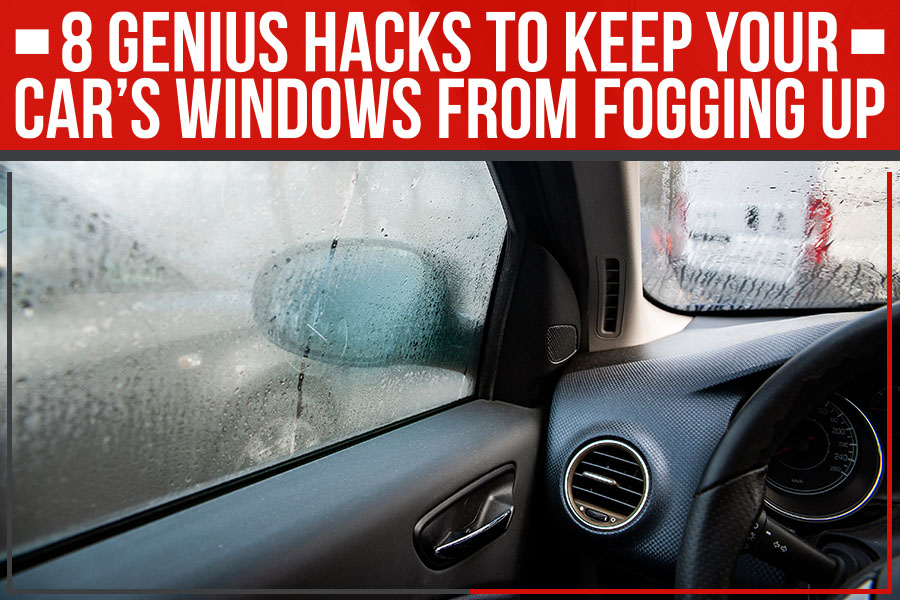
Image Source: www.yorkchryslerdodgejeepram.com
How Do I Stop My Car Windows From Fogging Up Fast?
To stop your car windows from fogging up fast, you need to reduce the moisture inside your car and improve air circulation. Simple methods include using your car’s defroster, turning on the air conditioning, opening windows slightly, and keeping your car’s interior clean and dry.
Foggy car windows are more than just an annoyance; they’re a significant safety hazard. When that frustrating fog rolls in, especially during unpredictable weather or at night, your visibility plummets, increasing the risk of accidents. Fathoming why this happens is the first step to finding effective solutions.
Deciphering the Mystery of Car Window Condensation
The culprit behind foggy car windows is simple physics: condensation. This occurs when warm, moist air inside your car comes into contact with the colder glass surfaces of your windows. Think of a cold drink on a hot day – water droplets form on the outside of the glass. Your car’s interior is no different.
Several factors contribute to the excess moisture that causes interior car window fog:
- Occupants Breathing: We exhale warm, moist air. The more people in the car, the more moisture is introduced into the cabin.
- Wet Clothing and Shoes: Especially during rainy or snowy weather, wet items brought into the car release moisture into the air as they dry.
- Spilled Drinks: Even small spills can contribute to a higher humidity level inside the vehicle.
- Leaky Seals: Faulty door or window seals can allow external moisture to seep into the car.
- Blocked Air Vents: If your air intake vents are blocked by leaves or debris, the system can’t effectively circulate fresh, dry air.
- Heating System Moisture: Some older heating systems can introduce a small amount of moisture into the cabin.
When the warm, humid air inside your car hits the cooler glass, the water vapor in the air cools down and changes back into liquid water. These tiny water droplets cling to the glass, creating that familiar foggy film. This is what we commonly refer to as car window condensation.
Tackling Foggy Windshields Causes and Solutions
Understanding the root causes of foggy windshield causes is key to implementing effective car window fog solutions. Let’s dive into the practical ways to keep your view crystal clear.
1. The Power of Your Car’s Climate Control System
Your car’s climate control system is your best friend in the battle against foggy windows. Knowing how to use it effectively is crucial.
Using the Defroster
The primary function of the defroster is to combat fog and ice on your windshield and rear window.
- Front Defroster: This system directs air specifically onto the front windshield. Look for the icon on your dashboard that resembles a windshield with wavy arrows pointing up.
- Rear Defroster: This uses heating elements embedded in the glass to evaporate moisture from the inside of the rear window. The icon typically shows a rectangle with wavy arrows.
Pro Tip: For the fastest defrosting, use the defrosting car windows setting in conjunction with your air conditioning. This might seem counterintuitive, but the AC system acts as a dehumidifier, removing moisture from the air before it’s blown onto the windshield.
The Air Conditioning (AC) Advantage
Even in cooler weather, running your AC can be a secret weapon against car interior fog. The AC system naturally removes moisture from the air circulating within the cabin.
- How it Works: As air passes through the AC evaporator, moisture condenses on the cold coils and is drained away. This dry air then gets heated (if you have the heat on) and blown onto the windshield.
- Best Practice: Turn on your AC and set the temperature to your desired level. Then, direct the airflow to the windshield using the defroster setting. This combination provides both heat and dryness, effectively preventing foggy car windows.
Fresh Air vs. Recirculation
This is a critical choice when dealing with fog.
- Fresh Air Mode: This setting draws outside air into the cabin. If the outside air is drier and cooler than the air inside, this can help reduce interior humidity.
- Recirculation Mode: This setting keeps the air circulating within the car. While it can warm up the cabin faster, it traps the moist air inside, exacerbating fogging issues.
When to use Fresh Air Mode:
* When you first notice fog.
* In damp or rainy conditions.
* When you have passengers who are exhaling moisture.
When Recirculation might be okay:
* Briefly, to quickly clear existing fog if the outside air is very humid. However, switch back to fresh air as soon as possible.
2. Simple, Yet Effective, Ventilation Techniques
Sometimes, the simplest solutions are overlooked. Proper ventilation is paramount in removing car window fog.
Cracking the Windows
This is a quick and easy way to equalize the temperature and humidity inside and outside your car.
- How it Helps: Opening the windows even a fraction allows the moist air to escape and be replaced by drier outside air. This is particularly effective when the outside air is cooler.
- When to Use: This is a great first step if you see fog starting to form, especially before it becomes a significant problem.
Ensuring Clear Air Vents
Your car’s ventilation system relies on unobstructed airflow.
- Cabin Air Filter: This filter cleans the air entering your car and can become clogged with debris over time. A dirty filter can restrict airflow, hindering the defroster’s effectiveness. Consider checking and replacing your cabin air filter regularly.
- External Air Intakes: These are usually located near the base of your windshield. Ensure they are free from leaves, snow, or other debris that could block air intake.
3. Keeping Your Car Interior Dry
The less moisture you have inside your car to begin with, the less likely your windows are to fog up.
Drying Wet Items
- Floor Mats: Keep spare, dry floor mats in your car. When the weather is bad, swap out wet mats for dry ones.
- Umbrellas and Coats: Store wet items in waterproof bags or the trunk if possible.
- Shoes: Have a designated spot for damp shoes.
Using Moisture Absorbers
These are passive devices that can help reduce overall humidity.
- Silica Gel Packets: You can often collect these from packaging or purchase them online. Place them in strategic locations like under seats or in door pockets.
- Desiccant Bags: These are larger bags filled with moisture-absorbing materials. Some are reusable by drying them out in the sun or a low oven.
- Cat Litter: Unused silica-based cat litter can also be an effective, albeit less aesthetically pleasing, moisture absorber. Place some in a breathable cloth bag.
4. Cleaning Your Windows for Optimal Clarity
Dirt and residue on your windows can actually trap moisture, making fogging worse.
Cleaning the Inside of Your Windows
A clean window surface is less prone to fogging.
- What to Use:
- Microfiber Cloths: Use two cloths – one for cleaning and one for buffing.
- Glass Cleaner: Ammonia-free glass cleaners are best for car windows, as ammonia can damage tint and interior plastics.
- How to Clean:
- Spray a small amount of glass cleaner onto the cleaning cloth, not directly onto the window.
- Wipe the inside of the window in a back-and-forth motion, overlapping your strokes.
- Use the second, dry microfiber cloth to buff the glass until it’s streak-free.
- Pay attention to corners and edges where dirt and grime can accumulate.
Why a Clean Surface Matters
The microscopic imperfections and residue on a dirty window provide more surface area for water droplets to cling to. A clean, smooth surface makes it harder for moisture to adhere.
5. Anti-Fog Treatments and Solutions
For those seeking more advanced or long-lasting car anti-fog solutions, several products are available.
Commercial Anti-Fog Sprays and Wipes
These products create a hydrophobic barrier on the glass, which helps water bead up and run off rather than forming a fog.
- Application: Follow the product instructions carefully. Typically, you apply the spray or wipe to a clean window and then buff it clear.
- Effectiveness: Their effectiveness can vary, and they may need reapplication periodically.
DIY Anti-Fog Solutions
Several household items can offer temporary anti-fog properties.
- Shaving Cream: Apply a thin layer of shaving cream to the inside of the window and then wipe it off completely with a clean cloth. The residue left behind can act as a defogger.
- Potato: Rub a raw potato on the inside of your windows. The starch can leave a thin film that helps prevent fogging. Wipe off any excess.
- Vinegar Solution: Mix equal parts white vinegar and water in a spray bottle. Spray onto a cloth and wipe the inside of your windows. The acetic acid in vinegar can help break down static and reduce fogging.
Important Note: While these DIY methods can offer temporary relief, they might leave streaks or residue if not applied correctly. Always test in an inconspicuous area first.
6. Addressing Specific Foggy Window Scenarios
Foggy car windows at night can be particularly dangerous. The headlights of oncoming traffic reflecting off the foggy glass can be disorienting.
- Nighttime Fog: At night, the contrast between the external lights and the fog can be more pronounced. Ensure your defroster is on its highest setting and consider using your AC. A clean windshield is crucial to minimize light distortion.
- Sudden Fogging: If your windows fog up suddenly and aggressively, it often indicates a significant moisture issue or a malfunctioning climate control system. Check your cabin air filter and air intake vents first.
7. Maintenance and Prevention
Consistent maintenance is the best strategy for preventing foggy car windows.
Regular Cabin Cleaning
- Vacuuming: Regularly vacuum your car’s interior, especially the carpets and floor mats, to remove dampness and dirt.
- Wipe Down Surfaces: Use a slightly damp cloth to wipe down hard surfaces, removing any potential moisture or spills.
Checking for Leaks
- Door and Window Seals: Inspect the rubber seals around your doors and windows for cracks or damage. Damaged seals can allow water to enter the cabin.
- Sunroof Drains: If your car has a sunroof, its drainage channels can become blocked, leading to water buildup and moisture in the cabin.
Proper Air Conditioning Use
- Run AC Periodically: Even in winter, running your AC for a few minutes once a week can help dry out the system and prevent mold or mildew growth, which can contribute to musty odors and moisture.
Frequently Asked Questions (FAQ)
Q1: Why do my car windows fog up even when it’s not cold outside?
A1: Fogging occurs due to a temperature difference and humidity. If the air inside your car is more humid than the outside air, and the windows are cooler, condensation will form. This can happen in warm, humid weather if the air inside your car is significantly warmer and wetter due to passengers or damp items.
Q2: Can I use household cleaners on my car windows?
A2: It’s best to stick to ammonia-free glass cleaners specifically designed for automotive use. Ammonia can damage window tint and some interior plastics. Avoid abrasive cleaners that can scratch the glass.
Q3: How often should I clean my car windows?
A3: For optimal visibility and to help prevent fogging, it’s recommended to clean the inside of your car windows at least once a month, or more frequently if you notice dirt buildup or streaks.
Q4: What is the best way to remove fog from a car windshield quickly?
A4: The quickest way is to use your car’s front defroster on the highest setting, turn on the air conditioning, and set the air to fresh intake mode. If you don’t have AC, opening the windows slightly can also help quickly disperse the fog.
Q5: My car still fogs up after I’ve tried these methods. What else could be wrong?
A5: If persistent fogging continues, there might be a deeper issue, such as a clogged cabin air filter, blocked air intake vents, a leak in the system, or even a problem with your heater core that is introducing moisture into the cabin. It might be worth having your vehicle inspected by a mechanic.
By consistently applying these strategies and understanding the science behind car window condensation, you can ensure clear visibility and safer driving conditions, no matter the weather. Keeping your car windows fog-free is an essential part of safe driving.