Can you get a car wash in freezing temperatures? Yes, but it’s best to avoid it if the temperature is below 20°F (-6.7°C). Washing your car in extremely cold weather can lead to several problems, including ice formation on your vehicle and potential damage.
The allure of a clean car can be strong, even when winter’s icy grip tightens. However, taking your vehicle through a car wash when freezing temperatures are present requires careful consideration to prevent damage and ensure safety. This guide will help you decipher the optimal conditions for a winter car wash and provide essential safety tips.
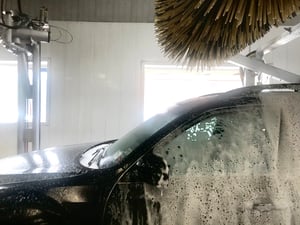
Image Source: www.thesilverlining.com
Decoding Winter Car Wash Conditions
When the mercury plummets, the water used in car washes can become a hazard. The primary concern is ice formation. Water droplets that cling to your car after a wash can freeze, potentially locking your doors, windows, and even affecting the moving parts of your vehicle.
What Temperature Is Too Cold for a Car Wash?
While there isn’t a single, universally mandated car wash temperature limit, most experts and professionals recommend avoiding car washes when the ambient temperature is below 20°F (-6.7°C). Some automated car washes might operate at slightly lower temperatures, but the risk of ice-related issues increases significantly as it gets colder.
Why Is Cold Weather Risky for Car Washes?
Several factors contribute to the risks associated with washing your car in the cold:
- Rapid Freezing: Water left on your car’s surface can freeze almost instantly, creating a slick layer of ice.
- Door and Lock Freezing: Water can seep into the seals around doors and locks, freezing them shut.
- Windshield and Window Issues: A frozen windshield is not only inconvenient but can also be a safety hazard, impairing visibility.
- Undercarriage Ice Build-up: The undercarriage can accumulate ice, potentially affecting suspension components or brake lines if left unchecked.
- Car Wash Equipment Issues: While less common, extreme cold can sometimes affect the performance of car wash equipment.
Navigating the Winter Car Wash Experience
When you do decide to brave a car wash in colder weather, it’s crucial to adopt a strategy that minimizes risks. This involves choosing the right type of car wash and taking preventative measures.
Choosing the Right Car Wash in Winter
Not all car washes are created equal when it comes to winter readiness.
Automated Car Washes
Automated car washes, especially those with powerful blowers and drying systems, can be a viable option in moderately cold weather. The rapid drying process helps remove excess water before it can freeze.
- Pros: Quick, efficient, often have pre-rinse systems to remove salt and grime effectively.
- Cons: Can still leave residual water if drying is insufficient, risk of brushes freezing or becoming stiff.
Self-Service Bays
Self-service bays offer more control, allowing you to focus on drying critical areas. However, they require more effort from you.
- Pros: You can control the rinsing and drying process, allowing you to be more thorough.
- Cons: Requires more physical exertion in the cold, you are exposed to the elements.
Hand Washing at Home (Not Recommended in Freezing Temps)
While tempting, a hand wash at home in freezing temperatures is generally not advised. The risk of leaving water behind and causing ice formation is much higher, and you lack the specialized drying equipment of commercial washes.
Essential Safety Tips for Winter Car Washes
To protect your vehicle and ensure a smooth experience, keep these tips in mind:
- Warm Up Your Car First: Before heading to the wash, run your car for a few minutes to warm up internal components and fluids.
- Choose a Warm Day (Relatively): If possible, schedule your car wash for a day when temperatures are closest to or slightly above freezing.
- Opt for Underbody Washes: Many car washes offer underbody washes. This is particularly beneficial in winter to remove corrosive salt and grime. Ensure the wash includes a good drying cycle for this area.
- Be Mindful of Car Wash Chemicals: Car wash chemicals are designed to break down dirt and grime, but in extreme cold, they can react differently or freeze if not properly handled by the facility. Reputable car washes use heated water and appropriate solutions.
- Pay Attention to the Drying Process: This is arguably the most critical step. Ensure the car wash has a robust drying system. If using a self-service bay, use the air dryers or bring a soft, absorbent towel to dry door jambs, window seals, and mirrors.
- Avoid Opening Doors Immediately: After the wash, wait a few minutes before opening your car doors. This gives any residual water a chance to evaporate or freeze in a less problematic way.
- Check Door Seals: Gently run a towel along door seals and window edges to absorb any remaining moisture. This is a key step to prevent water damage winter scenarios where seals freeze shut.
- Test Door Handles and Locks: Before driving away, try opening and closing your doors to ensure they haven’t frozen shut.
- Clear Your Windshield: If you suspect any frost or thin ice has formed on your windshield, clear it thoroughly before driving. A frozen windshield can be extremely dangerous.
- Listen to Your Car: Pay attention to any unusual sounds or resistance when operating windows or door locks after a wash.
Comprehending the Risks of Ice Formation
Ice formation is the primary adversary during a winter car wash. Understanding how it happens and what to do can save you significant hassle.
The Mechanism of Ice Build-up
Water clings to surfaces through surface tension. When the temperature drops below freezing, these water droplets transform into ice. This ice can expand, potentially damaging seals, paint, and even mechanical components.
Specific Areas Prone to Freezing
- Door Seals: Water can collect in the rubber seals around doors, leading to them freezing shut.
- Window Seals: Similar to door seals, window seals can freeze, making it impossible to open or close windows.
- Door Handles and Locks: Small crevices in door handles and lock mechanisms can trap water, freezing them solid.
- Mirrors: Side mirrors can accumulate water that freezes, obstructing your view.
- Wiper Blades: If left in the “parked” position, wiper blades can freeze to the windshield.
- Fuel Door: In some vehicles, the fuel door can also freeze shut.
Preventing Frozen Components
The best defense is a good offense. Proactive steps can prevent many of these issues.
Drying Techniques
- High-Powered Air Dryers: These are essential in automated washes. They use concentrated air to blow water away from crevices.
- Microfiber Towels: For self-service or after an automated wash, a good quality microfiber towel is invaluable for absorbing residual moisture. Focus on door jambs, window seals, and around mirror housings.
Thawing a Frozen Car
If your car does freeze shut after a wash, avoid brute force.
Methods for Thawing
- Lukewarm Water: Gently pour lukewarm (not hot!) water over the affected door or lock.
- De-icer Spray: Automotive de-icer sprays are readily available and effective for frozen locks and seals.
- Hair Dryer: In a pinch, a hair dryer can be used from a safe distance to warm up frozen areas. Be cautious not to overheat any single spot.
- Avoid Hot Water on Glass: Never pour hot water directly onto a frozen windshield or window, as the sudden temperature change can cause it to crack.
Maintaining Your Vehicle’s Appearance and Functionality in Winter
Beyond car washes, cold weather car care encompasses a broader approach to keeping your vehicle in optimal condition.
The Importance of Regular Cleaning
Even in winter, washing your car is important. Road salt and grime are highly corrosive and can cause significant damage to your car’s paint and undercarriage over time. Regular washing helps mitigate these effects.
When to Prioritize a Wash
- After Driving on Salted Roads: If you’ve driven on roads treated with salt or de-icing chemicals, a wash is highly recommended.
- Before a Cold Snap: If you know a period of extreme cold is coming, giving your car a wash and ensuring it’s thoroughly dried can prevent issues during the freeze.
- After a Significant Snowfall: While not always practical, removing heavy snow and ice can prevent moisture from lingering and freezing.
Considerations for Different Car Wash Types
When choosing a car wash, consider its suitability for winter conditions.
Touchless Washes
Touchless washes use high-pressure water and cleaning solutions without physical contact. These can be a good option in winter as they minimize the risk of mechanical damage from frozen brushes, but thorough drying is still paramount.
Soft Cloth Washes
These use rotating brushes made of soft materials. While generally safe, in very cold weather, the brushes themselves can accumulate ice, potentially leading to scratching if not maintained properly by the car wash facility.
The Role of Car Wash Chemicals
The effectiveness of car wash chemicals can be influenced by temperature. Reputable car washes use heated water and solutions formulated to perform in a range of temperatures. However, if the water supply or the chemicals themselves are too cold, their cleaning power might be diminished, and they could also contribute to freezing issues.
Deciphering the Impact of Freezing Temperatures on Your Vehicle
Freezing temperatures present a unique set of challenges for automotive maintenance.
Salt and Corrosion
Road salt is a major enemy of your car’s undercarriage and body panels. It accelerates rust and corrosion, especially on metal components. Regular washing helps remove these harmful residues.
Paint Protection
A layer of wax or sealant on your car’s paint can provide an extra barrier against salt, grime, and the general harshness of winter weather.
Tire Pressure
Cold weather can cause tire pressure to drop. It’s essential to check your tire pressure regularly and inflate them to the manufacturer’s recommended levels. Properly inflated tires are crucial for traction and safety in winter conditions.
Wiper Blades and Fluid
Ensure your wiper blades are in good condition and consider using winter-specific windshield washer fluid that won’t freeze. Frost and ice on your windshield can make driving hazardous.
Addressing Common Concerns and FAQs
Here are some frequently asked questions about winter car washes.
Frequently Asked Questions (FAQ)
Q1: Can I wash my car if it’s 15°F (-9.4°C)?
A1: It’s generally not recommended. At 15°F, water can freeze very quickly on your car, leading to locked doors, windows, and potential damage. If you must wash it, ensure you have a way to dry it thoroughly, especially door jambs and seals.
Q2: Will the car wash damage my car in the cold?
A2: The primary risk is ice formation causing components like doors or windows to freeze shut. Reputable car washes use heated water and effective drying systems to minimize this risk. However, if the car wash is poorly maintained or the temperatures are extremely low, damage is more likely.
Q3: What should I do if my car doors freeze shut after a wash?
A3: Avoid pulling forcefully. Use lukewarm water, a de-icer spray, or a hair dryer (from a safe distance) to melt the ice. You can also try gently pushing on the door to break the ice seal before attempting to open it.
Q4: Is a touchless car wash safer in winter?
A4: Touchless washes can be safer in the sense that there’s no physical contact from brushes that could freeze. However, they still involve water, so the risk of ice formation remains if drying is inadequate.
Q5: How do I prevent my car from freezing after a wash?
A5: The best method is thorough drying. Pay special attention to door seals, window frames, mirrors, and door handles. Using a high-quality microfiber towel to absorb residual moisture is highly effective.
Q6: Can car wash chemicals freeze?
A6: Yes, some car wash chemicals can freeze if they are not formulated for cold temperatures or if the water they are mixed with is too cold. Professional car washes typically use heated water and appropriate solutions to prevent this.
Q7: What is the car wash etiquette winter season?
A7: In winter, car wash etiquette involves being efficient, ensuring your vehicle is as dry as possible before leaving, and being mindful of others who might be waiting or have just exited the wash. Avoid lingering unnecessarily, especially if you need to dry your car manually.
Q8: Is it okay to wash my car in the driveway during winter?
A8: It is generally not advisable to wash your car in your driveway during freezing temperatures. The water you use can create icy patches on your driveway and sidewalk, posing a hazard. Furthermore, controlling the drying process to prevent ice formation on your vehicle is much more difficult without professional equipment.
Q9: How does the cold affect the effectiveness of car wash soap?
A9: Cold temperatures can slow down the chemical reactions in car wash soaps, making them less effective at breaking down dirt and grime. Heated water helps counteract this, ensuring the soap works as intended.
Q10: What are the signs of potential water damage winter scenarios from car washing?
A10: Signs include doors or windows that won’t open or close properly, frozen locks, visible ice build-up on seals or crevices, and the inability to retract side mirrors. Early detection and prevention through thorough drying are key to avoiding more serious water damage winter issues.
By following these guidelines and exercising caution, you can keep your car clean and protected, even when the weather outside is frightful. Remember, a little extra attention during the winter months can go a long way in preserving your vehicle’s condition.