Image Source: avalonking.com
Washing Your Car In Winter: Can You Wash Your Car When It’s Cold?
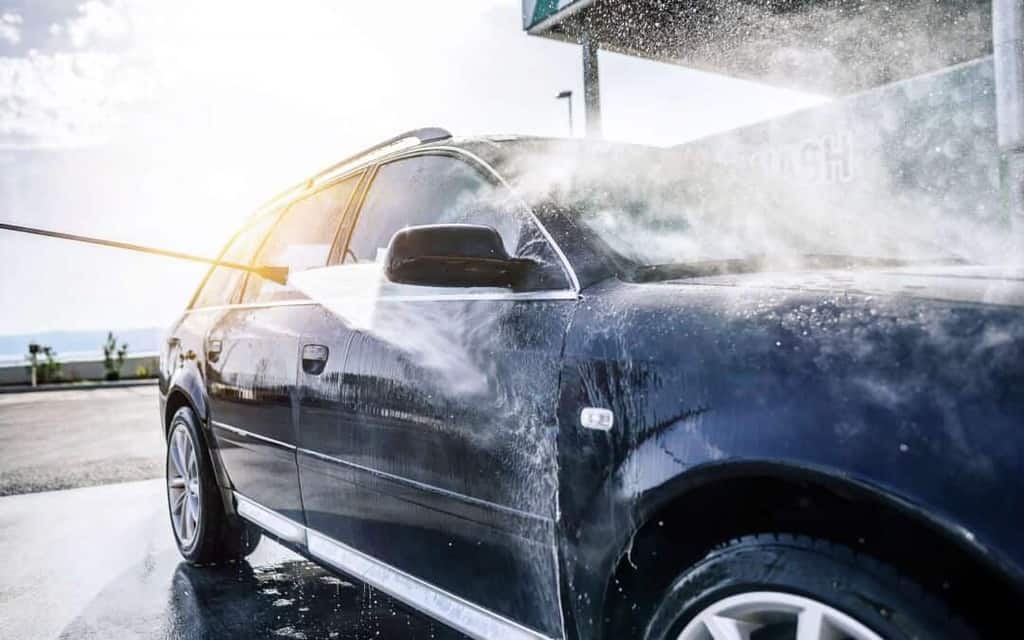
Yes, you can wash your car when it’s cold, but you need to take extra precautions to prevent damage and ensure the process is effective. Washing your car in winter is not only possible but also crucial for protecting it from the harsh elements.
When the mercury drops, the idea of washing your car might seem counterintuitive, conjuring images of frozen hoses, slippery buckets, and cars encased in ice. However, neglecting your car’s cleanliness during the winter months can lead to more significant problems than a brief encounter with cold water. Road salt, grime, and slush can wreak havoc on your vehicle’s paint, undercarriage, and even its mechanical components. This guide will delve into the nuances of winter car maintenance washing, offering practical advice on how to wash car in winter and navigate the challenges of cold weather car care. We’ll explore the best methods, essential tools, and critical considerations for successful exterior car cleaning cold conditions.
The Importance of a Winter Car Wash
Driving in winter means exposure to a cocktail of corrosive substances. Road salt, applied liberally to keep roads clear of ice, is a major culprit. When it mixes with moisture and adheres to your car, it accelerates rust formation, particularly on the undercarriage, brake lines, and body panels. Other winter grime, like sand, dirt, and de-icing chemicals, also contributes to this corrosive environment.
Regular washing during winter helps to:
- Prevent Rust and Corrosion: Removing salt and chemicals is paramount to protecting your car’s metal components from the damaging effects of rust.
- Maintain Paint Integrity: Grime and road debris can act like sandpaper on your paintwork, causing micro-scratches that dull the finish and can eventually lead to deeper damage.
- Ensure Visibility: Dirty windows and mirrors compromise your ability to see clearly, which is a significant safety hazard in low-light winter conditions.
- Protect Tires and Wheels: Salt and grime can damage tire rubber and wheel finishes, leading to premature wear and unsightly discoloration.
- Preserve Resale Value: A well-maintained car, even one driven in winter, will command a better price when it’s time to sell.
Can You Really Wash Your Car in Freezing Temperatures?
The short answer is yes, but with significant caveats. Washing car below freezing requires careful planning and execution to avoid turning your car into an ice sculpture or damaging its components. The key lies in managing water temperature, preventing ice buildup, and ensuring all water is removed effectively.
Challenges of Washing Your Car in Winter
Before we get into the “how,” let’s acknowledge the common concerns:
- Freezing Water: The most obvious challenge is water freezing on contact with surfaces or in your washing equipment.
- Ice Formation: Water left on the car, especially in crevices, door seals, and locks, can freeze, making it difficult to open doors, windows, and even the fuel filler cap.
- Frozen Wash Mitts and Buckets: If you’re doing it yourself, your tools can become unusable as water freezes.
- Slippery Conditions: Water can freeze on the ground, creating a dangerous slip hazard for you and potentially others.
- Cold Hands: Working with cold water and freezing temperatures can be uncomfortable and even painful for your hands.
Deciphering the Best Methods for a Winter Car Wash
When considering washing car in winter, the ideal scenario involves a heated environment. However, not everyone has access to an indoor car wash or heated garage. Here’s a breakdown of practical methods, from the most ideal to the most accessible.
Method 1: The Professional Heated Car Wash
This is the most straightforward and safest option for cold weather car care.
- Pros:
- Heated environment eliminates freezing risks.
- Professionals have the right equipment and products.
- Often includes undercarriage washes to remove salt.
- Convenient and time-saving.
- Cons:
- Can be more expensive.
- May require booking in advance.
- Not always available in all areas.
When choosing a professional service, look for ones that specifically mention winter car maintenance washing and offer undercarriage cleaning.
Method 2: The DIY Approach – Indoor or Heated Garage
If you have access to an indoor space, even an unheated garage, you have a significant advantage.
- Process:
- Warm Up the Car: Run the engine for a bit to warm the car’s surfaces.
- Prepare Your Supplies: Gather your car wash soap, buckets, wash mitts, drying towels, and a hose that can reach the garage.
- Use Warm Water: Fill your buckets with warm water. This is crucial for preventing quick freezing.
- Wash in Sections: Work on one section of the car at a time, rinsing thoroughly before moving to the next. This minimizes the time water sits on the surface.
- Dry Thoroughly: This is the most critical step. Use high-quality microfiber drying towels to remove every drop of water. Pay extra attention to door jambs, mirrors, window seals, and locks.
- Protect with a Sealant or Wax: Applying a protective layer after washing will help repel water and prevent ice buildup.
Method 3: The DIY Approach – Outdoor Wash (with Precautions)
This is the most challenging but often the only option for many. It requires careful attention to detail.
-
Timing is Key:
- Choose a day when the temperature is above freezing, even if only for a few hours. A sunny day is best as it can help with drying.
- Avoid washing late in the afternoon or evening when temperatures are likely to drop rapidly.
-
Essential Equipment for Outdoor Washing:
- Warm Water: Bring containers of warm water from home, or use a hose with a water heater if available.
- Two Buckets: One for soapy water, one for rinsing your wash mitt. This prevents spreading dirt and grit.
- Quality Wash Mitt: A plush microfiber mitt is best for lifting dirt.
- pH-Neutral Car Wash Soap: Harsh chemicals can strip protective waxes.
- Microfiber Drying Towels: Several large, absorbent towels are essential for thorough drying.
- Detailing Spray or Quick Detailer: Can help with drying and add a layer of protection.
- Door Seal Lubricant: Silicone spray or a dedicated lubricant can prevent doors from freezing shut.
- Compressed Air (Optional but Recommended): Great for blowing water out of crevices, door locks, and mirrors.
-
Step-by-Step Outdoor Washing:
- Pre-Rinse: Use a hose (preferably with warm water if possible) to rinse off loose dirt, salt, and slush. This makes the washing process easier and less abrasive.
- The Two-Bucket Wash:
- Fill one bucket with warm water and car wash soap.
- Fill the second bucket with plain warm water for rinsing your mitt.
- Dip your wash mitt into the soapy water, wash a section of the car (start from the top and work down), then rinse the mitt thoroughly in the clean water bucket before dipping back into the soap.
- Crucially, rinse each section of the car immediately after washing. Do not let the soap dry on the paint.
- Focus on the Undercarriage: If possible, use a hose with a strong spray or a pressure washer (on a low setting) to thoroughly clean the undercarriage, wheel wells, and lower body panels. This is where most of the salt and grime accumulates.
- Drying – The Most Critical Step:
- Use your microfiber towels to dry the car from top to bottom.
- Blot the water rather than wiping aggressively, especially on the lower panels.
- Meticulously dry all door jambs, sills, and the area around the trunk and hood.
- Use compressed air to blast water out of door handles, mirrors, window seals, gas cap area, and any other nooks and crannies. This is vital to prevent frost on car wash aftermath.
- Wipe down all window seals and apply a silicone lubricant to prevent them from freezing.
- Ensure door locks are dry and consider applying a lock de-icer if you anticipate extreme cold.
- Final Protection: Apply a spray wax or quick detailer to provide an extra layer of protection and enhance shine.
Specific Concerns When Washing Car in Freezing Temperatures
When the temperature dips significantly below zero, washing car in freezing temperatures becomes even more precarious.
- Waterless Wash or Rinseless Wash: For light dirt, consider a waterless wash spray and microfiber towels. A rinseless wash involves using a special polymer-enhanced wash solution in a bucket, where you don’t need to rinse the car with a hose. You wash a panel, then dry it immediately with a separate microfiber towel. This method uses significantly less water and reduces the risk of freezing.
- Avoid High-Pressure Washing in Extreme Cold: While pressure washers can be great for rinsing, the high-pressure stream can force water into tiny openings where it may freeze. If you use one, ensure you have a way to dry thoroughly.
- Door Seals and Locks: This is where cold weather auto detailing becomes critical. Always dry these areas meticulously and apply lubricant. If your doors freeze shut, don’t force them. Try using a hairdryer on the lock mechanism or the edge of the door.
Products and Tools for Cold Weather Car Care
Investing in the right products can make a significant difference in your winter car maintenance washing efforts.
| Product/Tool | Purpose | Why it’s Important for Winter |
|---|---|---|
| Two Buckets | Separate wash and rinse water. | Prevents re-depositing dirt and grit, reducing scratches on frozen or cold paint. |
| Grit Guards | Sit at the bottom of buckets to trap dirt. | Further prevents dirt from being reintroduced to your wash mitt. |
| Microfiber Wash Mitt | Gentle cleaning of the car’s surface. | Holds more soapy water, reducing the need for constant dipping. Safer than sponges. |
| pH-Neutral Car Wash Soap | Cleans effectively without stripping protection. | Protects existing wax or sealant layers, which are crucial for winter protection. |
| High-Quality Microfiber Drying Towels | Absorb water efficiently. | Essential for removing all moisture to prevent freezing. Large, plush towels are best. |
| Door Seal Lubricant (Silicone Spray) | Prevents rubber seals from sticking to the car body when frozen. | Stops doors from freezing shut, preventing damage to seals and door mechanisms. |
| Detailing Spray/Quick Detailer | Adds a final layer of shine and protection. | Can help sheet water off the surface during drying and provides a barrier against the elements. |
| Compressed Air (e.g., leaf blower or dedicated blower) | Blows water out of crevices. | Crucial for removing trapped water in mirrors, window seals, door locks, and panel gaps that could freeze and cause problems. |
| Wheel Cleaner | Removes brake dust and road grime from wheels. | Wheels are exposed to road salt and grime, and proper cleaning prevents corrosion and unsightly build-up. |
| Glass Cleaner & Microfiber Glass Towels | For streak-free window cleaning. | Essential for maintaining visibility in winter conditions, where dirty windows are a safety hazard. |
| Tire Dressing | Protects and shines tires. | Can offer some protection to the rubber from salt and chemicals. |
| Lock De-Icer | Melts ice in door locks. | A preventative measure if you live in a very cold climate and expect frozen locks. |
Interpreting Car Wash Temperatures
What’s considered “too cold” for washing your car?
- Above Freezing (32°F / 0°C and above): Ideal conditions for an outdoor wash, though still requires careful drying.
- Just Below Freezing (31°F to 25°F / -0.5°C to -4°C): Possible with extreme caution, focus on warm water, rapid washing, and immediate, thorough drying. Use lubricants on seals and locks.
- Significantly Below Freezing (Below 25°F / -4°C): Generally not recommended for DIY outdoor washes. The risk of freezing water in critical areas is too high. Professional heated washes are the best option.
When washing car in freezing temperatures, always err on the side of caution. If you’re unsure or the conditions are severe, it’s better to wait for warmer weather or opt for a professional service.
Frequently Asked Questions (FAQ)
Q1: Can I use a pressure washer to wash my car in winter?
A1: Yes, but with caution. Ensure the water is not freezing and that you don’t spray directly into sensitive areas like door locks or engine components. Always follow up with thorough drying, especially in crevices. A lower pressure setting is generally safer in cold weather.
Q2: What is the best way to dry my car in winter?
A2: The best way is with absorbent microfiber drying towels, followed by compressed air to remove water from all nooks and crannies. Blottting is preferable to wiping to minimize the risk of scratching cold paint.
Q3: Will washing my car in winter cause it to rust faster?
A3: No, quite the opposite. Washing your car in winter removes the salt and chemicals that cause rust. The key is to wash it and then dry it thoroughly to prevent ice buildup that can trap moisture.
Q4: My car doors froze shut after a winter wash. What should I do?
A4: Do not force the doors. Use a hairdryer on the lock mechanism or the edge of the door to melt the ice. You can also try a lock de-icer. In the future, ensure you thoroughly dry and lubricate door seals and locks after washing in cold weather.
Q5: Is it okay to wash my car at an automatic car wash in winter?
A5: Generally, yes. Most automatic car washes are designed to handle winter conditions. However, some may not have effective drying cycles, so it’s still a good idea to dry any remaining water droplets yourself, especially around seals and locks. Look for washes that offer an undercarriage spray.
Q6: How often should I wash my car in winter?
A6: Aim for at least once every two to three weeks, especially if you drive on roads treated with salt. More frequent washing might be necessary after heavy snowfall or if you notice significant salt buildup.
Q7: Can I wash my car at night in winter?
A7: It’s generally not advisable. Temperatures typically drop significantly at night, increasing the risk of water freezing on your car and in your equipment. If you must wash at night, ensure you have adequate lighting and can complete the drying process before temperatures plummet.
Q8: What are the risks of washing my car when there is frost on it?
A8: Washing a car with frost on it is generally not recommended. The frost is a sign that surfaces are at or below freezing. Applying warm water could cause rapid temperature changes that might stress the paint or glass. It also means any water you use will freeze very quickly, potentially causing more problems than it solves, including the aforementioned frost on car wash scenarios. It’s best to wait until the frost has melted naturally.
By following these guidelines, you can effectively maintain your vehicle’s appearance and protect it from the damaging effects of winter, ensuring your car stays in good condition throughout the cold months. Remember, consistent cold weather auto detailing is an investment in your car’s longevity and your safety.