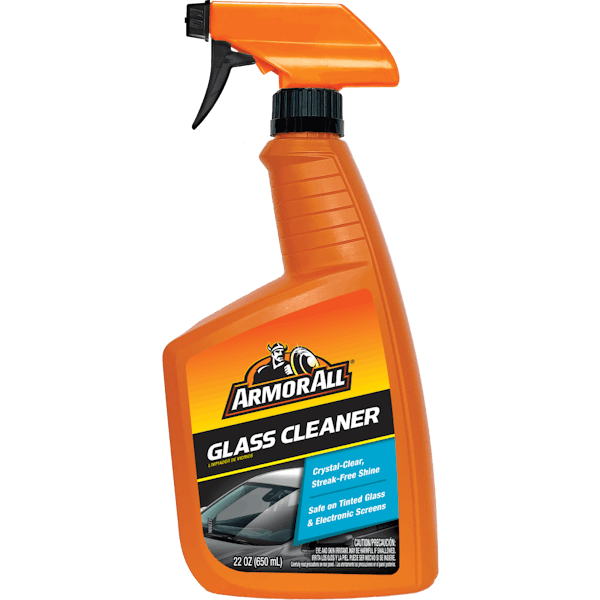
Image Source: armorallproductimagecdn.imgix.net
Can You Use Glass Cleaner On Car Paint Safely?
In short, while some glass cleaners might be used on car paint in a pinch, it’s generally not recommended and can pose risks to your vehicle’s finish. The safest approach for cleaning car paint is to use products specifically designed for automotive use.
The allure of a streak-free shine on your car’s windows often leads to a common question among car owners: “Can I use glass cleaner on my car paint?” It’s a tempting shortcut, especially if you’re looking to quickly clean up a smudged windshield or side window and the rest of your car’s paintwork happens to have a few minor marks. However, diving into this with the assumption that all cleaners are created equal for automotive surfaces can lead to regrettable consequences for your vehicle’s appearance and protection. This article aims to thoroughly explore the nuances of using glass cleaner on car paint, whether it’s truly safe, and what alternatives offer superior results for your prized possession.
Deciphering Glass Cleaners and Their Ingredients
To properly answer the question of glass cleaner car paint compatibility, we must first break down what goes into a typical glass cleaner. These products are formulated with specific goals: to cut through grime, fingerprints, and oily residues that commonly accumulate on glass surfaces.
Common ingredients in glass cleaners include:
- Water: The primary solvent.
- Ammonia: A powerful degreaser and cleaning agent. While effective on glass, it can be harsh on automotive finishes.
- Isopropyl Alcohol (Rubbing Alcohol): Helps with evaporation and streak-free drying. It can also be quite drying and potentially strip protective waxes or sealants from paint.
- Surfactants: These are soap-like molecules that help lift dirt and grease. The type and strength of surfactants can vary greatly.
- Solvents: Other solvents might be present to tackle tougher stains.
The key issue with using window cleaner on car paint lies in the strength of these ingredients, particularly ammonia and high concentrations of alcohol.
The Risks: Why Glass Cleaner Isn’t Ideal for Car Paint
While a quick spray and wipe might not immediately reveal catastrophic damage, repeated or widespread use of glass cleaner on your car’s paint can lead to several detrimental effects. The protective layers on your car’s paint, such as wax, sealants, and even the clear coat itself, are delicate and designed to be maintained with specific automotive-grade products.
Stripping Protective Layers
One of the most significant concerns when using glass cleaner car paint is its potential to strip away protective waxes and sealants. These layers are crucial for maintaining the gloss and protecting the paint from environmental contaminants like UV rays, bird droppings, and acid rain. Ammonia and strong solvents found in many glass cleaners can break down these protective barriers, leaving your paintwork exposed and vulnerable.
Damaging the Clear Coat
The clear coat is the outermost layer of your car’s paint job, providing protection and shine. While clear coats are durable, prolonged exposure to harsh chemicals, like those often found in automotive glass cleaner not specifically formulated for paint, can cause etching, dulling, or even delamination over time. The abrasive nature of some cleaning agents, when not properly rinsed, can also contribute to micro-scratches.
Creating Streaks and Swirl Marks
Even if a glass cleaner advertises a “streak-free” finish on glass, applying it to painted surfaces can yield different results. The way light reflects off paint is different from glass. Furthermore, if the cleaner isn’t formulated to lubricate the surface adequately, wiping it across paint can create fine scratches or swirl marks, especially if using a less-than-ideal cloth. The presence of glass cleaner residue car paint can also attract dirt and make future cleaning more difficult.
Potential for Fading or Discoloration
In extreme cases, or with repeated exposure to harsh glass cleaners, the pigments in your car’s paint could be affected, leading to fading or discoloration. This is more likely with older paint jobs or finishes that have already been compromised.
When a Glass Cleaner Might Seem Okay (But Still Isn’t Ideal)
It’s understandable why people might think cleaning car paint with glass cleaner is acceptable. If you have a minor smudge of dirt on your car’s paintwork, and your best glass cleaner car exterior is readily available, it might seem like a quick fix. However, even for minor issues, specialized products are always the safer and more effective choice.
If you must use a glass cleaner on your car’s paint in an absolute emergency, here are some crucial caveats to keep in mind:
- Choose Ammonia-Free: Opt for an ammonia-free glass cleaner. These are generally milder.
- Dilute: Consider diluting the glass cleaner with distilled water.
- Test in an Inconspicuous Area: Always perform a spot test on a hidden part of your car’s paint before applying it broadly.
- Use a High-Quality Microfiber Cloth: Employ a clean, soft microfiber towel specifically for this task to minimize scratching.
- Wipe Gently: Avoid aggressive scrubbing.
- Rinse Thoroughly: Immediately after wiping, rinse the area with plenty of clean water.
- Reapply Protection: After using such a cleaner, it’s highly advisable to reapply wax or sealant to the cleaned area to restore protection.
Even with these precautions, the risk of unintended consequences remains higher than using a dedicated car care product.
Dedicated Car Care Products: The Safe and Effective Solution
The automotive detailing world offers a wide array of products specifically designed to clean and protect car paint. These products are formulated with the correct pH balance and chemical compositions to be effective without causing damage.
All-Purpose Cleaners (APCs) for Cars
Many car detailing glass cleaner alternatives are actually All-Purpose Cleaners (APCs) specifically formulated for automotive use. These are designed to be safe for various surfaces, including paint, plastic, and rubber, when diluted correctly. They effectively tackle grime and dirt without stripping waxes or damaging the clear coat.
Quick Detailers and Spray Waxes
These products are fantastic for light cleaning and adding a boost of shine between washes. They often contain mild cleaning agents and polymers or waxes that enhance gloss and provide a layer of protection. Using a quick detailer is an excellent way to remove light dust or fingerprints from your car’s paint.
Dedicated Car Wash Soaps
For a proper wash, a pH-neutral car wash soap is essential. These soaps are designed to lift dirt and grime effectively while being safe for your car’s wax and sealant layers.
Glass Cleaners Specifically for Automotive Use
It’s important to differentiate between general household glass cleaners and specialized automotive glass cleaner. Some products are marketed as safe glass cleaner for car paint or are specifically formulated for both automotive glass and paintwork. These are typically ammonia-free and contain milder cleaning agents and lubricants. However, even with these, it’s always best to confirm their suitability for painted surfaces.
Comparing Glass Cleaners to Car Detailing Products
Let’s look at how typical glass cleaners stack up against products specifically made for car detailing.
| Feature | Standard Glass Cleaner | Automotive Quick Detailer / Spray Wax | Dedicated Car Wash Soap |
|---|---|---|---|
| Primary Purpose | Cleaning glass surfaces | Cleaning light dust/grime, adding shine, temporary protection | Washing the entire vehicle |
| Key Ingredients | Ammonia, alcohol, strong surfactants | Mild surfactants, polymers, waxes, gloss enhancers | pH-neutral surfactants |
| Effect on Paint | Can strip wax/sealants, potentially etch clear coat | Safe for paint, enhances gloss, adds protection | Safe for paint, lifts dirt |
| Best For | Car windows, mirrors (not paint) | Light dust, fingerprints, quick touch-ups | General vehicle washing |
| Risk of Damage | High | Low | Very Low |
The Nuance of Interior vs. Exterior Glass Cleaning
The question of glass cleaner car paint safety often extends to the interior as well. Cleaning your interior glass cleaner car paint surroundings often involves different considerations than the exterior.
Interior Glass Cleaning
For the inside of your car, a high-quality, ammonia-free glass cleaner is usually perfectly safe. The interior surfaces are generally less exposed to harsh environmental elements, and the glass itself may not have the same protective coatings as exterior glass. However, it’s still wise to avoid spraying directly onto the dashboard or other surfaces, as overspray can cause damage or leave a residue. Always spray onto your microfiber cloth first.
Exterior Glass Cleaning
When it comes to the exterior, the stakes are higher. The paintwork is the most visible and often the most expensive part of your car’s finish. Using a standard household glass cleaner car paint interaction here is where the most caution is warranted. The interaction of these cleaners with the car’s clear coat and existing protective layers is the primary concern.
How to Safely Clean Your Car’s Glass
If you’re aiming for that pristine, streak-free look on your car’s windows without risking your paint, here’s the recommended approach:
- Use Dedicated Automotive Glass Cleaner: Purchase a cleaner specifically designed for automotive use. These are readily available at auto parts stores and online. Look for “ammonia-free” options for maximum safety.
- Choose the Right Wipes: Always use clean, lint-free microfiber towels. Have at least two on hand – one for initial cleaning and another for drying and buffing.
- Spray the Towel, Not the Glass Directly: To prevent overspray onto the paintwork, spray the glass cleaner onto your microfiber towel first.
- Clean in Sections: Work on one window section at a time.
- Wipe Horizontally on One Side, Vertically on the Other: This technique helps you identify which side of the glass any streaks might be appearing on, making it easier to correct.
- Buff to a Shine: Use your second clean microfiber towel to buff the glass dry and remove any remaining streaks.
- Address Paint Contamination: If you do get any glass cleaner on your car paint, wipe it off immediately with a damp microfiber cloth and, if possible, follow up with a quick detailer or a spray wax to restore protection.
Frequently Asked Questions About Glass Cleaners and Car Paint
Here are some common questions related to using glass cleaners on car paint:
Q1: Can I use Windex on my car paint?
A1: Standard Windex, which often contains ammonia, is generally not recommended for use on car paint. Ammonia can strip protective waxes and sealants and may damage the clear coat over time. It’s safer to use products specifically designed for automotive paint.
Q2: Is ammonia-free glass cleaner safe for car paint?
A2: While ammonia-free glass cleaners are milder and less likely to cause immediate damage, they are still not ideal for car paint. They can still potentially strip wax or sealant layers. For the best results and to preserve your paint’s integrity, use dedicated automotive cleaners.
Q3: What is the best glass cleaner for car exteriors?
A3: The best glass cleaner for your car’s exterior is one specifically formulated for automotive use. Look for ammonia-free formulas that are designed to be safe for all automotive glass and trim, without harming the surrounding paintwork.
Q4: What happens if I use glass cleaner on my car paint?
A4: Using glass cleaner on car paint can strip away protective waxes and sealants, dull the finish, cause micro-scratches, and in severe cases, potentially damage the clear coat. It’s a risk not worth taking for long-term paint health.
Q5: Can I use household glass cleaner on my car’s interior glass?
A5: Yes, household glass cleaners (preferably ammonia-free) are generally safe for a car’s interior glass. However, always spray the cleaner onto a microfiber cloth first to avoid overspray onto sensitive interior surfaces like leather, plastic, or electronics.
Conclusion: Prioritize Your Paint’s Health
While the convenience of using what’s readily available might be tempting, the question of can you use glass cleaner on car paint safely? ultimately leads to a clear answer: it’s best to avoid it. The chemical composition of most household glass cleaners is not designed for the delicate and complex layers of automotive paint. By investing in dedicated automotive cleaning products, you ensure that your car’s finish remains protected, vibrant, and free from the potential damage that can arise from using the wrong type of cleaner. Stick to specialized car care products for both your glass and your paint to maintain your vehicle’s aesthetic appeal and value for years to come. For any serious car detailing glass cleaner needs or general cleaning car paint with glass cleaner queries, always reach for a product labeled for automotive use.