Yes, you can use car wash soap in a pressure washer, but there’s a big catch: you must use car wash soap specifically made for pressure washers. Not just any car wash soap or household cleaning product is safe or effective for your pressure washer or your car’s paint. Using the wrong type of soap can harm your pressure washer and the surface you’re cleaning.
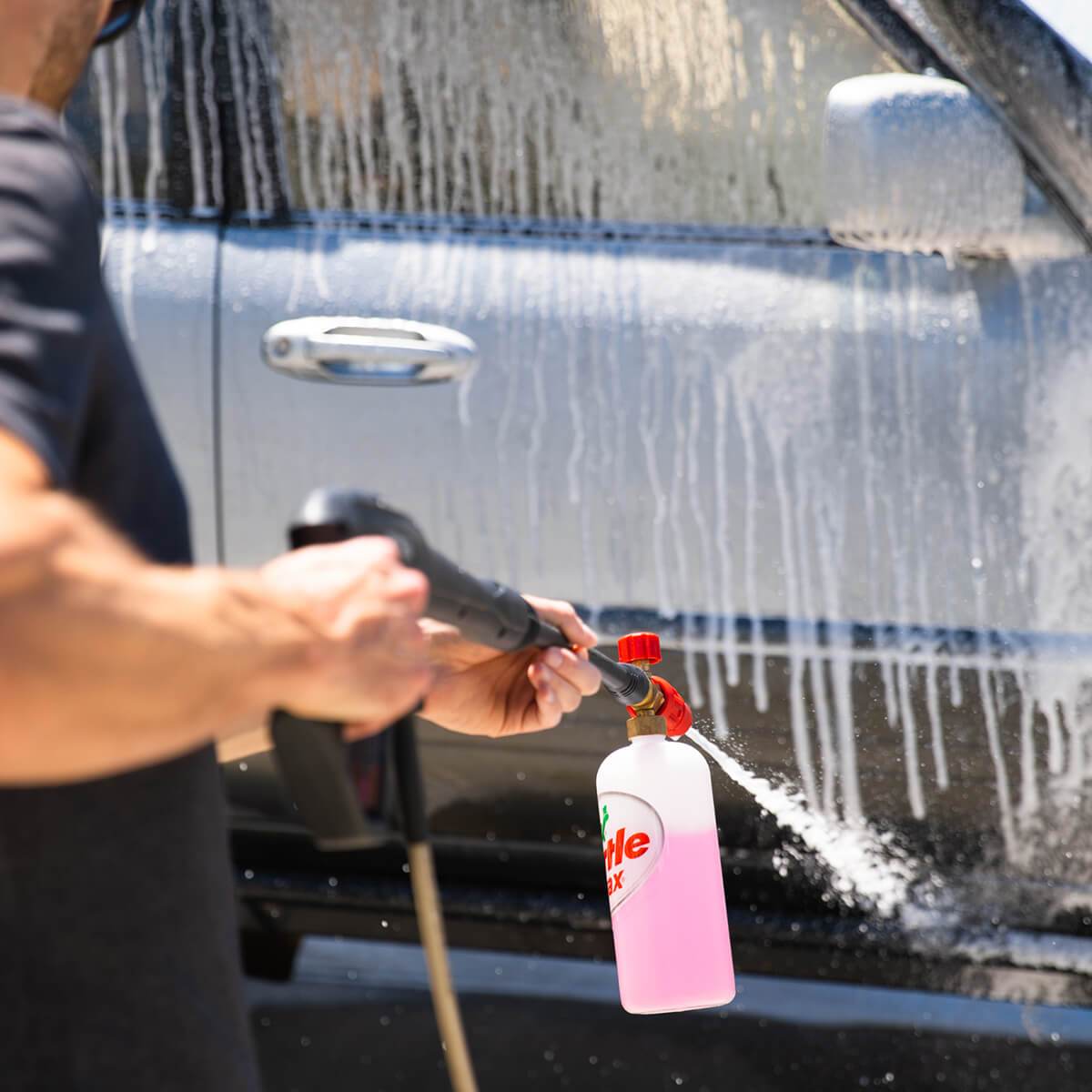
Image Source: cdn.shopify.com
Grasping How Pressure Washer Soap Works
Pressure washers clean mostly with high-pressure water. But sometimes, you need soap to lift dirt and grime that water alone can’t remove. Pressure washers designed to use soap often have a special system. This system usually adds soap after the water has gone through the pump.
Why after the pump? The pump is the heart of the pressure washer. It creates the high pressure. Soap can be thick, contain chemicals, or have particles that can damage the delicate parts inside the pump, like seals and valves. By adding soap downstream (after the pump), the soap doesn’t travel through the pump itself.
There are a few ways a pressure washer adds soap:
- Onboard Soap Tank: Some pressure washers have a tank right on the unit. You fill this tank with pressure washer soap. A tube pulls soap from the tank and mixes it into the water flow, usually at a lower pressure setting.
- Soap Injector: Many pressure washers, especially gas-powered ones, have a special hose called a
car wash soap injectoror siphon tube. This tube drops into a bottle or bucket of pressure washer soap. The pressure washer creates suction that pulls the soap into the water line after the pump. - Foam Cannon or Foamer: This is an accessory that attaches to the end of the pressure washer wand. You put a special
foam cannon car wash soapmixture directly into the cannon’s reservoir. The pressure of the water going through the cannon mixes with the soap and air, making thick foam. This foam sticks to the car and helps break down dirt.
The key point is that the soap is added after the high-pressure pump. This is important for protecting the machine.
Deciphering Pressure Washer Soap Types
Not all soaps are created equal, especially when it comes to pressure washing. Pressure washer soap types are made differently than everyday cleaning products. They are made to work with the pressure and flow of these machines.
Here are some common types of pressure washer detergent and soaps designed for these machines:
- All-Purpose Pressure Washer Detergent: Good for general cleaning tasks like washing decks, driveways, or siding. These are stronger than car wash soaps.
- Car Wash Soap for Pressure Washers: This is the type you need for vehicles. It’s gentle on paint, wax, and clear coats. It’s formulated to rinse away easily without leaving spots or streaks. This is the
best soap for pressure washing cars. - Degreasers: Stronger soaps used for removing oil, grease, and stubborn stains from concrete or engines (though be careful using strong degreasers on car paint).
- Wood Cleaners: Designed for cleaning decks, fences, and wood furniture, often containing brighteners.
- Mold and Mildew Removers: Contain chemicals to kill and remove mold and mildew from various surfaces.
These soaps are formulated to:
- Be safe for pressure washer components (non-corrosive, non-clogging).
- Work well with the pressure and flow rate of the machine.
- Rinse away cleanly.
- Be effective against specific types of dirt and grime.
Comparing them to regular household soaps shows why you need the right kind.
The Pitfalls of Using Household Soap in Pressure Washer
It might seem tempting to grab a bottle of dish soap or laundry detergent for your pressure washer. It makes bubbles, right? But using household soap in pressure washer is a bad idea. It comes with several risks of non-pressure washer soap.
Why is household soap risky?
- Thick Formulas: Dish soaps, laundry detergents, and all-purpose cleaners are often thicker than pressure washer soaps. They can clog the thin tubes and injectors inside your pressure washer’s soap system.
- Harsh Chemicals: Many household cleaners contain harsh chemicals, strong degreasers, or abrasives that can damage your pressure washer’s internal parts, like seals, O-rings, and valves. These parts are not built to handle such chemicals under pressure.
- Sudsing: Household soaps often create a lot of suds. Too many suds can actually reduce the cleaning power of the pressure washer and are very difficult to rinse away completely. Leftover soap residue can leave streaks or damage surfaces.
- Residue: Household soaps can leave behind sticky residue. This residue attracts dirt and can make your surfaces look dirty faster. On cars, this residue can damage paint or wax.
- Not Designed for Pressure/Flow: These soaps are not formulated to be injected or siphoned by a pressure washer’s system. They won’t mix properly or might not work at all with the water flow rate.
Think of it like putting diesel fuel in a gasoline car. Both are fuels, but they are made differently, and one will damage an engine built for the other. Similarly, household soaps are made for washing by hand or in a washing machine, not for the specific mechanics of a pressure washer.
Detailing Pressure Washer Soap Damage
Using the wrong soap can lead to significant pressure washer soap damage. This damage might not happen the first time you use it, but over time, it can cause parts to fail.
Common damage includes:
- Pump Seals and Valves: Household soaps or even concentrated pressure washer soaps that aren’t diluted properly can erode or damage the rubber and plastic seals and metal valves inside the pump. Once these fail, the pump loses pressure or stops working entirely. This is often an expensive repair, sometimes costing more than a new pressure washer.
- Clogged Injectors and Hoses: As mentioned, thicker soaps or those with solid particles can block the narrow tubes and injectors used to draw soap into the water stream. A clogged injector means the soap system won’t work at all.
- Corrosion: Some household cleaners contain corrosive chemicals like bleach or strong acids/alkalines. These can corrode metal parts within the pressure washer over time.
- Damage to Surface: Besides hurting the machine, using the wrong soap can damage what you’re cleaning. Harsh household cleaners can strip wax, dull paint, etch windows, or damage rubber and plastic trim on a car. Using a general all-purpose pressure washer detergent on a car instead of car wash soap will also cause damage to the paint finish.
It’s much cheaper and easier to buy the correct type of pressure washer soap than to repair or replace a damaged machine or repaint a car.
Mastering Diluting Car Wash Soap for Pressure Washer
Even when using soap made for pressure washers, getting the diluting car wash soap for pressure washer part right is crucial. Most pressure washer soaps are sold as concentrates. You must dilute them before use.
-
Why Dilute?
- Machine Safety: Concentrated soap is too harsh for the pressure washer’s injection system. Diluting it makes it flow properly and reduces the concentration of chemicals interacting with machine parts.
- Surface Safety: Concentrated soap can be too strong for the surface you’re cleaning, especially car paint. Proper dilution ensures the soap cleans effectively without causing damage like stripping wax or leaving streaks.
- Effective Cleaning: Soap works best at the recommended strength. Too weak, and it won’t clean. Too strong, and it’s hard to rinse, leaves residue, and wastes product.
-
How to Dilute:
- Read the Bottle: Always check the instructions on the soap bottle. It will give a recommended dilution ratio for pressure washer use. This might be something like 1:10 (1 part soap to 10 parts water), 1:100, or even different instructions depending on how your pressure washer injects soap.
- For Soap Tanks/Injectors: Many pressure washer injection systems automatically dilute the soap further as they draw it from the tank or bucket. For these systems, you often fill the tank or bucket with the concentrated soap, and the machine does the final dilution as it pulls the soap in. Check your pressure washer’s manual to confirm how its specific
soap dispenser pressure washerorcar wash soap injectorworks and if you need to pre-dilute the soap before putting it in the tank/bucket. - For Foam Cannons: Foam cannons require you to mix the soap and water before putting it in the cannon’s reservoir. The soap bottle will give a dilution ratio specifically for foam cannons (e.g., 1:5, 1:10). You’ll measure the soap and water into the cannon’s bottle. This ratio is often richer than the ratios used by the machine’s internal injector because the foam cannon doesn’t dilute it further with high-pressure water inside the machine.
-
Consequences of Wrong Dilution:
- Too Concentrated: Can damage machine parts, strip wax/paint, leave residue, hard to rinse.
- Too Weak: Won’t clean effectively, wastes time and water.
Always follow the manufacturer’s instructions for both the soap and your pressure washer.
Identifying the Best Soap for Pressure Washing Cars
Choosing the best soap for pressure washing cars involves looking for specific qualities that protect your vehicle and work well with your machine.
Key features of good pressure washer car soap:
- Specifically labeled for Pressure Washers: This is the most important factor. It ensures the soap is formulated for the machine’s injection system and rinsing needs.
- pH-Neutral: A pH-neutral soap (around 7) is safest for car paint, wax, and ceramic coatings. It cleans without being too acidic or too alkaline, which can damage the finish.
- Good Lubricity: A good car wash soap provides lubrication. This helps your wash mitt or brush glide over the paint during the contact wash phase (if you do one after the foam). This minimizes scratching.
- High Foaming (Optional but Popular):
Foam cannon car wash soapis popular because the thick foam provides excellent coverage and dwell time. The foam clings to the car, helping to loosen dirt before rinsing or contact washing. While not strictly necessary for cleaning, many detailers prefer it. - Easy Rinsing: A quality soap rinses away cleanly without leaving streaks or spots, especially important if you live in an area with hard water.
- Biodegradable: More environmentally friendly soaps break down naturally.
- Wax and Sealant Safe: If your car has wax or a sealant, make sure the soap won’t strip it off. Most dedicated pressure washer car soaps are designed to be safe for these coatings.
You can find these soaps at auto parts stores, car detailing supply shops, and online retailers. Look for reputable brands known for car care products.
Why Foam Cannon Car Wash Soap is Popular
The foam cannon car wash soap method has become hugely popular among car enthusiasts and professional detailers. It works by mixing a special high-foaming soap with water and forcing it through a small opening under high pressure. This creates a thick, shaving cream-like foam.
Benefits of using a foam cannon:
- Excellent Coverage: The foam coats the entire car surface evenly.
- Increased Dwell Time: The thick foam clings to vertical surfaces longer than watery soap. This gives the soap more time to work on loosening dirt and grime before you even touch the car. This is often called a “pre-wash” or “snow foam.”
- Lifts Dirt: As the foam sits, it helps lift dirt away from the paint surface. This reduces the amount of abrasive dirt particles that could cause scratches during the contact wash phase.
- Looks Cool: Let’s be honest, covering your car in a thick layer of foam looks satisfying!
To use a foam cannon:
- Choose a soap specifically made for foam cannons.
- Mix the soap and water in the foam cannon bottle according to the soap manufacturer’s instructions (usually a richer mix than for onboard tanks).
- Attach the foam cannon to your pressure washer wand.
- Adjust the settings on the foam cannon (often has knobs for foam thickness and spray pattern).
- Apply the foam to the dry or pre-rinsed car, working from bottom to top.
- Let the foam dwell for the recommended time (usually 5-10 minutes), but don’t let it dry on the car.
- Rinse the car thoroughly with clean water using the pressure washer (remove the foam cannon first).
While using a foam cannon is a great way to apply soap, it’s often just the first step in a thorough car wash. After rinsing the foam, most people will still do a contact wash with a wash mitt and a bucket of car wash soap to ensure all the dirt is removed before a final rinse.
Steps for Washing Your Car with a Pressure Washer and Soap
Here is a simple guide on how to safely wash your car using a pressure washer and the correct car wash soap.
- Prepare the Area: Park the car in a shaded spot if possible. Sunlight can dry soap or water on the paint too quickly, leading to spots. Gather your supplies: pressure washer, correct car wash soap (for pressure washers/foam cannons), buckets, wash mitts, drying towels.
- Rinse the Car: Use just plain water in your pressure washer to rinse off loose dirt, mud, and debris. Use a wider spray angle nozzle (like 25 or 40 degrees) and keep the wand a safe distance from the car (at least 1-2 feet) to avoid damaging paint or trim. Work from top to bottom.
- Apply Pressure Washer Soap:
- If using an onboard tank/injector: Fill the tank or place the siphon tube into your bucket of undiluted pressure washer car wash soap concentrate (check your manual to be sure). Switch your pressure washer to the low-pressure or soap setting. Apply soap to the car, working from bottom to top.
- If using a foam cannon: Mix the foam cannon soap and water in the cannon’s bottle according to the soap’s instructions. Attach the foam cannon. Apply the foam to the car, bottom to top.
- Let the Soap Dwell: Allow the soap (or foam) to sit on the car for the time recommended by the soap manufacturer (usually 5-10 minutes). Do not let it dry on the car. If it starts to dry, mist it lightly with water or reapply foam to those areas.
- Perform a Contact Wash (Recommended): While the soap has lifted a lot of dirt, a contact wash is usually needed for a truly clean car. Use a clean wash mitt and a bucket of car wash soap (using the traditional method, not the pressure washer). Wash one section of the car at a time, rinsing the mitt often in a separate rinse bucket to remove dirt. Work from top to bottom.
- Rinse the Car Thoroughly: Switch your pressure washer back to a clean water, higher-pressure setting (using a safe nozzle and distance). Rinse all the soap off the car, working from top to bottom. Make sure no soap residue is left behind.
- Dry the Car: Immediately dry the car using clean microfiber drying towels or a car blower. This prevents water spots. Work from top to bottom.
Remember, the soap application step using the pressure washer is often a pre-wash or aid to the contact wash. It helps break down and lift dirt. The contact wash is what removes the stubborn film and ensures a spotless finish.
Summarizing the Risks of Non-Pressure Washer Soap
To be very clear, using soap not made for pressure washers is risky for both your machine and your car.
Here’s a quick rundown of the risks of non-pressure washer soap:
- Pressure Washer Damage:
- Clogged soap injector or lines.
- Damage to pump seals, valves, and O-rings.
- Corrosion of internal parts.
- System malfunction or complete failure.
- Car/Surface Damage:
- Stripped wax or sealants.
- Dull or etched paint finish.
- Damage to plastic, rubber, or metal trim.
- Leaving stubborn streaks or residue.
- Poor Cleaning Results:
- Too many suds that are hard to rinse.
- Soap that doesn’t mix or spray correctly.
- Leftover residue that attracts more dirt.
It’s a simple rule: If the soap bottle doesn’t say it’s safe for use in a pressure washer (specifically listing pressure washer compatibility), do not use it in your pressure washer’s soap system.
Table: Pressure Washer Car Soap vs. Household Soap
| Feature | Pressure Washer Car Soap | Household Soap (e.g., Dish Soap) |
|---|---|---|
| Designed For | Pressure washer injection systems, car paint | Hand washing, washing machines |
| Formula Thickness | Thin enough to flow through injectors | Can be thick, may clog lines |
| Chemicals | Gentle on paint, non-corrosive to machines | Can be harsh, corrosive chemicals possible |
| Sudsing | Controlled suds, rinses easily | Very high suds, hard to rinse |
| Residue | Formulated to rinse cleanly | Can leave sticky residue |
| Effect on Paint | Safe for paint, wax, sealants (pH-neutral) | Can strip wax, dull finish |
| Effect on Machine | Safe for pump seals and injectors | Can damage pump seals, clog injectors |
| Dilution Guidance | Specific ratios for pressure washers | Not intended for pressure washer dilution |
This table quickly shows the key differences and reinforces why using the correct soap is important.
Considering Alternative Soap Applications
If you only have a pressure washer that doesn’t have a soap injector or you are worried about putting any soap through the machine, there are other ways to use soap when pressure washing your car:
- Pump Sprayer: Use a separate pump sprayer to apply car wash soap solution directly to the car before pressure washing. This acts like a pre-soak. You mix the car wash soap (even regular hand wash car soap, properly diluted) with water in the sprayer.
- Traditional Bucket Wash: Use the pressure washer for rinsing only. Wash the car the traditional way with a wash mitt and two buckets (one with soapy water, one with rinse water). Then use the pressure washer (with a wide nozzle and safe distance) for the final rinse.
These methods avoid putting soap through the pressure washer’s internal system entirely, removing the risk of soap damage to the machine. However, they might not offer the convenience or foaming action of using the machine’s soap system or a foam cannon.
Grasping the Importance of Rinsing
No matter what soap you use or how you apply it, rinsing is just as important as washing. Leftover soap residue can harm your car’s finish and attract dirt quickly.
- Thorough Rinse: Use clean water with your pressure washer (removing the soap injector or foam cannon) to rinse every part of the car. Work from top to bottom, letting the water carry the soap and dirt down.
- Check for Residue: Look closely at trim pieces, door jams, and around badges where soap can hide. Rinse these areas carefully.
- Sheeting: Some pressure washer nozzles or techniques can create a “sheeting” effect, where the water flows off the car in large sheets rather than beading. This helps pull soap and dirt off and makes drying easier.
A final, thorough rinse ensures that all the cleaning agents are removed, leaving a clean surface that’s ready for drying.
Final Thoughts on Soap Safety
Using a pressure washer is a powerful way to clean, but it requires using the right tools and products safely. When it comes to car wash soap, the rule is clear: only use soaps specifically designed for pressure washers and car washing.
Ignore the temptation to use household detergents. The potential for damaging your expensive pressure washer or your car’s paint is simply not worth the small saving. Invest in a quality car wash soap for pressure washers or foam cannon car wash soap. Dilute it correctly. Use it with your pressure washer’s built-in soap dispenser pressure washer or a dedicated car wash soap injector or foam cannon.
By following these guidelines, you can safely and effectively use your pressure washer to get a clean, streak-free car, protecting both your vehicle and your cleaning equipment for years to come. Knowing the pressure washer soap types and the risks of non-pressure washer soap is key to successful and damage-free cleaning.
Frequently Asked Questions (FAQ)
Q: Can I put dish soap in my pressure washer?
A: No, absolutely not. Dish soap is not formulated for pressure washers and can clog the machine’s soap system, damage the pump’s seals, and potentially harm your car’s paint. This is one of the biggest risks of non-pressure washer soap.
Q: What is the best soap for pressure washing my car?
A: The best soap for pressure washing cars is a soap specifically labeled for use with pressure washers and designed for car paint. Look for pH-neutral options that are safe for wax and sealants.
Q: Do I need to dilute pressure washer car soap?
A: Yes, almost always. Diluting car wash soap for pressure washer is crucial. Pressure washer soaps are concentrates. Check the soap bottle and your pressure washer manual for the correct dilution ratio for your specific setup (onboard tank, injector, or foam cannon).
Q: How does my pressure washer put soap on the car?
A: Most pressure washers add soap using an onboard soap dispenser pressure washer tank, a car wash soap injector tube, or an attachment like a foam cannon car wash soap system. The soap is typically added to the water stream after the high-pressure pump.
Q: Can pressure washer soap damage my car?
A: Using the correct pressure washer car wash soap, properly diluted, should not damage your car’s paint or trim. However, using the wrong type of soap (like harsh detergents or all-purpose cleaners) or using the correct soap undiluted can definitely cause pressure washer soap damage to your car’s finish.
Q: What happens if I accidentally put the wrong soap in my pressure washer?
A: If you used a small amount briefly, you might be okay. Immediately flush the system with clean water for several minutes. If you used a significant amount or notice issues like reduced pressure, clicking noises from the pump, or the soap system not working, stop using it and consult the pressure washer’s manual or a repair professional. The risks of non-pressure washer soap are real, so flushing quickly is important.
Q: Are there different pressure washer soap types for different jobs?
A: Yes. There are specific soaps for washing cars, cleaning concrete, washing wood decks, removing mildew, etc. Using the right type of pressure washer detergent for the specific task gives the best results and protects the surface.