Yes, you can use car wash soap in a pressure washer, but it’s crucial to use the right type of car wash soap specifically designed for pressure washers, often labeled as pressure washer soap or pressure washer detergent. Using regular, non-pressure washer-specific car wash soap can lead to problems, including damage to your pressure washer, your vehicle, and ineffective cleaning.
The world of car cleaning can be exciting, especially when you’ve got a powerful tool like a pressure washer. Many car owners wonder if they can simply grab their favorite bottle of car wash soap and pour it into their pressure washer to get a sparkling clean. While the idea is tempting for its convenience, the answer isn’t a straightforward yes. It’s more nuanced and depends heavily on the type of soap you’re using.
This guide will delve deep into the intricacies of using car wash soap with a pressure washer, helping you make informed decisions to protect your equipment and achieve the best results. We’ll explore the differences between various soap formulations, the potential risks involved, and the best practices for a safe and effective wash.
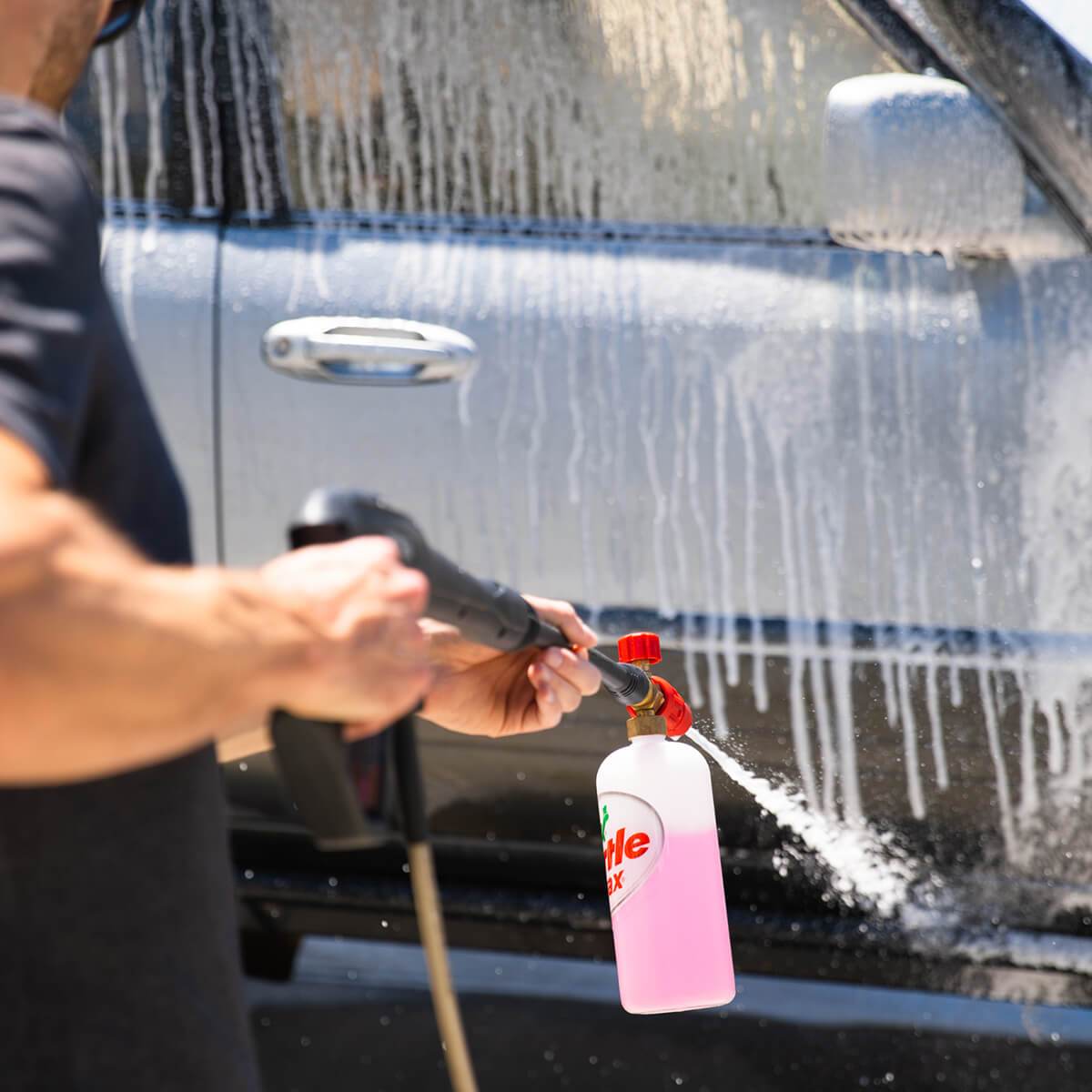
Image Source: cdn.shopify.com
The Mechanics of Pressure Washer Cleaning
Before we dive into soap compatibility, it’s important to grasp how pressure washers work with detergents. A pressure washer uses a pump to pressurize water. Many pressure washers have a built-in detergent tank or a siphon tube that draws cleaning solution into the water stream. This creates a powerful spray that can blast away dirt, grime, and even stubborn stains.
How Detergents Enhance Cleaning
Detergents are the unsung heroes of effective cleaning. They work by:
- Reducing Surface Tension: Soaps break down the surface tension of water, allowing it to spread more easily and penetrate dirt.
- Emulsifying Grease and Oil: They contain surfactants that surround oil and grease particles, lifting them from the surface and suspending them in the water so they can be rinsed away.
- Loosening Stubborn Grime: Detergents help to break down and loosen dried-on dirt, mud, and other contaminants, making them easier to remove with the pressure washer’s force.
Why Not All Car Wash Soaps Are Created Equal for Pressure Washers
This is where the critical distinction lies. Your favorite hand-washing car soap might not be a good fit for a pressure washer. Here’s why:
1. Foaming Properties and Pressure Washer Injectors
- High-Foaming Soaps: Many traditional car wash soaps are formulated to produce a rich, luxurious foam when hand-washed. While this foam feels great on your wash mitt, it can be a problem for pressure washers. High foaming can clog the detergent injector system of your pressure washer, preventing the soap from being drawn into the water stream effectively. This leads to poor dilution and a weak cleaning solution.
- Low-Foaming Soaps: Pressure washer safe soap formulations are typically low-foaming. This ensures they can pass through the pressure washer’s internal systems without causing clogs or disrupting the water flow. They are designed to deliver a consistent and controlled amount of cleaning power.
2. Chemical Composition and Equipment Safety
- pH Levels: Some soaps have a very high or very low pH. Harsh chemicals can damage the seals, O-rings, and internal components of your pressure washer over time. They can also strip protective waxes and sealants from your car’s paint, or even etch certain surfaces.
- Abrasive Particles: While rare in liquid car soaps, some powdered detergents might contain abrasive particles that could scratch your car’s paint or damage the pump seals if not properly filtered. Car wash soap for pressure washer products are formulated with mild chemicals that are safe for both your car and your machine.
3. Concentration and Dilution Ratios
- Concentration: Soaps designed for pressure washers are usually highly concentrated. This means you use a small amount, which the pressure washer then dilutes significantly with water. Regular car wash soaps might not be formulated for such heavy dilution, leading to either an under-strength solution or an overly concentrated one if you guess the dilution.
- Proper Dilution is Key: The pressure washer detergent is designed to work at specific dilution ratios that are automatically handled by the pressure washer’s siphon system. Using car wash soap that isn’t intended for this process means you lose control over this crucial aspect of the cleaning process.
Identifying the Right Soap for Your Pressure Washer
So, what should you look for when choosing a soap for your pressure washer?
1. “Pressure Washer Safe” or “For Pressure Washers” Labeling
This is the most straightforward indicator. Products specifically marketed as car soap pressure washer or pressure washer cleaning solution have undergone formulation to meet the requirements of these machines.
2. Low-Foaming Formulation
As mentioned, low-foaming is a significant advantage. If the product doesn’t explicitly state “low-foam,” check reviews or product descriptions for mentions of its foaming behavior in pressure washer applications.
3. Biodegradable and pH-Neutral Options
For environmental responsibility and maximum safety, opt for biodegradable and pH-neutral soaps. These are gentler on your car’s finish and less harmful to the environment.
4. Specialized Pressure Washer Detergents
Many brands offer dedicated pressure washer soap lines. These are often the safest bet. They come in various formulations for different tasks:
- All-Purpose Car Wash: For general cleaning of dirt and grime.
- Bug & Tar Remover: For tougher, sticky contaminants.
- Heavy-Duty Degreasers: For engines or extremely dirty undercarriages.
- Foam Cannons: Some soaps are specifically designed for use with foam cannons, which attach to the pressure washer wand for a thick foam application.
Can I Use Regular Car Soap? The Risks Involved
The question of can I use regular car soap is frequently asked. The short answer, as we’ve touched upon, is that it’s generally not recommended and can lead to several issues:
Risk 1: Clogging Your Pressure Washer’s Detergent System
This is the most common and immediate problem. The thick, stable foam produced by regular car wash soaps can quickly build up in the detergent siphon tube, injector, or internal filters.
- Symptoms: You’ll notice a significant drop in the amount of soap being drawn, or no soap at all. The spray will become just plain water.
- Consequences: This can lead to frustration, interrupted cleaning sessions, and potentially require you to dismantle and clean the detergent system.
Risk 2: Damage to Pressure Washer Components
- Seals and Gaskets: Highly alkaline or acidic soaps can degrade rubber and plastic seals within the pressure washer. This can lead to leaks and premature failure of the pump.
- Internal Passageways: Even if it doesn’t immediately clog, the residue from incompatible soaps can build up over time, reducing the efficiency of the detergent delivery system.
Risk 3: Damage to Your Vehicle’s Finish
- Paint Stripping: Some aggressive cleaning agents in regular car wash soaps, designed for maximum cleaning power during hand washing, can be too harsh when applied under high pressure. They can strip waxes, sealants, and even damage clear coats, leaving your paint dull or exposed.
- Etching and Fading: Certain chemicals can react with your car’s paint or trim, causing etching, discoloration, or fading, especially on older or less durable finishes.
- Plastic and Rubber: Harsh soaps can also degrade plastic trim, rubber seals, and tire sidewalls.
Risk 4: Ineffective Cleaning
- Poor Dilution: If the soap is too thick or foams excessively, it won’t dilute properly. This means the cleaning agents aren’t distributed evenly or at the correct concentration, resulting in a less effective clean.
- Residue: Some soaps, when not properly diluted or rinsed, can leave streaks or a cloudy residue on your car’s surface.
How to Use Car Wash Soap in a Pressure Washer Safely
If you’ve decided to proceed, here’s how to do it the right way. The key is to use a product that is specifically designed for pressure washers.
Step-by-Step Guide to Using Pressure Washer Soap
-
Read Your Pressure Washer Manual: Always consult your pressure washer’s instruction manual first. It will specify the type of detergents it can handle and any recommended brands or formulations. Some high-end machines may have specific requirements.
-
Choose the Right Soap: Select a pressure washer car soap that is explicitly labeled for use with pressure washers. Look for low-foaming or specifically formulated pressure washer detergents. The best soap for pressure washer car use will be readily available from reputable automotive detailing brands.
-
Prepare the Detergent Reservoir or Siphon Tube:
- Built-in Tank: If your pressure washer has a detergent tank, ensure it is clean and then fill it with the chosen pressure washer detergent. Do not overfill.
- Siphon Tube: If your pressure washer uses a siphon tube, place the end of the tube into your container of diluted pressure washer soap. Many manufacturers recommend diluting concentrated soaps with water in a separate bucket according to the soap’s instructions before putting it into the siphon.
-
Set Up Your Pressure Washer:
- Nozzle Selection: Use a wider fan nozzle (e.g., 25 or 40 degrees) for applying the soap solution. A narrower nozzle (e.g., 0 or 15 degrees) is too concentrated and can damage the paint.
- Detergent Setting: Ensure your pressure washer is set to draw detergent. This is often a dial or a specific setting on the machine. Refer to your manual for how to activate the detergent function.
-
Apply the Soap Solution:
- Start from the Bottom: Begin spraying the soap solution from the bottom of the vehicle and work your way up. This prevents the soap from drying on lower sections before you can rinse them.
- Even Coverage: Apply a thin, even layer of foam. Don’t let it dry on the surface. If you’re working in direct sunlight or hot conditions, rinse sections as you go to prevent the soap from drying and causing streaks.
-
Agitate (Optional but Recommended):
- For a truly deep clean, it’s often best to lightly agitate the soapy surface with a wash mitt or soft brush after applying the soap. This helps lift stubborn dirt that the pressure alone might not remove.
-
Rinse Thoroughly:
- Switch to Clean Water: After the soap has had a few minutes to work (but before it dries), switch your pressure washer back to drawing only clean water.
- Rinse from Top to Bottom: Rinse the vehicle thoroughly, starting from the roof and working your way down. Ensure all soap residue is removed to prevent spotting.
-
Dry Your Vehicle:
- Use clean microfiber drying towels to dry your car. This prevents water spots and gives your car a polished finish.
What to Do if You Accidentally Use the Wrong Soap
If you’ve realized you’ve used regular car wash soap in your pressure washer, don’t panic, but take immediate action.
Flushing the System
The best course of action is to flush the detergent system thoroughly.
- Empty the Detergent Tank/Remove Siphon: If you have a tank, empty any remaining incompatible soap. If using a siphon, remove it from the soap.
- Run Clean Water: Fill the detergent tank with clean water or place the siphon tube in a bucket of clean water.
- Run the Pressure Washer: Operate the pressure washer with clean water for several minutes, ensuring the detergent system is activated. This will help flush out any residual soap and prevent potential clogs or damage.
- Check for Issues: After flushing, check if the detergent system is still working correctly. If you experience reduced flow or no soap, you may need to consult your pressure washer manual for specific cleaning instructions for the detergent injector or siphon.
Best Practices for Pressure Washer Car Washing
To ensure the longevity of your pressure washer and the pristine condition of your vehicle, follow these best practices:
1. Always Use a Pressure Washer-Specific Soap
This is the golden rule. When in doubt, choose a product labeled for pressure washer use.
2. Dilute Concentrated Soaps Correctly
If your pressure washer soap is concentrated, follow the manufacturer’s dilution instructions precisely. Over-concentrating can lead to residue and potential damage.
3. Avoid Direct Sunlight and Hot Surfaces
Washing in direct sunlight can cause soap to dry too quickly, leading to spots and streaks. It also makes it harder to rinse thoroughly.
4. Maintain a Safe Distance
Hold the pressure washer wand at a consistent distance from the vehicle. Too close can damage paint, while too far won’t effectively clean. A distance of 1-2 feet is generally recommended for applying soap.
5. Don’t Let Soap Dry on the Surface
Always rinse the soap off before it has a chance to dry, especially in warm weather.
6. Rinse Thoroughly
This cannot be stressed enough. All soap residue must be removed.
7. Use the Right Nozzles
As mentioned, use wider fan nozzles for soap application and rinsing. Reserve narrow nozzles for very tough grime on durable surfaces, and always keep them a safe distance away from paintwork.
Table: Pressure Washer Soap vs. Regular Car Wash Soap
| Feature | Pressure Washer Soap | Regular Car Wash Soap |
|---|---|---|
| Foaming | Low-foaming; designed for siphon systems | High-foaming; creates thick foam for hand washing |
| Detergent System | Safe for injectors and siphon tubes | Can clog injectors and siphon tubes |
| Chemical Formulation | Mild, pH-balanced, safe for automotive finishes and seals | Can be harsh, potentially stripping waxes or damaging seals |
| Dilution | Highly concentrated, designed for automatic dilution | May not be designed for high dilution ratios |
| Effectiveness | Optimized for pressure washer application | Can be less effective due to poor dilution/delivery |
| Labeling | Clearly states “for pressure washers” or “low-foam” | Typically for hand washing or bucket use |
| Risk of Damage | Low risk to vehicle and machine | Higher risk of clogging, damage to paint, and seals |
Frequently Asked Questions (FAQ)
Q1: Can I use dish soap in my pressure washer?
A: No, you should absolutely not use dish soap in your pressure washer. Dish soap is formulated to cut grease and can be very harsh. It can strip protective waxes from your car, damage paint, and potentially harm the seals and internal components of your pressure washer.
Q2: What is the best soap for pressure washer car washing?
A: The best soap for pressure washer car washing is a low-foaming, pH-neutral detergent specifically designed for use with pressure washers. Brands specializing in car care and pressure washing accessories typically offer excellent options. Look for terms like “pressure washer soap,” “foam cannon soap,” or “pressure washer detergent.”
Q3: My pressure washer isn’t drawing soap. What’s wrong?
A: This is commonly due to a clogged detergent siphon tube or injector. This can happen if you use a soap that foams too much, or if there’s debris in the system. Try flushing the system with clean water. If the problem persists, you may need to clean or replace the detergent filter or injector.
Q4: Can I make my own pressure washer soap?
A: While tempting, it’s generally not recommended to make your own pressure washer soap. The precise chemical balance, low-foaming properties, and material safety are difficult to replicate at home without specialized knowledge. Using untested homemade solutions could damage your pressure washer or your vehicle.
Q5: Is it okay to use a pressure washer on my car?
A: Yes, it is generally safe to use a pressure washer on your car, provided you use the correct soap, the right nozzles, maintain a safe distance, and avoid spraying directly at sensitive areas like seals, emblems, or cooling vents. Always use a wider fan nozzle (25-40 degrees) for washing.
Q6: Will pressure washer soap damage my car’s paint?
A: If you use a quality pressure washer safe soap that is specifically formulated for automotive use and follow the instructions for application and rinsing, it should not damage your car’s paint. However, using the wrong type of soap or using excessive pressure can cause damage.
Q7: How much soap do I use in a pressure washer?
A: The amount of soap used depends on the concentration of the car wash soap for pressure washer and the design of your pressure washer’s detergent system. Always follow the soap manufacturer’s dilution instructions for the best results and to avoid over-application. The pressure washer will typically draw a small, consistent amount.
In conclusion, while the allure of using your everyday car wash soap in a pressure washer is understandable, sticking to products specifically designed for pressure washing is paramount. By choosing the right pressure washer detergent and following best practices, you can ensure a safe, effective, and satisfying car cleaning experience that protects both your vehicle and your valuable cleaning equipment.