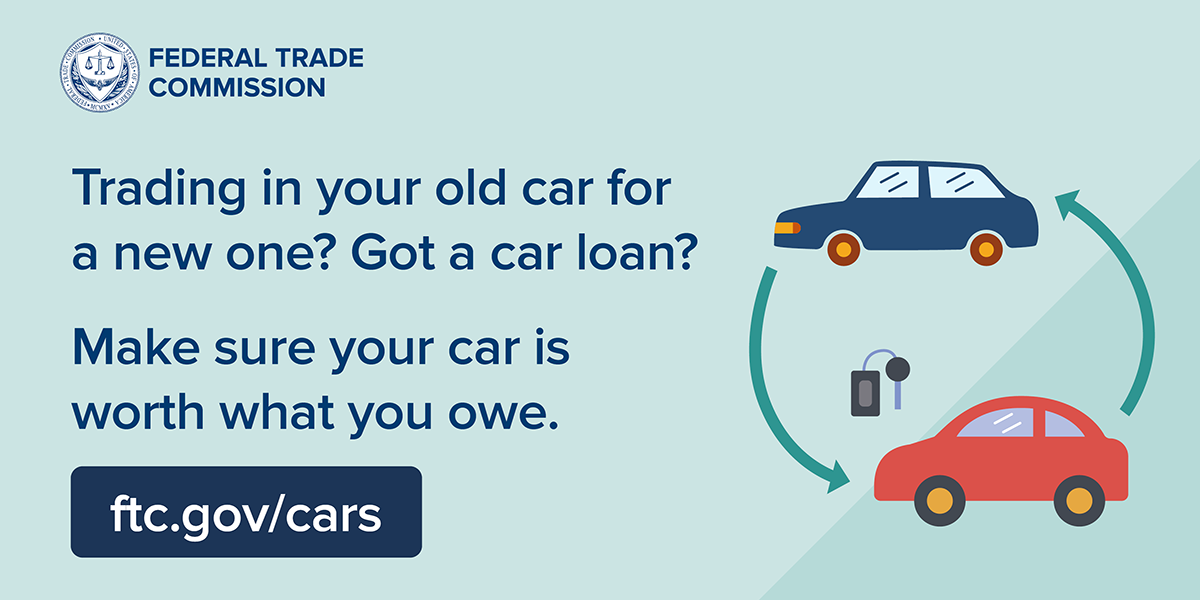
Image Source: consumer.ftc.gov
The Guide: Can You Trade A Car Your Financing Explained
Yes, you absolutely can trade in a car even if you still have a loan on it. This process is very common. Many people trade in vehicles they haven’t fully paid off when they want a new car or their needs change. This guide will show you how to trade in a financed car and what happens with your old loan. We’ll cover everything from getting a dealer trade in appraisal to dealing with your car loan payoff amount. We’ll also look at common situations like trading in a car not paid off and what happens if you have negative equity car trade in.
Getting Ready to Trade
Before you head to the dealership, it’s smart to do some homework. Knowing your car’s worth and how much you still owe helps you make good choices.
Figuring Out Your Car’s Worth
The first step is finding out what your current car is likely worth on the market or as a trade-in. Dealers look at many things.
- Car’s condition: Is it clean? Are there dents or scratches? How are the tires? Does everything work?
- Mileage: How many miles are on the car? Lower miles usually mean higher value.
- Age: Older cars are generally worth less than newer ones.
- Make and Model: Some cars hold their value better than others.
- Features: Special options or trim levels can change the value.
- Market Demand: How popular is your car right now?
- Vehicle History: Has it been in accidents? This can lower the value.
You can get a general idea of your car’s value from websites like Kelley Blue Book (KBB) or Edmunds. These sites let you enter your car’s details and condition to get a price range. Keep in mind these are estimates. The actual dealer trade in appraisal might be different.
Finding Your Car Loan Payoff Amount
This is a key piece of information. Your payoff amount is not just your last monthly payment amount times the number of payments left. It’s the exact total amount needed to fully pay off the loan today. This includes the remaining main loan amount (principal) plus any interest that has built up since your last payment, and sometimes small fees.
- How to get it: Contact your loan company (the bank or credit union). Ask for your “payoff quote” or “payoff amount.”
- Why it’s important: This number is fixed for a certain time (like 10 or 15 days). You need this exact number to know if your car’s trade-in value is more or less than what you owe.
Knowing both your estimated Trade in car value with loan and your car loan payoff amount helps you see where you stand.
The Numbers: Value Versus What You Owe
When you trade in a car with a loan, the dealer takes your car and handles paying off your old loan. The trade-in value of your car is used for this. The difference between the trade-in value and your payoff amount is very important.
Figuring Out Your Equity
Equity is the difference between your car’s value and the money you still owe on it.
- Positive Equity: This happens when your car’s trade-in value is more than your loan payoff amount. This is a good situation. The extra money can be used towards your new car’s price, like a down payment.
- Example: Car’s trade-in value is $10,000. Loan payoff is $8,000. You have $2,000 in positive equity.
- Negative Equity: This happens when your car’s trade-in value is less than your loan payoff amount. This means you owe more than the car is worth. This is also called being “underwater” on your car loan. This situation requires extra steps.
- Example: Car’s trade-in value is $10,000. Loan payoff is $12,000. You have $2,000 in negative equity.
Here is a simple look at equity:
| Situation | Car’s Trade-In Value | Loan Payoff Amount | Result | How It Affects You |
|---|---|---|---|---|
| Positive Equity | $10,000 | $8,000 | +$2,000 Equity | You have $2,000 extra to use towards your new car. |
| Negative Equity | $10,000 | $12,000 | -$2,000 Equity | You still owe $2,000 after trading in your car. |
| Break-Even Equity | $10,000 | $10,000 | $0 Equity | The trade-in covers the loan exactly. |
Understanding this math is key to how to trade in a financed car smartly.
Dealing with Negative Equity
Having negative equity is very common, especially in the first few years of a car loan. Cars lose value quickly when they are new. If you owe more than your car is worth when you trade it in, you have a few choices for handling that leftover debt. This is the core of negative equity car trade in.
Option 1: Rolling Over the Loan Balance
This is the most common way people handle negative equity when trading in. The dealer adds the amount you still owe on your old car to the loan for your new car. This is called rolling over car loan balance.
- Example: You owe $2,000 on your old car after trading it in. The new car you want costs $25,000. The dealer adds the $2,000 to the $25,000. Your new loan will be for $27,000 (plus taxes and fees).
- What this means: Your new loan amount will be higher. This means your monthly payments will be higher, or you’ll need a longer loan term (or both).
- Consider this: When you roll over negative equity, you start your new car loan already “underwater.” This makes it harder to build positive equity on the new car later. It can feel like you’re paying for two cars at once for a while.
Option 2: Pay the Difference Yourself
If you have negative equity, you can simply pay the dealership the amount you still owe on your old car.
- Example: You owe $2,000 on your old car after trading it in. You write a check to the dealer for $2,000.
- What this means: You start your new car loan with a clean slate (unless you choose to put down money). Your new loan is only for the price of the new car (minus any down payment).
- Consider this: Not everyone has extra cash ready to cover negative equity. But if you can, this is often the best financial choice. It prevents you from paying interest on that old debt as part of your new loan.
Option 3: Look at Other Choices
Sometimes, the negative equity is very high. Underwater car trade in options might feel limited. If you owe thousands more than your car is worth, rolling it over can lead to very high new car payments or loans that last a very long time.
- Delay Trading In: Can you keep your current car longer? Making more payments will lower your loan balance and hopefully reduce or get rid of the negative equity.
- Try Selling It Yourself: Sometimes, you can sell your car for a bit more money privately than a dealer offers for a trade-in. If you sell it yourself, you’d need to pay off the loan using the money from the sale and add your own money to cover any remaining loan balance. This is another way of selling a car with existing loan.
Dealing with negative equity takes careful thought. Don’t feel pressured to roll over a large amount if it makes your new loan unmanageable.
The Trade-In Process at the Dealership
When you go to trade in your car, here’s what usually happens.
Step 1: The Appraisal
You tell the salesperson you want to trade in your current car. They will have someone, often a manager or a used car expert, look at your car. This is the dealer trade in appraisal.
- They will walk around the car.
- They might drive it briefly.
- They will check the inside, the engine area, and underneath.
- They will note the mileage, condition, and any issues.
- They use this information, plus market data, to decide how much they are willing to offer for your car. This is the Trade in car value with loan they are offering you.
Step 2: Talking Numbers
The dealer will give you their offer for your trade-in. They will also provide you with the price of the new car you want. Now is when the math happens, using your car loan payoff amount.
- They will show you the offered trade-in value.
- They will show you the payoff amount they got from your lender (they will contact your loan company for this, or you can provide the quote you got earlier).
- They figure out your equity (trade-in value minus payoff).
Step 3: Working the Deal
The dealer will build the price of the new car deal.
- If you have positive equity: The positive amount is money off the new car price, or it can be used like a down payment. Your new loan is for the new car price minus this positive equity (and any extra cash down payment).
- If you have negative equity: The negative amount is added to the price of the new car. Your new loan is for the new car price plus the negative equity (minus any cash down payment you make). This is part of setting up your new car financing with trade in.
Step 4: Paperwork and Paying Off the Old Loan
If you agree to the deal, you’ll sign the papers for the new car loan. This new loan amount will include the price of the new car and how the trade-in and your old loan were handled.
The dealership is responsible for paying off your old car loan.
- They will get the final, confirmed car loan payoff amount from your old lender.
- They will send a check to your old lender for that exact amount.
- This process takes some time, usually a few days to a couple of weeks.
- It is important to make sure the dealership has the correct payoff information and sends the payment promptly. Keep your old loan account details handy in case there are questions.
After the old loan is paid off by the dealer, you will get a statement from your old lender showing a zero balance. The title for the old car will usually go to the dealership.
The Role of New Car Financing with Trade In
Trading in a car with a loan is closely tied to getting new car financing with trade in. The value of your trade-in, including how your old loan is handled, directly impacts how much you need to borrow for the new car.
- Good trade-in value: If your car’s value is high compared to your loan (positive equity), this lowers the amount you need to borrow for the new car. Lower loan amount means lower payments or a shorter loan term.
- Bad trade-in value: If your car’s value is low compared to your loan (negative equity), this increases the amount you need to borrow for the new car (if you roll it over). Higher loan amount means higher payments or a longer loan term.
The total cost of your new car financing with trade in is the price of the new car, plus any leftover debt from your old car, minus your trade-in’s value (if positive) and any extra money you put down.
Selling Your Car with an Existing Loan Instead
Trading in at a dealership is one way to handle selling a car with existing loan. Another option is to sell the car yourself to a private buyer.
How Private Sale Works with a Loan
- Find a buyer.
- Agree on a price.
- You and the buyer go to your loan company (if local) or handle it remotely.
- The buyer pays the agreed price.
- You use that money to pay off the loan.
- If the sale price is more than the loan, you keep the extra money.
- If the sale price is less than the loan (negative equity), you must add your own money to pay off the loan fully.
- Once the loan is paid off, the lender sends you the car’s title.
- You sign the title over to the buyer.
Why Consider Selling Privately?
- You might get a higher price from a private buyer than a dealer offers for a trade-in.
- This can help reduce or avoid negative equity compared to a trade-in.
Why Trading In Might Be Easier?
- The dealership handles all the paperwork for paying off the old loan.
- It’s faster and less hassle than finding a buyer and managing the sale yourself.
- The trade-in value can lower the sales tax on the new car in many states. You only pay sales tax on the difference between the new car price and the trade-in value. If you sell privately, you pay sales tax on the full price of the new car.
The choice depends on your situation, how much time you have, and whether you have negative equity. If you have a lot of negative equity, trying to sell it yourself might help you owe less than if you trade it in.
Tips for a Better Trade-In Experience
Trading in a car with a loan can be smooth if you are prepared.
Do Your Homework First
- Get your car loan payoff amount before going to the dealer. Know this exact number.
- Research your car’s value using online tools (KBB, Edmunds). Get an idea of its worth in fair, good, and excellent condition. This helps you know if the dealer trade in appraisal is reasonable.
Clean Up Your Car
- Wash it, vacuum it, and remove your personal items. A clean car shows you took care of it. This can slightly improve the Trade in car value with loan offered by the dealer.
Bring Your Paperwork
- Have your loan account number handy.
- Bring your car’s registration and maintenance records if you have them.
Be Realistic About Value
- Online values are estimates. The actual dealer trade in appraisal will be based on what they think they can sell your car for. It might be less than what you hoped, especially if your car needs repairs.
Keep the Trade-In Separate (At First)
- Some experts say to talk about the price of the new car first, and then talk about the trade-in. This can make the deal less confusing.
- However, many dealers will ask about a trade-in right away because it affects the total loan amount and payment. Just be sure you understand both the new car price and the trade-in value offered, and how your car loan payoff amount fits in.
Know Your Bottom Line
- If you have negative equity, know how much you are willing or able to roll over into the new loan. Don’t agree to payments you cannot afford.
Ask Questions About the Payoff
- Confirm that the dealer will pay off your old loan directly.
- Ask how long it will take for the old loan to be paid off.
- Get something in writing saying they will handle the payoff.
Being prepared is the best way to handle how to trade in a financed car.
Common Situations When Trading a Financed Car
Let’s look at a few common scenarios people face when trading in a car not paid off.
Situation 1: You Have Positive Equity
- This is the easiest situation. The dealer offers $10,000 for your trade-in, and your payoff is $8,000.
- You have $2,000 in positive equity.
- This $2,000 acts like a down payment on your new car.
- If the new car is $25,000, your starting price for the loan is $23,000 (plus taxes/fees), before any extra cash down payment you add.
- The dealer pays $8,000 to your old lender.
Situation 2: You Have Small Negative Equity
- The dealer offers $10,000 for your trade-in, and your payoff is $11,000.
- You have $1,000 in negative equity.
- Option A (Roll over): The dealer adds $1,000 to your new car’s price. If the new car is $25,000, your starting price for the loan is $26,000 (plus taxes/fees). This is rolling over car loan balance.
- Option B (Pay difference): You pay the dealer $1,000 cash. If the new car is $25,000, your starting price for the loan is $25,000 (plus taxes/fees).
- The dealer pays $11,000 to your old lender (using your trade-in value plus either the rolled-over amount or your cash).
Situation 3: You Have Large Negative Equity
- The dealer offers $10,000 for your trade-in, and your payoff is $15,000.
- You have $5,000 in negative equity. This is a clear case of negative equity car trade in or being underwater car trade in options.
- Option A (Roll over): Rolling over $5,000 adds a lot to your new loan. A $25,000 new car loan would start at $30,000 (plus taxes/fees). This could mean very high payments or a very long loan, making your new car financing with trade in much more expensive overall.
- Option B (Pay difference): Can you pay $5,000 cash? If yes, this is the financially sound choice.
- Option C (Other options): This is when you seriously think about keeping your car longer to lower the loan, or trying to sell it yourself for more money to reduce the negative amount you’d have to cover.
Each situation changes how to trade in a financed car and the financial outcome.
Grasping the Trade-In Value With Loan
Let’s look closer at the idea of Trade in car value with loan. When you trade in a car with a loan, the value the dealer gives you is not money directly in your pocket. It’s a credit they give you against the new car’s price, specifically used first to handle your old loan.
- The Value: This is the amount the dealer is willing to pay for your old car.
- The Loan: This is the money you still owe on the old car (the car loan payoff amount).
The dealer uses the trade-in value to pay off the loan.
* If Value > Loan: You get the extra amount as credit.
* If Value < Loan: You owe the extra amount.
This transaction happens in the background of your new car purchase. It’s a way to simplify selling a car with existing loan to a dealership.
Final Steps and What to Watch Out For
After you agree to the deal and drive off in your new car, there are still things to check.
- Confirm Payoff: Keep an eye on your old loan account. You should get a statement with a zero balance within a few weeks. If not, contact the dealership and your old lender right away. Make sure they sent the payment and it was received and applied correctly.
- Title Transfer: The dealership should handle getting the title for your old car. Make sure this is done properly.
- New Loan Details: Double-check your new loan papers. Make sure the amount financed is correct based on the new car price, your trade-in value, the old loan payoff, and any cash down payment. Ensure the interest rate and loan term match what you agreed to.
Successfully trading in a car not paid off means paying attention to these details until your old loan is fully closed out and the new loan is correctly in place.
Frequently Asked Questions (FAQ)
Q: Can I trade in a car if I just bought it and owe a lot?
A: Yes, you can, but it’s likely you will have significant negative equity. Cars lose a lot of value in the first year. Trading in too soon means you’ll probably owe much more than the car is worth. You will need to either roll that large negative amount into your new loan or pay it out of pocket.
Q: What is the difference between ‘payoff amount’ and ‘current balance’?
A: Your ‘current balance’ is how much you owed as of your last statement. The ‘payoff amount’ is the exact amount needed to close the loan today, including any interest that has built up since the last statement. Always get a payoff quote from your lender when trading or selling. It is usually slightly higher than the current balance shown on your statement.
Q: Will trading in a car with negative equity hurt my credit?
A: The negative equity itself doesn’t directly hurt your credit if you handle it properly. What can hurt your credit is not paying off the old loan. When you trade in, the dealer is supposed to pay it off. If they fail to do so, and payments are missed, that will damage your credit. Rolling negative equity into a new loan increases the new loan amount, which can affect your credit use ratio, but this is usually minor compared to missed payments.
Q: Can I trade in a car if I lost the title?
A: The title is usually held by your loan company until the loan is paid off. If the loan is paid off and you can’t find the title, you will need to get a replacement from your state’s department of motor vehicles (DMV) before you can trade it in or sell it. If the loan is still active, the dealer will handle getting the title from your lender after payoff.
Q: How long does it take for my old loan to show as paid off?
A: Once the dealership sends the payment, it usually takes a few business days for the lender to receive and process it. Then, it takes more time for the lender to update their system and mail you a confirmation that the loan is closed. The whole process can range from a few days to a couple of weeks. It’s wise to keep making your normal monthly payments on the old loan until you confirm it’s paid off to avoid late fees or credit issues. If you make a payment that crosses paths with the dealer’s payoff, the lender will refund your overpayment.
Q: Does the dealer pay off my loan before I drive off with the new car?
A: No, the dealer pays off your loan after you complete the purchase of the new car. They get the final payoff amount and send the funds to your old lender as part of the transaction paperwork. You drive off in your new car, and the dealer handles the payoff of the old loan in the following days.
Q: What if the dealer’s trade-in offer is much less than my negative equity?
A: If the dealer trade in appraisal results in significant negative equity car trade in, you have tough choices. You can try to negotiate the trade-in value or the price of the new car. You can get appraisals from other dealerships. You can decide not to trade it in and keep your current car longer, paying down the loan. You can try selling a car with existing loan privately to see if you can get more money. Or you can accept the offer and roll over the negative amount, understanding it will increase your new loan cost.
Summing It Up
Trading in a car when you still owe money on the loan is a common and possible thing to do. The most important steps are knowing your car’s value and your exact car loan payoff amount beforehand. The dealer will offer a Trade in car value with loan through their dealer trade in appraisal. This value is used to handle your old loan.
If the value is more than you owe, you have positive equity to help with your new car. If the value is less than you owe, you have negative equity or are underwater. You will need to either pay this difference or consider rolling over car loan balance into your new loan. While underwater car trade in options might seem limited, being informed helps you choose the best path, whether that’s trading in, paying the difference, or exploring selling a car with existing loan privately.
Being prepared, knowing the numbers, and understanding how to trade in a financed car helps you navigate the process smoothly and make smart choices about your new car financing with trade in.