Image Source: images.cars.com
Fuel Guide: Can You Put Supreme Gas In Any Car Type?
Yes, you can put supreme (premium) gas in nearly any car. However, it is often not needed and will not help your car if it is designed for regular gasoline. Every car engine is built to work best with a specific octane rating. Using a higher octane rating than your car needs does not usually offer any benefits like better power or fuel economy. It just means you pay more money for your fuel. The main difference between regular vs premium gasoline is the octane level, which helps prevent engine knocking in cars built for it.
Decoding Gasoline Types
Let’s look at what gasoline types mean. Gas is not all the same. Different types have different numbers. These numbers matter for your engine.
What Octane Numbers Mean
Gasoline has a number called its octane rating. This number tells you something important. It tells you how well the gas fights something called “knock.”
The Basics of Octane
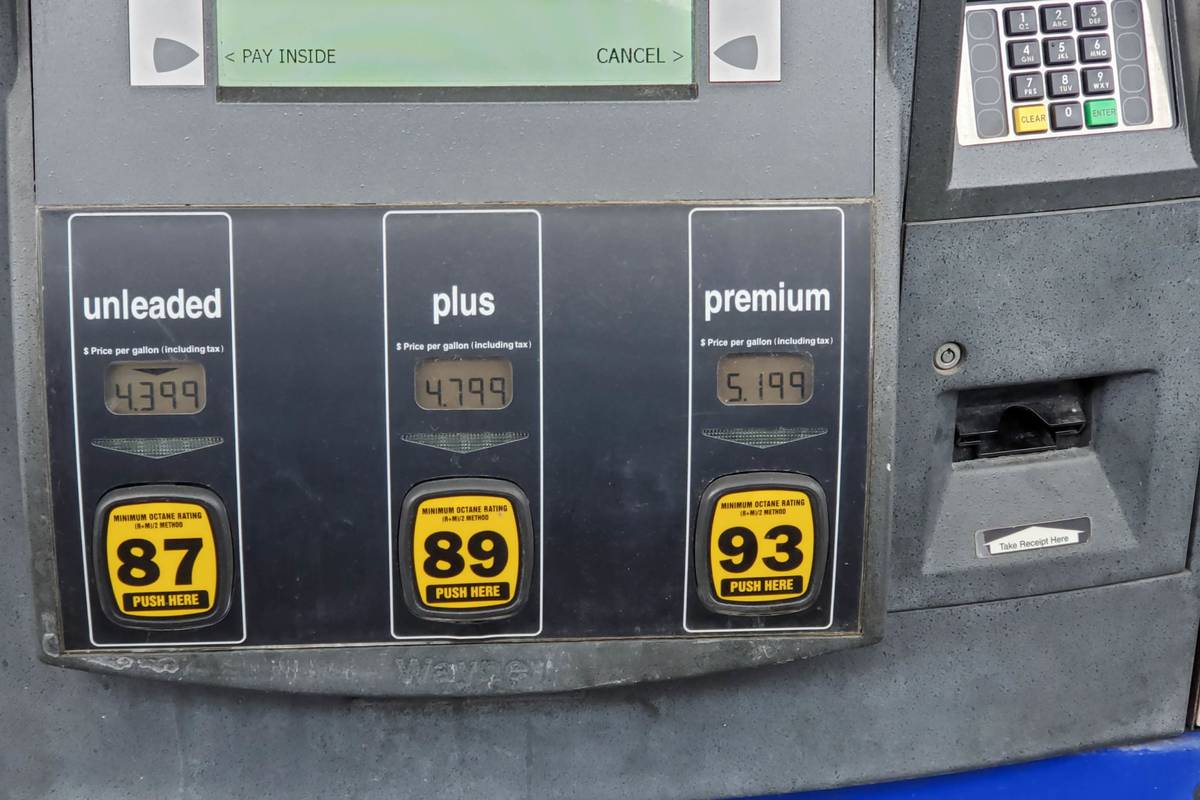
Octane numbers are simple tags. You see them at the gas station. Regular gas might be 87. Mid-grade might be 89. Premium, or supreme gas, is usually 91 or 93. This number is not about the gas’s energy. It’s about how it burns inside the engine. A higher octane number means the gas is better at stopping early explosions.
How Octane Resists Knocking
Inside your car’s engine, gas mixes with air. A spark plug lights this mix. This creates a small explosion. This explosion pushes a part called a piston. This movement makes your car go. But sometimes, the gas can explode too soon. It might explode from heat or pressure before the spark plug fires. This early explosion is called knocking. It makes a pinging or rattling sound. This sound means trouble for your engine. High octane gas is harder to ignite too soon. It can handle more heat and pressure before it explodes. This helps stop knocking.
Regular Versus Premium Gas
The main difference between regular and premium gas is the octane rating. It’s that simple number.
Standard Octane Levels
Most cars on the road use regular gasoline. Regular gas usually has an octane rating of 87. Car makers design these engines to run perfectly on 87 octane. The engine parts and computer are set for this fuel.
Higher Octane Levels
Premium or supreme gas has a higher octane number. It’s usually 91 or 93. Sometimes it is 94. This fuel is for specific types of engines. These engines need fuel that resists knocking more than regular gas. Using this higher octane fuel in a car made for regular gas is like giving a healthy person medicine they don’t need. It does not help them.
Why Some Cars Need Premium
Not all cars are the same. Some cars have special engines. These engines work in a way that needs higher octane fuel.
High Compression Engines Explained
Some engines squeeze the air and gas mix very tightly. This is called high compression. The engine’s compression ratio is high.
How Compression Works
Imagine squeezing a balloon very hard. The air inside gets hotter. In an engine, the piston squeezes the air and gas mix. The more it squeezes, the higher the pressure and temperature get.
Why More Compression Needs Higher Octane
In a high compression engine, the mix gets very hot and squeezed. Regular 87 octane gas might explode too early under this heat and pressure. This causes knocking. Higher octane gas, like 91 or 93, can handle this squeezing better. It waits for the spark plug. This is why a car with a high compression engine often needs premium gas. It stops the knocking.
Turbochargers and Superchargers
Some cars have parts that push more air into the engine. These are called turbochargers or superchargers.
Boosted Engines Need More Power
Turbochargers and superchargers force extra air into the engine’s cylinders. More air means you can burn more fuel. Burning more fuel makes more power. But forcing in more air also creates more pressure and heat. This extra pressure and heat can make regular gas knock. Many cars with turbos or superchargers need premium fuel to prevent knocking.
Performance Cars and Their Fuel Needs
Many sports cars and high-performance cars have high compression engines or use turbochargers. They are built for maximum power. To get this power safely, they often require premium fuel. The car maker designed them this way. Using the right fuel is part of getting the performance they promise.
Finding Your Car’s Fuel Needs
How do you know what type of gas your car needs? The best way is to check what the car maker says. They built your car. They know what fuel is best for it.
Your Vehicle Owner’s Manual Is Key
Your car came with a book. This book is the vehicle owner’s manual. It has lots of important information. One key piece of info is what kind of fuel to use.
Where to Look for Fuel Info
Open your owner’s manual. Look for sections about “Fuel,” “Gasoline,” or “Refueling.” It will clearly state the recommended fuel type or the minimum octane rating your car needs. It might say “Use 87 octane or higher” or “Premium fuel required, 91 octane or higher.”
Why the Manual Matters
Following the manual’s advice is important. The car maker tested your car. They know what fuel makes the engine run right. Using the fuel they recommend protects your engine. It also helps you get the best fuel economy and performance that your car is designed for.
Checking Your Gas Cap or Fuel Door
Sometimes, the car maker puts the fuel info in another easy spot. Look near where you fill your gas tank.
Quick Spots to Find Fuel Info
Check the inside of your fuel filler door. Look at the gas cap itself. Many car makers print the needed octane level right there. It might say “Regular Fuel Only” or “Premium Unleaded Fuel Only.”
The Recommended Fuel Type
The recommended fuel type is not just a suggestion. For cars that require premium, it is a requirement for the engine to work correctly without problems.
Following Maker Advice
If your manual or fuel door says “Regular,” use regular. If it says “Premium Required,” use premium. If it says “Premium Recommended,” you can use regular, but you might get slightly less power or fuel economy, and the engine might knock in extreme conditions (though modern cars usually prevent this). Most car makers use the words “Required” and “Recommended” carefully. If it says “Required,” your engine needs the higher octane to run right and avoid damage over time.
What Happens If You Use the Wrong Fuel?
What if you make a mistake? Or what if you try to save money or think premium is better? Let’s look at what happens.
Introducing Engine Knocking
Engine knocking is the main problem that using the wrong fuel can cause. It’s a bad sound. It means the gas is not burning right.
The Sound of Knocking
Knocking sounds like marbles rattling in a can. It can also be a pinging sound. You usually hear it when the engine is working hard. This might be when you speed up quickly or go up a hill.
Why Knocking Happens
As we said, knocking happens when the fuel explodes too soon. It explodes before the spark plug fires. This creates pressure waves that crash into each other. It’s not a smooth burn. It’s a shock wave. This shock can be hard on engine parts over time.
How Octane Stops Knocking
Higher octane rating gas is made to burn slower and resist this early explosion. It needs the spark plug to ignite it properly. This prevents the knocking sound and the damaging shock waves.
Can Using Regular Harm a Premium Car?
If your car is built for premium gas, putting regular gas in it can cause problems.
Modern Car Protection Systems
Most modern cars have sensors. These sensors listen for knocking. If the car’s computer hears knocking, it changes how the engine works. It might change the spark plug timing. This helps stop the knocking. This protects the engine from damage.
Long-Term Effects
Using regular gas in a car that requires premium all the time is not good. Even with the car’s protection system, the engine might not run as well. You might get less power. You might get worse fuel economy. Over a long time, this stress could potentially lead to engine problems. It is best to use the recommended fuel type the car maker requires.
Can Using Premium Harm a Regular Car?
If your car is built for regular gas, putting premium gas in it generally will not harm the engine.
Generally No Harm
Premium gas will burn perfectly fine in a regular car engine. The engine is designed for 87 octane. 91 or 93 octane just resists knocking more than needed. It won’t hurt anything physically in the engine.
Why It Doesn’t Help
Putting premium gas in a regular car is like wearing a bulletproof vest to go shopping. It offers protection you don’t need. The engine is not built with high compression or turbos that would cause knocking with regular gas. So, the extra anti-knock power of premium fuel does nothing useful. The engine runs just as it would on regular gas. You gain no power. You save no fuel. You just spend more money per gallon.
Are There Benefits to Premium Gas?
Many people wonder if premium gas is better in some way. Does it make your car faster? Does it clean the engine? Let’s clear this up.
Does Premium Gas Improve Performance?
This is a common question. Does premium gas improve performance? For most cars, the answer is a clear no.
The Myth vs. Reality
The idea that premium gas gives more power is a myth for cars made for regular fuel. Premium gas does not have more energy than regular gas. An engine designed for 87 octane is already getting all the power it can from that fuel. Putting in 91 or 93 octane does not change how the engine works. It does not add horsepower.
When Performance Might Improve (Only if recommended)
Performance will improve if you put premium gas in a car that requires premium gas but you were using regular. Why? Because the car’s computer was likely limiting the engine’s power to stop knocking with the low-octane fuel. When you use the correct premium fuel, the computer lets the engine run as it was designed. So, it feels more powerful, but you are just getting the intended performance back. Not extra performance beyond the car’s design.
Is Higher Octane Gas Better?
Is higher octane gas better? This depends on the car. It is better only if your car needs it.
Better Only If Needed
Higher octane gas is better at one thing: resisting knock. If your engine design (high compression, turbo) creates conditions where regular gas would knock, then higher octane gas is necessary and therefore “better” for that specific engine.
Not a Magic Potion
Higher octane gas is not a super fuel for every car. It does not make an engine cleaner. It does not give better gas mileage in a car that does not need it. It is not a performance upgrade for a regular car. Its only job is to prevent knocking in engines prone to it.
Are There Cleaning Additives?
Some people think premium gas has more or better cleaning stuff in it.
Most Gas Has Additives
All gasoline sold in the US must contain detergent additives. The government requires this. These additives help keep fuel injectors and intake valves clean. They help prevent carbon buildup.
It’s Not Just Premium
Regular, mid-grade, and premium gas all contain these cleaning additives. Major fuel companies use the same base additives in all their fuel grades. Some brands might add extra detergents, and they often promote this. But this is usually true across all their fuel grades, not just premium. So, you don’t need premium gas just to get engine-cleaning benefits. You get them with regular gas too.
The Cost Factor: Regular vs. Premium
Using premium gas when you don’t need it costs you money. Let’s look at the price difference.
Comparing Prices at the Pump
Look at the gas station sign. Regular gas is always the cheapest. Mid-grade costs more. Premium gas is the most expensive. The price difference can be small or large. It is usually $0.20 to $0.60 more per gallon than regular.
Is the Extra Cost Worth It?
Fuel cost regular vs premium shows a clear difference. Is paying extra worth it?
Calculating the Value
If you put premium gas in a car that needs regular, you are paying more for no gain. Suppose premium gas costs $0.40 more per gallon. If your car holds 15 gallons, filling up costs you $6 extra. If you fill up once a week, that’s over $300 extra per year you spent for no reason related to engine health, performance, or fuel economy for your specific car.
When It Makes Sense (When the car needs it)
Paying the extra does make sense if your vehicle owner’s manual says premium fuel is required. In this case, the extra cost is necessary to make your engine run properly. It prevents damage and ensures you get the performance and efficiency the car was designed for. It is part of the cost of owning that specific type of car.
When It Doesn’t Make Sense
Paying the extra makes no sense if your manual says regular fuel is fine. You are not getting any benefit. The engine will not run better, last longer, or get better gas mileage. It is just wasted money. The recommended fuel type listed in your manual is the most cost-effective and appropriate choice for your car.
In Summary: Choose the Right Fuel
Choosing the right fuel for your car is simple. It saves you money. It helps your engine run as it should.
Key Takeaways
Remember these main points about gasoline.
Check Your Manual
Always look at your vehicle owner’s manual first. It tells you the recommended fuel type and minimum octane rating. This is the most important source of information. Also, check your gas cap or fuel door.
Don’t Pay for Octane You Don’t Need
If your car is designed for regular gas, using premium gas is a waste of money. You gain nothing by paying the higher fuel cost regular vs premium. The engine does not need the extra anti-knock protection.
Protect Your Engine
If your car requires premium gas (like many high compression engine or turbocharged cars), use it. This prevents engine knocking. It helps your engine run right and last longer. It gives you the premium gas benefits the car was built for, which is proper operation, not extra performance beyond the car’s design limits. Is higher octane gas better? Only when your engine needs its special properties. Does premium gas improve performance? Only if the car requires it to perform as designed.
Frequently Asked Questions
People often have more questions about gas types. Here are some common ones.
Can I Mix Regular and Premium?
Yes, you can mix regular and premium gas. For example, if you have a car that needs premium and you accidentally put in regular, adding premium on top will raise the overall octane level in the tank. If you have a car that needs regular, mixing premium won’t cause problems, just like using pure premium won’t. The octane level of the mix will be somewhere between the two levels, depending on how much of each you added. It’s generally not harmful but not a recommended practice as it doesn’t offer consistent benefits.
Does Premium Gas Last Longer?
No, premium gas does not make your car go further on a tank. The energy content in regular and premium gasoline is about the same. Fuel economy depends on the engine’s design, how you drive, and whether you use the recommended fuel type. Using premium in a car that needs regular will not give you better gas mileage.
Will Premium Gas Clean My Engine?
Not any better than regular gas from the same brand. All grades of gasoline in the US have cleaning additives by law. Some brands have extra additives, but they usually put these in all their fuel grades, not just premium. You do not need premium gas for engine cleaning.
What If I Accidentally Use the Wrong Fuel?
If you put regular gas in a car that requires premium, don’t panic. Most modern cars have sensors and computers that will protect the engine by adjusting its timing. You might hear some light knocking under heavy load, or feel a slight loss of power. Fill up with the correct premium fuel as soon as you can. The octane level will rise as you add premium. If you put premium gas in a car that uses regular, nothing bad will happen, but you just wasted money. Just fill up with regular next time. If you hear loud, constant knocking after using the wrong fuel, or the check engine light comes on and flashes, stop driving if possible and check your owner’s manual or call for help. But this is rare with just one tank of the wrong fuel in most modern cars.