Yes, you can polish a ceramic coated car, but with important considerations. While ceramic coatings are incredibly durable and protective, they are not impervious to damage from polishing. The key lies in using the correct techniques and products to avoid compromising the integrity of the coating.
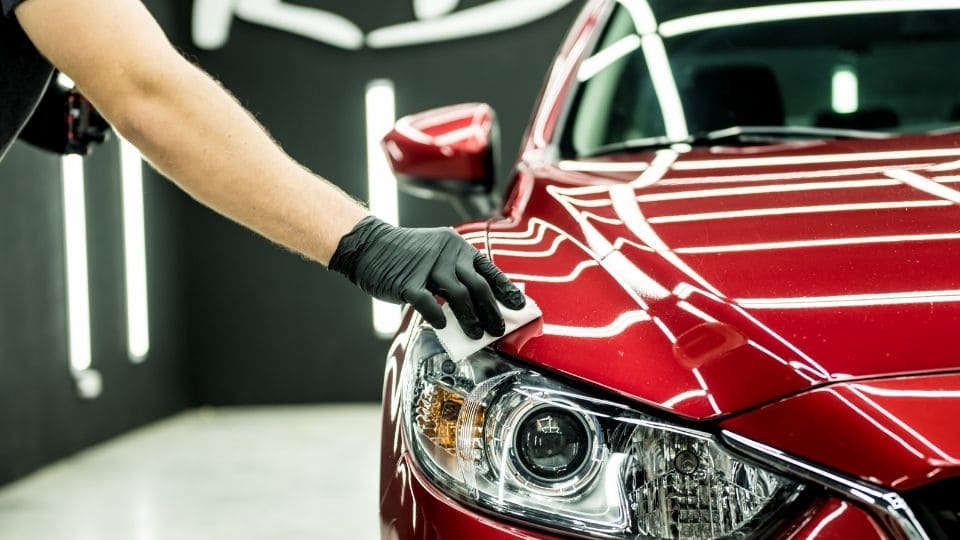
Image Source: cdn-dgnhp.nitrocdn.com
Polishing Ceramic Coated Paint: What You Need to Know
When you have a ceramic coating on your vehicle, the thought of polishing can bring up questions. Will it damage the coating? What if I make a mistake? It’s important to remember that ceramic coatings, while tough, are still susceptible to certain abrasions. However, with the right approach, you can safely polish your ceramic coated car to remove minor imperfections and restore its shine.
The Purpose of Polishing on a Ceramic Coating
Why would you polish a car that already has a protective layer? The main reasons are to correct minor paint defects that may have occurred after the coating was applied, or to enhance the gloss of the coating itself.
- Removing Swirls and Light Scratches: Even with a ceramic coating, everyday driving, improper washing, or accidental contact can leave behind minor swirl marks or light scratches. Polishing can safely remove these.
- Enhancing Gloss: Over time, the top layer of a ceramic coating might develop a very fine haze. Polishing can help bring back that crystal-clear, deep gloss.
- Preparing for a Top-Up: Sometimes, before applying a refresh layer of a ceramic spray or a booster, a light polish can create the ideal surface.
Understanding the Ceramic Coating’s Structure
A ceramic coating is a liquid polymer that chemically bonds with your vehicle’s clear coat. This creates a hard, protective layer that is highly resistant to chemicals, UV rays, and light abrasions. However, this layer is still very thin.
- Bonding Layer: The ceramic coating forms a strong bond with the clear coat.
- Protective Layer: This is the visible, slick surface that repels water and contaminants. It’s this top layer we are concerned with when polishing.
Can You Clay Bar a Ceramic Coated Car?
Yes, you can clay bar a ceramic coated car. A clay bar is designed to remove bonded contaminants from the surface of your paint, and it works effectively on ceramic coatings without damaging them.
- How Clay Bars Work: Clay bars use a lubricated surface to gently lift and encapsulate embedded contaminants like industrial fallout, rail dust, and tree sap.
- Lubrication is Key: Always use a dedicated clay lubricant spray. This ensures the clay bar glides smoothly and doesn’t stick or scratch the surface.
- Gentle Approach: Use light pressure and fold the clay bar frequently to expose a clean surface. This prevents dragging contaminants across the paint.
Different Types of Polishing
When we talk about polishing a ceramic coated car, it’s important to distinguish between different levels of polishing and related products.
Ceramic Coating Polishing
This refers to using automotive polishes specifically formulated to work with ceramic coatings. These are typically very fine or “jeweling” polishes.
- Fine-Grit Polishes: These have the least abrasive particles. They are designed to remove very light defects without significantly abrading the ceramic layer.
- Polish and Protect Formulas: Some products combine mild polishing agents with ceramic-infused ingredients to restore gloss and add a thin layer of protection.
Polish Ceramic Coated Paint
This phrase emphasizes the act of polishing the actual paintwork that is protected by the ceramic coating. The goal is to improve the appearance of the paint beneath the coating, or the surface of the coating itself.
- Correction vs. Enhancement: You might polish to correct paint defects that have penetrated the coating (very rare and requires caution) or to enhance the visual appeal of the coating itself.
Ceramic Sealant Polishing
This term is a bit misleading. Sealants are generally applied over a ceramic coating as a top-up or booster. Polishing typically refers to removing material. You wouldn’t typically “polish” a sealant. However, you might use a product that is both a light polish and a ceramic sealant.
- Booster Application: Many ceramic spray products can be applied after washing to add gloss and protection. Some might have very mild cleaning properties.
Ceramic Wax Over Coating
This is a common practice. Yes, you can apply ceramic wax over a coating. In fact, many enthusiasts use ceramic-infused waxes or sealants as a topper to enhance gloss and water beading, or to extend the life of their existing coating. These products are non-abrasive and add a layer of protection.
- Topping Up: Using a ceramic spray wax or sealant over a cured ceramic coating is a fantastic way to maintain and boost its performance.
Ceramic Spray Polish
This is a product designed to clean, enhance gloss, and add a layer of ceramic protection in one easy step. When used on a ceramic coated car, it acts as a maintenance spray or a booster.
- Maintenance: A ceramic spray polish is excellent for wiping down the car between washes, removing light dust and fingerprints while adding gloss.
- Gloss Enhancement: These sprays are formulated to enhance the shine of the underlying paint and coating.
Polishing After Ceramic Coating
This is the core question. Yes, you can polish after applying a ceramic coating, but it requires a gentle approach.
- Minimizing Abrasion: The goal is to remove the least amount of material possible from the ceramic layer.
- Tool Selection: Using a fine-grit polish with a soft foam or microfiber polishing pad is crucial.
Removing Ceramic Coating by Polishing
Can you remove a ceramic coating by polishing? Yes, it is possible, but it requires aggressive polishing techniques. This is something you want to avoid unless you are intentionally stripping the coating to reapply it.
- Aggressive Compounds and Pads: Using heavy-cut compounds with aggressive wool or foam cutting pads can indeed remove ceramic coatings, as they remove a significant layer of material from the paint’s clear coat.
- Intentional Removal: If you want to remove a ceramic coating, you’ll typically use a machine polisher with an abrasive compound and pad combination.
Detailing Ceramic Coated Vehicles
Detailing a ceramic coated vehicle is generally easier than detailing a vehicle without a coating. The slick surface repels dirt and makes washing a breeze. However, when it comes to polishing, it requires special attention.
- Washing: Always start with a thorough wash using a pH-neutral car soap. Ensure all dirt and grit are removed before any contact with the paint.
- Decontamination: A clay bar treatment is recommended to remove any bonded contaminants before polishing.
- Polishing: Use a machine polisher (dual-action or rotary) with the appropriate polish and pad.
- Protection: After polishing, you can apply another layer of ceramic coating, a ceramic spray sealant, or a ceramic wax to enhance protection and shine.
The Mechanics of Polishing a Ceramic Coated Surface
When you polish a ceramic coated car, you’re essentially working with the surface layer of the coating itself, or the paint beneath if the coating has been compromised. It’s about precision and minimal material removal.
Choosing the Right Polish and Pad
This is the most critical step. Using the wrong products can lead to premature wear of your ceramic coating.
Polishes
- Fine or Ultra-Fine Polishes: Look for polishes labeled as “finishing polishes,” “jeweling polishes,” or those specifically designed for ceramic coatings. These contain very small abrasive particles that are engineered to remove light imperfections without aggressive abrasion.
- Example: A polish with a diminishing abrasive technology, where the abrasive particles break down into finer particles as you work the product.
- Avoid Heavy Compounds: Do not use aggressive compounds meant for heavy paint correction on a ceramic coated car unless you intend to remove the coating.
Pads
- Foam Pads:
- Finishing Pads: These are typically softer and more open-celled than cutting pads. They are ideal for applying fine polishes and glazes.
- Microfiber Pads: These can also be effective for light polishing and are often used with finishing polishes.
- Wool Pads: Generally too aggressive for polishing a ceramic coating unless you are trying to remove the coating itself.
Machine Polishing vs. Hand Polishing
Both methods can be used, but machine polishing offers more control and consistency, especially with fine polishes.
Machine Polishing
- Dual-Action (DA) Polisher: This is the preferred tool for most enthusiasts. DA polishers oscillate and rotate, making them safer and less prone to burning through paint or coatings compared to rotary polishers.
- Technique: Use moderate pressure, overlap passes, and keep the polisher moving. Work in small sections.
- Rotary Polisher: Requires more skill and experience. While capable of excellent results, there’s a higher risk of damaging the ceramic coating if not used correctly.
Hand Polishing
- Application: Can be done with a microfiber applicator pad.
- Effectiveness: Best suited for very small areas or for applying ceramic spray polishes and enhancers. For overall paint correction on a coated surface, machine polishing is usually more efficient.
The Polishing Process Steps
Here’s a breakdown of how to approach polishing a ceramic coated vehicle:
- Thorough Wash and Decontamination:
- Wash the car with a pH-neutral soap.
- Use a clay bar and lubricant to remove bonded contaminants. This is crucial to avoid grinding dirt into the coating during polishing.
- Inspection:
- Inspect the paint under good lighting (e.g., LED inspection lights) to identify any imperfections you want to address.
- Test Spot:
- Always start with a small, inconspicuous test spot (e.g., on the lower part of a door).
- Use your chosen fine polish and pad combination. Work the polish for the recommended time.
- Wipe off the residue and inspect the results. If the defects are removed without dulling the coating, proceed. If not, you may need a slightly more aggressive polish or pad, but always err on the side of caution.
- Machine Polishing:
- Apply a few small dots of polish to your pad.
- Spread the polish over a small section of the paint (about 2×2 feet).
- Start the machine at a low speed to spread the polish, then increase to the recommended speed for the polish and pad.
- Work the polish using slow, overlapping passes (e.g., 4-6 passes in a crosshatch pattern).
- Wipe away the polish residue with a clean microfiber towel.
- Inspect the section. Repeat if necessary, but avoid excessive passes.
- Panel by Panel:
- Work your way around the entire vehicle, section by section.
- Final Wipe Down:
- After polishing all sections, perform a final wipe down with a panel prep spray or isopropyl alcohol (IPA) solution. This removes any residual polishing oils and allows you to clearly see the corrected finish.
- Re-application of Protection (Optional but Recommended):
- Apply a ceramic spray booster, ceramic wax, or even a light layer of ceramic sealant to further protect the freshly polished surface and enhance gloss. This is where using a ceramic spray polish as a final step is a great idea.
When to Use Specific Ceramic-Infused Products
Beyond traditional polishing, there are many modern products that work synergistically with ceramic coatings.
Ceramic Wax Over Coating: Enhancing Shine and Durability
Many car owners enjoy the deep gloss and easy application of traditional waxes. When a ceramic coating is present, a ceramic-infused wax offers the best of both worlds.
- Benefits:
- Enhanced Gloss: Adds a warm, deep shine.
- Slickness: Increases surface slickness.
- Hydrophobic Properties: Boosts water beading and sheeting.
- UV Protection: Adds an extra layer of defense against the sun.
- Ease of Application: Generally easier and quicker to apply than a full ceramic coating.
- Usage: Apply like a traditional wax after washing and drying. It does not require polishing to apply.
Ceramic Sealant Polishing: A Dual-Action Approach
While the term “ceramic sealant polishing” isn’t standard, it can describe using a product that cleans, polishes lightly, and seals with ceramic technology.
- Product Types: These are often marketed as “all-in-one” polish and sealants or as “paint cleaners” with ceramic properties.
- Application: Typically applied with a machine polisher or by hand. They are designed to remove very light imperfections and leave behind a protective ceramic layer.
- Caution: Ensure the product is truly meant for light correction and not aggressive polishing.
Ceramic Spray Polish: The Quick Detailer of the Ceramic World
A ceramic spray polish is your go-to for maintaining that freshly detailed look and boosting the coating’s performance.
- Everyday Use: Perfect for quick touch-ups, removing dust, bird droppings, or water spots between washes.
- Application: Spray on and wipe off with a clean microfiber towel.
- Boosters: Often used as a booster to enhance the water-repelling properties and gloss of an existing ceramic coating.
Common Pitfalls to Avoid
Navigating the world of car care can be tricky. Here are some common mistakes when polishing a ceramic coated car.
Over-Polishing
- The Risk: Repeatedly polishing the same area with aggressive products will wear down the ceramic coating, reducing its lifespan and protective capabilities.
- Prevention: Stick to fine polishes, use the minimum number of passes needed, and don’t polish more often than necessary.
Using the Wrong Products
- The Risk: Employing heavy compounds or abrasive pads designed for un-coated paint will likely damage the ceramic layer.
- Prevention: Read product labels carefully. If unsure, research or choose products specifically marketed for use on ceramic coatings.
Insufficient Preparation
- The Risk: Polishing over dirt or grit will cause scratches that are much worse than what you were trying to fix.
- Prevention: Always perform a thorough wash and decontamination step before polishing.
Neglecting Post-Polish Protection
- The Risk: While polishing can remove minor defects, the act of polishing itself can leave very fine micro-marring that a subsequent protective layer will seal and enhance.
- Prevention: Follow up polishing with a ceramic spray, booster, or wax to add a layer of protection and maximize the visual appeal.
Frequently Asked Questions (FAQ)
Q1: How often can I polish my ceramic coated car?
A1: You should only polish your ceramic coated car when necessary to correct specific paint defects. Over-polishing will reduce the lifespan of your coating. For routine maintenance, use ceramic spray detailers or ceramic spray waxes.
Q2: Will a ceramic spray polish remove my ceramic coating?
A2: No, a quality ceramic spray polish is designed to enhance and protect, not to strip or remove a ceramic coating. They contain very mild cleaning agents and ceramic polymers.
Q3: Can I use a polishing compound on a ceramic coating?
A3: You can use fine-grit polishing compounds (often called finishing polishes) specifically designed for light defect removal. Avoid heavy-cut compounds as they are too abrasive for ceramic coatings.
Q4: Is it okay to wax a car with a ceramic coating?
A4: Yes, it is perfectly fine to apply a wax, and especially a ceramic-infused wax or sealant, over a ceramic coating. This acts as a top-coat, adding gloss and an extra layer of protection.
Q5: What happens if I scratch my ceramic coating?
A5: Minor scratches to the coating can often be polished out using a fine-grit polish and a machine polisher. Deeper scratches might penetrate the coating and require professional attention or reapplication.
Q6: Can I use a rotary polisher on a ceramic coating?
A6: Yes, but it requires significant skill and experience. A dual-action polisher is much safer for beginners and most enthusiasts when working on ceramic coated surfaces to avoid accidental damage.
Q7: Do I need to reapply ceramic coating after polishing?
A7: If you used a very fine finishing polish, it’s usually not necessary to reapply the entire ceramic coating. However, applying a ceramic spray booster or sealant afterward is highly recommended to replenish protection and maximize gloss. If you used a more aggressive polish that removed a noticeable amount of the coating, reapplication might be considered.
In conclusion, polishing a ceramic coated car is not only possible but can be a valuable part of maintaining its appearance. By carefully selecting your products, employing the correct techniques, and prioritizing a gentle approach, you can safely restore shine and remove minor imperfections, keeping your vehicle looking its best for years to come.