Yes, it is possible to lease a car without established credit, though it typically involves higher costs and more stringent requirements. This guide will explore your options, the hurdles you might face, and strategies to successfully lease a vehicle even with no credit history or less-than-perfect credit. We’ll delve into concepts like car leasing with no credit history, no credit check car lease, and the role of a co-signer car lease no credit.
Leasing a car offers the appeal of driving a new vehicle with lower monthly payments compared to buying. However, for those with no credit history or bad credit car lease needs, the path can seem blocked. Many traditional dealerships and leasing companies rely heavily on credit scores to assess risk. Without a credit history, lenders see you as an unknown quantity, making them hesitant to approve a lease agreement. This is where understanding alternative options and being prepared becomes crucial.
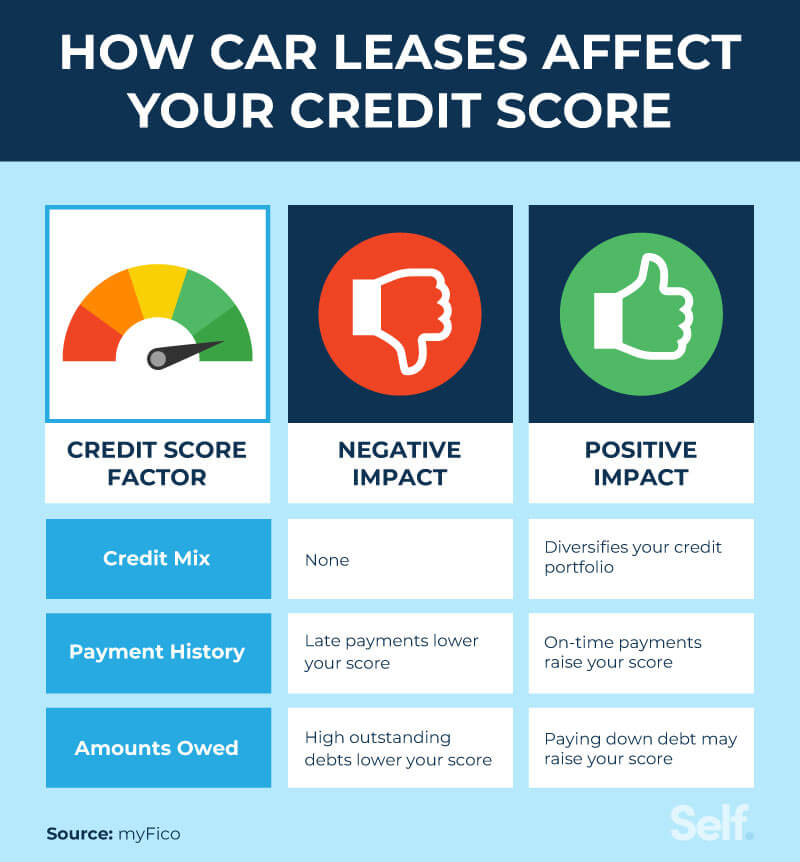
Image Source: images.ctfassets.net
Navigating the Landscape of No Credit Car Leasing
When you have no credit history, car dealerships and leasing companies perceive you as a higher risk. This is because they have no past data to analyze your payment behavior. They don’t know if you pay your bills on time or manage financial obligations responsibly. Consequently, obtaining a traditional lease without a credit score can be challenging.
The Challenge of a No Credit Check Car Lease
While the idea of a no credit check car lease is attractive, it’s important to set realistic expectations. True “no credit check” deals are exceedingly rare in the leasing world, especially for new vehicles. Leasing companies are in the business of lending money, and credit checks are their primary tool for risk assessment.
Instead, what might be marketed as a “no credit check” option often translates to:
- Very Limited Vehicle Selection: You’ll likely be restricted to older, lower-value vehicles.
- Higher Down Payments: Expect to put down a significant amount of cash to offset the lender’s risk.
- Higher Interest Rates (or equivalent leasing fees): The cost of the lease will be substantially higher.
- Shorter Lease Terms: Leases might be for fewer months, meaning you’ll be looking for a new vehicle sooner.
Why Credit Matters for Car Leases
Credit scores are a numerical representation of your creditworthiness. They are calculated based on your financial behavior, including:
- Payment history (paying bills on time)
- Amounts owed (how much debt you carry)
- Length of credit history
- Credit mix (types of credit used, like credit cards, mortgages, auto loans)
- New credit (how often you open new accounts)
A good credit score (typically 670 or higher) indicates to lenders that you are a responsible borrower. This allows them to offer you better interest rates and more favorable terms. For leasing, a higher credit score often means:
- Lower monthly payments
- Lower down payments
- Wider selection of vehicles
- Longer lease terms
- Less strict requirements for mileage and wear-and-tear
When you have no credit history, you essentially have no data points for lenders to evaluate. This lack of information makes it difficult for them to assess your risk, leading to denial or significantly less favorable terms.
Options for Leasing a Car with No Credit History
While difficult, it’s not impossible to lease a car without credit. Here are some of the most effective strategies:
1. The Power of a Co-signer
One of the most common and effective ways to lease a car with no credit history is to have a co-signer. A co-signer is someone with good credit who agrees to be equally responsible for the lease payments if you fail to make them.
What a Co-signer Does
- Lends their Creditworthiness: The leasing company will look at the co-signer’s credit history and score to approve the lease.
- Mitigates Risk: The co-signer’s good credit reduces the leasing company’s risk.
Requirements for a Co-signer
- Excellent Credit Score: Typically, a co-signer needs a score well above average (e.g., 700+).
- Stable Income: They must prove they can afford their own expenses plus potentially your lease payments.
- Willingness to Take on Responsibility: It’s crucial they understand the implications for their credit if you miss payments.
The Benefits of a Co-signer
- Increased Approval Chances: It significantly boosts your chances of getting approved.
- Better Terms: You might qualify for more favorable rates and lower payments than you would otherwise.
The Risks for a Co-signer
- Impact on Credit Score: Late or missed payments will negatively affect their credit score.
- Financial Obligation: They are legally responsible for the lease payments.
- Potential Strain on Relationships: If financial issues arise, it can damage the relationship.
This is a very viable co-signer car lease no credit scenario.
2. Building a Credit History Before Leasing
The most straightforward approach is to build a credit history before you even step into a dealership. This demonstrates to lenders that you are financially responsible.
Strategies for Building Credit
- Secured Credit Card: These cards require a cash deposit that typically becomes your credit limit. Use it for small purchases and pay it off in full each month.
- Credit-Builder Loan: Some credit unions and community banks offer these loans. The money is held by the lender until you pay off the loan, and then you receive the funds. Your payments are reported to credit bureaus.
- Become an Authorized User: If a trusted family member or friend with excellent credit adds you as an authorized user to their credit card, their positive payment history can be reflected on your credit report. Important: Ensure they are responsible with their credit.
Timeframe for Building Credit
Building a solid credit history takes time. Typically, it takes 6-12 months of responsible credit use to see a significant impact on your credit report and score.
3. Exploring Dealerships Offering Lease a Car with Poor Credit Programs
Some dealerships specialize in assisting individuals with less-than-ideal credit or no credit history. These dealerships often work with subprime lenders who cater to higher-risk borrowers.
What to Expect with Subprime Auto Leasing
- Higher Costs: Expect significantly higher monthly payments, larger down payments, and potentially shorter lease terms.
- Limited Vehicle Choices: You’ll likely have fewer new car options and may be steered towards older or less desirable models.
- Stricter Terms: Lease agreements might have lower mileage allowances and stricter wear-and-tear clauses.
- Fees and Add-ons: Be wary of excessive fees, extended warranties, or other add-ons that inflate the cost.
Finding These Dealerships
- Online Searches: Use terms like “bad credit car lease,” “subprime auto leasing,” or “lease with no credit” to find dealerships that advertise these services.
- Local Dealerships: Some local dealerships might have in-house financing or strong relationships with subprime lenders.
Be prepared for a more rigorous application process and a need to negotiate terms carefully.
4. Consider a Lease to Own No Credit or Rent-to-Own Cars No Credit Option
These options are often confused with traditional leasing but operate differently.
Lease to Own No Credit
This is more akin to a rent-to-own agreement for vehicles. You make regular payments, and at the end of the contract, you have the option to purchase the car for a predetermined price.
- How it Works: You typically pay a higher weekly or monthly rate. A portion of each payment may go towards the principal, building equity.
- Credit Impact: Some lease to own no credit programs may not report to credit bureaus, meaning it won’t help you build credit. Others might. It’s crucial to ask.
- Vehicle Condition: The vehicles are often used, and the terms can be less transparent than traditional leases.
Rent-to-Own Cars No Credit
This is essentially a rental agreement with an option to buy, often geared towards individuals who can’t qualify for traditional financing or leasing.
- Higher Payments: Expect the highest payment structure among all options.
- No Credit Building: Usually, these agreements do not help you build credit history.
- Ownership Uncertainty: The “ownership” aspect might be murky, with significant final payments or conditions.
- Vehicle Quality: Vehicles can vary widely in age and condition.
These are often last resorts and should be approached with extreme caution due to potentially predatory terms.
5. The No Down Payment Car Lease with No Credit
The concept of a no down payment car lease is appealing to everyone, but it’s particularly challenging for individuals with no credit. A down payment serves as a security deposit for the leasing company, reducing their risk. Without it, especially with no credit history, most lenders will decline the application.
If you do find a no down payment car lease without credit:
- Expect Extremely High Payments: The monthly payment will be significantly inflated to compensate for the lack of a down payment and your credit risk.
- Limited Vehicle Selection: You’ll likely be restricted to older, basic models.
- Very Short Lease Terms: The lease might be for only 12-24 months.
It’s generally advisable to save for at least a small down payment, even if it’s just a few hundred dollars, to improve your chances and potentially secure better terms.
Preparing Your Application for a No Credit Lease
If you’re determined to lease a car without credit, thorough preparation is key. You need to present yourself as a low-risk applicant, despite the lack of credit history.
Essential Documents and Information
Regardless of your credit situation, leasing companies will require documentation to verify your identity, income, and residency.
- Proof of Identity: Driver’s license or state-issued ID.
- Proof of Income: Pay stubs (typically the last 2-3), bank statements, tax returns, or a letter from your employer. Lenders want to see that you have a stable income that can comfortably cover the lease payments. Aim for an income at least three times the monthly lease payment.
- Proof of Residency: Utility bills, lease agreements for your home, or bank statements showing your address.
- Contact Information: Phone numbers and email addresses for references.
Improving Your Chances with a Strong Application
Even without credit, you can strengthen your application by:
- Demonstrating Stable Employment: Proof of long-term employment with your current employer shows reliability.
- Low Debt-to-Income Ratio (DTI): While your credit history is absent, lenders will still look at your existing debts relative to your income. If you have few existing debts (like student loans or existing car payments), your DTI will be lower, which is favorable.
- Having a Co-signer: As mentioned, this is often the most impactful step.
- Saving for a Down Payment: Even a small down payment can make a significant difference.
Alternatives to Leasing Without Credit
If leasing proves too difficult or expensive without a credit history, consider these alternatives:
1. Buying a Used Car with Cash
Purchasing a car outright with cash eliminates all credit concerns and ongoing payments. While this requires significant savings, it’s the most financially sound option if feasible.
2. Buying a Used Car with Financing
If you can’t pay cash, obtaining a car loan for a used vehicle is often easier than leasing without credit.
- Dealership Financing: Many dealerships have financing options for buyers with no credit. These may come with higher interest rates, but the terms are usually more straightforward than leases.
- Credit Unions: Credit unions are often more willing to work with individuals with limited credit history than large banks.
3. Using a Lease to Own No Credit or Rent-to-Own Cars No Credit Arrangement (with caution)
As discussed, these can be options, but they carry significant risks. If you choose this route, read the contract meticulously. Understand the total cost of ownership, any penalties for early termination, and what happens if you miss a payment. Ensure you are aware of the potential for subprime auto leasing practices that can be unfavorable.
Important Considerations for No Credit Leasing
When you have no credit, every aspect of a lease agreement needs careful scrutiny.
Understanding Lease Agreements
- Capitalized Cost: This is the price of the car that you’re leasing. Negotiate this as you would when buying.
- Residual Value: This is the estimated value of the car at the end of the lease term. A higher residual value generally means lower monthly payments.
- Money Factor: This is essentially the interest rate for the lease. It’s expressed as a decimal (e.g., 0.00150 is 3.75% APR). A lower money factor means lower payments.
- Lease Term: The length of the lease contract (e.g., 24, 36, 48 months).
- Annual Mileage Allowance: The number of miles you can drive per year without penalty.
- Acquisition Fee and Disposition Fee: Fees charged at the beginning and end of the lease, respectively.
Avoiding Common Pitfalls
- Hidden Fees: Always ask for a breakdown of all fees.
- Inflated Prices: Be aware that without credit, you might be quoted higher prices or rates. Research the car’s value beforehand.
- Unfavorable Terms: Shorter lease terms, higher mileage restrictions, and excessive wear-and-tear clauses are common with no credit.
- Predatory Lending: Be cautious of deals that seem too good to be true, especially in the “no credit check” space.
Negotiating Terms
Even with no credit, you can still negotiate certain aspects of the lease:
- Capitalized Cost: Try to get this as low as possible.
- Money Factor: While you might not get the prime rate, try to secure the lowest possible money factor.
- Fees: Some fees might be negotiable.
Frequently Asked Questions (FAQ)
Can I lease a car with no credit history at all?
Yes, it is possible, but it is significantly more challenging and usually involves higher costs. Options include using a co-signer with good credit, exploring dealerships specializing in lease a car with poor credit, or considering lease to own no credit arrangements.
What is the minimum credit score required to lease a car?
Most traditional leasing companies prefer a credit score of 670 or higher. However, some dealerships cater to lower scores, and with a strong application or co-signer, you might still qualify with a lower score or no score.
Does a no credit check car lease actually exist?
True no credit check car lease options are extremely rare. What is often advertised as such usually involves very restrictive terms, higher costs, or specific programs that might not truly skip a credit inquiry but rather use alternative methods of assessment.
How can a co-signer help me lease a car without credit?
A co-signer with good credit takes on the financial responsibility for the lease if you cannot pay. Their creditworthiness is used to approve the lease, significantly increasing your chances of getting approved and potentially securing better terms.
What are the risks of using a co-signer car lease no credit?
The primary risk is that if you miss payments, it will negatively impact your co-signer’s credit score, and they will be legally obligated to make the payments. This can also strain your relationship.
Is subprime auto leasing a good option for me?
Subprime auto leasing can be an option if you have bad credit or no credit, but expect higher costs and potentially fewer vehicle choices. It’s crucial to compare offers carefully and understand all terms and fees involved.
How do lease to own no credit or rent-to-own cars no credit differ from traditional leasing?
These arrangements are generally less regulated and often come with much higher payments. While they offer a path to vehicle ownership without traditional credit checks, they typically do not help build a credit history and can be more expensive in the long run. It’s essential to thoroughly vet the provider and the contract.
What is a no down payment car lease and can I get one with no credit?
A no down payment car lease means you don’t need to pay an upfront amount. While desirable, it’s very difficult to obtain without credit, as the down payment reduces the lender’s risk. If you find one, expect significantly higher monthly payments.
Conclusion
Leasing a car without credit is a challenging endeavor, but not an impossible one. By understanding the landscape, preparing a strong application, and exploring all available avenues – including the crucial role of a co-signer car lease no credit – you can navigate the process. While options like lease to own no credit or rent-to-own cars no credit exist, they should be approached with extreme caution due to their potential costs and lack of credit-building benefits. Ultimately, building credit responsibly is the most sustainable long-term solution for accessing favorable automotive financing. If leasing isn’t feasible right now, focus on building your credit and consider alternative purchase methods like financing a used car or saving for a cash purchase.