Yes, you can jump motorcycle battery with a car safely, but it requires caution and the correct procedure to avoid damaging either vehicle’s electrical systems.
Many riders find themselves stranded with a motorcycle dead battery. The familiar sight of a car and a set of jumper cables can spark a question: “Can I jump my motorcycle from my car?” The answer is yes, but it’s not as simple as connecting any two batteries. Modern motorcycles, especially those with sensitive electronics, require a gentler approach than older, simpler machines. This guide will walk you through the process of car jump starting motorcycle safely and effectively.
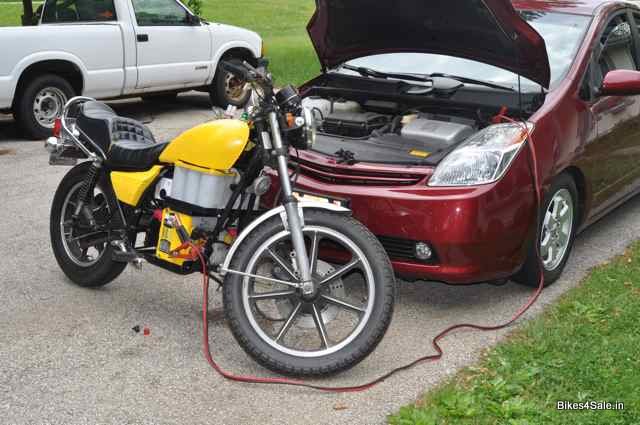
Image Source: ricksmotorsportelectrics.com
The Risks Involved in Connecting Car Battery to Motorcycle
While the concept of jump starting a dead motorcycle battery using a car seems straightforward, there are genuine risks involved. The primary concern stems from the significant difference in battery capacity and voltage regulation between a car and a motorcycle.
- Voltage Overload: Cars have much larger alternators and batteries than motorcycles. If the connection is made incorrectly, or if the car’s engine is running at a high RPM, the car’s charging system can send too much voltage and amperage to the motorcycle’s delicate electrical system. This can fry sensitive components like the Engine Control Unit (ECU), voltage regulator, or even the entire wiring harness.
- Sparking and Explosions: Connecting the final clamp incorrectly can create a spark. If this spark occurs near the battery, especially a lead-acid battery which can vent flammable hydrogen gas, it could lead to a small explosion.
- Damage to the Car’s Electrical System: While less common, improper connections or a faulty motorcycle charging system could potentially cause issues with the car’s alternator or battery.
What You Need to Jump Start Your Motorcycle
Before you attempt to jump your motorcycle, gather the necessary equipment.
Essential Tools for a Motorcycle Battery Jump Start:
- Jumper Cables: You’ll need a set of jumper cables specifically designed for motorcycle use or a good quality set with thinner gauge wires. Using car-sized jumper cables is generally discouraged due to their higher amperage capacity, which can be detrimental to a motorcycle’s electrical system.
- Gloves and Eye Protection: Safety first! Always wear gloves and eye protection to guard against sparks and battery acid.
- A Helper (Recommended): Having someone to assist can make the process smoother and safer, especially when managing the cables.
- Your Motorcycle Owner’s Manual: This is your best friend. It will detail the specific battery location and any unique jump-starting procedures for your model.
Step-by-Step Guide to Jump Starting Your Motorcycle with a Car
Following these steps is crucial for a successful and safe motorcycle battery jump start.
Step 1: Prepare the Vehicles
- Position the Vehicles: Park the car close enough to the motorcycle so the jumper cables can reach both batteries without being stretched taut. Ensure the vehicles are not touching.
- Turn Off Both Vehicles: This is a critical safety step. Turn off the ignition of both the car and the motorcycle. Remove the keys from both.
- Engage Parking Brakes: Make sure both vehicles have their parking brakes firmly engaged to prevent any accidental movement.
- Open Hoods/Access Battery: Locate the batteries on both the car and the motorcycle. You may need to consult your owner’s manuals.
Step 2: Connecting the Jumper Cables
This is where precision is paramount. The order of connection is designed to minimize sparking.
-
Identify Battery Terminals: Both the car battery and the motorcycle battery will have a positive (+) terminal and a negative (-) terminal. The positive terminal is usually marked with a red cover or a plus symbol, while the negative is marked with a black cover or a minus symbol.
-
Connecting the Positive Cables:
- Take one red clamp (positive) from the jumper cable set and connect it securely to the positive (+) terminal of the dead motorcycle battery.
- Take the other red clamp (positive) and connect it securely to the positive (+) terminal of the car battery.
-
Connecting the Negative Cables:
- Take one black clamp (negative) from the jumper cable set and connect it securely to the negative (-) terminal of the car battery.
- Crucial Step: Take the other black clamp (negative) and connect it to an unpainted metal surface on the motorcycle’s frame, away from the battery and any moving parts. This is called grounding. Do not connect it directly to the negative terminal of the motorcycle battery, as this is the most common cause of dangerous sparks.
Step 3: Starting the Car and Charging the Motorcycle Battery
- Start the Car: With all cables connected correctly, start the car’s engine. Let it run for a few minutes at idle. This allows the car’s alternator to begin charging the motorcycle battery.
- Do Not Rev the Car Engine Excessively: Avoid revving the car’s engine to high RPMs. Keeping it at idle or slightly above (around 1500-2000 RPM) is generally sufficient and safer for the motorcycle’s electronics.
- Wait for Charging: Allow the car to run for at least 5-10 minutes. This gives the car’s charging system time to transfer enough power to the motorcycle battery. You might notice the motorcycle’s dashboard lights coming on faintly, which is a good sign.
Step 4: Starting the Motorcycle
- Attempt to Start the Motorcycle: After the waiting period, try to start your motorcycle as you normally would.
- If It Doesn’t Start: If the motorcycle doesn’t start, let the car run for another few minutes and try again. Do not crank the motorcycle starter for extended periods, as this can overheat the starter motor.
- If It Starts: Once the motorcycle starts, let it run for a while to allow its own charging system to take over.
Step 5: Disconnecting the Jumper Cables
The order of disconnection is also important to prevent sparks.
- Disconnect the Negative Cable from the Motorcycle Frame: Remove the black clamp from the grounded metal on the motorcycle first.
- Disconnect the Negative Cable from the Car Battery: Remove the black clamp from the car battery’s negative terminal.
- Disconnect the Positive Cable from the Car Battery: Remove the red clamp from the car battery’s positive terminal.
- Disconnect the Positive Cable from the Motorcycle Battery: Finally, remove the red clamp from the motorcycle battery’s positive terminal.
Ensure the clamps do not touch each other or any metal parts of the vehicles during disconnection.
Step 6: Keep the Motorcycle Running
After successfully starting your motorcycle, it’s important to keep it running.
- Let it Idle: Let the motorcycle idle for at least 15-20 minutes, or ideally, go for a ride. This allows the motorcycle’s own charging system to replenish the battery’s charge. If the motorcycle battery not holding charge, it might be old or faulty and need replacement.
Alternative Methods and Important Considerations
If the above method seems too daunting, or if you’re unsure about your motorcycle’s electrical system, there are safer alternatives.
Using a Motorcycle-Specific Jumper Pack
These portable devices are designed with the correct amperage and voltage output for motorcycles. They are often the safest and most convenient option.
Using a Smaller Vehicle or ATV Battery
If you have access to a smaller vehicle with a battery of similar or smaller capacity (like a 12V battery from a smaller car or ATV), the risk is reduced. However, the same connection precautions still apply.
When Not to Jump Start Your Motorcycle
- Damaged Battery: If the motorcycle battery is visibly damaged, leaking acid, or appears swollen, do not attempt to jump-start it.
- Ignorance of Procedures: If you are not confident in your ability to follow the steps correctly, it’s better to seek professional help.
- Lithium-Ion Batteries: Many modern motorcycles are switching to lithium-ion (Li-ion) batteries. These batteries have different charging requirements and can be damaged by improper jump-starting. Always consult your owner’s manual for specific instructions regarding Li-ion batteries.
Troubleshooting Common Issues
- Motorcycle Still Won’t Start:
- The motorcycle battery might be completely dead and beyond recovery.
- There might be a problem with the motorcycle’s starter system.
- The charging system (stator or regulator/rectifier) might be faulty, preventing the battery from charging.
- Sparks During Connection: Double-check the order of connections. Ensure the final negative clamp is on a metal frame part, not the battery terminal.
- Dashboard Lights Flicker: This is often normal during the charging process. If they are extremely bright or erratic, the car’s charging system might be too powerful.
Maintaining Your Motorcycle Battery
Preventing a dead battery in the first place is always the best strategy.
- Battery Tender: Use a motorcycle battery tender when the bike is stored for extended periods. This maintains a healthy charge.
- Regular Riding: Short rides don’t always fully charge the battery. Try to go for longer rides periodically.
- Check Connections: Ensure battery terminals are clean and the connections are tight.
- Test the Battery: If you suspect your motorcycle battery not holding charge, have it tested at a motorcycle shop.
Comparison: Motorcycle Battery vs. Car Battery
| Feature | Motorcycle Battery (Typical) | Car Battery (Typical) |
|---|---|---|
| Voltage | 12V | 12V |
| Capacity (Ah) | 5-20 Ah | 40-100 Ah |
| Cold Cranking Amps (CCA) | 50-200 CCA | 400-1200 CCA |
| Physical Size | Small, lightweight | Large, heavy |
| Charging System | Smaller alternator | Larger alternator |
| Sensitivity | More sensitive to overcharging | Less sensitive |
This table highlights the significant differences in capacity and output, underscoring the need for careful connecting car battery to motorcycle.
Frequently Asked Questions (FAQ)
Q: Can I leave the jumper cables connected for a long time?
A: No, it’s not recommended to leave them connected for extended periods. 5-15 minutes of charging from the car is usually sufficient. Prolonged connection can potentially overcharge the motorcycle battery or strain the car’s system.
Q: What if my motorcycle has fuel injection? Does that change things?
A: Motorcycles with fuel injection have more complex electronics. This makes it even more crucial to follow the correct procedure and avoid any voltage spikes. The risk of damaging the ECU is higher on modern, fuel-injected bikes.
Q: I don’t have jumper cables. Can I use loose wires?
A: Absolutely not. Using loose wires or improper gauge wires is extremely dangerous. Always use properly rated jumper cables to ensure safety and prevent damage.
Q: My motorcycle battery is old. Can I still jump it?
A: If your motorcycle battery is old or failing, it might not hold a charge even after a jump start. You might need to replace it. Jump-starting is a temporary solution to get it running, not to fix a faulty battery.
Q: Can I jump a motorcycle battery with a running car?
A: While the car needs to be running to provide power, it’s best to have the car engine at idle or slightly elevated (around 1500 RPM) during the charging phase. High revs can send too much power to the motorcycle.
Q: My motorcycle battery is completely dead. What does that mean?
A: A completely dead motorcycle dead battery might mean it has lost its ability to hold a charge and needs to be replaced. It could also mean it has been drained by leaving lights on or a faulty charging system.
Q: Is there a way to charge a motorcycle battery with a car without jumper cables?
A: There are specialized chargers designed to connect to a car’s 12V power outlet, but these are less common for motorcycles. The most standard method involves jumper cables. Using a car to charge a motorcycle battery directly without proper cables and connection methods is highly risky.
By following these guidelines and exercising caution, you can safely jump start your motorcycle with a car and get back on the road. However, if you’re ever in doubt, always consult your owner’s manual or a qualified mechanic. Remember, prevention is key, so regular battery maintenance can save you from needing to jump-start in the first place.